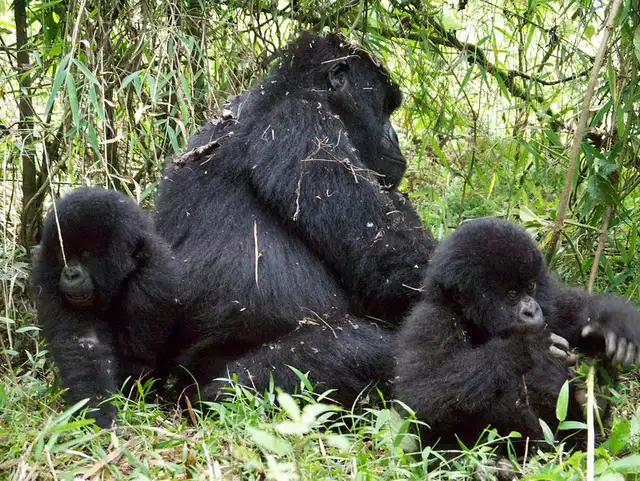
Get the best out of gorilla trekking Rwanda with practical tips on preparation, timing, permits, packing, and conservation for a rewarding and successful trek
Wondering how to get the best out of gorilla trekking Rwanda? The key lies in preparation and timing. This trek is physically demanding, often requiring hours of walking through uneven terrain, so building stamina with light exercise before your trip makes a big difference. Packing smart with waterproof boots, gloves, rain jackets, and insect repellent ensures comfort in the forest. Choosing the dry seasons from June to September and December to February helps avoid slippery trails and improves visibility, making the trek smoother and more rewarding. With these steps, you spend less energy on challenges and more time appreciating the gorillas in their natural habitat.
Another way to maximize gorilla trekking Rwanda is by planning ahead with permits and logistics. Permits are limited and sell out quickly, so booking months in advance guarantees your spot and allows you to organize accommodation near Volcanoes National Park. Hiring a porter not only eases the physical load but also supports local communities, adding value to your trek. Respecting guidelines such as keeping a safe distance and following ranger instructions ensures both your safety and the gorillas’ wellbeing. By preparing physically, mentally, and logistically, you transform gorilla trekking Rwanda into a meaningful experience that balances adventure, conservation, and cultural connection
Best gorilla trekking Rwanda packages
3 Days Gorilla Trekking Safari in Rwanda
3 Days Chimpanzee Trekking Safari in Nyungwe Forest, Rwanda
4 Days Nyungwe Forest National Park and Lake Kivu Safari
4 Days Golden monkeys And Gorilla Trekking Safari
5 Days Amboseli and Tsavo West Wildlife Safari
6 Days Mount Kilimanjaro Machame Route
8 Day Serengeti, Ngorongoro Crater and Zanzibar
How to get the best out of gorilla trekking Rwanda
Preparing well is the first step to getting the best out of gorilla trekking Rwanda. The trek can be demanding, so physical fitness matters. Simple exercises like walking or light hiking before your trip help build stamina. Gorilla trekking Rwanda involves moving through uneven terrain, sometimes for hours, so being ready reduces fatigue and makes the experience smoother. Travelers should also pack essentials such as sturdy boots, gloves, and rain jackets to handle forest conditions. Carrying enough drinking water and snacks ensures you stay energized during the trek. With good preparation, you focus more on the gorillas and less on discomfort, making the day rewarding and manageable.
Choosing the right season is another way to maximize gorilla trekking Rwanda. The dry months from June to September and December to February are ideal because trails are less slippery and visibility is better. Gorilla trekking Rwanda during these periods also means more comfortable conditions for photography and longer viewing time. While gorillas can be tracked year-round, rainy seasons make treks harder and less predictable. Planning your trip around dry months ensures you spend less energy on muddy paths and more time observing gorillas. This timing also improves your chances of enjoying the forest without heavy downpours disrupting the trek.
Securing permits early is essential for gorilla trekking Rwanda. Permits are limited to protect the gorillas and their habitat, so they sell out quickly, especially in peak seasons. Gorilla trekking Rwanda requires booking months in advance to guarantee your spot. Each permit allows one hour with the gorillas, and this time is strictly enforced. By booking early, you avoid disappointment and can plan accommodation and transport around your trekking date. Working with trusted operators helps ensure permits are genuine and logistics are handled properly. This step is crucial for a smooth experience and peace of mind before your trek.
Packing correctly makes gorilla trekking Rwanda more comfortable and practical. Essential items include waterproof boots, long-sleeved shirts, insect repellent, and gloves for gripping vegetation. Gorilla trekking Rwanda often involves moving through thick forest, so protective clothing prevents scratches and insect bites. A lightweight backpack with water, snacks, and a camera is useful, while hiring a porter helps carry extra weight and supports local communities. Rain gear is important since showers can occur even in dry seasons. Packing smart ensures you stay focused on the gorillas rather than worrying about discomfort or missing essentials during the trek.
Respecting guidelines is key during gorilla trekking Rwanda. Visitors must keep a safe distance of about seven meters to protect gorillas from human diseases. Gorilla trekking Rwanda also requires avoiding direct eye contact, speaking softly, and following ranger instructions. Flash photography is not allowed, and food should never be taken near gorillas. These rules safeguard both travelers and gorillas, ensuring the experience remains safe and sustainable. By respecting guidelines, you contribute to conservation efforts and help maintain the health of these endangered primates. Following instructions also ensures you enjoy your time without unnecessary risks.
Hiring a porter is highly recommended during gorilla trekking Rwanda. Porters assist with carrying bags and provide support on steep or slippery sections of the trail. Gorilla trekking Rwanda can be physically demanding, and having a porter reduces strain, allowing you to focus on the experience. Beyond convenience, hiring porters supports local livelihoods, creating jobs for communities near the parks. This contribution helps strengthen conservation efforts by giving locals a reason to protect gorillas. Travelers benefit from both practical assistance and the satisfaction of supporting sustainable tourism. It’s a small investment that adds great value to the trek.
Mental preparation is just as important for gorilla trekking Rwanda. Treks can last anywhere from one to six hours depending on gorilla movements, so patience is vital. Gorilla trekking Rwanda requires flexibility, as gorillas are wild animals and their location changes daily. Travelers should be ready for long walks, unexpected weather, and varying terrain. Keeping a positive mindset ensures you enjoy the trek regardless of challenges. The reward of seeing gorillas in their natural habitat outweighs the effort, but managing expectations helps avoid frustration. Mental readiness makes the experience more enjoyable and meaningful.
Supporting conservation adds depth to gorilla trekking Rwanda. Permit fees directly fund protection of gorillas and their habitat, while community projects benefit from tourism revenue. Gorilla trekking Rwanda is not just about seeing wildlife; it’s about contributing to long-term survival of these primates. Travelers can extend support by choosing eco-friendly lodges, buying local crafts, or donating to conservation programs. Understanding the impact of your visit makes the trek more meaningful. By participating responsibly, you help ensure future generations can also experience gorillas in the wild. Conservation-minded travel enriches your safari and leaves a lasting positive footprint
Best time to go for gorilla trekking Rwanda for successful trek
During the dry season, gorilla trekking Rwanda is easier because the forest paths are more manageable, and the likelihood of heavy rain disrupting the trek is lower. This period also offers better opportunities for photography, as lighting conditions are more favorable. Travelers benefit from longer viewing times and more reliable access to gorilla families. Planning your trek during these months ensures that you spend less energy navigating muddy terrain and more time enjoying the gorillas in their natural habitat.
That said, gorilla trekking Rwanda is possible year-round, and the rainy seasons of March to May and October to November also have advantages. While trails can be slippery and treks more demanding, these months often mean fewer crowds and more affordable accommodation. Gorilla families remain accessible, and the lush vegetation provides a different atmosphere for photography. For travelers who value solitude and lower costs, the rainy season can still deliver a successful trek, though it requires more patience and preparation
How to get there for gorilla trekking Rwanda
Getting to gorilla trekking Rwanda usually starts with arrival in Kigali, the capital city. Most international travelers fly into Kigali International Airport, which is well connected to major hubs in Africa and beyond. From Kigali, Volcanoes National Park the main base for gorilla trekking Rwanda is about a 2–3 hour drive on good roads. Many visitors choose private transfers or tour operators who handle transport directly to lodges near the park. This option is convenient, cost-effective, and allows you to enjoy Rwanda’s countryside along the way.
For those seeking efficiency, domestic helicopter transfers are available, cutting travel time significantly. However, most travelers prefer road transfers because they are affordable and scenic. Gorilla trekking Rwanda requires an early start, so staying in lodges near Volcanoes National Park is recommended to avoid long morning drives. Tour operators often combine airport pickup, hotel stays in Kigali, and transfers to the park into one package. This ensures smooth logistics and reduces stress, allowing you to focus on the trek itself. Whether by road or air, planning transport in advance is key to making your gorilla trekking Rwanda experience successful and comfortable
Top activities to combine with Gorilla trekking Rwanda
Combining gorilla trekking Rwanda with other activities makes the experience richer and more balanced. After spending time in Volcanoes National Park, many travelers enjoy relaxing at Lake Kivu, where calm waters and lakeside resorts provide a peaceful contrast to the forest trek. Gorilla trekking Rwanda can also be paired with cultural visits to local communities, where guests learn about traditions, farming practices, and daily life. This mix of wildlife and human connection ensures the trip feels complete, offering both adventure and cultural depth.
Another way to enhance gorilla trekking Rwanda is by adding wildlife safaris in Akagera National Park. This park offers game drives with elephants, lions, and hippos, giving travelers a chance to see savannah species alongside rainforest primates. Gorilla trekking Rwanda also combines well with hiking Mount Bisoke or visiting Dian Fossey’s research site, adding historical and conservation value. These activities provide variety, ensuring travelers don’t just focus on gorillas but also experience Rwanda’s landscapes and conservation efforts.
For those seeking relaxation, gorilla trekking Rwanda can be followed by wellness retreats or coffee tours in Rwanda’s highlands. This balance between physical trekking and leisure activities helps travelers recover while still engaging with the country’s culture. Gorilla trekking Rwanda is demanding, so combining it with lighter activities ensures energy is well managed. Whether it’s lakeside relaxation, cultural immersion, or wildlife safaris, these additions make the trip more rewarding and practical, giving travelers a well-rounded East African experience
How much does it cost to trek with gorillas in Rwanda?
The cost of gorilla trekking Rwanda is mainly determined by the permit fee, which is $1,500 per person per trek. This fee goes directly toward conservation and community support, making it a vital contribution to protecting mountain gorillas. Gorilla trekking Rwanda also involves other expenses such as accommodation, transport, and guide services, which vary depending on whether you choose luxury lodges or budget guesthouses. While the permit is the largest expense, travelers should budget for meals, transfers, and optional extras like cultural tours. Overall, the cost reflects the exclusivity of the experience, as only a limited number of permits are issued daily to ensure gorilla families are not disturbed
Is gorilla trekking in Rwanda worth it?
Yes, gorilla trekking Rwanda is worth it because it offers a rare chance to spend time with mountain gorillas in their natural habitat. The trek is carefully managed to protect the gorillas while giving visitors an intimate wildlife experience. Gorilla trekking Rwanda also supports conservation and local communities, meaning your visit has a positive impact beyond tourism. The one hour spent with gorillas is powerful, as you observe their behavior, family bonds, and interactions up close. While the permit fee is high, the value lies in the exclusivity, conservation contribution, and the once-in-a-lifetime nature of the experience
How difficult is gorilla trekking?
The difficulty of gorilla trekking Rwanda depends on the gorilla group assigned and their location on the day of the trek. Some groups are found within one to two hours of walking, while others may require up to six hours of hiking through steep and muddy terrain. Gorilla trekking Rwanda is manageable for most people with moderate fitness, but preparation helps. Rangers and porters assist along the way, making the trek safer and less demanding. Weather conditions can add challenges, especially during rainy seasons, but the reward of seeing gorillas makes the effort worthwhile. Patience and stamina are key to enjoying the trek
How to prepare for gorilla trekking in Rwanda?
Preparation is essential for gorilla trekking Rwanda to ensure comfort and success. Travelers should pack sturdy hiking boots, long-sleeved clothing, gloves, rain jackets, and insect repellent. Gorilla trekking Rwanda also requires carrying water, snacks, and a camera, ideally in a lightweight backpack. Hiring a porter is highly recommended to ease the load and support local communities. Physical preparation, such as light hiking or walking before the trip, helps build stamina for the trek. Mental readiness is equally important, as treks can last several hours depending on gorilla movements. With proper preparation, the experience becomes smoother and more enjoyable
Top accommodation places to stay on gorilla trekking Rwanda
The best places to stay for gorilla trekking Rwanda are lodges and camps located close to Volcanoes National Park headquarters in Kinigi and Musanze, ensuring easy access for early morning treks. Top accommodation options include Bisate Lodge, a luxury eco-lodge offering stunning views and personalized service, and Sabyinyo Silverback Lodge, known for its comfort and proximity to the park. Mid-range choices such as Five Volcanoes Boutique Hotel and Mountain Gorilla View Lodge provide convenience and affordability, while budget-friendly options like Kinigi Guesthouse cater to travelers seeking simple stays near the trekking base. Staying close to the park headquarters is crucial since gorilla trekking Rwanda begins early in the morning, and nearby lodges reduce travel time and stress. Whether you prefer luxury, mid-range, or budget, these accommodations enhance the gorilla trekking Rwanda experience by combining comfort with prime location
Booking gorilla trekking Rwanda with Lamz Tours and Travel
Booking gorilla trekking Rwanda with Lamz Tours and Travel ensures a well-planned and stress-free experience, tailored to your needs. Lamz Tours and Travel handles all logistics, including securing permits, arranging transport from Kigali to Volcanoes National Park, and selecting lodges close to the trekking base. Our expert team ensures you are matched with the right gorilla family group, maximizing your chances of a rewarding trek. With Lamz Tours and Travel, gorilla trekking Rwanda becomes more than just a wildlife activity it’s a carefully managed adventure that balances conservation, comfort, and cultural immersion. By relying on their professional guidance, you save time, avoid common challenges, and enjoy a seamless experience that allows you to focus fully on the gorillas and the beauty of Rwanda
Ready to plan your safari?
Talk to a Lamz Tours specialist and get a tailor-made quote.
Make an enquiry