Get the best out of Liwonde, Majete and Lake Malawi on a Malawi safari with game drives, boat trips, walking safaris, and eco-friendly lakeside stays.
Combining the top highlights of Liwonde, Majete, and Lake Malawi creates one of the most balanced safari experiences in southern Africa. Each destination offers something distinct: Majete delivers the Big Five and predator sightings, Liwonde is renowned for its elephants, hippos, and river safaris, while Lake Malawi adds a refreshing contrast with water-based activities and relaxation. Spending three nights in each location ensures travelers enjoy game drives, boat trips, and downtime without rushing. This structure allows for deeper wildlife viewing, cultural connections, and time to appreciate the landscapes. A Malawi safari designed this way blends adventure with rest, making it both practical and rewarding.
Beyond the wildlife, the real value of a Malawi safari lies in variety and purpose. Walking safaris, kayaking, birdwatching, and cultural visits add depth to the experience, while eco-friendly lodges and community-run stays ensure tourism supports conservation and local livelihoods. Timing the trip between May and October maximizes wildlife sightings, while the green season offers solitude and exceptional birdlife. By planning carefully, choosing accommodation inside or near the parks, and including Lake Malawi for relaxation, travelers enjoy a safari that is diverse, meaningful, and memorable. This combination guarantees the best of Malawi’s wilderness and culture in one well-rounded adventure
Top African safari packages
3 Day Best Malawi Safari Parks Tour
3 Day Majete Safari Malawi and Big Five
4 Day Budget Safari Malawi to Nyika and Vwaza Marsh Wildlife Reserve
2 day Gorilla trekking safari in Rwanda
2 Days Nyungwe Chimpanzee and Canopy Walk Safari in Rwanda
3 Days Gorilla and Golden Monkey Trekking Rwanda Tour
3 Days Safari to Rwanda and Uganda Gorilla Trekking
2-days-fly-in-serengeti-safari-in-tanzania
2-days-tarangire-national-park-and-ngorongoro-crater-safari
3-days-tanzania-safari-in-serengeti-national-park
3-days-tanzania-wildlife-safari
4-days-epic-tanzania-wildlife-and-culture-safari
How to Get Best Out of Liwonde, Majete and Lake Malawi on a Malawi Safari
1. Allocate Your Itinerary with 3 Nights Per Park
A well-paced Malawi safari works best when travelers spend at least three nights in each park. This rhythm allows time for multiple game drives, boat safaris, and relaxation without feeling rushed. A classic plan includes three nights in Majete, three in Liwonde, and three at Lake Malawi, creating a balanced 10–12 day trip. Using Liwonde as a central hub makes logistics easier since it sits between Lilongwe and the lake, while pairing it with Majete ensures the full Big Five experience. By structuring your Malawi safari this way, you avoid fatigue, maximize wildlife viewing, and still enjoy downtime by the lake, making the trip both rewarding and manageable.
2. Do a Boat Safari in Both Parks as they're Completely Different
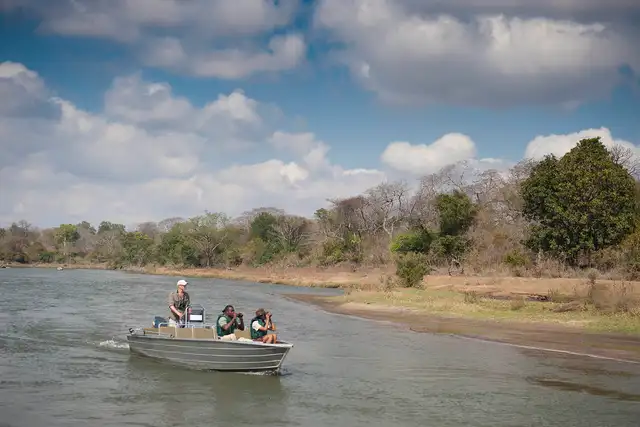
Boat safaris are a highlight of any Malawi safari, and each park offers a distinct experience worth including. In Liwonde, the Shire River provides close views of hippos, crocodiles, and elephants, often at distances more intimate than game drives. Majete’s Shire River, on the other hand, feels more rugged, with forested banks and sightings of elephants, buffalo, and diverse birdlife. Doing both ensures travelers appreciate the contrasts between the two ecosystems. A Malawi safari that includes river excursions in both parks adds variety, giving visitors a deeper understanding of how landscapes shape wildlife behavior while offering memorable moments on the water
3. Time Your Visit Right and May to October is Prime
Timing is key to making the most of a Malawi safari, and the dry season from May to October is widely considered the best. During these months, animals gather around rivers and waterholes, making sightings more predictable and rewarding. Vegetation is thinner, improving visibility, and roads are easier to navigate. July to October is peak for wildlife, though October can be hot, so travelers should prepare for warm conditions. For those who prefer green landscapes and birdlife, the wet season from November to April offers excellent bird-watching but comes with challenges like muddy roads and dispersed animals. A Malawi safari planned around these seasons ensures travelers match their expectations with the best conditions.
4. Choose Accommodation Inside or on the Park Border
Where you stay can greatly influence the quality of a Malawi safari. Lodges inside or bordering the parks save travel time and keep you immersed in the wilderness. In Liwonde, options like Mvuu Lodge or Kuthengo Camp provide riverfront views and easy access to boat safaris. Majete offers Mkulumadzi Lodge for luxury or Thawale Lodge for a community-owned mid-range stay. At Lake Malawi, island stays such as Mumbo or Nankoma deliver eco-friendly escapes, while Cape Maclear offers a mix of budget and comfortable lodges. Choosing accommodation wisely ensures your Malawi safari is convenient, immersive, and tailored to your style, whether you prefer simplicity or added comfort.
5. Don’t Just Drive but Walk, Paddle, and Sail
A Malawi safari is best experienced through varied activities beyond game drives. Walking safaris in Liwonde and Majete allow travelers to learn about tracks, plants, and smaller creatures often missed from vehicles. At Lake Malawi, hiking above Cape Maclear provides panoramic views, while kayaking around islands offers peaceful wildlife watching, including fish eagles and monitor lizards. These activities add depth and variety, ensuring travelers connect with the environment in multiple ways. By mixing walking, paddling, and sailing with traditional drives, a Malawi safari becomes more engaging, giving visitors a fuller appreciation of both the land and water ecosystems.
6. Understand the Wildlife in Majete for Big Five, Liwonde for Elephants
Each park has its own strengths, and knowing them helps travelers set realistic expectations for a Malawi safari. Majete is the only reserve in Malawi with the full Big Five lion, leopard, rhino, elephant, and buffalo making it the best choice for predator sightings. It also hosts cheetah and African wild dogs, adding rare species to the list. Liwonde, meanwhile, is famous for its large elephant and hippo populations, with black rhinos also present though harder to spot. Big cats are less common here, so Majete is better for predator action. A Malawi safari that combines both parks ensures travelers enjoy a balanced mix of wildlife highlights.
7. Factor in Travel Logistics and Costs
Planning logistics is essential for a smooth Malawi safari. Travelers can fly into Lilongwe for easier access to Liwonde and Lake Malawi or Blantyre for Majete, which is about a two-hour drive away. Getting around is easiest with private transfers or hiring a 4x4 and driver, though self-drive is possible with preparation. Costs include park entry fees of about $30 per person daily, while guided drives or boat safaris range from $40 to $80. Mid-range lodges average $150–$300 per night, often including meals and activities. By budgeting carefully and planning routes, a Malawi safari becomes stress-free and well-organized.
8. Pack for a Bush and Beach Combo
Packing smart ensures comfort and readiness for the varied conditions of a Malawi safari. Neutral-colored clothing works best for game drives, paired with a hat, sunscreen, insect repellent, and binoculars. For the lake, swimsuits and snorkel gear are useful, though rentals are often available. A good book adds relaxation during downtime. At night, a headlamp or flashlight is essential since many camps use low lighting to preserve ambiance. By preparing for both bush and beach, travelers enjoy every aspect of a Malawi safari without discomfort, staying equipped for dusty drives, humid boat trips, and lakeside relaxation.
9. Embrace the Green Season for Birding and Solitude
While the dry season is best for big game, the green season from November to April offers unique rewards for a Malawi safari. Birdwatchers will find this period exceptional, with over 300 species in Majete alone, including migratory birds in breeding plumage. The parks are quieter, with fewer tourists, and lodges often reduce rates, making it more affordable. Wildlife is more dispersed, but many animals give birth during this time, adding interest to sightings. For travelers who value solitude, vibrant landscapes, and birdlife, the green season provides a different but equally rewarding Malawi safari experience.
10. Travel with Purpose and Support Conservation
A Malawi safari is not only about wildlife viewing but also about contributing to conservation. Both Liwonde and Majete are managed by African Parks, a non-profit organization dedicated to protecting ecosystems. Park fees and lodge payments directly support anti-poaching units, ranger salaries, and community projects. Travelers can also engage with local communities by visiting villages or staying at community-run lodges, ensuring their presence benefits people as well as wildlife. By choosing responsible options, a Malawi safari becomes more meaningful, allowing visitors to enjoy nature while actively supporting conservation and community development
Top attraction to see on a Malawi safari in Liwonde and Majete
Liwonde National Park is one of the most rewarding destinations on a Malawi safari, especially for its river-based wildlife viewing. The Shire River is the lifeline of the park, attracting large herds of elephants, pods of hippos, and crocodiles basking along the banks. Boat safaris here provide close views of animals coming to drink or swim, often offering more intimate sightings than traditional drives. Birdlife is also abundant, with fish eagles, kingfishers, and colorful bee-eaters adding vibrancy to the experience. A Malawi safari in Liwonde is defined by this unique river setting, where the combination of water, wildlife, and bird diversity creates a rich and memorable safari atmosphere.
Majete Wildlife Reserve is the only Big Five destination in Malawi, making it a must-see for safari travelers. Lions, leopards, elephants, buffalo, and rhinos roam freely, alongside cheetahs and African wild dogs, which are rare elsewhere. The reserve’s success story of wildlife reintroduction under African Parks management adds depth to the experience, showing how conservation can revive ecosystems. Game drives here often reveal predators in action, while guided walks highlight tracks and smaller species. A Malawi safari in Majete offers the excitement of seeing Africa’s most sought-after animals in a setting that feels wild yet well-protected, making it a cornerstone of any itinerary.
Beyond the Big Five, Liwonde is especially known for its massive elephant population, which is one of the largest in southern Africa. Watching these giants interact along the Shire River is a highlight of any Malawi safari. Hippos are equally abundant, often seen in large pods, while black rhinos add rarity to the mix, though they can be elusive. The park’s birdlife is exceptional, with over 400 species recorded, making it a paradise for birdwatchers. A Malawi safari in Liwonde balances big game with smaller details, offering travelers a chance to appreciate both the drama of large mammals and the beauty of diverse bird species.
Lake Malawi complements the wildlife focus of Liwonde and Majete, adding a relaxing and cultural dimension to a Malawi safari. Known as the “Lake of Stars,” it offers sandy beaches, clear waters, and vibrant fish species unique to the lake. Activities such as kayaking, snorkeling, and island stays provide variety after days of game drives. Cape Maclear and islands like Mumbo or Nankoma offer eco-friendly lodges where travelers can unwind while still feeling connected to nature. A Malawi safari that includes Lake Malawi ensures balance wildlife action in the parks paired with lakeside relaxation making the overall experience diverse, refreshing, and deeply rewarding
What activities are there to do on Malawi safari for best experience?
A Malawi safari offers a wide range of activities that go beyond traditional game drives, making the experience richer and more engaging. Travelers can enjoy river safaris in both Liwonde and Majete, where the Shire River provides close views of elephants, hippos, and crocodiles. Walking safaris add another dimension, allowing guests to learn about tracks, plants, and smaller creatures often missed from vehicles. At Lake Malawi, kayaking, snorkeling, and hiking provide a refreshing contrast to bush activities, creating a balance between adventure and relaxation. By combining land, water, and walking experiences, a Malawi safari ensures travelers connect with the environment from multiple perspectives, making every day varied and rewarding.
The best Malawi safari experiences also include cultural and conservation-focused activities that add depth to wildlife viewing. Visiting community-run lodges or projects like the Reteti Elephant Sanctuary highlights the role of local people in protecting ecosystems. Birdwatching is another major draw, especially during the green season when migratory species arrive and breeding plumage is at its peak. Travelers can also enjoy lakeside relaxation after days in the bush, with island stays offering eco-friendly escapes. Together, these activities create a well-rounded Malawi safari, blending wildlife, culture, conservation, and leisure into one meaningful adventure that leaves lasting impressions
Top lodges to stay in on a Malawi safari
When planning a Malawi safari, accommodation plays a central role in shaping the experience. In Liwonde National Park, Mvuu Lodge and Camp are popular choices, offering riverfront views and excellent access to boat safaris, while Kuthengo Camp provides a smaller, intimate setup with modern tented comfort. In Majete Wildlife Reserve, Mkulumadzi Lodge stands out for its luxury setting at the confluence of two rivers, while Thawale Lodge offers a mid-range, community-owned option that supports local conservation. At Lake Malawi, travelers can choose remote eco-friendly stays like Mumbo Island or Nankoma Island, both perfect for kayaking and snorkeling, or mainland options at Cape Maclear, such as Pumulani Lodge, which combines lakeside relaxation with high-quality service. Together, these lodges ensure a Malawi safari delivers both wildlife immersion and lakeside tranquility, catering to different budgets and preferences
Booking a Malawi safari with Lamz Tours and Travel
Booking a Malawi safari with Lamz Tours and Travel ensures a well-structured and value-driven experience across Liwonde, Majete, and Lake Malawi. Our team specializes in creating itineraries that balance wildlife viewing, river safaris, and lakeside relaxation, while handling logistics such as transfers, park fees, and accommodation. With Lamz Tours and Travel, travelers benefit from expert guidance, reliable planning, and a focus on authentic experiences that highlight both the Big Five in Majete and the rich elephant and hippo populations in Liwonde. By including eco-friendly stays at Lake Malawi, we also provide a refreshing contrast to bush activities. Choosing Lamz Tours and Travel means your Malawi safari is not only convenient and enjoyable but also supports conservation and community initiatives
Ready to plan your safari?
Talk to a Lamz Tours specialist and get a tailor-made quote.
Make an enquiry