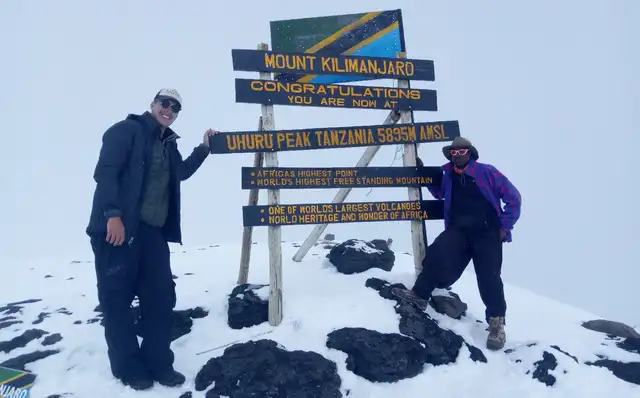
Experience the best Kilimanjaro climb tour with expert tips on routes, training, gear, costs, and safety for a successful summit adventure
Are you planning a Kilimanjaro climb tour and wondering how to make it the most rewarding adventure of your life? Tackling Africa’s highest peak is not just about reaching the summit it’s about preparation, choosing the right route, and embracing the journey through diverse landscapes and climates. From lush rainforests to alpine deserts and finally the icy summit, Kilimanjaro offers an unmatched trekking experience. Success depends on careful planning: selecting a route that matches your fitness level, training months in advance, and packing the right gear for extreme conditions. Timing your climb during the dry seasons ensures safer trails and clearer views, while hiring a reputable, KPAP-certified operator guarantees fair treatment of porters and reliable support. With proper acclimatization, budgeting, and travel insurance, your Kilimanjaro climb tour becomes not just a challenge but a life-changing achievement, blending adventure, culture, and unforgettable memories
Best African safari tours
3 Days Gorilla Trekking Safari in Rwanda
3 Days Chimpanzee Trekking Safari in Nyungwe Forest, Rwanda
4 Days Nyungwe Forest National Park and Lake Kivu Safari
4 Days Golden monkeys And Gorilla Trekking Safari
5 Days Amboseli and Tsavo West Wildlife Safari
6 Days Mount Kilimanjaro Machame Route
8 Day Serengeti, Ngorongoro Crater and Zanzibar
The top Basics for Best Kilimanjaro Climb Tour
1. Choose the Right Route for Your Ability
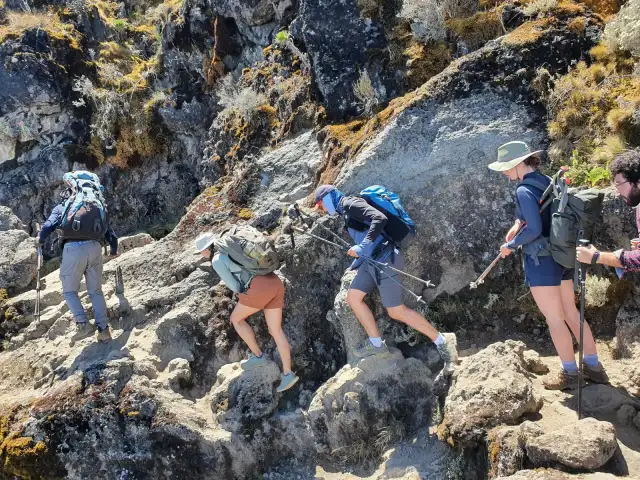
Picking the correct route makes or breaks your Kilimanjaro climb tour. The mountain has seven main routes, each with different difficulty levels and success rates. Marangu is the only route with hut accommodation (no tents), takes 5-6 days, and is considered easiest, but the short duration means lower summit success due to poor acclimatization. Machame (6-7 days) is the most popular "Whiskey Route" with great scenery and higher success rates. Lemosho (7-8 days) offers the best acclimatization and highest success rates with fewer crowds. For your Kilimanjaro climb tour, choose a longer route (7+ days) if you want the best chance of reaching the summit shorter routes rush the altitude adjustment and fail more climbers.
2. Train Physically for 3-6 Months Beforehand
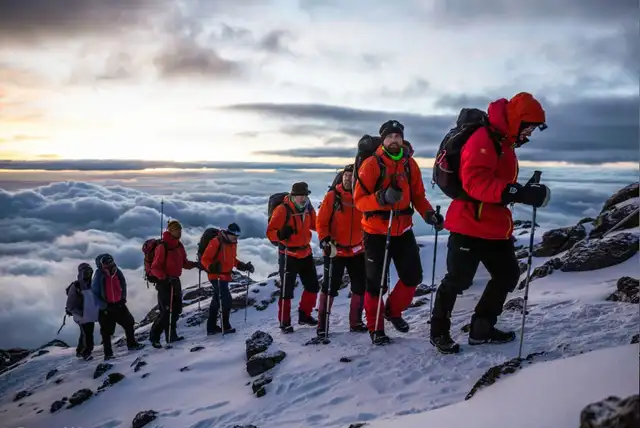
You do not need to be an elite athlete, but you must train seriously before your Kilimanjaro climb tour. Start cardio exercises like running, cycling, or swimming 3-4 months ahead to build stamina. Add leg strength training with squats and lunges. Most importantly, hike regularly while carrying a daypack weighing 5-6 kg (11-13 lbs) to simulate mountain conditions. Break in your hiking boots well before departure—new boots on the mountain guarantee blisters. Many climbers fail not from altitude but from exhaustion. The old saying applies: "Failing to prepare is preparing to fail". A Kilimanjaro climb tour rewards those who put in the physical work months before arrival.
3. Book During Dry Seasons of June-October or January-March
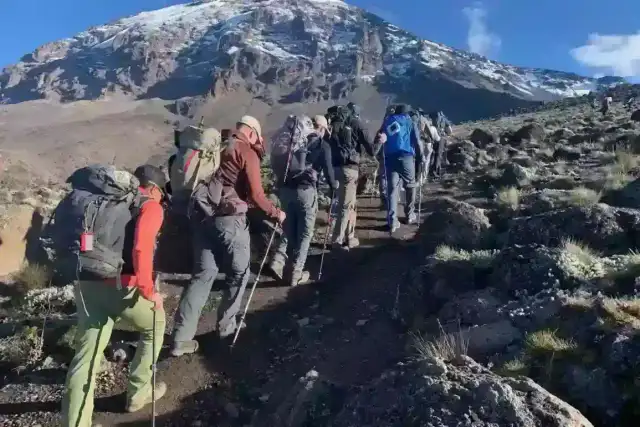
Timing your Kilimanjaro climb tour for dry weather dramatically improves your experience. The best windows are June through October and January through mid-March. During these months, trails stay firm and less muddy, visibility is clear, and rain rarely interrupts your trek. Avoid April, May, and November the rainy seasons turn paths into slippery mud, clouds block views, and wet conditions make the cold feel worse. December also has unpredictable showers. If you book your Kilimanjaro climb tour during the dry season, you also get stable temperatures for summit night, which can drop to -20°C (-4°F) with wind chill. The trade-off is more climbers on the mountain, but better weather outweighs the crowds.
4. Hire a KPAP-Certified Tour Operator
You cannot climb Kilimanjaro without a licensed guide it is the law in Tanzania. For a responsible Kilimanjaro climb tour, choose a company certified by the Kilimanjaro Porters Assistance Project (KPAP). KPAP ensures porters receive fair wages, proper equipment, and reasonable loads (maximum 15-20 kg per porter). Avoid budget operators that cut corners on porter welfare. Expect to pay $1,500-$2,500 for basic packages or $3,000-$5,000 for premium services with private guides and luxury equipment. Your Kilimanjaro climb tour should include park fees, guides, porters, cooks, meals, tents, and sleeping mats. Ask about group size reputable operators provide one guide for every 2-4 climbers.
5. Pack Proper Layered Clothing and Gear
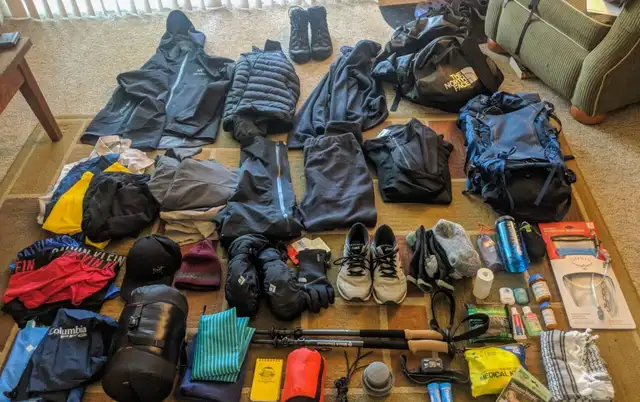
What you pack directly affects whether you finish your Kilimanjaro climb tour comfortably. The mountain has five climate zones, from rainforest at the base to arctic conditions at the summit. Pack moisture-wicking base layers (no cotton it stays wet and cold), insulating mid-layers like fleece, and a waterproof shell jacket and pants. For summit night, you need a down jacket, thermal gloves, a fleece-lined hat, and thick wool socks. Your daypack should hold 3-4 liters of water using a hydration bladder with an insulated hose (regular hoses freeze on summit night). Trekking poles, a headlamp with extra batteries, polarized sunglasses, and a sleeping bag rated for -10°C (14°F) are non-negotiable. Many items are available for rent locally, saving you luggage space.
6. Understand Altitude Sickness Prevention
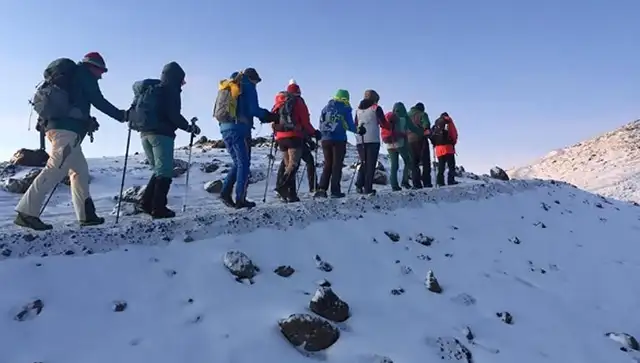
Altitude sickness is the number one reason people fail their Kilimanjaro climb tour. The key rule is "climb high, sleep low" you ascend to a higher point during the day but descend to sleep at a lower altitude. Choose routes with built-in acclimatization days, like Lemosho or Machame. Walk slowly "pole, pole" (slowly, slowly) is the mountain mantra. Drink 3-4 liters of water daily and eat even when you have no appetite. Some climbers take Diamox (acetazolamide), a prescription medication that helps prevent symptoms. Watch for headache, nausea, dizziness, and loss of coordination. If symptoms get severe, the only cure is descending immediately. Your Kilimanjaro climb tour guides carry oxygen and pulse oximeters to monitor you, but you must be honest about how you feel.
7. Budget for All Costs Including Tips
A Kilimanjaro climb tour costs more than just the advertised package price. Basic climbs run $1,500-$2,500, while premium services cost $3,000-$5,000. Park fees alone make up a large portion these are fixed costs that cheap operators sometimes hide. Budget extra for international flights ($800-$1,500 round trip), Tanzania visa ($50-$100), gear rental ($100-$300), and travel insurance covering high-altitude trekking up to 6,000 meters. Tipping your mountain crew is expected and significant: guides receive $20-25 per day, assistant guides $15-20, cooks $10-15, and porters $5-10 each per day. For a 7-day climb with a full crew, tips total $200-$300 per climber. Bring US dollars printed after 2009 older notes are not accepted in Tanzania. Your Kilimanjaro climb tour requires financial planning, not just physical preparation.
8. Get Travel Insurance for High-Altitude Trekking
Standard travel insurance does not cover Kilimanjaro. For your Kilimanjaro climb tour, you must buy a policy specifically covering "high-altitude trekking" up to 6,000 meters. This covers emergency evacuation, which can cost thousands of dollars if you need rescue from the mountain. The policy should also cover medical expenses, trip cancellation, lost baggage, and flight delays. Many climbers overlook this step, but tour operators require proof of coverage before departure. Do not skip this helicopter evacuations from high camps are expensive, and without insurance, you pay the full cost. A good Kilimanjaro climb tour package will remind you to secure this coverage early.
9. Get Required Vaccinations and Visa Early
Health paperwork matters for your Kilimanjaro climb tour. The yellow fever vaccine is required if you are arriving from a country with yellow fever risk, and you must carry the International Certificate of Vaccination. Check your routine vaccines (typhoid, hepatitis A and B, tetanus) are current. Malaria is present at lower elevations, so prophylaxis is recommended for the foothills and your stay in Moshi or Arusha. For entry to Tanzania, you need a visa either an eVisa obtained online before travel or a visa on arrival at the airport ($50-$100, cash in US dollars). Your passport must have at least six months of validity remaining. Sort these requirements out months before your Kilimanjaro climb tour, not weeks. Some vaccinations need multiple doses spaced apart.
10. Plan Recovery Days and Add-On Safari or Beach Time
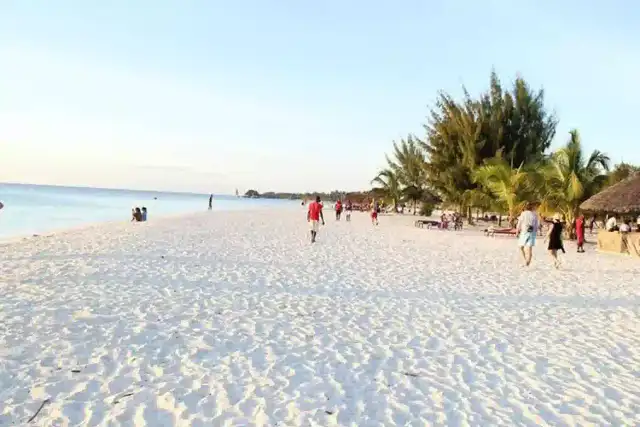
Do not fly home immediately after your Kilimanjaro climb tour your body needs recovery. Summit night involves 10-14 hours of hiking at extreme altitude, often starting at midnight. You will be exhausted, dehydrated, and sore. Book at least one night in a comfortable hotel in Moshi or Arusha with a hot shower and soft bed. Many climbers add a safari in Serengeti or Ngorongoro Crater after the mountain, which lets you rest while sitting in a vehicle watching wildlife. Others fly to Zanzibar for beach recovery on the Indian Ocean. Your Kilimanjaro climb tour can be combined easily with these extensions most operators offer package deals. The mountain is the hard part; reward yourself afterward with relaxation. Plan for 7-10 days total if adding a safari, or 10-14 days if adding Zanzibar
Best routes for Kilimanjaro climb tour
Lemosho and Machame Routes for Highest Success Rates
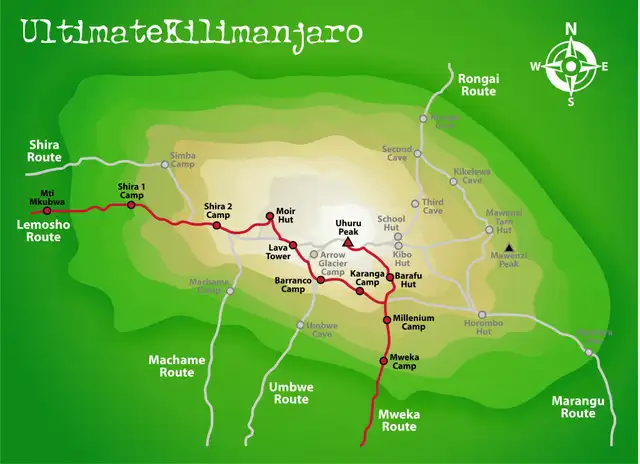
The Lemosho route (7-8 days) is widely considered the best for a Kilimanjaro climb tour because it balances high summit success with low crowds. You start on the western side of the mountain, trek through rainforest and heath zones, and join the main circuit on day four. The longer duration gives you excellent acclimatization, with success rates around 85-90%. The Machame route (6-7 days) is the most popular "Whiskey Route," starting from the south with steeper sections and more scenic variety. Both routes use tented camping and require good fitness. If your main goal for a Kilimanjaro climb tour is reaching the summit, choose Lemosho or Machame over shorter routes. Book Lemosho if you have 8-9 days total; choose Machame if you have only 6-7 days.
Marangu and Rongai Routes for Easier Conditions
The Marangu route (5-6 days) is the only one with hut accommodation instead of tents, making it cheaper and more comfortable for beginners on a Kilimanjaro climb tour. However, the short duration means lower success rates (around 50%) due to poor acclimatization. The Rongai route (6-7 days) starts on the northern, drier side of the mountain near the Kenyan border. It has gentler slopes and fewer crowds, but the scenery is less varied than Machame. Rongai works well for a Kilimanjaro climb tour during the rainy season because the northern side receives less rain. Both routes are easier physically but have lower summit success than Lemosho. For a first-time climber wanting comfort, pick Marangu with an added acclimatization day
Best time to go for Kilimanjaro climb tour
The best time to go for Kilimanjaro climb tour is during the dry seasons, which fall between January to early March and June to October. These months offer clearer skies, stable weather, and better trekking conditions, making the climb safer and more enjoyable. While temperatures can still be cold at higher altitudes, the reduced rainfall means trails are less slippery, and the views from the summit are breathtaking. Choosing the best time to go for Kilimanjaro climb tour also increases your chances of reaching the peak successfully, as unpredictable weather is minimized.
On the other hand, the rainy seasons from April to May and November present challenges with muddy trails and clouded views, though they do provide solitude for climbers seeking fewer crowds. The best time to go for Kilimanjaro climb tour therefore depends on whether you prioritize clear skies and higher success rates or quieter trails with lush scenery. Many climbers prefer the dry months for reliability, but adventurous trekkers may enjoy the unique atmosphere of the off-season. Ultimately, selecting the best time to go for Kilimanjaro climb tour ensures your experience matches your expectations and trekking style
How to get there for Kilimanjaro climb tour
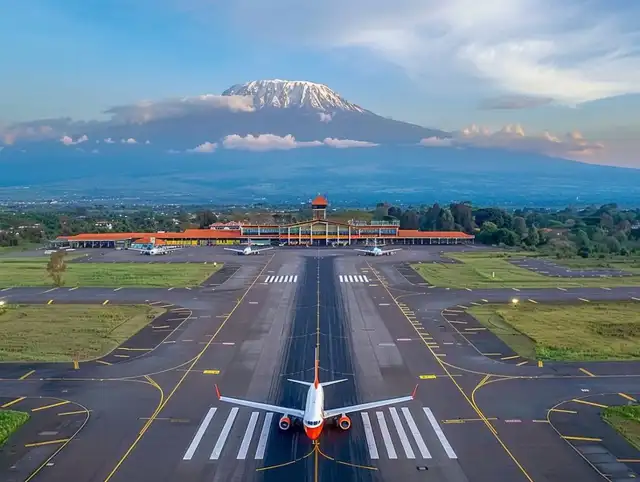
Mount Kilimanjaro is located in northern Tanzania within Kilimanjaro National Park, and the easiest way to reach it is by flying directly into Kilimanjaro International Airport (JRO), situated about 45 minutes from Moshi and 90 minutes from Arusha. International flights connect through hubs like Nairobi (Kenya), Addis Ababa (Ethiopia), Doha, and Istanbul, making access relatively straightforward. Once in Tanzania, climbers typically stay in Moshi or Arusha, where guides and outfitters provide briefings, gear checks, and transport to the park gates. Road transfers from Dar es Salaam or Nairobi are also possible, though longer. Choosing a reliable operator ensures smooth logistics from airport pickup to the start of your trek, making your Kilimanjaro climb tour both safe and well-organized
What to pack when going for Kilimanjaro climb tour
For a Kilimanjaro climb tour, packing should balance warmth, comfort, and practicality across the mountain’s five climate zones. Essential items include layered clothing moisture-wicking base layers, insulating fleece or down jackets, and a waterproof shell to adapt to shifting temperatures. Sturdy, broken-in hiking boots with gaiters are crucial for traction, while warm gloves, hats, and summit socks protect against freezing conditions. A four-season sleeping bag, trekking poles, and a reliable headlamp ensure comfort and safety. Don’t forget hydration gear like bottles or a bladder, purification tablets, sunscreen, lip balm, and energy snacks. A compact first-aid kit with blister plasters is vital, and a duffel bag carried by porters plus a daypack for personal items completes the packing list
Places to sleep, eat and drink while on a Kilimanjaro climb tour
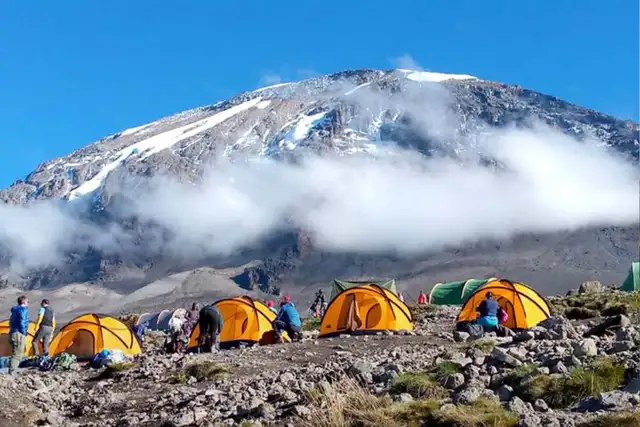
On a Kilimanjaro climb tour, accommodation is provided in mountain camps along the designated routes, with tents set up by porters since there are no lodges on the mountain itself. Meals are prepared by the trekking crew, typically consisting of hearty, energy-rich dishes like soups, rice, pasta, vegetables, and meats to sustain climbers through the demanding trek. Drinking water is sourced from mountain streams and treated by guides, while climbers are encouraged to carry purification tablets or filters for added safety. In base towns such as Moshi and Arusha, before and after the climb, travelers can enjoy comfortable hotels, guesthouses, and restaurants offering a wide range of local and international cuisine, making the overall experience both rugged and rewarding
Booking Kilimanjaro climb tour with Lamz Tours and Travel
Booking a Kilimanjaro climb tour with Lamz Tours and Travel is a seamless process designed to give travelers confidence and convenience from the start. As a trusted safari and adventure operator, Lamz Tours and Travel handles all logistics including permits, guides, porters, meals, and accommodation before and after the trek. Travelers simply reach out to the company to discuss preferred routes, dates, and group sizes, and the team provides tailored itineraries that match fitness levels and expectations. From airport transfers to gear recommendations, everything is organized to ensure a safe and memorable climb. Choosing Lamz Tours and Travel means you benefit from expert planning, local knowledge, and personalized support, making your Kilimanjaro adventure both well-prepared and unforgettable
Ready to plan your safari?
Talk to a Lamz Tours specialist and get a tailor-made quote.
Make an enquiry