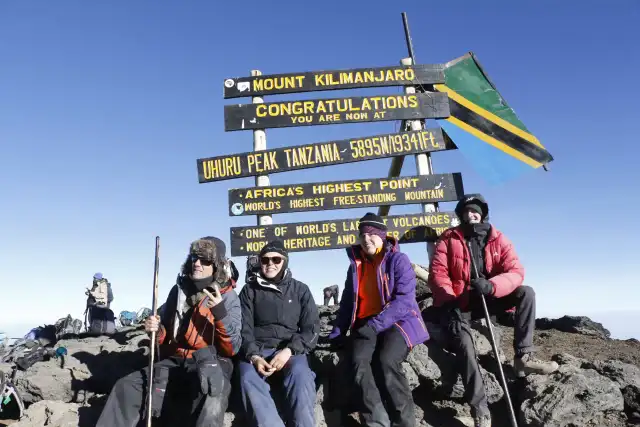
Practical tips on how to conquer Kilimanjaro safari in fewer days with smart routes, training, acclimatization, hydration, and combined safari options
Wondering how to conquer Kilimanjaro in just a few days on a Kilimanjaro safari? The key lies in smart planning, choosing the right route, and preparing your body for the challenge. While the mountain is demanding, options like the 5-day or 6-day Marangu Route make it possible to attempt a faster climb, with huts reducing the need for heavy camping gear. Success depends on pacing yourself, acclimatizing properly, and staying hydrated. Adding strategies such as training before arrival, using Diamox under medical guidance, or acclimatizing on Mount Meru can greatly improve your chances. Packing light, renting gear locally, and following the “Pole Pole” technique keep energy levels steady. For those seeking both adventure and efficiency, combining a quick climb with a wildlife safari afterward ensures your Kilimanjaro safari is rewarding, practical, and memorable
Best Kilimanjaro safari tours
5-days-mount-kilimanjaro-marangu-route
6-days-mount-kilimanjaro-machame-route
7-day-climbing-kilimanjaro-via-the-machame-route
8-days-kilimanjaro-climbing-safari-lemosho-route-mount
9-days-kilimanjaro-climb-lemosho-route
12-days-mount-kilimanjaro-climb-and-tanzania-safari-tour
5-days-mount-kilimanjaro-marangu-route
5-days-mt-kilimanjaro-safari-hiking-via-marangu-route-all-inclusive-packages
6-days-mount-kilimanjaro-machame-route
7-days-kilimanjaro-climbing-tour-via-the-lemosho-route
8-days-rongai-route-mt-kilimanjaro-climb-and-hike
9-days-kilimanjaro-climb-lemosho-route
How to Conquer Kilimanjaro in Few Days Possible on Kilimanjaro Safari
1. Choose the 5-Day Marangu Route for Pure Speed
The 5-day Marangu Route is the fastest and most affordable way to attempt Kilimanjaro safari. It is less steep compared to other trails, and the huts along the route mean you don’t need to carry heavy camping gear, making the trek lighter and quicker. However, the rapid ascent reduces acclimatization time, leading to a low summit success rate. Many climbers underestimate how challenging altitude can be when rushing. If your priority is saving time and cost, this option works, but you must accept the risk of not reaching the summit. For those determined to try a short climb, the 5-day Marangu remains the quickest Kilimanjaro safari choice, though success is far from guaranteed.
2. Choose the 6-Day Marangu Route for a Better Success Rate
Adding one extra day on the Marangu Route greatly improves your chances of success on Kilimanjaro safari. The 6-day itinerary includes an acclimatization day at Horombo Hut, where you hike higher before returning to sleep lower. This “climb high, sleep low” strategy is vital for adjusting to altitude. The extra day allows your body to adapt, reducing the risk of altitude sickness and increasing summit success rates. While it costs slightly more than the 5-day option, the improved safety and higher likelihood of reaching Uhuru Peak make it worthwhile. For climbers who want speed but also a realistic chance of success, the 6-day Marangu is the smarter Kilimanjaro safari choice.
3. Prepare Physically Before You Arrive
Fitness preparation is essential for anyone attempting a short Kilimanjaro safari. Altitude sickness can affect anyone, but being physically strong helps you manage long days of hiking. You should be comfortable walking 5–7 hours on steep terrain with a daypack. Training should focus on cardio endurance through running or cycling, and leg strength through stair climbing or weighted hikes. Arriving in good shape makes the trek less exhausting and more enjoyable. Without preparation, even the shorter routes can feel overwhelming. For climbers aiming to conquer Kilimanjaro safari in fewer days, physical readiness is one of the most important factors for success.
4. Acclimatize on Mount Meru First
A smart tactic before starting Kilimanjaro safari is to acclimatize on Mount Meru. At 4,566m, Meru gives your body a chance to adjust to altitude by producing more red blood cells. Spending 2–3 days trekking here reduces the risk of altitude sickness when you move on to Kilimanjaro. Though less common, this strategy is backed by medical research and can make a big difference. It requires extra time, but the payoff is better health and higher success rates. For climbers who want to attempt Kilimanjaro safari quickly, acclimatizing on Mount Meru first is a powerful way to prepare your body for the challenge.
5. Get a Prescription for Diamox
Diamox is a medication often used to prevent altitude sickness during Kilimanjaro safari. It works by stimulating breathing, helping your body take in more oxygen. A typical dose is 125mg at night, starting the day before your climb. While effective, it can cause side effects like tingling in fingers and toes. Always consult your doctor before using it. Many climbers find Diamox improves their ability to handle rapid ascents, especially on shorter routes. For those attempting Kilimanjaro safari in fewer days, Diamox can be a valuable tool to increase comfort and reduce risks, though it should never replace proper acclimatization.
6. Master the Pole Pole Technique
“Pole Pole,” meaning “slowly, slowly” in Swahili, is the golden rule of Kilimanjaro safari. On fast climbs, pacing yourself is non-negotiable. Walking slower than you think necessary helps control breathing and heart rate, reducing strain on your body. Many climbers fail by rushing and then collapsing from exhaustion. A steady, deliberate pace allows your body to adjust to altitude and keeps energy levels consistent. Even if you feel strong, resist the urge to speed up. For anyone aiming to complete Kilimanjaro safari in fewer days, mastering the Pole Pole technique is the most effective way to protect your health and improve summit chances.
7. Hydrate Like a Champion
Hydration is one of the simplest yet most effective ways to fight altitude sickness during Kilimanjaro safari. Drinking 4–5 liters of water daily helps regulate body temperature, metabolize medications like Diamox, and maintain energy. Start early and sip consistently throughout the day. Avoid alcohol and sleeping pills, as they can worsen altitude symptoms. Many climbers underestimate hydration, but it directly impacts performance and recovery. Carry a reusable water bottle or hydration pack to make drinking easier. For those attempting Kilimanjaro safari quickly, proper hydration is a critical step to staying strong and reducing risks at high altitude.
8. Pack Light and Rent Gear Locally
Packing light is essential for a short Kilimanjaro safari. Porters carry your main duffel bag, but your daypack should only include water, snacks, a rain jacket, and an extra warm layer. Heavy packs slow you down and drain energy. Expensive gear like sleeping bags and insulated jackets can be rented in Moshi or Arusha, saving money and reducing luggage hassle. Traveling light makes long days less exhausting and keeps you focused on the climb. For climbers aiming to complete Kilimanjaro safari in fewer days, smart packing and renting locally are practical ways to stay efficient and avoid unnecessary strain.
9. For Ultrarunners The Umbwe Sprint (Expert Level)
The Umbwe Route is the toughest and steepest option for Kilimanjaro safari. It’s the route used for speed records, with Karl Egloff completing it in under 5 hours. For most climbers, a 5–6 day trek on Umbwe is still extremely demanding and suitable only for experienced mountaineers. The steep ascent leaves little room for acclimatization, making success rates low. While it offers direct access to the Southern Glaciers, it is not recommended for beginners. For ultrarunners or expert climbers, Umbwe provides the fastest Kilimanjaro safari challenge, but it comes with high risks and requires exceptional fitness and preparation.
10. Combine Your Quick Climb with a Safari Reward
After completing a fast Kilimanjaro safari, rewarding yourself with a wildlife safari is a perfect way to balance effort with relaxation. Many operators offer combined packages, allowing you to climb Kilimanjaro and then visit Tarangire, Lake Manyara, Ngorongoro Crater, or Serengeti. This combination fits into 10–14 days, giving you both the mountain and the wildlife experience. It’s a practical way to maximize your time in Tanzania, as most treks end in Arusha, the hub for northern safaris. For climbers who want both adventure and recovery, combining Kilimanjaro safari with a traditional safari ensures a complete and memorable trip
Best time to travel for Kilimanjaro safari
The most reliable time for a Kilimanjaro safari is during the dry seasons, which run from January to March and June to October. These months provide stable weather, clearer skies, and safer trekking conditions. Trails are less muddy, visibility is excellent, and summit success rates are higher. June to October is the busiest period, coinciding with summer holidays, so expect more climbers on popular routes. January to March offers fewer crowds, colder summit temperatures, and the chance of snow at the peak, which adds dramatic scenery. For anyone planning a Kilimanjaro safari, these dry months give the best balance of safety, comfort, and success.
Another good option for a Kilimanjaro safari is the shoulder season in December, just after the short rains. The mountain is greener, trails are quieter, and prices can be slightly lower compared to peak months. April and May, the long rainy season, are generally avoided due to slippery paths and poor visibility, though budget travelers may find discounts. November, with short rains, can also be manageable for experienced trekkers who don’t mind occasional showers. Choosing the right season depends on whether you prioritize fewer crowds, lower costs, or the highest chance of reaching the summit. With smart timing, a Kilimanjaro safari becomes both affordable and rewarding
How to get there for Kilimanjaro safari
The easiest way to get to a Kilimanjaro safari is by flying into Kilimanjaro International Airport (JRO), which sits between Moshi and Arusha in northern Tanzania. This airport connects with major hubs like Nairobi, Addis Ababa, Doha, and Amsterdam, making it accessible from both regional and international destinations. From JRO, it’s about an hour to Moshi or two hours to Arusha, the main towns where most Kilimanjaro safari tours are organized. Tour operators usually arrange transfers from these towns to the mountain gates, ensuring a smooth start to your climb.
Another option for reaching a Kilimanjaro safari is flying into Julius Nyerere International Airport (DAR) in Dar es Salaam or Jomo Kenyatta International Airport (NBO) in Nairobi, then connecting via domestic flights or buses to Moshi or Arusha. While this route can take longer, it may be more affordable depending on your international flight deals. Once in Moshi or Arusha, local operators handle logistics, including transport, guides, and permits. Choosing the right entry point depends on your budget and convenience, but starting from JRO remains the most practical and cost-effective way to begin a Kilimanjaro safari
Booking Kilimanjaro safari with Lamz Tours and Travel
Booking a Kilimanjaro safari with Lamz Tours and Travel is simple, transparent, and tailored to your needs. As a trusted local operator, Lamz Tours and Travel handles all logistics including permits, guides, porters, meals, and accommodation, ensuring you focus on the climb and safari experience rather than the details. Starting from Moshi or Arusha, they organize routes like Marangu, Machame, or Umbwe, and combine them with wildlife safaris in Serengeti, Ngorongoro Crater, Tarangire, or Lake Manyara. By booking directly, you avoid middleman costs and gain flexibility to customize your itinerary. Whether you want a short climb or a longer trek followed by a safari extension, Lamz Tours and Travel provides clear pricing and reliable service. For anyone planning a Kilimanjaro safari, booking with Lamz Tours and Travel guarantees affordability, professional support, and authentic experiences that benefit local communities
Ready to plan your safari?
Talk to a Lamz Tours specialist and get a tailor-made quote.
Make an enquiry