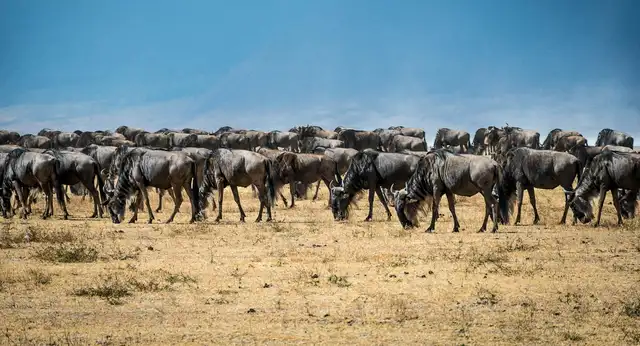
With dozens of Kenya safari tours and operators to choose from, the right one comes down to matching a handful of practical decisions, budget, parks, timing, and accommodation style, to what you actually want out of the trip. Get these right and the operator you pick almost chooses itself. Here is how to work through it.
As a starting point, Kenya safaris range from roughly 250 to over 1,100 US dollars per person per day, depending on the level of comfort, so setting a budget early narrows the field quickly.
Popular Kenya Safari Packages
How to Choose the Best Kenya Safari Tours
1. Set Your Budget First
Establish a clear budget before comparing tours, factoring in accommodation, park fees, transport, meals, and activities together rather than looking at headline prices alone. Budget safaris typically use camping or basic lodges, mid-range tours balance comfort and affordability, and luxury safaris add private guides, upscale lodges, and extras like hot air balloon rides. Knowing which tier you want before you start comparing operators saves a lot of back-and-forth.
2. Choose Parks Based on What You Want to See
Decide what matters most, the Great Migration, Big Five density, elephants against Kilimanjaro, flamingos, or rare northern species, and pick parks accordingly rather than trying to fit in every reserve. Balancing an expensive park like the Masai Mara with a more budget-friendly one such as Tsavo East and West is a common way to see a variety of landscapes without inflating the cost of the whole trip.
3. Match Accommodation to Your Travel Style
Kenya safari accommodation ranges from budget-friendly campsites to mid-range tented camps to luxury lodges with panoramic views, and each shapes the trip differently. Camps positioned close to migration routes or river crossings cost more but put you closer to the action, while lodges further from the gate are usually cheaper and still deliver strong game viewing.
4. Decide Between Road Transfers and Domestic Flights
Road transfers to destinations like the Masai Mara or Amboseli are cheaper but can involve long, bumpy drives, while domestic flights connect Nairobi to airstrips near major safari areas, saving time and adding spectacular aerial views at a higher cost. This choice affects both your budget and how many days you actually spend viewing wildlife versus travelling between parks.
5. Time Your Trip to Match Your Priorities
June to October is dry season and peak travel, ideal for the Great Migration, but affordable options still exist if you book early or choose camps outside the main reserve gates. The shoulder and green seasons offer lower rates and thinner crowds while still delivering strong wildlife sightings, so decide whether the migration specifically matters to you before locking in dates.
6. Vet the Tour Operator Carefully
Research operators through reviews on sites like TripAdvisor or SafariBookings, and favour local operators who combine transport, park fees, guides, and accommodation into one clear price, rather than international agents adding markups. A reputable operator should offer clear, detailed itineraries, transparent inclusions and exclusions, and responsive communication before you commit to booking.
Weather and Climate
Most of Kenya's safari parks are warm and relatively dry from June to October and January to February, with daytime temperatures often between 20°C and 27°C. The wetter months, March to May and November, bring cooler, greener landscapes and regular afternoon showers, worth packing a waterproof jacket for regardless of season.
Best Time to Go
June to October remains the most popular window for wildlife viewing and the Great Migration, while January and February offer warm, dry conditions well suited to birdwatching and rhino sightings at Lake Nakuru. Choose your season based on the priorities set out above rather than defaulting to the busiest months.
How to Get There
Kenya's gateway is Jomo Kenyatta International Airport (NBO) in Nairobi, from where most parks are reached by road transfer or a short domestic flight, depending on the choice you made in point 4 above.
Health and Safety Tips
A yellow fever vaccination is commonly required or recommended depending on your routing into Kenya, and malaria risk exists across most safari areas, so discuss prophylaxis with your doctor before travel. Confirm your chosen operator's safety measures and vehicle standards before booking, and carry comprehensive travel insurance covering trip cancellation and medical evacuation.
Why Book Your Kenya Safari with Lamz Tours and Travel
Lamz Tours and Travel is a locally based operator offering tailored Kenya safari itineraries across budget, mid-range, and luxury tiers, with transparent pricing that bundles transport, park fees, guides, and accommodation into one clear package. Contact us at info@Lamz Tours and Travel.com or +000 000 000 000 and we will help you choose the right Kenya safari tour for your budget and priorities.
Ready to plan your safari?
Talk to a Lamz Tours specialist and get a tailor-made quote.
Make an enquiry