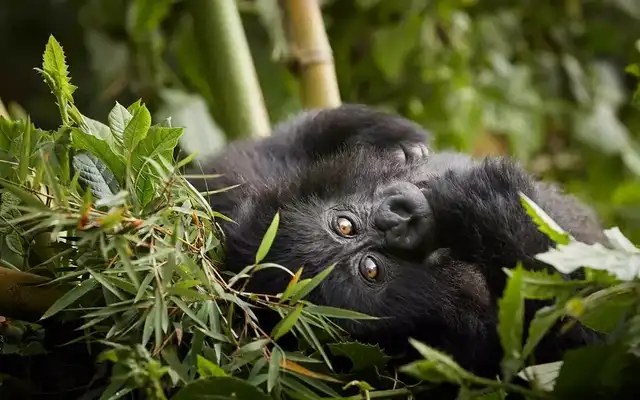
How to Avoid Common Mistakes on Rwanda Gorilla Trekking and Tanzania Safari. Let’s learn how to avoid common mistakes on your Rwanda gorilla trekking and Tanzania safari. Learn essential tips for a seamless adventure, from packing essentials to budgeting and paperwork.
Popular Gorilla Trekking and Tanzania Safari Packages
3 Days Gorilla Trekking Safari in Rwanda
3 Days Chimpanzee Trekking Safari in Nyungwe Forest, Rwanda
4 Days Nyungwe Forest National Park and Lake Kivu Safari
4 Days Golden monkeys And Gorilla Trekking Safari
5 Days Amboseli and Tsavo West Wildlife Safari
6 Days Mount Kilimanjaro Machame Route
8 Day Serengeti, Ngorongoro Crater and Zanzibar
Why you should avoid these common mistakes?
Going on a Rwanda gorilla trekking and Tanzania safari is a dream for many adventure tourists. But, like any great adventure, it comes with its own set of challenges. Did you know that over 50% of tourists make at least one major mistake during their Rwanda gorilla trekking and Tanzania safari trips? Whether it’s forgetting essential gear or underestimating the budget, these errors can dampen your experience. Let’s dive into how you can avoid these common pitfalls and ensure your Rwanda gorilla trekking and Tanzania safari is nothing short of spectacular.
How fit do I need to be for Gorilla Trekking and Tanzania Safari?
Gorilla trekking in Rwanda is an exhilarating experience, but it can be physically demanding. Many tourists worry about their fitness levels. The good news is, that you don’t need to be an athlete to enjoy this gorilla trekking and Tanzania safari adventure. With proper preparation and realistic expectations, anyone can participate in a Rwanda gorilla trekking and Tanzania safari. Here are some tips to help you prepare:
- Start Training Early: Begin a fitness routine at least a few months before your trip. Focus on cardio and leg strength exercises.
- Hire a Porter: Porters can carry your gear and provide support during the trek.
- Take It Slow: Don’t rush. The trek is not a race, and taking your time will enhance your experience.
Even if you’re not super fit, you can still enjoy a Rwanda gorilla trekking and Tanzania safari. The key is to start preparing early. Begin a fitness routine that includes cardio and leg strength exercises. This will help you build the stamina needed for the trek. Additionally, consider hiring a porter. Porters can carry your gear and provide support during the trek, making it easier for you to focus on the experience. Remember, the trek is not a race. Take your time and enjoy the journey. By following these tips, you’ll be well-prepared for your Rwanda gorilla trekking and Tanzania safari.
What Essentials Do I Need for My Gorilla Trekking and Tanzania Safari?
Forgetting essential items can turn your dream safari into a nightmare. Packing the right gear is crucial for a successful Rwanda gorilla trekking and Tanzania safari. Here’s a checklist to ensure you have everything you need:
- Camera and Extra Batteries: Capture those once-in-a-lifetime moments.
- Binoculars: Essential for spotting wildlife from a distance.
- Comfortable Clothing: Lightweight, breathable, and neutral-colored clothing is best.
- First Aid Kit: Include basic medical supplies and any personal medications.
- Insect Repellent: Protect yourself from mosquitoes and other insects.
Packing the right gear is essential for a successful Rwanda gorilla trekking and Tanzania safari. Start with a good camera and extra batteries. You’ll want to capture those once-in-a-lifetime moments. Binoculars are also essential for spotting wildlife from a distance. Comfortable clothing is a must. Choose lightweight, breathable, and neutral-colored clothing. This will keep you comfortable and help you blend in with the environment. Don’t forget a first aid kit. Include basic medical supplies and any personal medications. Insect repellent is also crucial. Protect yourself from mosquitoes and other insects. By packing these essentials, you’ll be well-prepared for your Rwanda gorilla trekking and Tanzania safari.
When’s the Best Time for Gorilla Trekking and Tanzania Safari?
Timing your trip is crucial for a successful Rwanda gorilla trekking and Tanzania safari. The weather can significantly impact your experience. Here’s what you need to know:
- Dry Season (June to September): Ideal for both gorilla trekking and Tanzania safaris. The weather is pleasant, and wildlife is easier to spot.
- Wet Season (March to May): While the landscape is lush and beautiful, trekking can be challenging, and some roads may be impassable.
- Shoulder Seasons (October to November): These months offer a balance between good weather and fewer crowds.
Choosing the right time for your Rwanda gorilla trekking and Tanzania safari is crucial. The dry season, from June to September, is ideal for both gorilla trekking and Tanzania safaris. The weather is pleasant, and wildlife is easier to spot. However, the wet season, from March to May, has its charm. The landscape is lush and beautiful, but trekking can be challenging, and some roads may be impassable. The shoulder seasons, from October to November, offer a balance between good weather and fewer crowds. By timing your trip right, you’ll have a more enjoyable Rwanda gorilla trekking safari and Tanzania safari.
How Much Should I Set Aside for Gorilla Trekking and Tanzania Safari?
Budgeting for a Rwanda gorilla trekking and Tanzania safari can be tricky. Costs can add up quickly, and it’s essential to plan accordingly. Here’s a breakdown of the main expenses:
- Gorilla Permits: These can cost around $1,500 per person for foreign non-residents, $500 for foreign residents and $200 for East African Citizens.
- Accommodation: Prices vary widely, from budget lodges to luxury camps.
- Game Drives: Expect to pay between $50 to $200 per drive.
- Transportation: Include costs for flights, car rentals, and transfers.
- Miscellaneous: Don’t forget about tips, souvenirs, and additional activities.
Budgeting for a Rwanda gorilla trekking and Tanzania safari can be challenging. Gorilla permits alone can cost around $1,500 per person for foreign non-residents, $500 for foreign residents and $200 for East African Citizens. Accommodation prices vary widely, from budget lodges to luxury camps. Game drives can cost between $50 to $200 per drive. Don’t forget to include transportation costs, such as flights, car rentals, and transfers. Miscellaneous expenses, like tips, souvenirs, and additional activities, can also add up. By planning your budget carefully, you’ll be better prepared for your Rwanda gorilla trekking and Tanzania safari.
What Visa Requirements Do I Need for Gorilla Trekking and Tanzania Safari?
Navigating visa requirements can be daunting, but it’s a crucial part of planning your Rwanda gorilla trekking and Tanzania safari. Here’s what you need to know:
- Rwanda Visa: Most travelers can obtain a visa on arrival or apply online.
- Tanzania Visa: Similar to Rwanda, visas can be obtained on arrival or online.
- East African Tourist Visa: This visa allows multiple entries to Rwanda, Uganda, and Kenya, making it a convenient option if you’re visiting multiple countries.
Visa requirements are an essential part of planning your Rwanda gorilla trekking and Tanzania safari. Most travelers can obtain a Rwanda visa on arrival or apply online. Similarly, Tanzania visas can be obtained on arrival or online. The East African Tourist Visa is a convenient option if you’re visiting multiple countries. It allows multiple entries to Rwanda, Uganda, and Kenya. By understanding the visa requirements, you’ll be better prepared for your Rwanda gorilla trekking and Tanzania safari.
Check out our blog post on Best Visa Guide for Gorilla Trekking in Volcanoes National Park Rwanda.
How Near Can I Get to Gorillas and Big Five on Gorilla Trekking and Tanzania Safari?
Getting close to the mountain gorillas and the African Big Five is a highlight of any Rwanda gorilla trekking and Tanzania safari. However, it’s essential to follow guidelines to ensure a safe and respectful encounter:
- Maintain Distance: Stay at least 7 meters away from the gorillas.
- Follow Your Guide’s Instructions: Guides are trained to ensure both your safety and the gorillas’ well-being.
- Stay Calm and Quiet: Sudden movements and loud noises can startle the gorillas.
Getting close to the mountain gorillas and the African Big Five is a highlight of any Rwanda gorilla trekking and Tanzania safari. However, it’s essential to follow guidelines to ensure a safe and respectful encounter. Maintain a distance of at least 7 meters from the mountain gorillas. Follow your guide’s instructions, as they are trained to ensure both your safety and the gorillas’ well-being. Stay calm and quiet, as sudden movements and loud noises can startle the gorillas. By following these guidelines, you’ll have a more enjoyable Rwanda gorilla trekking and Tanzania safari.
What to Wear (and Not Wear) on Gorilla Trekking and Tanzania Safari
Dressing appropriately is key to a comfortable and successful Rwanda gorilla trekking and Tanzania safari. Here’s what to wear and what to avoid:
- Wear Neutral Colors: Avoid bright colors that can attract insects or disturb wildlife.
- Comfortable Footwear: Sturdy hiking boots for trekking and comfortable shoes for game drives.
- Layer Up: Mornings can be chilly, but it warms up during the day.
- Avoid Perfumes: Strong scents can attract insects.
Dressing appropriately is key to a comfortable and successful Rwanda gorilla trekking and Tanzania safari. Wear neutral colors to avoid attracting insects or disturbing wildlife. Comfortable footwear is essential. Choose sturdy hiking boots for trekking and comfortable shoes for game drives. Layer up, as mornings can be chilly, but it warms up during the day. Avoid perfumes, as strong scents can attract insects. By dressing appropriately, you’ll be more comfortable during your Rwanda gorilla trekking and Tanzania safari.
Who and How Much Should I Tip During My Gorilla Trekking and Rwanda Safari?
Tipping can be a source of anxiety for many travellers. Here’s a guide to help you navigate tipping during your Rwanda gorilla trekking and Tanzania safari:
- Guides and Trackers: $10 or more per person per day.
- Porters: $5 or more per person per day.
- Lodge Staff: $5 or more per person per day.
- Drivers: $10 or more per person per day.
How to Get There and Away on Rwanda Gorilla Trekking and Tanzania Safari
Getting to Rwanda for gorilla trekking typically involves flying into Kigali International Airport. From there, you can take a domestic flight or drive to Volcanoes National Park. The drive from Kigali to the park takes about 2-3 hours and offers scenic views of the Rwandan countryside. For Tanzania safaris, Kilimanjaro International Airport and Julius Nyerere International Airport
Where to Sleep on Gorilla Trekking and Tanzania Safari?
Accommodation options for Rwanda gorilla trekking and Tanzania safari range from budget to luxury. In Rwanda, you can find lodges and campsites near Volcanoes National Park, offering comfortable stays with stunning views. Tanzania offers a wide range of accommodations, from budget campsites to luxury lodges and tented camps. Whether you prefer a rustic experience or a luxurious retreat, there are options to suit every preference and budget on gorilla trekking and Tanzania safari.
Feel free to contact our team to start planning your Rwanda gorilla trekking and Tanzania safari today.
Ready to plan your safari?
Talk to a Lamz Tours specialist and get a tailor-made quote.
Make an enquiry