How much a safari in Africa Tanzania costs, including budget, mid-range, and luxury options, plus factors that affect overall safari prices.
The cost of a safari in Africa Tanzania varies depending on the travel season, accommodation standard, number of safari days, and whether you choose a private or group trip. A budget safari in Africa Tanzania can cost between $250 and $450 per person per day, while mid-range options usually range from $450 to $800. Luxury safaris often start from $900 per day and can exceed $2,000 depending on the lodges and services included. Park entrance fees, transportation, accommodation, meals, and guiding services are commonly included in safari packages. Travel during the peak season generally costs more than visiting during the low season. By choosing the right itinerary, travel dates, and accommodation level, visitors can find a safari package that matches both their expectations and budget.
Best Tanzania safari packages
How Much Does a Safari in Africa Tanzania Cost Now?
1. Average Cost of a Safari in Tanzania
The cost of a safari in Africa Tanzania depends on the number of days, travel season, accommodation level, and whether you choose a private or group trip. In 2026, most travelers spend between $250 and $1,500 per person per day, depending on the style of safari they prefer. A budget safari in Africa Tanzania usually costs between $250 and $400 per day, while mid-range safaris range from $450 to $800 per day. Luxury experiences often start from $900 per day and can exceed $2,000 per day. These prices commonly include accommodation, meals, park fees, transportation, and a professional guide. International flights, visas, tips, and personal expenses are often charged separately. Understanding these general price ranges helps travelers create a realistic budget before planning their safari.
2. Budget Safari Costs
A budget safari in Africa Tanzania is suitable for travelers looking to reduce expenses while still enjoying wildlife viewing. Most budget packages use public campsites, simple lodges, or basic tented camps. A typical budget safari in Africa Tanzania costs between $250 and $450 per person per day. Group departures usually offer the lowest rates because vehicle and guide costs are shared among several travelers. Popular destinations such as Serengeti, Tarangire, and Ngorongoro can still be included within a budget itinerary. While accommodation may be simple, visitors still benefit from professional guides and access to major wildlife areas. Budget safaris are especially attractive for solo travelers, students, and couples seeking good wildlife experiences without paying premium rates for accommodation and exclusive services.
3. Mid-Range Safari Costs
A mid-range safari in Africa Tanzania is often the most popular choice because it balances comfort and value. Travelers can expect comfortable lodges, private bathrooms, good meals, and reliable safari vehicles. Most mid-range packages place the cost of a safari in Africa Tanzania between $450 and $800 per person per day. This level is suitable for couples, families, and first-time visitors who want a comfortable experience without moving into luxury pricing. Mid-range safaris often include private game drives, experienced guides, quality accommodations, and visits to famous parks such as Serengeti National Park and Ngorongoro Conservation Area. Many travelers find that this category offers the best overall value because it provides good services while remaining within a manageable budget for most international visitors.
4. Luxury Safari Costs
Those seeking top accommodation and personalized services will find that a luxury safari in Africa Tanzania comes at a higher cost. Luxury lodges, premium tented camps, charter flights, and exclusive wildlife areas contribute to the price. A luxury safari in Africa Tanzania generally starts from $900 per person per day and can exceed $3,000 depending on the lodge and season. Guests often enjoy spacious suites, fine dining, private guides, and personalized services. Some luxury camps are located in remote wildlife areas with limited visitor numbers, creating a more private experience. These safaris often appeal to honeymooners, photographers, and travelers celebrating important occasions. Although the cost is higher, many guests value the comfort, service quality, and access to less crowded wildlife areas
5. Costs During Peak Season
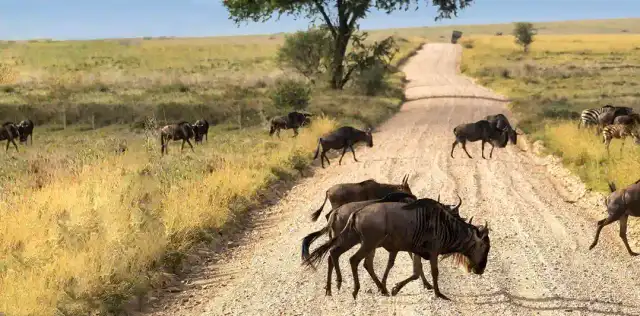
Travel dates have a major impact on the cost of a safari in Africa Tanzania. The peak season usually runs from June to October when wildlife viewing conditions are excellent and visitor numbers are high. During this period, a safari in Africa Tanzania can cost significantly more because lodges, camps, and safari operators experience stronger demand. Accommodation rates often increase, especially in Serengeti during the Great Migration period. Travelers visiting during these months should book well in advance to secure preferred lodges and better prices. While costs are higher, many visitors choose the peak season because of excellent wildlife viewing, dry weather, and the opportunity to witness large movements of wildebeest and zebra across northern Tanzania's famous wildlife areas.
6. Costs During the Low Season
Travelers looking to save money may consider visiting during the low season. A safari in Africa Tanzania during March, April, and May often costs less because these months receive more rainfall and attract fewer visitors. Lodges commonly offer discounts, making a safari in Africa Tanzania more affordable compared to peak season. Budget-conscious travelers can benefit from lower accommodation rates while still enjoying wildlife viewing opportunities. The landscapes are greener, and visitor numbers are lower, creating a quieter experience. Although some roads may become muddy and occasional rain showers occur, many parks remain accessible. For travelers whose priority is value rather than peak wildlife conditions, the low season can provide significant savings without sacrificing the overall safari experience.
7. Park Fees and Conservation Charges
When planning a safari in Africa Tanzania, it is important to understand that park entrance fees form a large part of the total cost. Most major parks charge daily conservation fees, which are included in many safari packages. A safari in Africa Tanzania often includes park fees ranging from approximately $70 to $83 per adult per day in major parks. Special areas such as Ngorongoro also include additional conservation and crater descent charges. These fees support wildlife protection, park management, and conservation efforts. Travelers comparing safari quotations should always check whether park fees are already included. Understanding these charges helps visitors accurately compare different safari offers and avoid unexpected expenses when planning their Tanzania holiday.
8. How Safari Length Affects the Cost
The duration of a safari in Africa Tanzania directly influences the final price. A short three-day safari is naturally cheaper than a seven or ten-day itinerary. However, a longer safari in Africa Tanzania often provides better value because transportation costs are spread across more days. For example, a four-day safari may cost roughly $800 to $1,500 per person depending on travel style, while seven-day trips commonly range from $1,800 to over $6,000 per person. Longer safaris allow visitors to explore multiple national parks, enjoy more game drives, and spend additional time searching for wildlife. Before deciding on the length of your trip, consider your budget, available holiday time, and the destinations you would like to include in your itinerary.
9. Private vs Group Safari Costs
Choosing between a private and group safari in Africa Tanzania can greatly affect your budget. Group safaris are generally more affordable because travelers share vehicle, fuel, and guide costs. A group safari in Africa Tanzania may reduce daily expenses considerably compared to a private arrangement. Private safaris, however, provide greater flexibility, allowing you to customize your schedule, spend more time at wildlife sightings, and travel at your own pace. Families and couples often prefer private trips despite the higher cost because of the added comfort and convenience. Travelers should compare both options carefully and determine which style best matches their interests, expectations, and financial plans before making a booking decision.
10. Is a Tanzania Safari Worth the Cost?
Many travelers consider a safari in Africa Tanzania a worthwhile investment because of the country's exceptional wildlife, famous national parks, and professional guiding standards. While a safari in Africa Tanzania can require a substantial budget, the experience often includes game drives, accommodation, meals, transport, conservation fees, and access to some of Africa's most well-known wildlife destinations. Serengeti National Park, Ngorongoro Crater, Tarangire National Park, and Lake Manyara offer opportunities to see a wide variety of animals throughout the year. By selecting the right accommodation level and travel season, visitors can find options that fit different budgets. Careful planning and comparing quotations from reputable tour operators can help travelers maximize value while enjoying one of Africa's leading safari destinations
Best Time for safari in Africa Tanzania
The best time for a safari in Africa Tanzania is during the dry season from June to October, when wildlife is easier to spot because animals gather around rivers, waterholes, and remaining water sources. Vegetation is thinner during these months, creating excellent game-viewing conditions in famous parks such as Serengeti National Park, Ngorongoro Crater, Tarangire National Park, and Ruaha National Park. This period is also ideal for witnessing parts of the Great Wildebeest Migration in the Serengeti. However, a safari in Africa Tanzania can be enjoyed throughout the year, with January to March offering opportunities to see the wildebeest calving season in southern Serengeti. Travelers seeking lower prices and fewer visitors may consider the green season from November to May, when landscapes are beautiful and bird watching is particularly rewarding.
How to get there for a safari in Africa Tanzania
To begin a safari in Africa Tanzania, most international travelers arrive through Julius Nyerere International Airport in Dar es Salaam or Kilimanjaro International Airport near Arusha, which serves the country's popular northern safari circuit. Kilimanjaro International Airport is the most convenient entry point for visitors heading to Serengeti National Park, Ngorongoro Crater, Lake Manyara, and Tarangire National Park. From the airport, travelers can continue by road in a safari vehicle or take scheduled domestic flights to various national parks and private airstrips. Many safari operators arrange airport transfers, domestic flights, and ground transportation as part of their packages, making a safari in Africa Tanzania easy to organize. Visitors can also enter Tanzania through regional airports from neighboring countries such as Kenya, Uganda, Rwanda, and Zanzibar before connecting to their chosen safari destination.
Booking safari in Africa Tanzania With Lamz Tours and Travel
Booking a safari in Africa Tanzania with Lamz Tours and Travel allows you to enjoy a well-planned wildlife experience tailored to your budget, interests, and travel schedule. Whether you are interested in visiting Serengeti National Park, Ngorongoro Crater, Tarangire National Park, Lake Manyara, or combining your trip with Zanzibar, Lamz Tours and Travel can arrange accommodation, transportation, park permits, professional guides, and game drives. A safari in Africa Tanzania can be customized as a budget, mid-range, or luxury package for solo travelers, couples, families, and groups. Early booking is recommended, especially during the peak season from June to October, to secure the best lodges and travel dates. Lamz Tours and Travel can also assist with airport transfers, domestic flights, and personalized itineraries, ensuring a smooth and enjoyable Tanzania wildlife holiday from arrival to departure
Ready to plan your safari?
Talk to a Lamz Tours specialist and get a tailor-made quote.
Make an enquiry