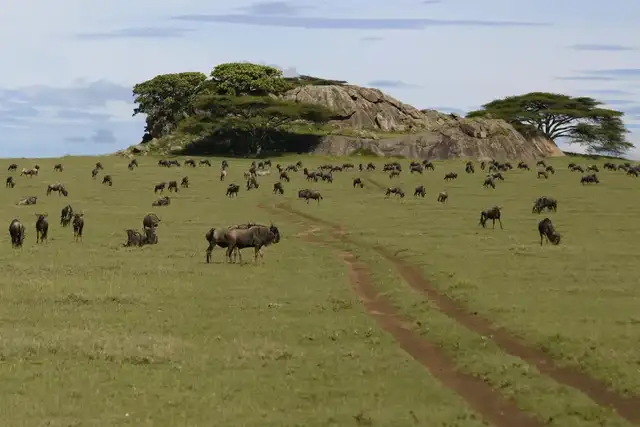
Plan Serengeti National Park tours with game drives, migration viewing, balloon rides, and cultural visits. Choose 2–7 days based on budget and interests
Are you wondering how long to spend on Serengeti National Park tours? The answer depends on your travel goals, budget, and interest in wildlife. A short 2–3 day stay is enough to see central areas like Seronera Valley, where lions and large herds are common. This option works well for travelers with limited time but still wanting a strong safari experience. If you have more flexibility, 4–5 days allow you to explore different regions such as the western corridor or northern Mara River, giving you a broader view of the park’s diversity.
For travelers focused on the Great Migration, 6–7 days in Serengeti National Park tours are ideal. This longer stay increases your chances of witnessing dramatic river crossings or calving events, depending on the season. Luxury travelers often extend to 7–8 days, combining game drives with balloon rides or walking safaris. Budget travelers may prefer 3–4 days, focusing on central areas to keep costs manageable. In general, 5–7 days strike the best balance, offering enough time to explore without feeling rushed. By matching your stay to your priorities, Serengeti National Park tours can deliver a rewarding and practical safari experience
Best Serengeti National Park tours
2-days-fly-in-serengeti-safari-in-tanzania
2-days-tarangire-national-park-and-ngorongoro-crater-safari
3-days-tanzania-safari-in-serengeti-national-park
3-days-tanzania-wildlife-safari
4-days-epic-tanzania-wildlife-and-culture-safari
5-day-kenya-and-tanzania-safari
5-days-circuit-wildlife-safari-in-tanzania
6-days-ndutu-migration-safari-calving-season
8-day-serengeti-ngorongoro-crater-and-zanzibar
8-days-wildlife-and-beach-holiday-tanzania
How many days do I need for Serengeti National Park Tours?
When planning Serengeti National Park tours, the number of days you need depends on how much you want to see and experience. A short 2–3 day visit gives you a chance to explore central areas where wildlife is abundant. This option works well for travelers with limited time but still provides a good safari experience. Serengeti National Park tours in this timeframe usually focus on game drives in Seronera Valley, known for big cats and large herds. While brief, such tours can still deliver strong value if your schedule is tight.
For travelers who want a deeper look, 4–5 days in Serengeti National Park tours is often recommended. This duration allows you to explore different regions, such as the western corridor or northern areas near the Mara River. Spending more days means you can follow wildlife movements more closely, especially during migration seasons. Serengeti National Park tours of this length also give you time to enjoy morning and evening drives, which often reveal different animal activity. It balances variety with comfort, making it a popular choice for many visitors.
If your main interest is the Great Migration, 6–7 days in Serengeti National Park tours is ideal. The migration is dynamic, and animals move across vast areas depending on the season. Longer stays increase your chances of witnessing river crossings or calving events. Serengeti National Park tours of this length also reduce the pressure of rushing from one area to another. You can spend time in multiple regions, ensuring you don’t miss key wildlife spectacles. This option is best for travelers who want a complete safari experience.
For those combining Serengeti National Park tours with other destinations like Ngorongoro Crater or Lake Manyara, 5–6 days in Serengeti alone is sufficient. This allows you to enjoy the park fully before moving on to other highlights in northern Tanzania. Serengeti National Park tours in this setup are often part of broader itineraries, giving travelers a mix of landscapes and wildlife. It’s a practical choice for people who want variety without spending their entire trip in one park. This balance works well for family or group travel.
Luxury travelers often prefer 7–8 days in Serengeti National Park tours. With more time, they can stay in different lodges or camps across the park, experiencing varied settings. Serengeti National Park tours at this level often include private guides, walking safaris, or hot air balloon rides. Longer stays also allow for slower pacing, with time to relax between drives. This approach suits travelers who value comfort and exclusivity while still wanting to see diverse wildlife. It’s a premium way to enjoy the park.
Budget travelers may choose 3–4 days in Serengeti National Park tours, focusing on central areas where wildlife density is high. This keeps costs manageable while still offering strong safari experiences. Serengeti National Park tours in this range often use shared vehicles and mid-range lodges or campsites. While shorter, these tours can still deliver excellent sightings, especially if timed during migration. It’s a practical option for those who want to experience the park without stretching their budget too far.
In summary, Serengeti National Park tours can range from 2 days to over a week depending on your goals. Short visits work for quick highlights, while longer stays maximize wildlife viewing and regional variety. Serengeti National Park tours of 5–7 days are often the best balance, giving enough time to explore without feeling rushed. Your choice should depend on budget, interests, and whether you plan to visit other parks. By matching your time with your priorities, you ensure the safari meets your expectations and delivers real value
What activities are there to do on Serengeti National Park tours
Game drives are the most common activity on Serengeti National Park tours. These drives take place in the morning and late afternoon when animals are most active. Travelers can expect to see lions, elephants, giraffes, zebras, and many other species. Serengeti National Park tours often use 4x4 vehicles with open roofs, allowing clear views and good photography opportunities. Guides share knowledge about animal behavior and the ecosystem, making the experience informative. Whether you choose a short or extended safari, game drives remain the highlight of most visits. They provide direct access to the wildlife that makes the park famous worldwide.
Another popular activity on Serengeti National Park tours is witnessing the Great Migration. This natural event involves millions of wildebeest and zebras moving across the plains in search of fresh grazing. Serengeti National Park tours during migration season often focus on areas like the Mara River or southern plains, depending on the time of year. Travelers may see dramatic river crossings or calving seasons, both offering unique wildlife interactions. Timing is important, so planning your visit around migration patterns increases your chances of seeing it. This activity is one of the main reasons many visitors choose longer stays.
Hot air balloon rides are a unique option offered on Serengeti National Park tours. Floating above the plains at sunrise gives travelers a different perspective of the park. Serengeti National Park tours that include balloon rides often end with a champagne breakfast in the bush. From above, you can see herds moving across the land, predators stalking, and the vast scale of the park. It’s a peaceful way to appreciate the landscape while still observing wildlife. Though more expensive than other activities, many travelers find it worth including for the special experience it provides.
Walking safaris are another activity available on Serengeti National Park tours. These are guided by experienced rangers who ensure safety while exploring on foot. Serengeti National Park tours with walking options allow travelers to notice smaller details often missed from vehicles, such as tracks, plants, and birdlife. Being on foot creates a closer connection to the environment and helps visitors understand the ecosystem better. It’s not about chasing big animals but appreciating the natural surroundings. Walking safaris are usually offered in specific areas where safety can be managed effectively, making them a valuable addition.
Cultural visits can also be part of Serengeti National Park tours. Some itineraries include time with local communities, such as the Maasai, who live near the park. Serengeti National Park tours that feature cultural experiences give travelers insight into traditional lifestyles, crafts, and stories. These visits help travelers understand the human side of the region and how communities coexist with wildlife. It’s a chance to learn about customs, food, and daily life while supporting local initiatives. For many visitors, this adds depth to their safari, making it more than just wildlife viewing.
Photography-focused activities are common on Serengeti National Park tours. Many travelers come specifically to capture images of wildlife and landscapes. Serengeti National Park tours sometimes offer specialized vehicles or guides who understand photography needs, such as positioning and lighting. The park’s wide plains, dramatic skies, and diverse animals make it a paradise for photographers. Whether amateur or professional, visitors can spend hours framing shots of predators, herds, or sunsets. This activity ensures travelers return home with lasting memories and visual records of their safari. It’s one of the most rewarding ways to engage with the park
When is the best time of year to go for Serengeti National Park tours
June to October for Dry Season Highlights
During June to October, Serengeti National Park tours offer some of the best wildlife viewing opportunities. This is the dry season, meaning animals gather around water sources, making them easier to spot. The weather is clear, and roads are more accessible, which helps travelers cover more ground. Serengeti National Park tours during this period often focus on the northern and western corridors, where the Great Migration herds move toward the Mara River. River crossings in July and August are dramatic, with predators waiting nearby. This season is considered prime safari time, but it also attracts more visitors, so expect higher prices and busier camps.
December to March for Calving Season
From December to March, Serengeti National Park tours highlight the southern plains and Ndutu area. This is calving season, when hundreds of thousands of wildebeest give birth, usually in February. Serengeti National Park tours during this time are remarkable for predator action, as lions, hyenas, and cheetahs take advantage of the abundance of young prey. The short-grass plains make wildlife easier to spot, and the landscape is green and vibrant after seasonal rains. This period is excellent for photographers and travelers who want to see new life and dramatic predator-prey interactions. While rain showers are common, they rarely disrupt safari activities significantly.
April to May the Quieter and Budget-Friendly
April and May are the wettest months, but Serengeti National Park tours can still be rewarding. The rains bring lush greenery, fewer vehicles, and lower accommodation rates. Serengeti National Park tours in this season are best for travelers who prefer solitude and don’t mind occasional showers. Wildlife is still present, though the migration herds may be dispersed. Roads can be muddy, and some lodges close, but those that remain open often offer discounts. Birdwatching is particularly good, with migratory species present. This season suits travelers seeking a more peaceful safari experience at reduced costs, though it requires flexibility and patience
Top safari tips for Serengeti National Park tours
One of the most important safari tips for Serengeti National Park tours is to plan around the seasons. Wildlife movements, especially the Great Migration, depend on rainfall and grazing patterns. Serengeti National Park tours in June to October focus on river crossings, while December to March highlights calving in the southern plains. Knowing this helps you choose the right time for your interests. Booking early is also wise, as lodges and camps fill quickly during peak months. A well-timed trip ensures you maximize your experience without missing key wildlife events.
Packing smart is another tip for Serengeti National Park tours. Temperatures can shift from cool mornings to hot afternoons, so layered clothing works best. Serengeti National Park tours often involve long hours in vehicles, so comfortable attire and sturdy shoes are essential. Don’t forget sunscreen, insect repellent, and a hat for protection. Binoculars and a good camera add value, as sightings can be distant. A reusable water bottle keeps you hydrated, and soft bags are easier to store in safari vehicles than hard suitcases. Preparing well makes your safari smoother and more enjoyable.
Respecting wildlife and local communities is key during Serengeti National Park tours. Always follow your guide’s instructions and keep a safe distance from animals. Serengeti National Park tours are about observing, not disturbing, so avoid loud noises or sudden movements. Supporting eco-friendly lodges and buying local crafts helps communities benefit from tourism. Tipping guides and staff fairly shows appreciation for their work. By being considerate, you contribute to conservation and ensure future travelers enjoy the same experiences. Responsible behavior makes your safari meaningful beyond just the wildlife sightings
How much is a Serengeti tour?
Serengeti National Park tours vary widely in price depending on comfort level, season, and length. Budget tours can start around $100–$150 per day, while mid-range packages average $250–$350 per day. Luxury tours, which include high-end lodges and private vehicles, can exceed $1,000 per day. Serengeti National Park tours often include park fees, accommodation, meals, and guided game drives. Flights or transfers to the park are usually extra. Planning early helps secure better rates, especially during peak migration months when demand is high
What is the top predator in the Serengeti?
The top predator in Serengeti National Park tours is the African lion. Lions dominate the ecosystem, living in prides and hunting large herbivores such as wildebeest and zebras. Serengeti National Park tours often highlight lion sightings, especially in central Seronera Valley where prides are common. Hyenas are also significant predators, but lions remain the most powerful and influential species in the park. Their presence shapes prey behavior and balances the ecosystem. Travelers on Serengeti National Park tours can expect frequent lion sightings, making them one of the most sought-after animals during safaris
What are the best Serengeti safari tours?
The best Serengeti National Park tours depend on traveler preferences. Top-rated options include multi-day lodge safaris, mobile tented camps, and fly-in packages. SafariBookings and Tripadvisor list highly reviewed tours ranging from budget camping to luxury lodge stays. Serengeti National Park tours that focus on the Great Migration are especially popular, with itineraries tailored to seasonal wildlife movements. Private tours offer flexibility, while shared tours are more affordable. Many operators combine Serengeti with Ngorongoro Crater or Zanzibar for a broader experience. Choosing the best tour means balancing cost, comfort, and desired wildlife highlights
How much is a 3-day safari in Serengeti?
A 3-day Serengeti National Park tour typically costs $450–$950 per person for mid-range options, which include camping or basic lodges. Luxury tours can start at $1,650 per person and go beyond $3,000 depending on lodge choice and inclusions. Serengeti National Park tours of this length usually cover central areas with high wildlife density, offering game drives and full-board accommodation. While short, a 3-day safari provides a strong introduction to the park, though travelers may miss migration events if timing is off. It’s a practical choice for those with limited time or budget
Top hotels, lodges and camps to stay on Serengeti National Park tour
When choosing where to stay during Serengeti National Park tours, travelers can select from a wide range of lodges and camps that suit different budgets and preferences. Luxury choices include Four Seasons Safari Lodge Serengeti (around $900 per night) and Singita Mara River Camp or Singita Faru Faru Lodge (over $2,000 per night), offering premium comfort and prime wildlife locations. Mid-range options such as Dunia Camp ($494 per night) and Lemala Ewanjan Tented Camp ($429 per night) provide excellent value with strong access to central Serengeti wildlife. For those seeking mobility, Olakira Migration Camp ($902 per night) and Nomad Lamai Serengeti ($817 per night) move seasonally to follow the Great Migration, ensuring guests are close to the action. These camps and lodges combine authentic safari experiences with varying levels of comfort, making Serengeti National Park tours adaptable to different traveler needs
Booking Serengeti National Park tour with Lamz Tours and Travel
Booking Serengeti National Park tours with Lamz Tours and Travel gives travelers a well-structured and personalized safari experience. As a trusted operator, Lamz Tours and Travel designs itineraries that match different budgets and preferences, from short 3-day safaris to extended stays covering multiple regions of the park. Serengeti National Park tours arranged through Lamz Tours and Travel often include professional guides, comfortable lodges or tented camps, and well-planned game drives that maximize wildlife viewing. The company also ensures smooth logistics, covering park fees, transfers, and meals, so travelers can focus on enjoying the safari. By booking with Lamz Tours and Travel, visitors benefit from expert knowledge of migration patterns, seasonal highlights, and the best areas for spotting predators, making the safari both practical and rewarding
Ready to plan your safari?
Talk to a Lamz Tours specialist and get a tailor-made quote.
Make an enquiry