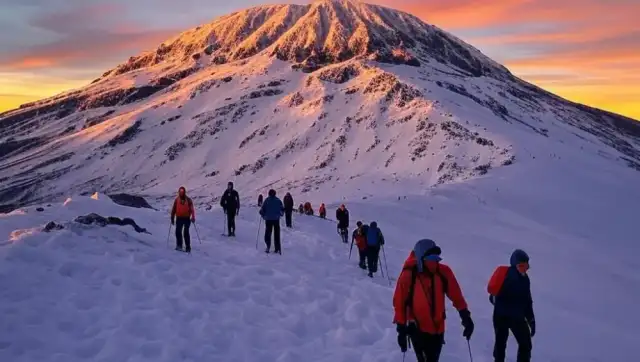
Plan your Kilimanjaro climb Tanzania safari with 7–9 days for acclimatization, safety, and success, combining trekking with unforgettable wildlife adventures
Best Tanzania safari packages
2-days-fly-in-serengeti-safari-in-tanzania
2-days-tarangire-national-park-and-ngorongoro-crater-safari
3-days-tanzania-safari-in-serengeti-national-park
3-days-tanzania-wildlife-safari
4-days-epic-tanzania-wildlife-and-culture-safari
5-day-kenya-and-tanzania-safari
5-days-circuit-wildlife-safari-in-tanzania
6-days-ndutu-migration-safari-calving-season
8-day-serengeti-ngorongoro-crater-and-zanzibar
8-days-wildlife-and-beach-holiday-tanzania
8-days-wildlife-safari-tanzania
9-days-zanzibar-and-wildlife-safari
10-days-uganda-and-tanzania-safari-gorillas-chimpanzees-and-wildlife
5-days-mount-kilimanjaro-marangu-route
6-days-mount-kilimanjaro-machame-route
7-day-climbing-kilimanjaro-via-the-machame-route
8-days-kilimanjaro-climbing-safari-lemosho-route-mount
9-days-kilimanjaro-climb-lemosho-route
12-days-mount-kilimanjaro-climb-and-tanzania-safari-tour
4-days-tanzania-birding-safari-to-lake-manyara-national-park
5-days-birding-tour-in-tanzania
How Many Days Are Enough for Kilimanjaro Climb Tanzania Safari
The ideal duration for a Kilimanjaro climb Tanzania safari depends on acclimatization and comfort. Most climbers choose between 7–9 days, as shorter treks increase the risk of altitude sickness. Spending more days allows gradual ascent, improving success rates. A Kilimanjaro climb Tanzania safari is not just about reaching the summit but also enjoying the landscapes, wildlife, and cultural experiences along the way, making extra days valuable for both safety and enjoyment.
A 7-day itinerary is often recommended for a Kilimanjaro climb Tanzania safari, balancing time and acclimatization. Routes like Machame or Lemosho provide gradual elevation gain, giving climbers better chances of reaching Uhuru Peak. Attempting fewer days can be risky, as altitude adjustment is limited. With 7 days, a Kilimanjaro climb Tanzania safari offers steady progress, scenic campsites, and manageable trekking hours, ensuring climbers experience both challenge and reward.
For those seeking higher success rates, 8–9 days are ideal for a Kilimanjaro climb Tanzania safari. Longer itineraries allow rest days and slower ascents, reducing fatigue. Climbers benefit from extra time to adapt to altitude, making summit attempts more comfortable. An extended Kilimanjaro climb Tanzania safari also provides opportunities to appreciate diverse ecosystems, from rainforest to alpine desert, ensuring the climb is not rushed but fully experienced.
Shorter treks of 5–6 days are possible but not recommended for a Kilimanjaro climb Tanzania safari. These itineraries push climbers quickly to high altitudes, increasing risks of headaches, nausea, and failed summits. While they may save time and cost, the overall experience suffers. A Kilimanjaro climb Tanzania safari should prioritize health and enjoyment, and shorter climbs often compromise both, making them less suitable for most travelers.
The choice of route influences how many days are enough for a Kilimanjaro climb Tanzania safari. Lemosho and Northern Circuit routes are longer, often 8–9 days, while Marangu can be done in 6–7 days. Each route offers different scenery and acclimatization opportunities. A Kilimanjaro climb Tanzania safari tailored to the right route ensures climbers balance time, cost, and success, making route selection as important as duration.
Adding safari days after the climb enhances the overall Kilimanjaro climb Tanzania safari experience. Many travelers combine the trek with visits to Tarangire, Ngorongoro, or Serengeti, requiring 3–5 extra days. This combination balances physical effort with relaxation and wildlife viewing. A Kilimanjaro climb Tanzania safari that includes both trekking and game drives ensures travelers maximize their time in Tanzania, blending adventure with cultural and natural highlights.
In conclusion, 7–9 days are generally enough for a Kilimanjaro climb Tanzania safari, ensuring acclimatization, safety, and enjoyment. Shorter climbs risk health and success, while longer itineraries improve comfort and allow deeper appreciation of the mountain. Combining trekking with safari days creates a complete experience. A Kilimanjaro climb Tanzania safari should be planned with both physical readiness and personal goals in mind, making duration a key factor in achieving a rewarding adventure.
How to book your Kilimanjaro climb Tanzania safari
Booking your Kilimanjaro climb Tanzania safari starts with choosing a trusted operator who provides clear itineraries, professional guides, and transparent pricing. Most companies offer packages that include park fees, accommodation, meals, and transfers. It’s important to confirm the number of days, as 7–9 days are recommended for acclimatization. A Kilimanjaro climb Tanzania safari should be booked at least six months in advance to secure permits and lodges, especially during peak seasons.
When booking a Kilimanjaro climb Tanzania safari, consider the route that best suits your fitness and preferences. Options like Machame, Lemosho, and Marangu vary in scenery, difficulty, and duration. Discuss with the operator to match your goals with the right route. Payment terms, cancellation policies, and inclusions should be reviewed carefully. A Kilimanjaro climb Tanzania safari booked with a reputable company ensures safety, experienced guides, and reliable logistics throughout the climb.
To finalize your Kilimanjaro climb Tanzania safari, ensure you have the necessary documents, including visas, insurance, and medical clearance. Operators often assist with gear rental and pre-climb briefings. Combining the trek with a wildlife safari in Serengeti or Ngorongoro adds value, so ask about extension packages. A Kilimanjaro climb Tanzania safari booked with attention to detail guarantees a smoother experience, balancing adventure with comfort and maximizing your chances of reaching Uhuru Peak successfully
Best time of year Kilimanjaro climb Tanzania safari
The best time of year for a Kilimanjaro climb Tanzania safari is during the two dry seasons: January to early March and June to October. These months provide stable weather, clearer skies, and safer trekking conditions. Climbers benefit from dry trails, comfortable daytime temperatures, and reduced risks of heavy rainfall. A Kilimanjaro climb Tanzania safari during these periods also offers higher summit success rates, as visibility is excellent and guides can plan routes more effectively.
For those seeking fewer crowds, January–March is ideal, with colder summit conditions and occasional snow adding dramatic scenery. June–October is the most popular season, coinciding with global holidays, meaning busier trails but reliable weather. A Kilimanjaro climb Tanzania safari in either window ensures climbers enjoy both safety and rewarding views. Choosing between these seasons depends on personal preference for solitude or social atmosphere, but both maximize the chance of reaching Uhuru Peak successfully
How to get there for Kilimanjaro climb Tanzania safari
Getting to a Kilimanjaro climb Tanzania safari usually begins with international flights into Kilimanjaro International Airport (JRO), located near Arusha and Moshi. This airport connects directly with major hubs like Nairobi, Addis Ababa, Doha, and Amsterdam, making it accessible for travelers worldwide. From JRO, transfers to Moshi or Arusha are arranged, where most trekking companies provide pre-climb briefings and gear checks. A Kilimanjaro climb Tanzania safari is well supported by local logistics, ensuring smooth transport from arrival to the mountain base, giving climbers confidence that their journey starts efficiently.
Another option for a Kilimanjaro climb Tanzania safari is flying into Dar es Salaam or Zanzibar, then connecting to Kilimanjaro International Airport via domestic flights. This route suits travelers combining beach holidays with trekking. Once in Moshi or Arusha, safari companies handle transfers to park gates such as Machame, Marangu, or Lemosho, depending on the chosen route. Road transfers are reliable, with paved highways linking towns to Kilimanjaro’s entrances. A Kilimanjaro climb Tanzania safari is designed to minimize stress, with clear transport options and professional support, ensuring climbers focus on preparation and acclimatization rather than worrying about how to reach the mountain
Top tips for experiencing Kilimanjaro climb Tanzania safari
When planning a Kilimanjaro climb Tanzania safari, preparation is key. Train with regular hikes and cardio exercises to build stamina, as the trek involves long days of walking at altitude. Pack wisely with layered clothing for varying temperatures, sturdy boots, and essential gear like trekking poles and a headlamp. Hydration is critical, so carry reusable bottles and drink consistently. A Kilimanjaro climb Tanzania safari also requires mental readiness pace yourself, listen to guides, and focus on steady progress rather than speed.
Another important tip for a Kilimanjaro climb Tanzania safari is to prioritize acclimatization. Choose routes lasting 7–9 days, as shorter climbs increase the risk of altitude sickness. Follow the “pole pole” (slowly) approach, allowing your body to adjust. Nutrition matters too—eat balanced meals provided by operators to maintain energy. Respect park rules and minimize waste to protect the environment. A Kilimanjaro climb Tanzania safari becomes more rewarding when climbers balance determination with patience, ensuring both safety and enjoyment while aiming for Uhuru Peak.
Where to stay in during Kilimanjaro climb Tanzania safari
During a Kilimanjaro climb Tanzania safari, accommodation is arranged in mountain huts or tents depending on the chosen route. The Marangu route offers basic huts with dormitory-style beds, while Machame, Lemosho, and Rongai routes rely on camping, with tents set up at designated sites by your operator. Meals are prepared by the crew, and facilities are simple but sufficient for rest and acclimatization. Before and after the climb, most travelers stay in Moshi or Arusha, where hotels and lodges provide comfort, hot showers, and recovery space. A Kilimanjaro climb Tanzania safari balances rugged mountain stays with comfortable pre- and post-climb lodging, ensuring climbers are well-rested and supported throughout their adventure
Booking Kilimanjaro climb Tanzania safari with Lamz Tours and Travel
Booking a Kilimanjaro climb Tanzania safari with Lamz Tours and Travel ensures a seamless and well-managed adventure from arrival to summit. The company organizes permits, professional guides, porters, meals, and camping equipment, giving climbers confidence and comfort throughout the trek. Routes such as Machame, Lemosho, or Marangu are tailored to suit fitness levels and acclimatization needs, with itineraries ranging from 7–9 days for higher success rates. By booking through Lamz Tours and Travel, travelers benefit from reliable logistics, cultural insights, and the option to extend their climb with wildlife safaris in Serengeti or Ngorongoro, making the Kilimanjaro climb Tanzania safari both practical and rewarding
Ready to plan your safari?
Talk to a Lamz Tours specialist and get a tailor-made quote.
Make an enquiry