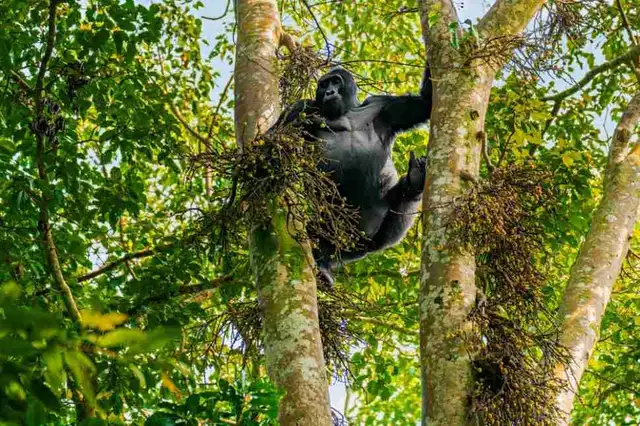
You do not need to be an athlete for gorilla trekking in Uganda, but you do need a reasonable, honest level of fitness. Treks through Bwindi Impenetrable National Park and Mgahinga Gorilla National Park involve dense forest, muddy and slippery trails, stream crossings, and tree roots underfoot, and can last anywhere from 1 to 8 hours depending on where the gorilla family has moved that day. There is no official fitness test, but here is what actually matters and how to prepare.
As a rule of thumb: if you can comfortably walk for 2 to 4 hours at a moderate pace on uneven ground, you are fit enough for most treks. The good news is that guides assign you to a gorilla family based on your stated fitness level, so being honest during booking matters as much as your actual training.
Popular Gorilla Trekking Packages
How Fit Do I Need to Be for Uganda Gorilla Trekking?
1. What the Terrain Actually Demands
Gorilla trekking involves navigating dense forest, muddy and slippery trails, stream crossings, and tree roots or fallen branches, often on steep slopes and at altitudes above 2,000 metres. Because of this, high core strength, balance, and stability are genuinely advantageous, not just leg endurance. The trek is guided by trained personnel and capped at 8 visitors per family, but no one can shorten the terrain itself once you are on the trail.
2. Build Cardiovascular Endurance
Regular cardio in the weeks before your trip, hiking, running, or cycling, builds the stamina needed to keep a moderate pace for hours on uneven ground. You do not need marathon-level fitness, but being able to sustain continuous movement without frequent long breaks makes a real difference to how much you enjoy the trek versus how much you endure it.
3. Add Strength Training for Steep Ground
Squats, lunges, and core workouts build the muscle strength and stability you need for steep, uneven terrain, especially on the descent, which is often harder on the legs than the climb. A few weeks of consistent strength training beforehand goes a long way toward making the steepest sections of Bwindi manageable rather than punishing.
4. Work on Flexibility and Balance
Yoga or basic stretching improves the flexibility and balance needed to navigate slippery roots, loose rocks, and sudden changes in footing. Good balance also reduces your reliance on grabbing at vegetation, useful given how much of Bwindi's trailside plant life includes stinging nettles and thorns.
5. Age, Health, and Honest Self-Assessment
There is no upper age limit for gorilla trekking, but trekkers must be at least 15 years old, and travellers with heart conditions, serious respiratory issues, or recent injuries should consult a doctor before booking. Being upfront with your guide and tour operator about your real fitness level, not an aspirational one, is what allows them to match you to an appropriate sector and family, and arrange a porter if needed.
6. Hire a Porter, Regardless of Your Fitness Level
Even fit trekkers benefit from hiring a porter at the trailhead. Porters carry your daypack, offer a steadying hand on steep or muddy sections, and are inexpensive, typically 15 to 20 US dollars for the day. This support directly benefits the local community and can turn a genuinely tough climb into a manageable one, especially useful if your fitness is average rather than excellent.
Weather and Climate on the Trail
Bwindi and Mgahinga sit at high altitude and stay cool and often misty, with daytime temperatures typically between 11°C and 23°C. Rain adds to the physical difficulty in any month by making trails muddier and more slippery, which is part of why fitness and footwear matter as much as the calendar.
Best Time to Trek for an Easier Hike
June to September and December to February are the driest months, and firmer trails genuinely reduce the physical demand of the trek regardless of your fitness level. If you are unsure about your stamina, booking a dry-season date is one of the simplest ways to stack the odds in your favour.
How to Get There
Uganda's gateway is Entebbe International Airport, with Bwindi reached by a 7 to 9-hour road transfer or a short domestic flight. Building in a rest day after arrival before your trek can help you start the hike less fatigued, particularly if you are still adjusting to the altitude.
Health and Safety Tips for the Trek
A yellow fever vaccination is mandatory if arriving from an endemic country, and travellers should discuss malaria prophylaxis with their doctor before travel. Carry water, snacks, and any personal medication in your daypack, tell your guide immediately if you feel unwell or breathless, and remember that guides regularly adjust pace for trekkers who need it, listening to your body matters more than pushing through.
Why Book Your Gorilla Trekking Safari with Lamz Tours and Travel
Lamz Tours and Travel is a fully licensed, Uganda-based tour operator that asks about your real fitness level before booking, so we can match you to the right sector and prepare you with an honest, practical training and packing plan rather than a generic checklist. Contact us at info@Lamz Tours and Travel.com or +000 000 000 000 and we will help you plan a trek that fits your fitness, not the other way around.
Ready to plan your safari?
Talk to a Lamz Tours specialist and get a tailor-made quote.
Make an enquiry