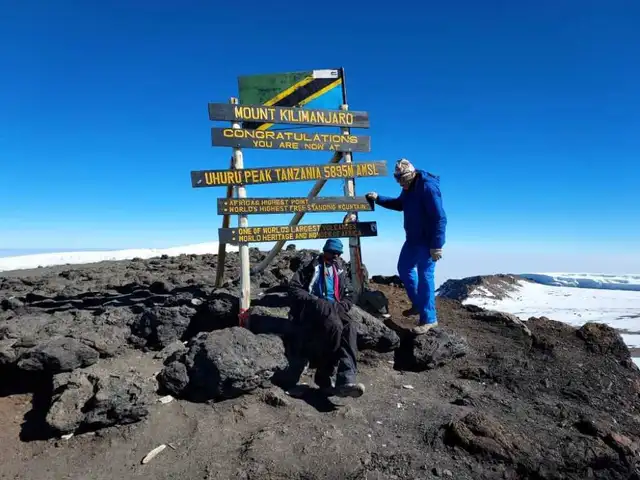
The cost of an ultimate Kilimanjaro climb safari can vary widely, but affordable options typically start at around $1,500 to $2,000 per person. These budget packages include basic tent accommodations, simple meals, a guide, a few porters, and park fees. While cheap, these packages often compromise comfort and safety, making it crucial to research tour operators thoroughly.
For a more comfortable experience, mid-range packages range from $2,000 to $3,000 per person. These provide better camping equipment, more nutritious meals, experienced guides, and a higher porter-to-climber ratio, making the climb more enjoyable.
Luxury packages, however, can cost between $3,000 and $6,000 or more. These cater to those seeking a premium experience with high-quality gear, gourmet meals, and personalized service.
While it’s possible to find cheap climbs, balancing cost with safety and quality is essential. Investing in a reputable tour operator ensures a memorable experience, regardless of your budget. Ultimately, while affordable options exist, the experience and support you receive can significantly enhance your journey to the summit of Kilimanjaro.
Best Kilimanjaro climb safari packages
Factors Influencing Costs of Kilimanjaro climb safari
Factors influencing the cost of a Kilimanjaro climb include route selection, climbing duration, group size, and level of service. Popular routes like Marangu may be cheaper, while longer, less-traveled routes like Lemosho are pricier. Additionally, budget, mid-range, and luxury packages vary significantly in price based on accommodations, meals, and support services provided.
Marangu Route
The Marangu Route, often dubbed the "Coca-Cola" route, is the most popular and easiest way to climb Kilimanjaro. It typically takes five to six days to complete and is well-suited for beginners. The route features comfortable hut accommodations, making it unique among the climbing options. While the ease of access and amenities attract many climbers, the experience can feel less intimate due to larger groups. The trail is well-marked and relatively straightforward, but the quick ascent can increase the risk of altitude sickness. Although prices can be lower compared to other routes, climbers should still prioritize acclimatization to enhance their chances of reaching the summit. Overall, the Marangu Route is a great choice for those seeking a less demanding climb with basic comforts along the way.
Machame Route
The Machame Route, known as the "Whiskey" route, offers a more challenging and rewarding experience, taking around six to seven days to complete. This route is favored for its stunning scenery, including diverse ecosystems and breathtaking views from various vantage points. The Machame Route is recognized for its excellent acclimatization opportunities, which significantly enhance the chances of a successful summit. While this route can be more physically demanding, it generally attracts smaller groups, allowing for a more intimate experience. As a result, prices are typically higher than the Marangu Route, reflecting the added services and comforts provided. The varied landscape and breathtaking vistas make the Machame Route a favorite among seasoned climbers seeking both a challenge and natural beauty on their ascent.
Lemosho Route
The Lemosho Route is one of the less crowded options for climbing Kilimanjaro, providing a more remote and tranquil experience. It typically takes seven to eight days to complete, allowing for ample acclimatization and stunning views throughout the journey. The trail begins in the lush rainforests and gradually ascends through various ecosystems, including heath and moorland, before reaching the summit. Due to its longer duration and exclusive nature, the Lemosho Route is generally more expensive than the Marangu and Machame routes. The extended trek allows climbers to enjoy the breathtaking landscapes and diverse wildlife, making it a favorite among those seeking adventure and solitude. Overall, the Lemosho Route is ideal for climbers wanting a more scenic and immersive experience on their journey to the summit.
Rongai Route
The Rongai Route, starting from the northern side of Kilimanjaro, offers a unique and less-traveled path to the summit. Taking about six to seven days, this route is known for its gentle ascent and stunning views of the surrounding landscapes, making it suitable for climbers looking for a more relaxed experience. The Rongai Route typically features fewer crowds, allowing for a more intimate trek, and is often more affordable than the Lemosho and Machame routes. While the scenery is less diverse compared to other routes, climbers can appreciate the unique flora and fauna of the area. The route also provides an excellent opportunity to acclimatize gradually, increasing the chances of reaching the summit successfully. Overall, the Rongai Route is a solid choice for those seeking a quieter, budget-friendly ascent.
Duration of the Climb
The length of your climb directly influences the cost. Longer treks often require more resources, including additional meals, park fees, and guide services. A standard climb typically lasts between five to eight days, with longer climbs allowing for better acclimatization, which is crucial for summit success.
Group Size
Climbing in a larger group can reduce individual costs, as many tour operators offer group rates. However, larger groups may lead to a less personalized experience. Solo climbers or those in small groups often pay higher rates, as the fixed costs of guides and porters are spread over fewer people.
Level of Service for your Kilimanjaro climb safari
The level of comfort and service you choose will significantly impact your budget. Here are some common service levels:
Budget Packages
Budget packages for climbing Kilimanjaro are designed for cost-conscious travelers seeking an affordable adventure. Typically, these packages include basic accommodations, such as simple camping tents, and limited meal options, often consisting of basic staples. Support services may be minimal, featuring fewer guides and porters, which can lead to a less personalized experience. While budget packages offer a way to save money, they often compromise on comfort, safety, and overall trekking experience. Climbers opting for budget packages should be prepared for basic amenities and may need to bring additional gear to enhance their comfort. Despite the trade-offs, budget packages can still provide a fulfilling adventure for those willing to embrace a more rugged experience on their climb.
Mid-range Packages
Mid-range packages strike a balance between cost and comfort, offering a more enjoyable climbing experience without breaking the bank. Typically, these packages include better accommodations, such as spacious tents with sleeping pads, as well as more varied and nutritious meal options prepared by experienced cooks. Mid-range packages often feature seasoned guides who prioritize safety and acclimatization, enhancing the chances of a successful summit. The ratio of porters to climbers is usually more favorable, allowing for personalized attention and support. While prices are higher than budget options, mid-range packages provide a more comfortable experience, making them a popular choice for many climbers. Overall, they cater to those seeking a rewarding adventure with a good blend of service and affordability.
Luxury Packages
Luxury packages cater to climbers seeking the ultimate comfort and exclusivity during their Kilimanjaro ascent. These packages typically include high-quality gear, such as spacious tents and comfortable sleeping arrangements, ensuring a restful experience after long trekking days. Gourmet meals are prepared by dedicated chefs, offering a diverse and satisfying culinary experience. Luxury packages also provide exceptional service, featuring a higher porter-to-climber ratio and experienced guides who ensure safety and personalized attention throughout the trek. While they come at a premium price, these packages guarantee a hassle-free experience with added comforts, making them ideal for those who prioritize luxury and convenience. Overall, luxury packages offer a unique way to conquer Kilimanjaro while enjoying a high level of service and amenities.
Typical Costs of Climbing Kilimanjaro
Budget Packages
Budget packages for climbing Kilimanjaro typically start at around $1,500 to $2,000 per person. These options are designed for climbers looking to minimize costs while still experiencing the adventure of a lifetime. Budget packages generally include basic tent accommodations, simple meals, a guide, and a few porters, along with park fees. While these packages offer significant savings, they often come with compromises in terms of comfort and safety. Climbers may encounter larger groups and less personalized support. It’s crucial to thoroughly research operators to ensure they meet safety standards and provide a reliable experience. Despite the limitations, budget packages can still deliver a rewarding experience for those willing to embrace a more rugged adventure on their journey to the summit.
Mid-range Packages
Mid-range packages for climbing Kilimanjaro typically range from $2,000 to $3,000 per person, providing a more balanced experience between cost and comfort. These packages include better camping equipment, such as spacious tents and sleeping pads, along with more varied and nutritious meal options. Experienced guides lead these treks, offering enhanced support and knowledge, while a higher ratio of porters to climbers ensures personalized attention. Additionally, mid-range packages often feature amenities like portable toilets, improving overall comfort during the climb. This combination of quality service and reasonable pricing makes mid-range packages popular among climbers. They cater to those who want a memorable experience without the high costs associated with luxury options, striking a perfect balance for many adventurers.
Luxury Packages
Luxury packages for Kilimanjaro climbs cater to those seeking an exceptional and comfortable experience, generally costing between $3,000 and $6,000 or more per person. These packages provide high-quality tents with comfortable sleeping arrangements, ensuring climbers rest well after long trekking days. Meals are typically gourmet, prepared by dedicated chefs who offer a diverse culinary experience. Personalized service is a hallmark of luxury packages, featuring a higher porter-to-climber ratio, which allows for tailored support throughout the journey. Additional amenities, such as hot showers and comfortable dining setups, further enhance the trekking experience. While these packages come at a premium price, they offer climbers the chance to conquer Kilimanjaro in style, combining adventure with luxury and unparalleled service for an unforgettable ascent.
Gear and Equipment
Investing in high-quality gear is essential for a successful Kilimanjaro climb, even though some tour operators offer rentals. Key items include sturdy climbing boots, warm clothing layers, cold-rated sleeping bags, trekking poles, and personal essentials like water bottles and headlamps. Depending on your existing equipment, costs for this gear can range from $200 to over $1,000.
Travel Insurance
Travel insurance is crucial for any adventurous journey, especially when climbing at high altitudes. Many operators require proof of insurance that covers emergency evacuation and medical expenses. Insurance costs typically range from $100 to $300, depending on coverage and duration.
Flights and Transportation
Getting to Kilimanjaro typically involves flying into Kilimanjaro International Airport (JRO). Flight costs can vary widely based on your location and the time of year. Additionally, consider transportation costs to your hotel and the starting point of your climb, which may involve airport shuttles or private transfers.
Tips for Guides and Porters
Tipping is a customary practice in Tanzania and is an important aspect of the climbing experience. It's generally recommended to tip your guides and porters at the end of the trek. The amount can vary, but a common guideline is around $10 to $15 per day for the head guide and $5 to $10 for each porter.
Pre- and Post-Climb Accommodations
Many climbers choose to stay in hotels before and after their climbs. Costs for accommodations can range from $50 for budget options to $300 or more for luxury hotels. It’s wise to budget for at least a couple of nights in Arusha or Moshi, the towns closest to Kilimanjaro.
Best Time for Kilimanjaro Climb Safari
The best time for a Kilimanjaro climb safari is during the dry seasons, typically from late June to October and late December to February. These months offer clearer skies, less rainfall, and more favorable hiking conditions. Climbing during these periods enhances the chances of reaching the summit while enjoying stunning views and a more enjoyable trekking experience.
Booking Kilimanjaro Climb Safari
When booking a Kilimanjaro climb safari, it's essential to plan well in advance, ideally several months ahead. Research reputable tour operators, compare packages, and read reviews to ensure quality service and safety. Consider factors like route selection, group size, and included amenities. Additionally, confirm that the operator adheres to safety standards and offers experienced guides for a successful climb.
Ready to plan your safari?
Talk to a Lamz Tours specialist and get a tailor-made quote.
Make an enquiry