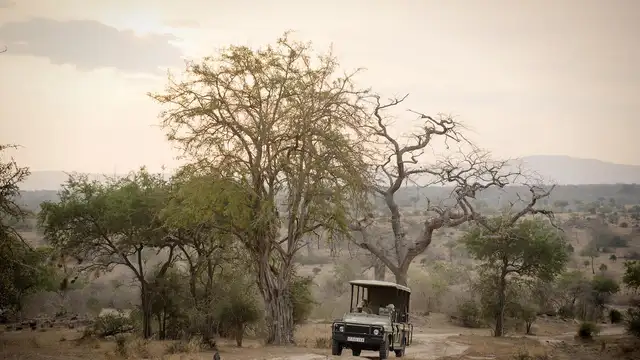
Tips for visiting less visited Tanzania wildlife safari destinations, Tanzania is well-known for its spectacular wildlife locations like the Serengeti, but many travelers overlook its lesser-known safari spots in the southern circuit. This guide highlights essential tips for exploring remote areas like the Mahale Mountains, famous for chimpanzees, and the distinct landscapes of Katavi National Park. These destinations provide intimate wildlife experiences and cultural insights. For those seeking tranquility alongside adventure, Tanzania’s hidden parks reveal the true character of the nation's wildlife and its beauty beyond the usual routes. With thoughtful planning and expert guidance, visitors can discover these exceptional locations.
Best Kilimanjaro climb itineraries
5-days-mount-kilimanjaro-marangu-route
10-days-kilimanjaro-climb-via-northern-circuits-route
6-days-mount-kilimanjaro-machame-route
7-day-climbing-kilimanjaro-via-the-machame-route
8-days-kilimanjaro-climbing-safari-lemosho-route-mount
9-days-ultimate-kilimanjaro-safari-trek-rongai-route
9-days-kilimanjaro-climb-lemosho-route
12-days-mount-kilimanjaro-climb-and-tanzania-safari-tour
Best tips for visiting less visited Tanzania wildlife safari destinations
1. Choose the Right Parks
Tanzania wildlife safaris can be enriched by visiting lesser-known parks. Mahale Mountains National Park is famous for chimpanzee trekking and beautiful scenery. Gombe Stream National Park focuses on chimpanzee research, providing a unique chance to observe these primates in their habitat. Katavi National Park is less crowded, making it easier to see various animals, especially during the dry season. Each park has distinct features that showcase Tanzania’s biodiversity. Opting for these destinations allows for a more intimate connection with nature and wildlife, enhancing the safari experience.
2. Best Time to Visit
The dry season, from June to October, is the prime time for Tanzania wildlife safaris. During this period, animals congregate around water sources, making sightings more frequent. The wet season, from November to May, attracts fewer tourists, allowing for peaceful exploration. Bird watching is particularly rewarding during these months, with many migratory species present. Planning your visit according to these seasonal patterns can significantly impact your safari experience, allowing for better wildlife observation and engagement with the environment.
3. Plan for Remote Access
When planning Tanzania wildlife safaris, consider the remote nature of some lesser-known parks. Access to places like Mahale or Katavi often requires longer travel times. Utilize charter flights or 4WD vehicles for smoother journeys. Roads in these areas may be rough, so preparation is key. Being ready for delays and changes in plans can enhance your trip. The remoteness of these parks contributes to their charm, allowing for a more personal connection to wildlife and the surrounding environment.
4. Local Guides
Hiring local guides greatly enriches Tanzania wildlife safaris. These experts possess extensive knowledge about the flora and fauna, enhancing your understanding of wildlife behavior. They can also share insights into local cultures and traditions, making your visit more meaningful. Local guides often know hidden gems within the parks that tourists may overlook. Their familiarity with the land improves your chances of spotting elusive wildlife, ensuring a more engaging experience during your safari.
5. Stay in Eco-Lodges
Choosing eco-lodges during Tanzania wildlife safaris supports local communities and sustainable practices. Eco-lodges prioritize minimal environmental impact while providing comfortable accommodations. Staying in these lodges allows you to connect with nature while knowing your presence benefits the local economy. Many eco-lodges also offer guided tours that focus on wildlife and cultural education. This combination enhances your safari while promoting responsible tourism, making it a win-win for both travelers and the environment.
6. Pack Smart
Packing smart is crucial for Tanzania wildlife safaris. Bring binoculars for birdwatching and a good camera for wildlife photography. Lightweight, breathable clothing is essential to stay comfortable in varying temperatures. Sturdy footwear is necessary for trekking in rugged terrains. Essential items include sunscreen, insect repellent, and a reusable water bottle. A small backpack for daily excursions will help carry your essentials. Being well-prepared ensures you can fully engage with your surroundings without unnecessary distractions.
7. Respect Wildlife and Environment
Respecting wildlife and the environment is vital during Tanzania wildlife safaris. Follow park regulations to ensure both your safety and that of the animals. Maintain a respectful distance from wildlife to avoid causing stress. Do not feed animals, as this disrupts their natural behavior. Leave no trace behind by disposing of waste properly and minimizing your impact on the surroundings. By being a responsible traveler, you contribute to the preservation of these incredible habitats for future generations.
8. Cultural Experiences
Engaging with local communities enhances Tanzania wildlife safaris. Learning about their traditions, customs, and daily lives offers deeper insights into the region. Participate in cultural activities like traditional dances or crafts, which provide a richer understanding of the local culture. Supporting community-led initiatives also promotes sustainable tourism. This connection fosters mutual respect and appreciation, enriching your visit while benefiting the locals. It creates a more holistic view of Tanzania beyond its wildlife and natural attractions.
9. Stay Flexible
Flexibility is key during Tanzania wildlife safaris. Wildlife sightings can vary greatly based on the time of day and season. Being open to changing plans can lead to unexpected encounters with animals. Weather conditions may also alter your itinerary, so adaptability is important. Allowing for spontaneity can enhance your safari, bringing unexpected delights. Flexibility in scheduling and activities promotes a more relaxed experience, allowing you to fully enjoy the unique moments that arise during your trip.
10. Document Your Journey
Documenting your Tanzania wildlife safaris can create lasting memories. Keeping a journal or blog helps capture your thoughts, observations, and feelings throughout the trip. Sketching wildlife or taking photographs also preserves your experiences. This practice allows for reflection on your journey and the beauty encountered. Sharing your stories with others can inspire them to explore Tanzania’s unique offerings. Remembering your travels through documentation enriches the overall safari experience, ensuring the memories remain vivid for years to come.
Accommodation Options on this Tanzania wildlife safari
When visiting less-visited Tanzania wildlife safari destinations, options include eco-lodges, tented camps, and small boutique hotels. Eco-lodges focus on sustainability and offer immersive experiences in nature. Tented camps provide a more adventurous stay, often located near wildlife hotspots. Boutique hotels offer comfort and unique local charm, ensuring a memorable stay in remote locations.
Best Time to Visit less visited Tanzania safari destinations
The best time for visiting less-visited Tanzania wildlife safari destinations is during the dry season, from June to October. This period features lower rainfall, making wildlife sightings easier as animals congregate around water sources. The wet season, from November to May, is also appealing for bird watching and fewer tourists, providing a quieter experience in the parks.
Booking Tanzania wildlife safari with Lamz Tours and Travel
Booking a Tanzania wildlife safari with Lamz Tours and Travel ensures a personalized and well-organized experience. They specialize in tailored itineraries that include lesser-known destinations. Their expert guides provide in-depth knowledge of wildlife and local culture. Lamz Tours and Travel prioritizes customer satisfaction and sustainable practices, making your safari both enjoyable and responsible in preserving Tanzania's natural beauty.
Ready to plan your safari?
Talk to a Lamz Tours specialist and get a tailor-made quote.
Make an enquiry