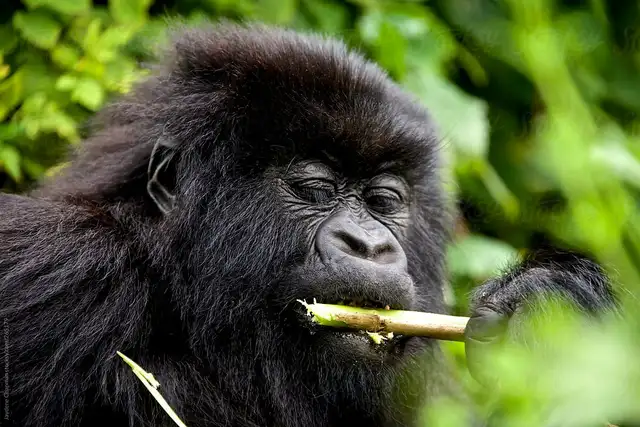
Experience the thrill of trekking gorillas in Rwanda at Volcanoes National Park, home to 12 habituated families, breathtaking landscapes, and rich conservation history
Best packages to Gorillas in Rwanda
2 day Gorilla trekking safari in Rwanda
2 Days Nyungwe Chimpanzee and Canopy Walk Safari in Rwanda
3 Days Gorilla and Golden Monkey Trekking Rwanda Tour
3 Days Safari to Rwanda and Uganda Gorilla Trekking
4 Days Luxury Gorilla Tracking Rwanda Tour
4 Days Primate Safari to Rwanda with Gorillas and Chimps
5 Days in Rwanda with Gorillas and Akagera Big Five Safari
8 Days Rwanda Cultural and Primate Experience
3Days Rwanda Safari Holiday with Gorilla Trekking
12 Days Rwanda Safari in Volcanoes, Nyungwe and Akagera National Park
Background of volcanoes national park
Volcanoes National Park, located in northwestern Rwanda, is a renowned sanctuary for gorillas in Rwanda. Established in 1925, it was the first national park in Africa, originally created to protect the endangered mountain gorillas. The park is part of the Virunga Conservation Area, covering 125 square kilometers and encompassing five extinct volcanoes: Muhabura, Sabyinyo, Gahinga, Karisimbi, and Bisoke.The park gained global recognition through the work of Dr. Dian Fossey, a primatologist who arrived in 1967 and founded the Karisoke Research Center between Visoke and Karisimbi volcanoes. Her conservation efforts, documented in Gorillas in the Mist, played a crucial role in protecting gorillas in Rwanda from poaching and habitat destruction.Today, Volcanoes National Park is home to over 20 gorilla families, with 12 habituated groups available for trekking. Besides gorillas, the park hosts golden monkeys, spotted hyenas, buffaloes, elephants, and over 178 bird species, including Rwenzori and Virunga endemics. Its breathtaking landscapes and rich biodiversity make it a prime destination for eco-tourism and conservation-focused travel
Why gorillas in Rwanda so unique
Mountain gorillas in Rwanda are unique due to their rare status, remarkable social behavior, and the immersive trekking experience in Volcanoes National Park. Unlike other gorilla species, they thrive in high-altitude forests, adapting to cold, misty conditions. Their family structures, led by dominant silverbacks, showcase strong bonds and complex interactions, Rwanda’s conservation success has significantly boosted their population, making encounters more sustainable. The gorilla trekking experience allows intimate, one-hour visits, creating life-changing wildlife interactions. With Rwanda’s strict regulations and eco-tourism efforts, gorillas in Rwanda remain among the best-protected and accessible primates, offering an extraordinary wildlife experience
Key Facts About Gorillas in Rwanda Volcanoes National Park
Gorilla Species
Mountain gorillas in Rwanda are found in Volcanoes National Park, thriving in the dense forests of the Virunga Mountains. These endangered primates live in social groups led by a dominant silverback, who protects and guides the family. Their diet consists mainly of leaves, stems, fruits, and bamboo shoots, providing essential nutrients for survival. Gorilla trekking offers a rare opportunity to observe these gentle giants up close while contributing to their conservation. Sustainable tourism plays a crucial role in protecting gorillas in Rwanda, ensuring that future generations can continue to witness their beauty in the wild.
Location
Volcanoes National Park, home to gorillas in Rwanda, is located in the northern part of the country, near Musanze. The town of Musanze serves as the gateway to the park, offering accommodation and logistical support for travelers embarking on gorilla trekking adventures. A two-hour drive from Kigali makes visiting the park convenient for those on a tight schedule. The surrounding region features stunning volcanic landscapes that enhance the trekking experience. Cultural sites like the Iby'iwacu Cultural Village provide additional insights into Rwandan traditions, enriching the journey beyond encounters with gorillas in Rwanda.
Habitat
The high-altitude forests shelter gorillas in Rwanda, providing a cool and humid environment essential for their survival. Volcanoes National Park’s elevation ranges from 2,500 to 4,500 meters, ensuring an abundant supply of food and shelter for these primates. The region’s dense vegetation supports biodiversity, allowing gorillas to thrive alongside other wildlife. Conservation efforts focus on maintaining this habitat, as deforestation poses a serious threat to its stability. Protecting the forests ensures long-term survival for gorillas in Rwanda, reinforcing the delicate balance between eco-tourism and environmental sustainability.
Permit Cost
A trekking permit for gorillas in Rwanda costs $1,500 per person as of 2024, funding conservation efforts and community development. While the fee might seem high, it directly contributes to protecting endangered mountain gorillas and supporting anti-poaching initiatives. Revenue from permits also benefits local communities, creating incentives for sustainable tourism and conservation awareness. Booking permits early is essential due to high demand, especially during peak seasons. The financial investment ensures responsible wildlife encounters while allowing visitors to witness gorillas in Rwanda in their natural habitat, making it a once-in-a-lifetime experience.
Trek Duration
Depending on location, trekking to gorillas in Rwanda can take anywhere from one to six hours through dense forests. Some gorilla families live near park entrances, making the journey shorter, while others require longer hikes to reach their territories. Experienced trackers guide visitors through volcanic terrain, helping them navigate challenging conditions. The moment of encountering gorillas in Rwanda is unforgettable, as visitors witness them feeding, interacting, and moving through the jungle. Despite physical exertion, the trek’s unpredictability enhances the adventure, making every expedition uniquely rewarding for nature enthusiasts.
Group Size
To minimize disruption, visits to gorillas in Rwanda are limited to a maximum of eight tourists per gorilla family daily. This controlled approach ensures minimal stress for the primates while allowing visitors intimate interactions without overcrowding. Rangers enforce strict guidelines, including maintaining a safe seven-meter distance and avoiding sudden movements or loud noises. These precautions safeguard gorillas in Rwanda, ensuring ethical wildlife experiences while fostering appreciation for their conservation. The exclusivity of trekking groups creates deeper connections between tourists and nature, making the experience more immersive and impactful
Gorilla Families in Volcanoes National Park to visit during gorillas in Rwanda
Susa Group
The Susa Group, home to gorillas in Rwanda, is the largest habituated family in Volcanoes National Park, boasting over 25 members. It became famous through Dian Fossey’s groundbreaking research, offering insights into mountain gorilla behavior. The group resides in higher altitudes, making trekking to see them physically demanding but rewarding. Their diverse composition includes multiple silverbacks and playful juveniles, creating fascinating interactions for trekkers. The Susa Group continues to be a highlight of gorilla trekking experiences, offering a glimpse into the complex social structures of gorillas in Rwanda.
Amahoro Group
Known for its peaceful nature, the Amahoro Group of gorillas in Rwanda is led by the calm and gentle silverback, Ubumwe. The name “Amahoro” means “peace” in Kinyarwanda, reflecting the relaxed temperament of the group. This family tends to roam at medium-altitude locations, making them relatively accessible for trekking. Their tranquil interactions provide a serene experience, allowing visitors to observe gorillas feeding, grooming, and resting undisturbed. The Amahoro Group is a favorite for trekkers who seek a less strenuous hike while still witnessing the beauty of gorillas in Rwanda in their natural environment.
Kwitonda Group
A smaller yet fascinating family, the Kwitonda Group of gorillas in Rwanda is known for residing at lower elevations, making trekking to them one of the easier hikes in Volcanoes National Park. Named after the late silverback Kwitonda, meaning “humble” in Kinyarwanda, the group is characterized by its calm and approachable nature. Trekkers often find them foraging in bamboo forests, creating incredible opportunities for close-up wildlife photography. Their accessibility makes them an excellent choice for visitors looking for a moderate trekking experience while enjoying extended encounters with gorillas in Rwanda.
Agashya Group
Led by the dominant silverback Agashya, the Agashya Group of gorillas in Rwanda is famous for dramatic displays of leadership and territorial behavior. Previously led by a different silverback, Agashya successfully took control of the family, displaying remarkable strength and strategy. This group often moves unpredictably across the park, keeping trackers engaged in locating their whereabouts. Their highly interactive and expressive nature makes them a spectacular subject for photography. Trekking to observe this family provides an exciting look into the dynamics of gorillas in Rwanda, capturing their intelligence and evolving social structures.
Hirwa Group
The Hirwa Group of gorillas in Rwanda gained global recognition when rare twin gorillas were born in 2019, an extraordinary occurrence among mountain gorillas. “Hirwa” translates to “lucky” in Kinyarwanda, a fitting name for this special family. Their playful juveniles and nurturing mothers create a heartwarming trekking experience. Although they frequently change locations, they remain one of the most sought-after groups. Observing this family provides a unique perspective on maternal care and infant development, deepening appreciation for the conservation efforts protecting gorillas in Rwanda for future generations
The Gorilla trekking experience during gorillas in Rwanda
The gorilla trekking experience during gorillas in Rwanda is one of the most thrilling wildlife encounters in Africa. Visitors start their journey at Volcanoes National Park, where they receive a briefing on trekking rules before heading into the dense rainforest with experienced guides. The trek can last from one to six hours, depending on the gorilla family's location, with paths winding through misty forests and rugged terrain. Once a group is found, tourists spend one hour observing their natural behaviors, from playful juveniles to dominant silverbacks. The intimate experience with gorillas in Rwanda leaves visitors with a deep appreciation for conservation and the primates’ unique social dynamics
How to get there to volcanoes for gorillas in Rwanda
Getting to Volcanoes National Park, home to gorillas in Rwanda, is convenient with both road and air travel options. The park is located in Musanze District, about 104 kilometers from Kigali, Rwanda’s capital. The most common way to reach the park is by road, with a 2–3 hour drive from Kigali via well-maintained highways. Visitors can hire private safari vehicles, use public buses from Nyabugogo Bus Station, or arrange transport through a tour operator. For a faster option, helicopter flights operated by Akagera Aviation provide aerial transfers to Musanze Airstrip, offering breathtaking views of gorillas in Rwanda's natural habitat
Best time visit gorillas in Rwanda
The best time to visit Volcanoes National Park, home to gorillas in Rwanda, is during the dry seasons from June to September and December to early March2. These months offer better trekking conditions, with minimal rainfall and less muddy trails, making hikes more manageable. The wet seasons from March to May and October to November bring heavier rains, making trekking more challenging but offering lush landscapes and fewer crowds. While gorilla trekking is possible year-round, the dry months provide the most comfortable experience for encountering gorillas in Rwanda in their natural habitat
Why Gorillas in Rwanda volcanoes national park Famous
Dian Fossey’s Legacy and Conservation Success
The world-renowned gorillas in Rwanda became famous due to the work of primatologist Dian Fossey, whose research and conservation efforts in Volcanoes National Park were documented in Gorillas in the Mist. Her Karisoke Research Center, established in 1967, provided critical insights into gorilla behavior and anti-poaching strategies. Visitors can explore her tomb site, honoring her dedication to protecting gorillas. Rwanda’s conservation success, fueled by strict anti-poaching laws and community-based tourism, has significantly increased gorilla populations, making gorillas in Rwanda a global conservation success story.
Easiest and Most Accessible Gorilla Trekking
Trekking to gorillas in Rwanda is remarkably accessible compared to neighboring Uganda and DRC. Rwanda’s compact size allows visitors to land in Kigali and reaches Volcanoes National Park within two hours, making it the quickest gorilla trekking destination. Unlike treks in other countries that require long travel times, Rwanda’s well-maintained roads and organized tourism infrastructure ensure seamless logistics. The trails leading to gorillas in Rwanda are carefully maintained, providing safer, structured treks suitable for travelers of all fitness levels, guaranteeing a more enjoyable trekking experience.
Guaranteed Gorilla Sightings 99% Success Rate
Encountering gorillas in Rwanda is nearly guaranteed, with a 99% success rate in sightings. Rwanda monitors its 12 habituated gorilla families closely, ensuring visitors reliably find gorillas. Expert trackers locate each family in advance, improving trekking efficiency. Additionally, Rwanda limits trekking groups to a maximum of eight people per family, ensuring a personalized and intimate experience with gorillas in Rwanda. The strict conservation policies and organized trekking system make Rwanda one of the best destinations for guaranteed wildlife encounters.
Luxury and High-End Ecotourism
The tourism model for gorillas in Rwanda caters to high-end travelers, with exclusive lodges and luxury experiences. Accommodations like Bisate Lodge and Singita Kwitonda Lodge offer premium stays with eco-friendly designs and exceptional service. Visitors can opt for VIP experiences, including private trekking guides and helicopter transfers, ensuring maximum comfort. Rwanda’s commitment to sustainable luxury tourism allows travelers to enjoy an unforgettable encounter with gorillas in Rwanda while contributing to conservation efforts in a responsible way.
Rwanda’s Safety and Stability
Unlike the Democratic Republic of Congo, where security concerns impact wildlife tourism, Rwanda remains the safest country to trek gorillas in Rwanda. With strict policing, a stable government, and well-managed tourism policies, visitors enjoy a safe experience. Rwanda also upholds transparent tourism operations, meaning travelers do not face corruption, bribery, or unpredictable permit issues. The country’s peace and cleanliness make trekking gorillas in Rwanda a stress-free experience for both local and international travelers.
The “Kwita Izina” Gorilla Naming Ceremony
A unique tradition, Kwita Izina is a prestigious event celebrating gorillas in Rwanda, similar to a royal christening. Each year, newly born gorillas are given names by conservationists and dignitaries, highlighting Rwanda’s commitment to gorilla protection. The event attracts global leaders, celebrities, and conservationists, reinforcing Rwanda’s dedication to protecting gorillas. The Kwita Izina ceremony creates awareness and strengthens conservation funding, ensuring the future of gorillas in Rwanda through sustainable tourism and public engagement.
Stunning Volcanic Landscapes
Trekking gorillas in Rwanda is not just about wildlife it’s an immersive journey through breathtaking volcanic terrain. The Virunga Massif, consisting of towering volcanoes and mist-covered forests, offers cinematic landscapes during the trek. Visitors navigate bamboo forests and steep slopes, making the adventure both physically rewarding and visually stunning. The dramatic scenery surrounding gorillas in Rwanda enhances the trekking experience, making every moment in Volcanoes National Park feel otherworldly.
Cultural and Wildlife Combo Experiences
Beyond trekking gorillas in Rwanda, visitors can explore golden monkey trekking, Iby’Iwacu Cultural Village, and Mount Bisoke’s crater lake. The diverse cultural and wildlife offerings make Rwanda a multifaceted tourism destination. Travelers can immerse themselves in Rwandan traditions, meeting local communities while enjoying additional wildlife experiences. These activities complement the gorilla trekking adventure, ensuring visitors leave with a deeper appreciation of Rwanda beyond its famous primates.
Rwanda’s Tourism Model (Community Benefits)
Tourism focused on gorillas in Rwanda directly benefits local communities. A portion of the $1,500 permit fee funds education, healthcare, and anti-poaching initiatives, promoting sustainable development. Rwanda’s approach ensures tourism is more than just a wildlife attraction it actively supports conservation and community well-being. This ethical model sets Rwanda apart from other gorilla destinations, reinforcing its leadership in conservation-driven tourism.
Bucket-List Status
Trekking gorillas in Rwanda is a once-in-a-lifetime adventure recognized globally. National Geographic named it among the Top 50 Tours of a Lifetime, highlighting its exclusivity. Limited gorilla permits and high conservation standards ensure a premium wildlife experience, making Rwanda’s gorilla trekking more prestigious than Uganda or DRC. As one of the most extraordinary wildlife encounters, gorilla trekking in Rwanda remains at the top of elite travel bucket lists worldwide
How to Book a Gorilla Trek
Obtain a Permit
To book a gorilla trek in Rwanda, securing a permit is the first and most important step. Permits are available through the Rwanda Development Board (RDB) or licensed tour operators and cost $1,500 per person. Since only a limited number of permits are issued daily, they often sell out months in advance, especially during peak seasons. Early booking ensures availability while contributing to conservation efforts that protect gorillas and benefit local communities. Planning ahead guarantees a seamless experience, allowing visitors to immerse themselves in the breathtaking world of gorillas in Rwanda.
Choose a Reputable Tour Operator
Selecting an experienced tour operator ensures a well-organized gorilla trekking adventure in Rwanda. Tour operators handle logistics, including permits, transport, and accommodations. These companies provide knowledgeable guides and personalized services, enhancing the trekking experience. Booking through a trusted operator guarantees a smoother journey, ensuring visitors enjoy their time with gorillas in Rwanda without any logistical challenges.
Prepare for the Trek
A gorilla trek in Rwanda requires moderate fitness due to the high-altitude terrain and dense rainforests of Volcanoes National Park. Trekking through steep and muddy paths can be challenging, so preparation is key. Packing waterproof hiking boots, a rain jacket, gloves, and long-sleeved clothing helps navigate the conditions comfortably. A camera (no flash) is essential for capturing incredible moments with gorillas in Rwanda while respecting conservation guidelines. Proper physical preparation and gear ensure a rewarding experience, allowing travelers to fully embrace the adventure in this extraordinary wildlife destination
Top Guidelines and regulations for gorillas in Rwanda volcanoes
Gorilla trekking in Rwanda follows strict guidelines and regulations to ensure the safety of both visitors and gorillas in Rwanda. Trekkers must maintain a minimum distance of seven meters from the gorillas to prevent disease transmission. Groups are limited to eight visitors per gorilla family per day, reducing stress on the animals. Loud noises, sudden movements, and direct eye contact should be avoided to prevent disturbing the primates. Eating, drinking, and smoking near gorillas are prohibited. Only individuals aged 15 and above can participate, and anyone with a contagious illness is restricted from trekking. These regulations protect gorillas in Rwanda while ensuring a responsible and ethical wildlife experience
Best Health and safety tips during gorillas in Rwanda
Ensuring health and safety while trekking gorillas in Rwanda is crucial for both visitors and wildlife, Trekkers must be in good physical condition, as hikes involve steep terrain and high altitudes. Wearing waterproof hiking boots, long-sleeved clothing, gloves, and a rain jacket helps navigate unpredictable weather. Face masks may be required to prevent disease transmission to gorillas. Visitors should carry insect repellent, sunscreen, and sufficient water to stay hydrated. Rwanda enforces strict guidelines, including maintaining a seven-meter distance from gorillas and avoiding loud noises or sudden movements. Following these precautions ensures a safe and ethical encounter with gorillas in Rwanda
Beyond Gorillas in Rwanda Other Activities in volcanoes national park
Golden Monkey Trekking
Besides trekking gorillas in Rwanda, visitors can explore the golden monkeys of Volcanoes National Park. These playful primates are an endangered species, known for their striking golden-orange fur and energetic movements. A $100 permit allows travelers to observe them in their natural habitat, where they leap through bamboo forests in large social groups. The experience is less strenuous than gorilla trekking, making it ideal for all fitness levels. Tracking golden monkeys offers a unique opportunity to witness another fascinating species thriving alongside gorillas in Rwanda, enriching the overall wildlife experience.
Dian Fossey Tomb and Karisoke Research Center
For those interested in conservation history, visiting the Dian Fossey Tomb and Karisoke Research Center offers deep insight into the protection of gorillas in Rwanda. Fossey’s groundbreaking work led to global awareness and conservation efforts that continue today. The challenging trek to her resting place takes visitors through scenic landscapes, highlighting the terrain she tirelessly protected. At the research center, travelers learn about ongoing efforts to safeguard gorilla populations. Exploring these sites provides a profound appreciation for the dedication behind preserving gorillas in Rwanda and ensuring their survival for future generations.
Mount Bisoke Hike (Volcano with Crater Lake)
Adventurous travelers can take on the Mount Bisoke hike, a challenging trek that rewards climbers with breathtaking views of a crater lake at the summit. Rising to 3,711 meters, Bisoke is one of the most spectacular volcanoes in the Virunga Massif, offering diverse vegetation and stunning panoramic landscapes. Along the trail, trekkers may encounter unique flora and even glimpses of gorillas in Rwanda, making the journey even more exhilarating. While the climb demands endurance, reaching the crater lake is a rewarding experience that complements gorilla trekking and showcases Rwanda’s incredible volcanic scenery.
Cultural Visits Iby’Iwacu Cultural Village
Beyond trekking gorillas in Rwanda, cultural interactions enrich the travel experience. The Iby’Iwacu Cultural Village provides an authentic glimpse into Rwandan traditions, allowing visitors to engage with local communities through dance, storytelling, and craftsmanship. Former poachers turned conservationists share their journeys, emphasizing the importance of wildlife protection. Guests can participate in traditional ceremonies and learn about Rwanda’s rich heritage, gaining a deeper understanding of the nation beyond its famous primates. These immersive encounters complement the adventure, making a visit to gorillas in Rwanda both a wildlife and cultural experience
What to bring when visiting gorillas in Rwanda
Packing the right gear ensures a comfortable and successful trek to see gorillas in Rwanda. Essential items include waterproof hiking boots for navigating muddy trails, long-sleeved shirts and trousers to protect against scratches, and gardening gloves for gripping vegetation. A rain jacket is crucial, as weather in the rainforest is unpredictable. Insect repellent and sunscreen help protect against bites and sun exposure. A camera (no flash) captures unforgettable moments, while binoculars enhance wildlife viewing. A small backpack for snacks and water is useful, ensuring trekkers stay energized. Proper preparation guarantees an enjoyable experience with gorillas in Rwanda
Best lodges to stay in during gorillas in Rwanda
For an unforgettable experience with gorillas in Rwanda, several top lodges offer comfort and proximity to Volcanoes National Park. Bisate Lodge stands out for its eco-friendly luxury and stunning views of the Virunga Mountains. Sabyinyo Silverback Lodge provides a classic safari feel with excellent service and easy access to trekking points. Virunga Lodge offers breathtaking panoramas of the twin lakes, while Mountain Gorilla View Lodge is a great mid-range option near the park entrance. Budget travelers can opt for Le Bambou Gorilla Lodge, which blends affordability with convenience. Each lodge enhances the adventure of trekking gorillas in Rwanda, ensuring a seamless and immersive wildlife experience
Why book gorillas in Rwanda with Lamz Tours and Travel
Booking with Lamz Tours and Travel ensures a seamless and unforgettable East African adventure. We specialize in mountain gorilla trekking, wildlife safaris, birding tours, and cultural experiences across Uganda, Rwanda, Kenya, and Tanzania. Our expert guides, well-maintained safari vehicles, and personalized itineraries cater to luxury, mid-range, and budget travelers. With a strong commitment to eco-tourism and community engagement, Lamz Tours and Travel prioritizes ethical travel while delivering exceptional service. Our high ratings on Tripadvisor (4.9/5) reflect their dedication to customer satisfaction. Whether exploring gorillas in Rwanda or witnessing the Great Migration, Lamz Tours and Travel guarantees a well-organized and enriching safari experience
Ready to plan your safari?
Talk to a Lamz Tours specialist and get a tailor-made quote.
Make an enquiry