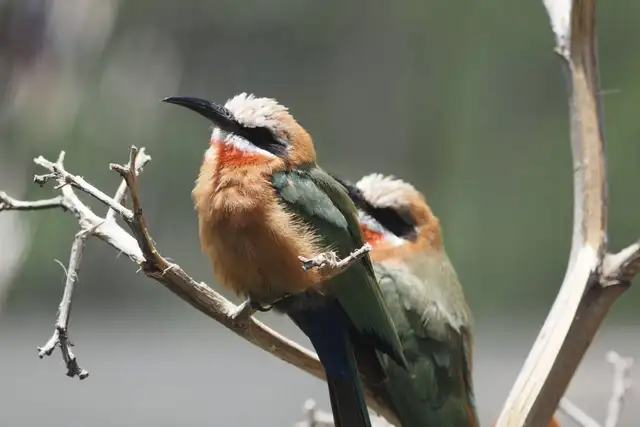
There are frequently asked questions regarding birdwatching adventures in Zimbabwe's Mana Pools National Park. First off, the Park, a UNESCO World Heritage Site known for its stunning scenery and an abundance of wildlife, is situated along the Zambezi River in northern Zimbabwe. The park, which is roughly 2,196 square kilometers in size, is also a top spot for birdwatching. Mana Pools is home to a diverse range of flora types, including open grasslands and riverine forests with a predominance of mahogany and ebony trees. This diversity creates unique habitats for many bird species, adding to the park's attraction. Species like the red-billed hornbill and white-fronted bee-eater inhabit savannah and woodland environments.
The lower Zambezi Valley, which includes vast floodplains, forests, and the well-known Mana Pools—oxbow lakes created by the meandering Zambezi River—is included in the park's vast area. These water sources draw a wide variety of birds, which makes it a great place for novice and expert birdwatchers alike.
Mana Pools National Park experiences a subtropical climate with distinct wet and dry seasons. There is little to no rainfall and bright skies during the dry season, which runs from May to October. Because of the improved visibility caused by the decreased vegetation, this time of year is great for birding. Bird activity is higher during the rainy season, which runs from November to April. Migratory species join the local bird population during this time.
What number of bird species may one find in Zimbabwe's Mana Pools National Park?
Mana Pools National Park is a sanctuary for birdwatchers, offering an astounding assortment of over 380 bird species. The park's varied ecosystems, which include open floodplains and riverine woods, combine to form a mosaic of settings that are home to both resident and migratory bird species. African fish eagle, Pel's fishing owl, African skimmer, Lilian's lovebird, long-toed lapwing, Rufous-bellied heron, and the Southern carmine bee-eater are a few of the bird species that may be found there.
Do Waterbirds exist in Zimbabwe's Mana Pools National Park?
Many different types of waterbirds are drawn to the park's large bodies of water, such as the Mana Pools and the Zambezi River. Along the riverbanks, birdwatchers can frequently find African finfoots, African skimmers, and Goliath herons, providing them with exceptional observation chances.
Does Zimbabwe's Mana Pools National Park have any birding hotspots?
Yes, the park has many great places to go birdwatching, including the Chitake Springs, where you can see rare species like the racket-tailed roller. The neighboring woodlands, floodplains, and riverbanks are excellent places to observe different bird species.
Does Zimbabwe's Mana Pools National Park have any Migratory bird Species?
Mana Pools National Park receives migratory birds throughout the wet season, enhancing the variety of birds in the area. Some of the migratory species that improve birdwatching are the European bee-eater, yellow wagtail, and white-winged Tern.
What equipment is needed for a Mana Pools National Park birdwatching adventure?
Birdwatchers should have the necessary equipment for a successful birdwatching trip at Mana Pools National Park. They include a good pair of binoculars for the best birdwatching, an extensive field guide or app on birds, and a camera with a telephoto lens for taking pictures of the many bird species.
For the varied weather and terrain, it's essential to bring a daypack with sunscreen and bug repellent, wear comfortable clothing, and wear solid footwear. A multi-pocketed birding vest or belt is useful for holding necessary items such as a water bottle and field guide, and a headlamp or flashlight is necessary for birdwatching in the early morning or late at night.
Extras like a power bank, a cozy bag, a sunhat for birdwatching, and personal identification with permits make for a well-planned and pleasurable birdwatching excursion in this stunning national park in Zimbabwe.
In what ways might visitors participate in responsible birdwatching and conservation efforts at Mana Pools National Park?
Mana Pools National Park's management is committed to protecting the area's abundant biodiversity, which includes a wide variety of birds. In order to protect this birding haven for future generations, visitors are urged to engage in responsible birdwatching and to abide by the park's regulations. Such rules include, avoid offering the birds food, do not poach them and do not litter in their habitats among others.
How much does it cost to go birdwatching in Zimbabwe's Mana Pools National Park?
The price of birding at Mana Pools National Park varies according on a number of variables, including the degree of guided help, lodging preferences, and entrance fees. One of the main costs is park entrance, which varies depending on whether a tourist is from abroad. Costs for lodging vary, with options ranging from luxurious resorts to camping grounds. Although they increase the cost overall, hiring knowledgeable birding guides or taking guided excursions can improve the experience.
The cost of getting to Mana Pools and any extras for activities like boat rides, game drives, and guided walks should also be taken into account. The length of stay, meals, and the purchase or rental of equipment, such as binoculars, are other factors influencing the total cost. For precise planning, get up-to-date information on costs and services by contacting the park authorities, lodges, or a reliable tour operator such as Lamz Tours and Travel.
How long does a Mana Pools National Park birdwatching safari take?
The perfect amount of time for a Mana Pools National Park birdwatching expedition depends on personal tastes and objectives. Travelers can typically spend a few days to many weeks discovering the varied avian habitats at Mana Pools.
Specific birdwatching objectives, seasonal fluctuations for migratory species, involvement in guided tours and activities, photography requirements, and the schedule as a whole—which can include more extensive wildlife encounters or cultural events—are all taken into account. The duration of stay is also influenced by travel time, choices for lodging, and practical considerations.
Although 3-7 days is the ideal time frame for a thorough birdwatching experience, aficionados with particular objectives or those who prefer a slower pace may choose to stay longer.
How do I get into Zimbabwe's Mana Pools National Park?
To enter Mana Pools National Park in Zimbabwe, birdwatchers have the choice of both road and air transport. The trip usually begins with a car trip from Zimbabwe's capital, Harare, which is around 370 kilometers distant. The 5-6 hour drive to the park provides the chance to observe the shifting scenery along the way.
Alternatively, travelers who wish to go birdwatching may choose to fly from bigger airports such as Harare to Mana Pools Airstrip. Flights to the airfield are offered by a number of charter flight operators, cutting the total journey time to about one to one and a half hours. In addition to saving time, this method of transportation provides amazing aerial views of the Zambezi Valley.
Whether they opt for the picturesque road trip or the easy air flight, once at Mana Pools National Park, birdwatchers may easily dive into the abundance of birdwatching options that this destination has to offer. For any inquiries or arrangements contact Lamz Tours and Travel through email at info@Lamz Tours and Travel.com and Lamz Tours and Travel@gmail.com or visit our website www.Lamz Tours and Travel.com for detailed itineraries and booking information. For personalized assistance, kindly reach out via phone call or WhatsApp to +000 000 000 000 and +000 000 000 000, ensuring a smooth and well-guided birding adventure that will leave you impressed.
Ready to plan your safari?
Talk to a Lamz Tours specialist and get a tailor-made quote.
Make an enquiry