On Uganda safari tours, planning a wildlife safari generates plenty of questions—from the best time to visit and what to pack, to the cost of permits and what animals you can expect to see . Whether you are planning a Uganda safari tour to Murchison Falls National Park, Queen Elizabeth National Park, Kibale National Park, or Lake Mburo National Park, these frequently asked questions will help you prepare for a successful and unforgettable wildlife safari in Uganda .
Popular Uganda Safari Packages
7 Days Wildlife Gorillas and Chimpanzees Safari In Rwanda and Uganda
14 Days Uganda Birding Safari Experience
14 Days Explore Uganda and Rwanda Gorilla Trekking Safari
12 Days Best of Uganda Wildlife Encounter and Cultural Safari
12 Day Uganda, Rwanda primate safaris with the big five in Akagera
12 Day wildlife safari in Uganda with relaxation at Zanzibar
FAQs About Uganda Wildlife Safari Tours
What Is the Best Time for a Uganda Wildlife Safari?
Uganda is a year-round destination, but the best wildlife viewing occurs during the dry seasons from June to August and December to February . During these months, trails are firmer, animals are more concentrated around water sources, and wildlife sightings are easier to find . The rainy seasons from March to May and October to November offer lower visitor numbers, more permit availability, discounted gorilla permits ($600), and lush green landscapes—but treks are tougher with muddy trails . For birding enthusiasts, the rainy seasons are actually the best time to visit, as migratory birds are present and resident species are in breeding plumage .
Which National Parks Should I Visit on a Uganda Safari?
Uganda's parks connect logically along two main routes—the western wildlife circuit and the eastern adventure circuit . For a classic safari experience, the top national parks include:
- Murchison Falls National Park: Uganda's largest conservation area, where the Nile plunges through a narrow gorge . Features game drives, Nile boat cruises, and Rothschild's giraffes .
- Queen Elizabeth National Park: Famous for tree-climbing lions in the Ishasha sector and boat safaris on the Kazinga Channel, with hippos, crocodiles, elephants, and abundant birdlife .
- Kibale National Park: The primate capital of East Africa, home to the highest density of chimpanzees anywhere in Africa—over 1,000 individuals alongside 12 other primate species .
- Lake Mburo National Park: Uganda's smallest savannah park, sheltering impala and eland that are rare elsewhere in Uganda . It is one of the best places to enjoy walking safaris, as the absence of elephants makes walking routes safer .
- Bwindi Impenetrable National Park: Home to approximately half of the world's remaining mountain gorillas .
- Mgahinga Gorilla National Park: Uganda's smallest park, offering gorilla trekking and golden monkey tracking .
How Many Days Do I Need for a Uganda Safari?
Minimum five days for Murchison Falls only . Seven to eight days for gorillas plus one savannah park . Ten to twelve days for a well-rounded first visit . Two weeks for Kidepo Valley National Park or deep exploration .
What Animals Can I Expect to See on a Uganda Safari?
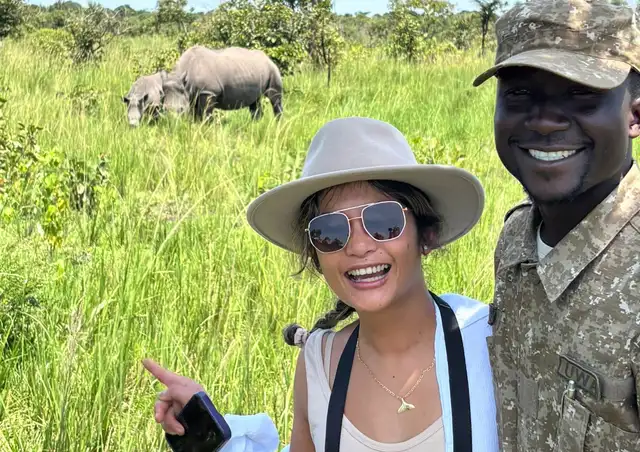
Uganda offers incredible wildlife diversity across its national parks . With the existence of Ziwa Rhino Sanctuary, Uganda is home to the Big Five (lion, leopard, rhino, elephant, and buffalo)—however, rhinos are not found in the national parks but at the sanctuary . Uganda offers a wide variety of other wildlife, including giraffes, zebras, hippos, several antelope species, and over 1,070 bird species . For a complete list of wildlife, you can refer to our comprehensive Uganda safari FAQ guide .
What Is the Cost of a Uganda Wildlife Safari?
The cost of a safari in Uganda varies depending on the duration, accommodation type, number of people, and activities included . Budget group tours start from $200 per day . Mid-range private safaris range from $300–$500 per person per day . Luxury safaris range from $600–$1,000+ per person per day . Gorilla permits are the largest single add-on at $800 per person, with low-season discounts at $600 in April, May, and November . Chimpanzee permits vary: Kibale ($250), Budongo ($130), and Kyambura Gorge ($50–$100) . Contact a tour operator for customized safari packages based on your budget .
Can I See the Big Five on a Uganda Safari?
Yes, with the existence of Ziwa Rhino Sanctuary, Uganda is home to all members of the Big Five (lion, leopard, elephant, buffalo, and rhinoceros) . However, rhinos are not found in the national parks—they are only at Ziwa Rhino Sanctuary, which is on the way to Murchison Falls National Park . Most travelers also add the unique experiences of gorilla and chimpanzee trekking, which are Uganda's signature wildlife encounters .
What Should I Pack for a Uganda Safari?
Packing for a Uganda safari tour requires thoughtful preparation :
Clothing: Pack lightweight, breathable clothing in neutral earth tones like khaki, olive, and brown . Long-sleeved shirts and long trousers are essential for protection against the sun, insects, and vegetation . A warm fleece or jacket is needed for chilly mornings, and a lightweight waterproof jacket handles unpredictable rain . Avoid bright colors—they may scare animals or attract unwanted attention .
Footwear: Sturdy, waterproof hiking boots with good ankle support are essential for gorilla and chimpanzee trekking, as trails can be muddy, steep, and uneven . Comfortable sandals or flip-flops are useful for downtime at the lodge .
Accessories: A wide-brimmed hat, high-SPF sunscreen, and UV-protected sunglasses are essential for protection from the equatorial sun . Gardening gloves protect hands from nettles and thorny vegetation during treks. Gaiters or long socks keep mud, seeds, and insects out of boots . A lightweight shemagh or desert scarf is useful for dusty roads .
Gear: Binoculars are essential for wildlife viewing and bird watching . A camera with extra batteries and memory cards helps capture unforgettable moments . A power bank and universal travel adapter are crucial for keeping devices charged . A headlamp is useful for early morning departures and camp use . Use a soft-sided duffel bag rather than a hard suitcase for easier packing in safari vehicles—many domestic flights have a strict 15 kg (33 lbs) weight limit .
Health and Safety Tips for Uganda Safari Tours
Before starting a Uganda safari tour, travelers should check recommended vaccinations . Yellow fever vaccination is mandatory—the International Certificate of Vaccination (yellow card) is required for entry into Uganda and is commonly checked at Entebbe Airport . Additional recommended vaccinations include Hepatitis A, typhoid, and Hepatitis B . Malaria is present across much of the country—consult your doctor about antimalarial medication, use insect repellent, and sleep under a mosquito net . Drink only bottled water . Travel insurance is essential and must cover medical evacuation .
Do I Need a Visa for a Uganda Safari?
Most travelers require a visa . Apply online for an e-visa (US$50 single entry) before travel at the official Uganda immigration portal . The East Africa Tourist Visa (US$100) covers Uganda, Kenya, and Rwanda if you are visiting multiple countries . Your passport must be valid for at least six months beyond your intended departure date .
Is Uganda Safe for Tourists?
Uganda is one of the friendliest and safest countries in East Africa . Safari regions are generally safe with a reputable tour operator . Standard precautions apply: avoid displaying valuables, avoid walking alone at night in isolated areas, and follow your guide's instructions near wildlife . Gorilla trekking has strict safety protocols—stay with your group and your ranger guides . Your tour manager is available 24/7 to address any concerns .
Can I Travel with Children on a Uganda Safari?
There is no age limit for most wildlife safaris in Uganda . However, for gorilla trekking, children must be 15 years or older—this is a strict rule with no exceptions . For chimpanzee tracking, the minimum age is 12 years . Younger children can participate in other activities, including game drives, boat safaris, nature walks, and cultural visits .
Why Book with Lamz Tours and Travel for Uganda Safari Tours
Booking your Uganda safari tours with Lamz Tours and Travel ensures a well-organised, safe, and unforgettable wildlife experience . Lamz Tours and Travel is a trusted tour operator operating across multiple African countries, including Uganda, Rwanda, Kenya, Tanzania, Morocco, South Africa, Botswana, and Namibia . Our local guides know the best times to visit each national park, the most reliable safari routes, and the best ways to combine wildlife viewing with gorilla trekking . On safaris in Uganda with Lamz Tours and Travel, we handle everything including airport transfers, accommodation, gorilla and chimp permits, guided tours, and transport . We also provide packing lists, visa guidance, and health preparation advice . You just show up with your camera and sense of adventure . Whether you want to see the Big Five in Murchison Falls, track chimpanzees in Kibale, or trek gorillas in Bwindi, Lamz Tours and Travel handles every detail . We also provide 24/7 support during your Uganda safari tours, ensuring a safe, stress-free, and unforgettable experience . For travelers seeking the ultimate wildlife safari in Uganda, Lamz Tours and Travel is the best choice .
Ready to plan your safari?
Talk to a Lamz Tours specialist and get a tailor-made quote.
Make an enquiry