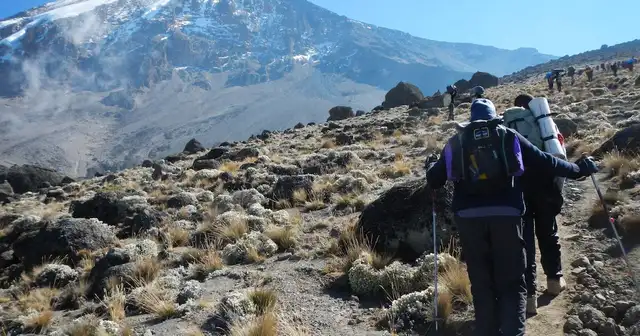
Kilimanjaro, located in Tanzania, is one of the most famous and highest mountains in the world. The mountain peak is over 19,000 feet high and attracts thousands of hikers and adventure seekers from all over the world every year. The allure of conquering this iconic mountain, with its snow-capped summit and diverse ecological zones, draws thousands of trekkers each year.
Kilimanjaro offers a unique experience, blending challenging trekking routes with breathtaking scenery and a sense of accomplishment that comes from reaching the famed Uhuru Peak. Whether you are a seasoned hiker seeking a new challenge or a first-time adventurer looking to push your limits, Kilimanjaro has something to offer for everyone.
How long does it take to hike Kilimanjaro?
The duration of a Kilimanjaro hiking tour can vary depending on the route chosen and the climber's physical condition and acclimatization to the altitude. On average, a Kilimanjaro hike takes between 5 to 9 days to complete. Some shorter routes like the Marangu route can be completed in 5 to 6 days, while longer and more scenic routes like the Lemosho or Machame routes typically take 6 to 9 days.
It's important to note that taking more time to hike Kilimanjaro increases your chances of successfully reaching the summit due to better acclimatization. The longer routes allow for a more gradual ascent, giving your body more time to adjust to the altitude and reducing the risk of altitude sickness.
How difficult is it to climb Kilimanjaro?
Climbing Kilimanjaro is a challenging endeavor that requires physical fitness, mental preparation, and determination. The difficulty level of the climb can vary depending on the route chosen, the climber's experience level, and how well they acclimatize to the high altitude. Kilimanjaro is the highest peak in Africa, standing at approximately 19,341 feet (5,895 meters) above sea level. The altitude, rugged terrain, and unpredictable weather conditions can present significant challenges to climbers.
What is the best time of year to hike Kilimanjaro?
The best times to climb Kilimanjaro are generally during the drier months, which coincide with the mountain's two main dry seasons. These periods are from January to mid-March and from June to October. During these months, the weather is typically clearer, with less rainfall and better visibility, providing optimal hiking conditions.
Do I need a guide to hike Kilimanjaro?
Yes, it is required to have a guide to hike Kilimanjaro. Guides are essential for ensuring safety and navigating the various routes to the summit. They are also knowledgeable about the mountain and can provide valuable information and support throughout the trek.
What are the different routes to the summit?
When it comes to embarking on a Kilimanjaro hiking tour, understanding the different routes to the summit is crucial for planning a successful and enjoyable trek. There are several routes to choose from, each offering unique experiences and challenges for hikers.
Marangu Route: Known as the "Coca-Cola" route, it is one of the most popular routes due to its gradual ascent and hut accommodations.
Machame Route: Often referred to as the "Whiskey" route, this is a more challenging and scenic route that offers stunning views and diverse landscapes.
Lemosho Route: This route is known for its beauty and relatively low traffic, making it a great choice for those seeking a quieter trek.
Rongai Route: Starting from the north side of the mountain, this route offers a different perspective and is less crowded compared to other routes.
Northern Circuit Route: The longest route, the Northern Circuit offers excellent acclimatization opportunities and breathtaking scenery.
Umbwe Route: Considered the most challenging route, the Umbwe route is steep and demanding, suitable for experienced hikers looking for a tough challenge.
Shira Route: Starting at a high altitude, the Shira route offers stunning views of the mountain but requires good acclimatization due to the rapid ascent.
Each route has its own characteristics and appeal, so it's essential to choose the one that best suits your fitness level, experience, and preferences to ensure a memorable and successful Kilimanjaro hiking tour.
Is altitude sickness a concern when hiking Kilimanjaro?
Yes, altitude sickness is a concern when hiking Kilimanjaro, as the mountain reaches heights of over 19,000 feet. It is important to acclimatize properly by ascending slowly and taking time to rest and hydrate. If symptoms of altitude sickness develop, it is essential to descend to a lower altitude and seek medical attention if necessary.
Do I need to be an experienced climber to hike Kilimanjaro?
No, you do not need to be an experienced climber to hike Kilimanjaro. However, you should be in good physical condition and be prepared for the physical demands of the hike. It is also recommended to have some experience with high-altitude trekking before attempting to climb Kilimanjaro.
What should I pack for a Kilimanjaro hike?
You should pack appropriate clothing for all weather conditions, including warm layers, waterproof gear, and sturdy hiking boots. Other essential items include a sleeping bag, hiking poles, a headlamp, and snacks for the trek. It is also important to bring plenty of water and high-energy snacks to stay hydrated and fueled during the climb.
Is there an age limit for hiking Kilimanjaro?
There is no specific age limit for hiking Kilimanjaro. However, due to the physical demands and altitude, it is recommended for individuals to be at least 12 years old and in good health. Parental consent may be required for minors. It is advisable to consult with your tour operator or guide for specific age restrictions and recommendations.
Why book Kilimanjaro hiking tour with Lamz Tours and Travel
Lamz Tours and Travel offers a unique and personalized experience, ensuring that every aspect of your journey is taken care of with utmost professionalism and attention to detail. Their team of experienced guides and porters are not only knowledgeable about the mountain and its surroundings but also passionate about providing a safe and enjoyable trekking experience. With Lamz Tours and Travel, you can rest assured that you are in good hands, as they prioritize safety and sustainability in all their operations.
Ready to plan your safari?
Talk to a Lamz Tours specialist and get a tailor-made quote.
Make an enquiry