Plan the best safari in Uganda to Queen Elizabeth National Park with this complete guide covering wildlife, activities, accommodation, and travel logistics.
Planning the Best Safari in Uganda to Queen Elizabeth National Park requires more than simply booking a trip and arriving at the destination. Travellers need to understand how the park is structured, how wildlife behaves across different regions, how long it takes to move between areas, and how each activity fits into a well-organised safari experience. Queen Elizabeth National Park stretches across approximately 1,978 square kilometres in western Uganda, located about 400 kilometres from Kampala, a journey that takes between 6 to 7 hours by road depending on the chosen route and stops along the way. The park is uniquely positioned between Lake George and Lake Edward, with the Kazinga Channel connecting the two water bodies, creating one of the richest wildlife habitats in East Africa.
Popular Uganda Tour Packages
Complete Guide to Planning the Best Safari in Uganda to Queen Elizabeth National Park
1. Choosing the Right Time for Your Safari
Choosing the right time is one of the most important steps when organising the Best Safari in Uganda, especially when visiting Queen Elizabeth National Park where weather patterns directly influence wildlife movement and accessibility. The dry seasons from June to September and December to February are most suitable for wildlife viewing because vegetation becomes thinner and animals concentrate around water sources. During these months, roads remain in better condition, making it easier to access distant sectors like Ishasha. Early morning game drives during the dry season often begin around 6:30 AM when predators are still active. However, the rainy seasons provide a different experience for travellers planning the Best Safari in Uganda. The park becomes greener, birdlife increases, and the scenery appears more vibrant around crater lakes and forest edges.
2. Deciding How Many Days to Spend there
Determining how many days to spend is essential when planning the Best Safari in Uganda, as Queen Elizabeth National Park offers multiple regions that cannot be fully explored in a very short time. A minimum of two days allows travellers to experience key highlights such as a game drive in Kasenyi Plains and a boat cruise along the Kazinga Channel. A well balanced itinerary for the Best Safari in Uganda usually includes three to four days within the park, giving travellers enough time to explore different sectors without feeling hurried. One day can be dedicated to game drives, another to the boat cruise, and an additional day to explore Ishasha Sector for tree-climbing lions. Extending the stay also allows travellers to include chimpanzee tracking in Kyambura Gorge.
3. Selecting Areas to Explore in the Park
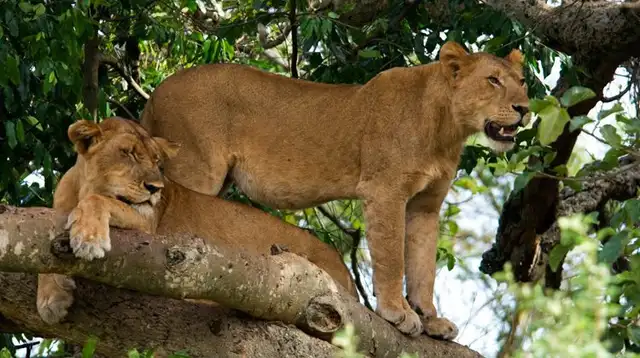
Understanding the different regions within Queen Elizabeth National Park is key when organising the Best Safari in Uganda, as each area offers unique wildlife viewing opportunities. The Kasenyi Plains host large populations of Uganda kob, which attract predators such as lions and leopards. This area is easily accessible from Mweya Peninsula, usually within a 30 to 45-minute drive. The Ishasha Sector, located in the southern part of the park, is well known for its tree-climbing lions that rest in fig trees during the heat of the day. Kyambura Gorge offers a completely different landscape with a forested valley where chimpanzee tracking takes place. Combining these areas allows travellers to experience the full diversity of the Best Safari in Uganda.
4. Planning Game Drives and Wildlife Viewing
Game drives form the backbone of the Best Safari in Uganda, and proper planning ensures that travellers maximise their chances of seeing a wide range of wildlife. Game drives are typically conducted in the early morning and late afternoon because these are the times when animals are most active. Morning drives usually start around 6:30 AM and last for about 3 to 4 hours, covering areas such as Kasenyi Plains where large herds of Uganda kob, buffalo, and elephants can be seen grazing. Evening drives, which begin around 4:00 PM, offer opportunities to see animals moving toward water sources. A well organised Best Safari in Uganda considers the routes taken during game drives, as different tracks lead to different wildlife sightings.
5. Including a Kazinga Channel Boat Cruise
A boat cruise along the Kazinga Channel is one of the most rewarding activities to include when planning the Best Safari in Uganda, as it provides a completely different perspective of wildlife compared to land-based game drives. The Kazinga Channel is a 32-kilometre natural waterway connecting Lake George to Lake Edward, supporting one of the highest concentrations of wildlife in the park. Boat cruises typically last between 2 to 3 hours and are usually scheduled in the afternoon when animals gather along the water. During the cruise, travellers often observe large pods of hippos, Nile crocodiles resting on the banks, and elephants walking down to the shoreline. The slow movement of the boat allows for close observation, making this a calm yet highly productive part of the Best Safari in Uganda.
6. Adding Chimpanzee Tracking in Kyambura Gorge
Including chimpanzee tracking in Kyambura Gorge adds a unique forest experience to the Best Safari in Uganda, offering a contrast to the open savannah landscapes. Kyambura Gorge lies about 30 kilometres from Mweya Peninsula, making it accessible within approximately 45 minutes by road. The gorge is a deep valley covered with dense forest, supporting a small but habituated population of chimpanzees. Tracking usually begins with a briefing from park rangers, followed by a guided walk that can take between 2 to 4 hours. Once the chimpanzees are located, travellers spend about one hour observing them as they move through the trees and interact within their group. This activity adds depth to the Best Safari in Uganda by combining primate experiences with traditional wildlife viewing.
7. Including Cultural and Scenic Experiences
Cultural and scenic experiences play an important role in completing the Best Safari in Uganda, allowing travellers to connect with the communities and landscapes surrounding the park. Katwe Salt Lake, located about 15 kilometres from Mweya Peninsula, offers insight into how local communities have been mining salt using traditional methods for generations. Visitors can walk through the salt pans and observe the extraction process. The park is also surrounded by several crater lakes formed by ancient volcanic activity, offering scenic viewpoints where travellers can stop and enjoy the quiet atmosphere. Including these experiences in the Best Safari in Uganda creates a more complete journey combining wildlife, landscapes, and human stories.
8. Understanding Wildlife Behaviour and Seasonal Movements
Planning the Best Safari in Uganda becomes more effective when travellers understand how wildlife behaves across different seasons. Animals do not stay in one place all year. During dry months, elephants, buffaloes, and antelopes gather around water sources like the Kazinga Channel, making sightings more predictable. In wetter months, animals spread into wider areas, meaning visitors may need longer drives to locate them. Predators such as lions in the Kasenyi Plains follow herds of Uganda kob, so knowing this relationship improves chances of sightings. In Ishasha, tree-climbing lions prefer fig trees during hotter hours. Understanding these patterns helps travellers plan the Best Safari in Uganda more productively.
9. Choosing the Right Safari Vehicle and Travel Company
The experience of the Best Safari in Uganda is greatly shaped by the type of vehicle used and the knowledge of the guide leading the journey. A proper safari vehicle, usually a 4x4 with a pop-up roof, allows travellers to stand and observe wildlife clearly across the savannah. Equally important is the guide. An experienced guide understands animal tracks, behaviour, and communication signals. For example, a skilled guide can interpret alarm calls from antelopes to locate predators nearby. This knowledge turns an ordinary drive into a detailed wildlife learning experience. Choosing the right vehicle and guide ensures comfort, safety, and deeper understanding during the Best Safari in Uganda.
10. Understanding Park Entry Fees and Activity Costs
A complete plan for the Best Safari in Uganda must include a clear understanding of park fees and activity costs. Every visitor is required to pay park entrance fees, which vary depending on nationality and length of stay. These fees contribute to conservation and maintenance of the park's wildlife and infrastructure. In addition to entry fees, travellers should budget for specific activities such as the Kazinga Channel boat cruise, chimpanzee tracking, and guided nature walks. Each activity has its own cost, and booking in advance is often recommended during peak seasons. Understanding these costs helps travellers avoid last minute surprises while designing a well-balanced Best Safari in Uganda.
11. Planning Safari Routes and Combining Destinations
Queen Elizabeth National Park is rarely visited alone when travellers plan the Best Safari in Uganda. It is often combined with nearby destinations to create a richer safari experience. One popular route starts from Kampala to Kibale Forest National Park, where travellers track chimpanzees before continuing to Queen Elizabeth National Park. This route allows a combination of forest and savannah experiences. Another common route connects Queen Elizabeth National Park to Bwindi Impenetrable National Park, especially for travellers interested in gorilla trekking after wildlife viewing. The Ishasha sector provides a natural link between these parks. Including multiple parks in one itinerary makes the Best Safari in Uganda more diverse.
12. Packing for Different Safari Conditions
Packing for the Best Safari in Uganda should reflect the different environments and conditions within Queen Elizabeth National Park. While the park is generally warm during the day, early morning and evening game drives can feel cool, especially in open vehicles. Light layers are recommended for adjusting to changing temperatures. Neutral coloured clothing such as khaki, green, or brown is ideal for blending into the environment and avoiding attracting insects. Comfortable walking shoes are necessary for nature walks. Travellers should also carry sunglasses, sunscreen, and a hat for protection. A small backpack is useful for carrying water and snacks. Packing thoughtfully ensures comfort across all activities during the Best Safari in Uganda.
Best Time to Visit Queen Elizabeth National Park on Best Safari in Uganda
The best time to enjoy the Best Safari in Uganda within Queen Elizabeth National Park remains the dry seasons of June to September and December to February, when wildlife viewing is more predictable due to reduced vegetation and easier road access. However, travellers should also consider their personal preferences, as visiting during the rainy season offers greener landscapes, increased birdlife, and fewer crowds, even though some areas may require careful navigation due to muddy conditions.
How to Get to Queen Elizabeth National Park on a Best Safari in Uganda
Reaching Queen Elizabeth National Park is an important part of planning the Best Safari in Uganda, and travellers can choose between road transport and domestic flights. By road, the journey from Kampala covers approximately 400 kilometres and takes around 6 to 7 hours, passing through towns such as Mbarara or Fort Portal. Domestic flights from Entebbe to Kasese airstrip take about 1 hour, followed by a 1 to 2-hour transfer to the main lodge areas for the Best Safari in Uganda.
Things to Do on a Safari in Queen Elizabeth National Park on Best Safari in Uganda
The Best Safari in Uganda within Queen Elizabeth National Park includes a wide range of activities such as game drives, boat cruises, chimpanzee tracking, bird watching, guided nature walks, and cultural visits. Each activity offers a different perspective of the park, allowing travellers to explore both wildlife and landscapes in a balanced and engaging way.
What to Come along with for the Best Safari in Queen Elizabeth National Park on Best Safari in Uganda
Preparing properly for the Best Safari in Uganda ensures comfort throughout the journey. Travellers should pack lightweight clothing in neutral colours, comfortable walking shoes, a hat, sunscreen, insect repellent, binoculars, and a camera. A light jacket is also useful for early morning game drives when temperatures can be cooler.
Where to Stay for the Best Accommodation during your Best Safari in Uganda
Accommodation is a key part of planning the Best Safari in Uganda, and Queen Elizabeth National Park offers a wide range of options to suit different travel styles and budgets. Luxury lodges are often located on elevated areas overlooking the Kazinga Channel or open plains, providing wide views where animals can sometimes be seen moving in the distance. Mid-range lodges and tented camps provide a balance between comfort and affordability, usually located close to main wildlife areas. Budget options are also available for travellers seeking simpler accommodation. Choosing where to stay depends on the planned itinerary, as staying near Mweya Peninsula allows easy access to the Kazinga Channel and Kasenyi Plains, while lodges in Ishasha provide closer access to tree-climbing lions during the Best Safari in Uganda.
Health and Safety Tips on a Best Safari in Uganda
Health and safety are essential considerations when planning the Best Safari in Uganda, especially when engaging in wildlife activities. Travellers are advised to follow all instructions given by professional guides and park rangers. During game drives, visitors should remain inside the vehicle unless advised otherwise. Carrying drinking water is important to stay hydrated, particularly during long drives under the sun. Travellers should also use insect repellent to protect against bites, especially in areas near water. For chimpanzee tracking, wearing appropriate footwear helps prevent slipping on uneven forest trails. Following these precautions allows visitors to safely enjoy the Best Safari in Uganda.
Why Book with Lamz Tours and Travel for your Best Safari in Uganda
Booking with Lamz Tours and Travel ensures that every detail of the Best Safari in Uganda is carefully organised, from transport and accommodation to guided activities within Queen Elizabeth National Park. The company's experienced guides understand wildlife behaviour, park routes, and timing of activities, allowing travellers to make the most of their safari experience. Lamz Tours and Travel also arranges permits, selects suitable lodges based on traveller preferences, and ensures smooth coordination between different parts of the itinerary. With local knowledge and professional planning, visitors can focus on enjoying the Best Safari in Uganda.
Beyond Queen Elizabeth National Park on a Best Safari in Uganda
Beyond Queen Elizabeth National Park, Lamz Tours and Travel also organises expertly planned trips across South Africa, Kenya, Tanzania, Morocco, Rwanda, Malawi and other African destinations.
Ready to plan your safari?
Talk to a Lamz Tours specialist and get a tailor-made quote.
Make an enquiry