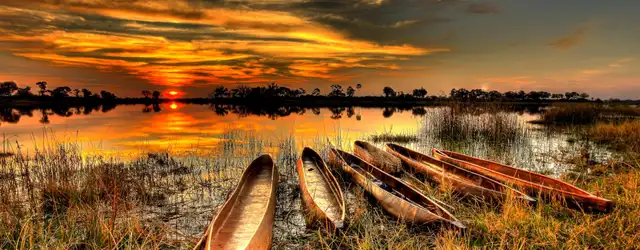
When planning an unforgettable African safari adventure, there are few experiences that can rival the thrill of a mokoro safari in the Okavango Delta combined with the breathtaking beauty of the Ngorongoro Crater Lakes. These two iconic destinations offer an unparalleled opportunity to immerse yourself in the natural wonders of Botswana wildlife safari and Tanzania wildlife safari, and to witness some of the most spectacular wildlife on the planet.
The Okavango Delta is a stunning oasis located in northern Botswana, known for its unique ecosystem and diverse wildlife. One of the best ways to experience the beauty of the Okavango Delta is through a mokoro safari, a traditional dugout canoe ride that allows visitors to glide through the narrow waterways and observe the wildlife up close. The peaceful and serene experience of a mokoro safari is truly unforgettable, making it a must-do activity for anyone visiting the Okavango Delta.
This unique ecosystem supports a dazzling array of wildlife and is a UNESCO World Heritage Site. The mokoro, a traditional dugout canoe, is the perfect vessel for navigating the labyrinth of waterways that crisscross the delta. Drifting silently through the crystal-clear channels, you will have the opportunity to observe an abundance of birdlife, from majestic African fish eagles to vibrant malachite kingfishers. Keep your eyes peeled for sightings of elusive sitatunga antelope and playful hippos wallowing in the shallows. The Okavango Delta truly is a paradise for nature lovers.
Ngorongoro Crater, located in northern Tanzania, is a geological marvel and home to one of the densest populations of wildlife in Africa. Formed by the collapse of a massive volcano millions of years ago, the crater is now a haven for an incredible variety of animals, including the iconic Big Five lion, elephant, buffalo, leopard, and rhinoceros. The Ngorongoro Crater Lakes, which dot the floor of the crater, add an extra dimension to this already mesmerizing landscape. These shimmering pools attract flocks of flamingos and other waterfowl, creating a scene of ethereal beauty that is simply unforgettable.
What is a Mokoro safari?
A mokoro is a traditional dugout canoe that has been used by the local people of the Okavango Delta for centuries. Originally crafted from the trunks of large trees, modern mokoros are often made from fiberglass to help preserve the delta's fragile ecosystem. These canoes are propelled through the shallow waters of the delta using a long pole, allowing for a peaceful and non-intrusive way to navigate the waterways.
Is it safe to go on a mokoro safari on Okavango delta?
Yes, mokoro safaris are generally considered safe when conducted by experienced guides who are familiar with the delta's waterways and wildlife. However, it's important to follow your guide's instructions and adhere to safety protocols at all times. This includes staying seated in the mokoro and refraining from making sudden movements that could startle any nearby wildlife.
How long does a typical mokoro safari last?
The duration of a mokoro safari can vary depending on your package chosen. While some safaris may last just a day or two, others offer longer experiences that span several days and include multiple nights of camping in the delta. It's important to consider your own preferences and available time when selecting a safari itinerary.
What can I expect to see on a mokoro safari?
The Okavango Delta is home to a rich diversity of wildlife, including elephants, hippos, crocodiles, and a wide variety of bird species. On a mokoro safari, you can expect to encounter these animals up close and observe their natural behaviors in their pristine habitat. The delta also boasts stunning landscapes of winding waterways, lush reed beds, and picturesque islands, providing ample opportunities for breathtaking excursions.
What is the best time of year for a mokoro safari?
The best time to encounter on a mokoro safari in the Okavango Delta is during the dry season, which typically spans from May to October. During this time, water levels are lower, concentrating wildlife around the remaining water sources and making them easier to spot. Additionally, the dry season offers pleasant weather with cooler temperatures, making it an ideal time for outdoor activities.
How can I book a mokoro safari in the Okavango Delta?
You can book your mokoro safaris in the Okavango Delta through Lamz Tours and Travel. Booking with Lamz Tours and Travel you we will provide you with experienced guides who prioritize sustainable and responsible tourism practices to ensure that you'll have a well-organized and memorable mokoro safari experience while contributing to the conservation of this pristine wilderness.
Game drives
One of the most popular activities in the Okavango Delta is encountering on a game drive. While on game drives you can explore the delta's diverse landscapes in open 4x4 vehicles, accompanied by experienced guides who are knowledgeable about the area's flora and fauna. Game drives offer the opportunity to encounter a wide variety of wildlife, including elephants, lions, leopards, buffalo, and an array of bird species. The early morning and late afternoon game drives are particularly rewarding, as this is when many animals are most active.
Walking Safaris
For those seeking a more intimate and immersive experience in the Okavango Delta, walking safaris provide a unique opportunity to explore the wilderness on foot. Accompanied by expert guides, visitors can gain a deeper understanding of the delta's ecology, tracking wildlife and learning about the smaller details of the ecosystem. Walking safaris offer a chance to appreciate the sights, sounds, and scents of the delta up close, providing a different perspective from traditional vehicle-based safaris.
Cultural experiences
In addition to its natural wonders, the Okavango Delta is also home to several local communities whose traditional lifestyles and customs have been intertwined with the delta for generations. Visitors have the opportunity to engage in cultural experiences such as visiting local villages, interacting with community members, and learning about their traditional practices and crafts. This offers a valuable insight into the rich cultural heritage of the region, providing a deeper appreciation for the interconnectedness of people and nature in the delta.
Bird Watching
With its diverse habitats ranging from floodplains to woodlands, the Okavango Delta is a haven for bird watchers. The delta is home to over 400 bird species, making it an ideal destination for ornithology lovers. Guided bird-watching excursions offer the chance to spot an array of colorful and unique birdlife, including African fish eagles, malachite kingfishers, herons, and storks. The delta's varied ecosystems provide ample opportunities for bird watching throughout the year.
The magnificent Ngorongoro crater Lakes
The Ngorongoro Crater, often referred to as the “eighth wonder of the world,” is not just a breathtaking sight; it is a stunning geological marvel that tells a fascinating story of the Earth's history. Formed millions of years ago by a colossal volcanic eruption that caused the mountain to collapse and create a vast, bowl-like caldera, this UNESCO World Heritage Site spans approximately 20 kilometers in diameter and is home to one of the most diverse ecosystems on the planet. Ngorongoro Crater is home to a variety of lakes, each with its own distinct characteristics and beauty. These lakes provide vital water sources for the wildlife that inhabits the area, making them essential to the ecosystem of the crater.
In which country is Ngorongoro crater located?
Ngorongoro Crater is located in Tanzania, a country in East Africa known for its stunning wildlife and natural beauty. The Ngorongoro Crater is often referred to as the "Eighth Wonder of the World" and is a must-see destination for any wildlife lover. When encountering on a Tanzania wildlife safari, the Ngorongoro Crater is a highlight that should not be missed. With its diverse range of wildlife, including lions, elephants, and rhinos, the crater offers a unique opportunity to observe these magnificent creatures in their natural habitat.
Are the Ngorongoro Crater Lakes safe for swimming?
Due to the alkaline and mineral-rich nature of the lakes, swimming is not recommended. The high alkalinity can be harmful to human skin and eyes, and the lakes may also contain hazardous chemicals and minerals. Visitors are advised to admire the beauty of the lakes from a safe distance and to follow park regulations regarding wildlife viewing and conservation.
What makes these lakes unique?
The Ngorongoro Crater Lakes are unique due to their alkaline nature, which is a result of the volcanic activity in the area. This alkalinity makes the lakes inhospitable to many aquatic species, but it also creates a habitat for specialized organisms such as flamingos and algae. The lakes also provide essential water sources for the wildlife within the crater, making them vital to the ecosystem.
What wildlife can be found around the lakes?
The Ngorongoro Crater Lakes are home to a variety of wildlife, including large populations of flamingos, which are attracted to the alkaline waters teeming with their primary food source, algae. Other bird species such as pelicans and storks can also be spotted around the lakes. Additionally, the surrounding grasslands and forests support a diverse range of mammals, including elephants, buffalo, and various species of antelope.
Best safari activities to do in Ngorongoro crater
Game drives
One of the most popular activities in Ngorongoro Crater is the game drive. This is an opportunity to explore the vast expanse of the crater and witness its incredible wildlife up close. The crater is home to a wide variety of animals, including lions, elephants, buffaloes, rhinos, and many more. A game drive offers the chance to see these animals in their natural habitat and observe their behavior in the wild.
Bird watching
Ngorongoro Crater is also a paradise for bird watchers, with over 500 species of birds recorded in the area. From vibrant flamingos to majestic birds of prey, the crater provides ample opportunities for birders to spot and photograph a diverse array of avian species. Bird watching in Ngorongoro Crater is a peaceful and rewarding experience for those who appreciate the beauty and diversity of birdlife.
Walking Safaris
For those who prefer a more active and immersive experience, walking safaris in Ngorongoro Crater offer a unique opportunity to explore the terrain on foot. Accompanied by experienced guides, visitors can trek through the crater's varied landscapes, from grassy plains to dense forests, while learning about the flora and fauna that call this ecosystem home. Walking safaris provide a deeper connection to the natural environment and allow for a more intimate wildlife viewing experience.
What is the best time to visit the Ngorongoro Crater Lakes?
The Ngorongoro Crater Lakes can be visited year-round, but the best time to see large numbers of flamingos is during the dry season (from June to October). During this time, water levels in the lakes decrease, concentrating the flamingos in smaller areas and providing excellent opportunities for birdwatching.
Why book Okavango delta mokoro safari with Ngorongoro crater with Lamz Tours and Travel
When booking an Okavango Delta mokoro safari combined with a visit to the Ngorongoro Crater, choosing Lamz Tours and Travel is the ideal choice for an unforgettable experience. By opting for this unique combination, travelers can immerse themselves in the natural beauty of both destinations, experiencing the tranquility of the Okavango Delta while also witnessing the breathtaking wildlife in the Ngorongoro Crater.
Ready to plan your safari?
Talk to a Lamz Tours specialist and get a tailor-made quote.
Make an enquiry