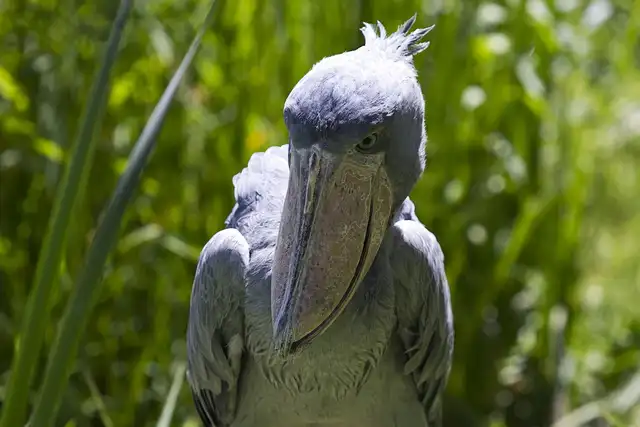
Combining Mabamba Swamp shoebill bird watching and gorilla trekking in Bwindi offers you a unique chance to observe the shoebill stork bird in Mabamba Swamp and the mountain gorillas in their natural habitat.
Among the most sought-after activities are shoebill bird watching in Mabamba Swamp and gorilla trekking in Bwindi Impenetrable National Park. Combining these two activities offers an unparalleled adventure, blending the thrill of birding with the awe of encountering mountain gorillas. We will provide an in-depth guide on how to plan and enjoy this unique Uganda safari experience.
Our Popular Packages
2 Days Gorilla Trekking Safari to Bwindi National Park
3 Day Uganda Gorilla Habituation Safari
3 Days Flying Safari to Gorilla Trekking.
3 Days Gorilla Trekking in Mgahinga Gorilla National Park.
3 Days Uganda Gorilla Trekking Safari and Batwa Pygmies Visit in Bwindi National Park
4 Days Golden monkeys And Gorilla Trekking Safari
4 days safari with Gorilla and Queen Elizabeth national park
5 Days wildlife, Gorillas and Chimpanzee Trekking safari In Uganda
7 Days Primates Adventure Safari in Uganda.
10 Days Uganda Ultimate Primate Safari
12 Days Best of Uganda Wildlife Encounter and Cultural Safari
How to Plan a Mabamba Swamp Shoebill Bird Watching and Gorilla Trekking in Bwindi
Day 1: Arrival in Entebbe and Transfer to Mabamba Swamp
Upon arrival at Entebbe International Airport, you will be met by your guide and transferred to your hotel in Entebbe. After a brief rest, you will take a boat ride from Entebbe to Mabamba Swamp.
In the afternoon, embark on a bird-watching tour in Mabamba Swamp. The highlight will be spotting the elusive shoebill stork along with other bird species such as the African jacana, Malachite kingfisher, and Papyrus gonolek.
Accommodation: Hotel in Entebbe
Meals: Lunch and dinner at the resort.
Day 2: Full Day Bird Watching in Mabamba Swamp
After breakfast, you will head back to Mabamba Swamp for a full day of bird watching. Spend the day exploring the swamp by canoe, guided by experienced birding guides. Look out for a variety of bird species and enjoy the serene environment of the swamp.
Accommodation: Overnight at Hotel
Meals: Breakfast, packed lunch during the birding tour, and dinner at the hotel.
Day 3: Transfer to Bwindi Impenetrable National Park
After an early breakfast, you will be transferred to Entebbe Airport for a domestic flight to Kihihi or Kisoro airstrip. From there, you will take a scenic drive to Bwindi Impenetrable National Park.
Upon arrival, check into your lodge and relax. In the afternoon, you can take a guided nature walk around the lodge to acclimatize to the altitude and enjoy the beautiful scenery.
Accommodation: Overnight at Lodge.
Meals: Breakfast at the resort, lunch en route, and dinner at the lodge.
Day 4: Gorilla Trekking in Bwindi Impenetrable Forest
After an early breakfast, you will be driven to the park headquarters for a briefing on gorilla trekking. Go on a thrilling gorilla trekking adventure. Trek through the dense forest, guided by experienced rangers, until you find a gorilla family. Spend an hour observing these magnificent creatures in their natural habitat.
Accommodation: Overnight at lodge.
Meals: Breakfast at the lodge, packed lunch during the trek, and dinner at the lodge.
Day 5: Bird Watching in Bwindi and Departure
After breakfast, you will go on a morning bird watching tour in Bwindi Impenetrable National Park. Explore the park's diverse birdlife, including species like the African green broadbill and Rwenzori turaco. After the birding tour, you will be transferred to Kihihi or Kisoro airstrip for your flight back to Entebbe. Alternatively, we can have a 7-8-hour drive through the scenic views of Uganda’s countryside.
Accommodation: No accommodation as you will be departing.
Meals: Breakfast at the lodge and lunch en route.
Best Time to Spot the Shoebill Stork
The best time to see the shoebill stork in Mabamba Swamp is during the dry season, which typically runs from December to February and June to August. During these months, the water levels in the swamp are lower, forcing the shoebills to come out of the deeper parts of the swamp in search of food. Early mornings are particularly ideal for spotting these birds, as there is less fishing activity, and the shoebills are more active and visible.
What Else to See in Mabamba Swamp Other Than the Shoebill Stork
While the shoebill stork is the star attraction, Mabamba Swamp is home to a diverse array of bird species and other wildlife. Some of the notable birds you can spot include:
- Blue Swallow
- Pallid Harrier
- Papyrus Gonolek
- Swamp Flycatcher
- Pygmy Goose
- Lesser Jacana
- White-winged Warbler
- Viellot’s Weaver
- Grosbeak Weaver
- Palm-nut Vulture
- Carruther’s Cisticola
In addition to birds, Mabamba Swamp is also home to the endangered Sitatunga antelope, which can be spotted grazing in the swampy areas.
Where Else to Do Birding in Uganda
Uganda is a birding paradise with numerous hotspots across the country. Here are some of the best places for bird watching in Uganda:
Murchison Falls National Park:
Birding in Murchison Falls National Park is always a rewarding experience, enhanced by the park’s diverse wildlife and stunning landscapes, including the iconic Murchison Falls. As you walk through the dry thorn shrub between Red Chilli Rest Camp and the ferry crossing, you might spot birds such as the Blue-bellied Warblers, Black-headed Gonolek, Vitelline Masked Weaver, and Green-winged Pytilia.
During a boat trip on the Victoria Nile, you can see various birds along the shore, including African Skimmers, African Fish Eagles, and Grey Crowned Cranes. There is also a good chance of spotting the elusive shoebill stork near the Nile Safari Camp, just outside the park boundary.
Murchison Falls National Park is one of the premier destinations for a Uganda game safari. The boat cruise to Murchison Falls is a highlight, offering mesmerizing views as you approach the world’s most powerful waterfall. Additionally, the park offers activities like chimpanzee trekking in Kaniyo Pabidi Forest, making it a versatile and exciting destination for wildlife enthusiasts.
Makanaga Swamp
Makanaga Swamp located in Mpigi district is renowned for its rich birdlife, making it a prime destination for birdwatching. The swamp provides a perfect habitat for the shoebill stork, a rare and prehistoric-looking bird that draws birders from around the world. The shoebill, known for its large, shoe-shaped bill, can often be seen standing motionless in the swamp, waiting to catch fish.
In addition to the shoebill, Makanaga Swamp is home to over 300 bird species, including the Yellow-billed Duck, Spur-winged Goose, White-faced Whistling Duck, and Malachite Kingfisher. The swamp’s diverse ecosystem supports a variety of other bird species, making it a rewarding spot for avid birders.
Queen Elizabeth National Park:
Nestled within the floor of the Rift Valley, Queen Elizabeth National Park boasts one of the longest lists of bird species in the world. With over 605 bird species recorded and counting, this park is a birdwatcher’s paradise. The diverse habitats, ranging from savannah and wetlands to gallery and lowland forests, contribute to this impressive variety.
In the southern part of the park, the Edward Flats provide an excellent opportunity to see saddle-billed storks and other bird species. The Kazinga Channel Swamp is another prime location where you might spot the elusive shoebill stork.
The Kazinga Channel itself is a natural magnet for a wide variety of birds, including foreign migrants and Albertine Rift endemics. During a launch cruise on the Kazinga Channel, you can spot birds such as the African Open-billed Stork, African Fish Eagle, Great and Long-tailed Cormorants, Common Squacco Heron, Swamp Flycatcher, and Yellow-backed Weaver.
From Baboon Cliff, you have a good chance of spotting raptors like the Lanner Falcon, Temminck’s Courser, Collared Pratincole, Snake Eagle, and Bateleur.
While exploring Queen Elizabeth National Park, you can also enjoy game drives with opportunities to see lions, leopards, waterbucks, bushbucks, hyenas, and more. The scenic crater lakes region within the park adds to the rewarding experience of visiting this remarkable destination.
Kibale National Park
Kibale Forest is renowned for its large population of chimpanzees, but it is also a prime birding destination in Uganda, boasting over 325 bird species. This tropical rainforest is a haven for a diverse array of rainforest birds.
Walking along the main road from the Kanyanchu Visitor Center to the bridge, you can spot a variety of birds. Common sightings include the scarce Grey-headed Oliveback, Green-backed Twinspot, Handsome Francolin, and Black-and-white Mannikin, among others.
A visit to the Bigodi Wetland Sanctuary offers additional opportunities to see the shoebill stork and other bird species.
Kibale Forest is home to about 13 primate species, including chimpanzees, blue monkeys, L’Hoest’s monkeys, pottos, vervet monkeys, grey-cheeked mangabeys, and bush babies.
Mabira Forest
Mabira Forest is another excellent birding destination in Uganda. Despite challenges from human encroachment, deforestation, and agriculture, this vast natural forest remains a birding hotspot. Birdwatchers in Mabira Forest may encounter species such as the Red-faced Woodland Warbler and Western Green Tinkerbird.
From Mabira Forest, you can visit the source of the River Nile in Jinja. The dramatic point where the Nile’s waters surge from the calm Lake Victoria is a sight to behold.
Bwindi Impenetrable National Park
Bwindi Forest is famous for its mountain gorillas but is also a birding paradise in Uganda, with over 350 bird species, including Albertine Rift endemics. The Ruhija sector is particularly popular for birding, offering a chance to combine gorilla trekking with birdwatching.
Birding in Bwindi Forest may reveal species such as the Red-faced Woodland Warbler, African Hill Babbler, White-tailed Crested Flycatcher, Collared Apalis, Mountain Masked Apalis, Chestnut-throated Apalis, and Cinnamon-chested Bee-eater.
Bwindi Impenetrable National Park has four gorilla trekking areas: Buhoma, Rushaga, Ruhija, and Nkuringo. A gorilla permit is required for trekking. The Park also offers a gorilla habituation experience, allowing visitors to spend four hours with a semi-habituated gorilla family, for which a special permit is needed.
Mgahinga National Park
Located in southwestern Uganda, Mgahinga National Park is home to mountain gorillas and is an emerging birding destination with over 115 bird species identified. Birding in Mgahinga can be particularly rewarding along the gorge trail, which loops halfway up Mount Sabyinyo.
Bird species you might encounter in Mgahinga include the Malachite Sunbird, Montane Double-collared Sunbird, Alpine Chat, and Rwenzori Turaco.
Mpanga Forest
Mpanga Forest, situated along the Kampala to Masaka Road, is a great birding spot on the outskirts of Kampala. Birdwatchers in Mpanga Forest may see species such as the Red-faced Woodland Warbler and Vitelline Masked Weaver.
Is Birding in Mabamba Swamp Safe?
Yes, birding in Mabamba Swamp is safe. The local community has embraced conservation efforts, and many former fishermen have been trained as bird guides. These guides are knowledgeable about the swamp and its inhabitants, ensuring a safe and informative birding experience. Additionally, the swamp is a Ramsar-listed wetland of international importance, highlighting its significance and the efforts to protect it.
How Long Does It Take to Locate the Shoebill in Mabamba Swamp?
The time it takes to locate the shoebill in Mabamba Swamp can vary. On average, it takes about 1 to 2 hours to spot the shoebill, depending on the bird’s location and the time of day. Early mornings are generally the best time to increase your chances of a sighting.
Is Birding in Mabamba Swamp Difficult?
Birding in Mabamba Swamp is relatively easy and accessible to birders of all levels. The swamp is navigated by boat, and the local guides are skilled at manoeuvring through the channels to find the best birding spots. The terrain is flat, and the boat rides are generally smooth, making it a comfortable experience for most visitors.
What to Pack for a Birding Safari to Uganda (Mabamba Swamp)
When planning a birding safari to Uganda, especially to Mabamba Swamp, it’s essential to pack appropriately to ensure a comfortable and successful trip. Here are some items to consider:
- Binoculars: Essential for spotting birds from a distance.
- Camera: To capture the stunning birdlife and landscapes.
- Field Guide: A birding field guide specific to East Africa or Uganda.
- Comfortable Clothing: Lightweight, breathable clothing in neutral colours to blend in with the environment.
- Hat and Sunglasses: To protect against the sun.
- Insect Repellent: To ward off mosquitoes and other insects.
- Waterproof Gear: Including a rain jacket and waterproof bag for your equipment.
- Snacks and Water: To stay hydrated and energized during your birding excursions.
- Notebook and Pen: To jot down notes and bird sightings.
Mabamba Swamp is a must-visit destination for any birdwatcher on a Uganda safari tour. The best time to see the shoebill stork is during the dry season.
Cost of Gorilla Trekking in Uganda
As of 1st July 2024, the cost of a gorilla trekking permit in Uganda is $800 per person for foreign non-residents, USD 700 for foreign residents the rest of Africa $500 and UGX 300,000 for East African citizens. The permit fee includes park entry, a guided trek, and one hour with a gorilla family. This fee contributes to conservation efforts and community development projects, ensuring the protection of these endangered animals and their habitats.
Is Gorilla Trekking Safe in Uganda?
Yes,gorilla trekking in Uganda is generally safe when conducted with the guidance of experienced professionals. The Uganda Wildlife Authority (UWA) enforces strict rules to ensure the safety of both visitors and gorillas. These include maintaining a minimum distance from the gorillas, limiting the number of visitors per group, and prohibiting sick individuals from participating in the trek.
Gorilla Trekking rules and regulations in Uganda
Mountain gorillas are an endangered species that were almost extinct due to constant poaching from the locals, but with the coming and conservation ideas of the Uganda Wildlife Authority, gorillas survived. With the help of the government of Uganda, some rules have been set up to continue conserving the natural habitat of the Mountain gorillas. The rules are to be followed by all who intend to go for a gorilla trek for your safety and the safety of the gorillas, and these include:
- Uganda’s gorilla trekking age limit is 15 years, and no one below that age will be allowed to trek the gorillas.
- Feeding of the Mountain gorillas is prohibited.
- After locating the gorillas, the trekkers are allowed a maximum of an hour with the gorillas studying their behavioral patterns and taking photos and videos.
- You need to keep a distance of about 7 to 10 meters away from the gorillas.
- Gorillas are not used to flash photography, so make sure that you turn your camera flash off before taking photos.
- A maximum of 8 people is allowed to trek the assigned gorilla families.
- Holes 30 cm deep are to be dug and covered for hikers planning on using the toilet because there are no toilets within the national park.
- Avoid littering the national park with rubbish by leaving it the way you found it.
- Do not in any way get close to the gorillas to avoid passing on infections in case you are sick.
- No one can eat, smoke, or drink with the gorillas.
- Avoid staring at the gorillas in the eye, don’t put on sunglasses, and in cases where the gorillas approach you, follow the instructions given to you by the guides.
Packing for a Gorilla Trekking Safari in Uganda
Packing for a gorilla trekking safari to Uganda requires some careful planning. Here are some essentials to bring:
- Pack some warm clothes like sweaters for when the weather drastically changes.
- A raincoat is necessary whether you are travelling in the dry or wet season.
- Long-sleeved shirts and trousers protect your skin from insect bites, keep you warm, and protect your skin from tree scratches. The clothes packed should be neutral or in brown, khaki, and green colours. Avoid blue, any other brightly coloured clothes, and black. Also, make sure to avoid jeans.
- First aid kit fully packed with all the medicines prescribed by your doctor, bandages, spirit, iodine, cotton, tummy ache medicines, pain killers, and other things needed to treat scratches during the trek.
- Gaiters, socks, and garden gloves are needed. The socks are used to keep you warm, and during the trek, trousers are tucked into the socks to prevent insects from crawling up your pants. The garden gloves and non-surgical gloves protect your hands from tree scratches during the trek, and the adjustable gaiters are mainly used during the wet season.
- Strong ankle-length boots are necessary to keep your feet steady on the trek, especially during the wet season. They should be well-fitting to avoid blisters and waterproof if you can get them.
Other items that you need to pack include a refillable water bottle, flashlight, extra batteries, camera and extra lenses, binoculars, wet wipes, biodegradable toilet paper, scarf, sandals, sunscreen, insect repellent, a sun hat, and toiletries, among others.
Contact Us for more information and explore the wonders of birding in Mabamba Swamp and gorilla trekking safari in Uganda. Book your Uganda safari packages today and experience the thrill of spotting the shoebill stork and mountain gorillas in their natural habitat.
Ready to plan your safari?
Talk to a Lamz Tours specialist and get a tailor-made quote.
Make an enquiry