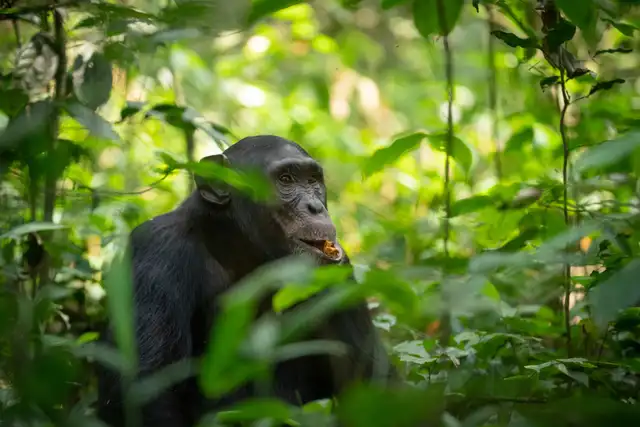
Combining chimpanzee trekking in Uganda and Kenya wildlife safari; Africa, the cradle of humanity, is home to some of the most fascinating and breathtaking creatures on the planet. The continent is alive with the sounds of laughter, chirping, and rustling, as the majestic primate roams freely. For those who have a deep passion for wildlife and adventure, there's no better way to experience the thrill of the wild than by embarking on a journey that combines chimpanzee trekking in Uganda and a wildlife safari in Kenya.
Uganda, often referred to as the "Pearl of Africa," is renowned for its lush forests, misty mountains, and abundant wildlife. One of the highlights of a visit to Uganda is the opportunity to track chimpanzees in their natural habitat. The country is home to several primate species, including our closest relatives, the chimpanzees. Kibale National Park and Budongo Forest Reserve are two of the best places in Uganda to embark on a chimpanzee trekking adventure.
Kenya is world-renowned for its spectacular national parks and reserves, which are teeming with iconic African wildlife. The Masai Mara National Reserve is a must-visit destination for wildlife enthusiasts, particularly during the Great Migration when millions of wildebeest, zebras, and other herbivores cross the Mara River in search of greener pastures. Witnessing this natural spectacle is a once-in-a-lifetime experience that showcases the raw power of nature and the circle of life in the African savannah.
Chimpanzee trekking in Uganda
Chimpanzee trekking is a unique and unforgettable experience that allows visitors to get up close and personal with our closest living relatives. The lush forests of Uganda provide the perfect environment for chimpanzees to thrive, and several national parks and wildlife reserves offer guided trekking experiences to see these amazing animals.
What is chimpanzee trekking?
Chimpanzee trekking involves hiking through the forest in search of habituated chimpanzee families. Once the chimpanzees are located, visitors can observe them in their natural habitat and learn about their behavior and social structure from experienced guides.
Where can I go chimpanzee trekking in Uganda?
Uganda is home to several national parks and forest reserves where chimpanzee trekking is offered, including Kibale National Park, Budongo Forest Reserve, and Queen Elizabeth National Park in Kalinzu forest.
How long does a chimpanzee trekking experience last?
The duration of a chimpanzee trekking experience can vary depending on the location of the chimpanzee family and the difficulty of the terrain. Generally, visitors can expect the trek to last anywhere from 2 to 6 hours, including the time spent observing the chimpanzees.
How much does a chimpanzee trekking permit cost?
The cost of a chimpanzee trekking permit in Uganda varies depending on the location and season. Permit prices range from $50 to $200 per person, with discounted rates available for foreign residents and East African citizens.
Are there any age restrictions for chimpanzee trekking?
Most chimpanzee trekking experiences in Uganda have a minimum age requirement of 15 years old. This is to ensure the safety of both visitors and the chimpanzees, as well as to minimize disturbance to the animals.
When is the best time for chimpanzee trekking in Uganda?
The best time for chimpanzee trekking in Uganda is during the dry seasons, which typically occur from June to August and December to February. During these times, the forest trails are drier and easier to navigate, and the chimpanzees are more active.
Kenya wildlife safari
A wildlife safari in Kenya is an experience like no other. The East African country is renowned for its diverse and abundant wildlife, stunning landscapes, and rich cultural heritage. If you're considering encountering on a Kenya wildlife safari, you may have some questions about what to expect.
What animals can I expect to see on a Kenya wildlife safari?
Kenya is home to a wide variety of iconic African wildlife, including the "Big Five" – lions, elephants, buffaloes, leopards, and rhinoceros. In addition to these majestic creatures, you can also expect to encounter giraffes, zebras, wildebeests, cheetahs, hyenas, hippos, crocodiles, and an incredible array of bird species. The country's national parks and reserves, such as the Masai Mara, Amboseli, Tsavo, and Samburu, offer excellent opportunities for wildlife viewing.
When is the best time to go on a Kenya wildlife safari?
The best time for a Kenya wildlife safari largely depends on what you want to see and experience. The Great Migration, one of the most spectacular wildlife events on the planet, takes place in the Masai Mara between July and October. This is an ideal time to witness thousands of wildebeests, zebras, and other herbivores crossing the Mara River in search of greener pastures.
Is it safe to go on a Kenya wildlife safari?
Kenya has long been a popular safari destination and has established a strong reputation for providing safe and memorable wildlife experiences. The country's national parks and reserves are well-managed, and experienced guides and rangers ensure the safety of visitors at all times. As with any travel experience, it's important to exercise common sense and follow the guidance of your safari guide to ensure a safe and enjoyable trip.
What type of accommodations are available during a Kenya wildlife safari?
Kenya offers a range of accommodation options to suit every budget and preference. From luxury tented camps and lodges with all the amenities to more rustic bush camps that provide a closer connection to nature, there's something for everyone. Many safari lodges and camps are situated in prime wildlife areas, allowing guests to enjoy game viewing right from their doorstep.
What should I pack for a Kenya wildlife safari?
When packing for a Kenya wildlife safari, it's important to pack light but also be prepared for varying weather conditions. Lightweight, neutral-colored clothing is recommended, along with sturdy walking shoes or boots. Other essential items include a wide-brimmed hat, sunglasses, sunscreen, insect repellent, a camera with extra batteries and memory cards, and binoculars for optimal wildlife viewing.
Ready to plan your safari?
Talk to a Lamz Tours specialist and get a tailor-made quote.
Make an enquiry