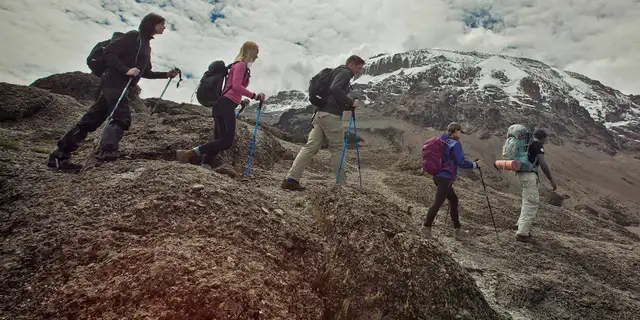
Can I trek or go Kilimanjaro climbing tour with kids?, Yes, you can take kids on a Kilimanjaro climbing tour, but there are important factors to consider. Most trekking companies recommend that children be at least 10 years old for safety and physical readiness. It’s essential to ensure your kids are physically fit and accustomed to hiking. A longer route is advisable to allow for better acclimatization, as altitude can be challenging for young climbers. Choose a reputable tour operator experienced with families, and make sure your children have the right gear, including sturdy footwear and warm clothing. Consult a doctor before the trip to discuss potential altitude sickness and fitness levels. Ultimately, a well-prepared family can have an enjoyable and safe experience trekking Kilimanjaro together.
Best Kilimanjaro climbing tour packages
5-days-mount-kilimanjaro-marangu-route
5-days-mt-kilimanjaro-safari-hiking-via-marangu-route-all-inclusive-packages
6-days-mount-kilimanjaro-machame-route
7-days-kilimanjaro-climbing-tour-via-the-lemosho-route
8-days-rongai-route-mt-kilimanjaro-climb-and-hike
9-days-kilimanjaro-climb-lemosho-route
10-days-kilimanjaro-climb-via-northern-circuits-route
12-days-mount-kilimanjaro-climb-and-tanzania-safari-tour
Kids considerations for Kilimanjaro climbing tour
When planning a Kilimanjaro climbing tour with kids, consider their age, physical fitness, and readiness for the trek. Ensure they are at least 10 years old and physically prepared through regular hiking. Choose a longer route for better acclimatization and prioritize safety with a reputable guide. Proper gear and open communication about health are essential for a successful experience.
Age Restrictions
When planning a Kilimanjaro climbing tour with kids, age restrictions are a vital factor to consider. Most trekking companies suggest that children should be at least 10 years old to participate in the climb. This guideline is based on the physical and mental demands of the trek, as well as the challenges posed by high altitude. Some operators may allow younger children, but it's essential to check each company's specific policies. If you have younger kids, ensure they are prepared for the trek's difficulties. Engaging them in outdoor activities prior to the trip can help gauge their readiness. Ultimately, the age restriction is in place to ensure safety and overall enjoyment for all participants. If you choose to take younger children, be prepared for a potentially different experience, as they may require more breaks and support. Always prioritize the well-being of your children, and consider their comfort level with long hikes and changing environments. Making the right choice regarding age can set the tone for your family’s Kilimanjaro climbing tour.
Physical Fitness
Physical fitness is crucial for a successful Kilimanjaro climbing tour with kids. The trek involves long days of hiking, often in challenging terrain and varying weather conditions. It’s important that children are not only capable of walking for several hours each day but also able to handle the physical strains of altitude. Before the trip, engage your kids in regular hiking or walking activities to build their stamina. Start with shorter hikes and gradually increase the distance and difficulty to prepare them for the climb. Consider incorporating family activities that involve physical exertion, such as cycling or swimming, to improve their overall fitness. It's also essential to teach them about pacing themselves during the trek, as fatigue can set in quickly at high altitudes. Keep in mind that every child is different; some may adapt better than others. Assess their comfort levels and readiness as the trip approaches. A well-prepared child is more likely to enjoy the Kilimanjaro climbing tour and contribute positively to the overall family experience.
Acclimatization
Acclimatization is a key factor when planning a Kilimanjaro climbing tour with kids. Climbing at high altitudes can lead to altitude sickness, which can affect anyone, especially children. To minimize risks, it’s essential to choose a route that allows for gradual ascent. Longer routes, such as the Lemosho or Machame routes, provide extra days for acclimatization. This slow approach gives the body time to adjust to decreasing oxygen levels. During the trek, it’s important to monitor how your children are feeling. Symptoms of altitude sickness include headaches, nausea, and fatigue. If any signs appear, don’t hesitate to take breaks or descend to a lower altitude. Hydration is also crucial; ensure that everyone drinks plenty of water throughout the climb. Teach your kids the importance of listening to their bodies and communicating any discomfort. A well-planned acclimatization strategy can significantly enhance the safety and enjoyment of your Kilimanjaro climbing tour, allowing your family to focus on the adventure ahead without unnecessary risks.
Safety
Safety should be a top priority when planning a Kilimanjaro climbing tour with children. Choose a reputable trekking company that specializes in family tours and has experience handling various situations on the mountain. Ensure that the guides are trained in first aid and have protocols in place for emergencies. Before the trek, discuss safety measures with your kids, explaining the importance of following instructions from guides. Equip your family with proper gear, including sturdy footwear, warm clothing, and rain gear, to prepare for the unpredictable weather on Kilimanjaro. Carry a first aid kit that includes essentials for altitude sickness and other common ailments. It’s also wise to have a contingency plan in case someone feels unwell or needs to descend. Encourage open communication; kids should feel comfortable expressing any concerns about their health or safety. By prioritizing safety and preparation, you can ensure a smoother Kilimanjaro climbing tour. This focus will help everyone enjoy the trek while minimizing risks, allowing for a more relaxed family adventure.
Equipment
Having the right equipment is essential for a successful Kilimanjaro climbing tour with kids. Proper gear can significantly affect comfort and safety during the trek. First, ensure that each child has well-fitted hiking boots that provide adequate support. Blisters and discomfort can quickly lead to a negative experience. Layering clothing is also crucial due to the varying temperatures on the mountain. Invest in moisture-wicking base layers, insulating mid-layers, and waterproof outer layers to keep kids dry and warm. Don’t forget accessories like hats, gloves, and sunglasses to protect against sun exposure and cold weather. A good backpack is necessary for carrying personal items, snacks, and hydration. Teach your children how to pack their bags effectively, as this will help instill a sense of responsibility. Additionally, consider trekking poles for added stability, especially for younger trekkers. Investing in quality equipment not only enhances the overall Kilimanjaro climbing tour but also ensures that children remain comfortable and focused on enjoying the adventure.
Health Check
A health check is an important step before a Kilimanjaro climbing tour with kids. Consulting with a healthcare provider ensures that your children are physically prepared for the demands of the trek. Discuss any existing medical conditions, medications, and potential concerns related to high altitude. The doctor can provide advice on acclimatization strategies and may recommend specific vaccinations or medications to mitigate altitude sickness. It’s also beneficial to review any fitness goals or training plans with your healthcare provider, ensuring that your kids are in good shape for the climb. Additionally, consider scheduling a check-up close to your departure date to confirm that everyone is healthy. Preparing for potential health issues can alleviate worries during the trek. Kids may also benefit from learning about altitude sickness symptoms and the importance of hydration and rest. By taking these precautions, you can help ensure that your family is well-prepared for a safe and enjoyable Kilimanjaro climbing tour, allowing everyone to focus on the adventure ahead.
What to Carry for Kilimanjaro Climbing Tour
When preparing for a Kilimanjaro climbing tour, essential items include sturdy hiking boots, moisture-wicking clothing, and warm layers for varying temperatures. A good-quality sleeping bag, a hydration system, and trekking poles are also recommended. Don’t forget a first aid kit, sunscreen, sunglasses, and a hat for sun protection. Snacks for energy and a reliable backpack to carry your gear are crucial for a comfortable trekking experience.
Best Time for Kilimanjaro Climbing Tour
The best time for a Kilimanjaro climbing tour is during the dry seasons, typically from January to March and June to October. These months offer clearer skies and less rainfall, making trekking conditions more favorable. Avoid the rainy seasons, as trails can become slippery and visibility may be limited. Planning your trek during these optimal months enhances safety and enjoyment throughout the climb.
Booking Kilimanjaro Climbing Tour with Lamz Tours and Travel
Booking a Kilimanjaro climbing tour with Lamz Tours and Travel ensures a well-organized and memorable adventure. They offer various routes and packages tailored to different experience levels. Their knowledgeable guides prioritize safety and acclimatization, enhancing your overall experience. You can easily book online or contact them directly for personalized assistance. Lamz Tours and Travel provides comprehensive support, including gear rentals and pre-trek briefings, ensuring a smooth and enjoyable trek for all participants.
Ready to plan your safari?
Talk to a Lamz Tours specialist and get a tailor-made quote.
Make an enquiry