Experience authentic Zulu culture on a Safari in South Africa through traditional villages, powerful dance performances, historic battlefields, crafts, and local cuisine.
KwaZulu-Natal has a way of adding a completely different dimension to a trip that started as a wildlife journey. The Zulu people have one of the most recognisable and well documented cultures on the continent, yet experiencing it in person is a very different thing from reading about it. The traditions are alive here, not preserved behind glass. Music, craftsmanship, food, and history all connect in ways that feel current rather than ceremonial. Travellers who build Zulu cultural experiences into their Safari in South Africa consistently say these moments gave the trip its most personal and lasting memories, sitting comfortably alongside anything they experienced on a game drive during their Safari in South Africa.
Best Zulu Cultural Highlights to Include on your Safari in South Africa
Visit Shakaland Cultural Village
Shakaland began as a film set built to depict the world of King Shaka, and it has grown into one of the most visited cultural attractions in the country. What makes it work is that it does not feel like a museum. Guides walk visitors through a traditional homestead, explain how families were organised, demonstrate spear making and food preparation, and create space for genuine conversation about Zulu identity past and present. For travellers on a Safari in South Africa who want cultural depth rather than a surface level overview, Shakaland delivers it. The interactions with guides who grew up within these traditions give a Safari in South Africa a quality of cultural access that is genuinely hard to find elsewhere.
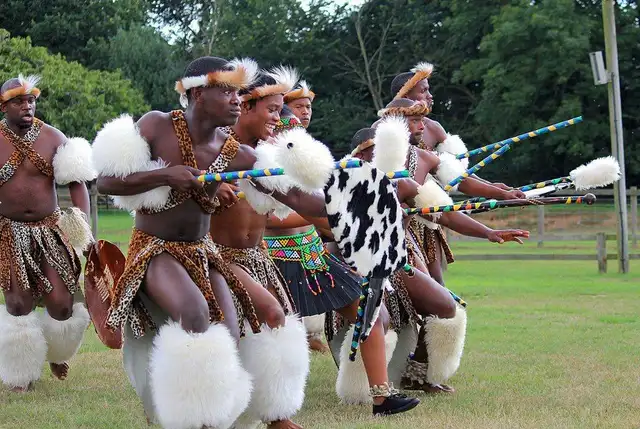
Watch Authentic Zulu Dance Performances
A Zulu dance performance is not background entertainment. Each movement carries meaning tied to specific ceremonies, community events, and social occasions, and understanding that changes the way you watch. The drumming builds, the singing fills the space, and the dancers move with an energy and precision that is immediately compelling. Guides explain the symbolism of the attire and the choreography, which transforms the experience from a spectacle into something you actually learn from. Travellers on a Safari in South Africa who attend one of these performances often say it was among the most energising moments of the trip. It pulls you in rather than keeping you at a distance, which is what the best cultural experiences on a Safari in South Africa tend to do.
Popular South African Safari Packages
Explore the Battlefields of Isandlwana and Rorke's Drift
The hills around Isandlwana and Rorke's Drift look quiet today, but the ground carries a history that a good guide can bring back to life in remarkable detail. In 1879, Zulu warriors achieved one of the most significant military victories of the colonial era at Isandlwana, defeating a British force in a battle that shocked the world at the time. Walking the terrain while a knowledgeable guide explains the strategy, the timing, and the human stories involved gives the history a weight it never quite has on a page. For travellers on a Safari in South Africa, these battlefield visits add a historical dimension to the journey that deepens everything else. A Safari in South Africa that includes time here comes away with a much fuller picture of the Zulu people and what shaped them.
Learn Traditional Beadwork and Craftsmanship
Zulu beadwork is a language in the truest sense, the colours, patterns, and arrangements of beads in a necklace or bracelet communicate specific messages about the maker, the recipient, and the relationship between them. Sitting with an artisan who explains this while demonstrating the craft is one of those quietly absorbing experiences that holds your attention longer than you expect. Many cultural centres across KwaZulu-Natal offer these sessions as part of a broader Safari in South Africa itinerary, and they are worth making time for. Buying a handmade piece directly from the person who created it means something different from buying a souvenir at a gift shop, and it is one of the more meaningful ways a Safari in South Africa can directly support the communities you are visiting.
Taste Traditional Zulu Cuisine
Traditional Zulu food is straightforward, honest, and tied directly to the land and the seasons. Dishes like ujeqe, a steamed bread served with slow cooked meat stews, and phutu, a maize staple that appears on tables across the region, reflect agricultural traditions and family cooking methods that have been passed down across generations. Sitting down to a meal prepared by community members during a Safari in South Africa is different from ordering from a menu at a tourist restaurant. There is usually a story attached to what is being served, and that story is worth asking about. Food opens conversations that other parts of a Safari in South Africa do not always create, and those conversations tend to reveal more about daily life than any formal tour.
Best Time to Experience Zulu Culture on a Safari in South Africa
Zulu cultural sites and community experiences are accessible throughout the year, which makes them easy to build into a Safari in South Africa regardless of when you travel. The dry months between May and September are popular because the weather is comfortable for both game viewing and outdoor cultural activities. During this period visibility across the battlefields and open countryside is excellent, and the cooler temperatures make walking between sites more enjoyable. Some community events and seasonal ceremonies take place during warmer months and can add an extra layer of authenticity to a visit. Planning a Safari in South Africa that combines wildlife reserves with cultural stops across KwaZulu-Natal gives the trip a balance that purely game focused itineraries on a Safari in South Africa rarely achieve.
How to Get to Zulu Cultural Sites on your Safari in South Africa
KwaZulu-Natal is well connected by road from Durban, which is served by both domestic and international flights. Most major Zulu cultural attractions, including Shakaland, the battlefields, and various community craft centres, sit within reasonable driving distance of each other and of several well-known game reserves. The roads through this part of the country pass through traditional rural settlements and rolling countryside that give you a sense of the region before you even arrive at your first stop. A Safari in South Africa that links wildlife reserves with cultural sites through this landscape moves naturally between the two without feeling disjointed. Using a guided itinerary ensures you have local context at each stop, which makes the journey through a Safari in South Africa considerably richer.
Things to Do During Zulu Cultural Experiences on a Safari in South Africa
The more actively you engage during a Zulu cultural visit, the more you take away from it. Joining a dance demonstration, attempting traditional greetings, watching a craftsperson work and asking questions, or sitting with an elder who shares historical accounts all create memories of a different quality than simply following a group through a site. Interactive experiences are widely available across KwaZulu-Natal for travellers on a Safari in South Africa, from reconstructed homesteads to living cultural centres where community members go about their daily activities. The people who guide these experiences are generally generous with their knowledge and welcoming to visitors who show genuine interest. A Safari in South Africa built around this kind of engagement gives the trip a human warmth that stays with you.
What to Carry for Zulu Cultural Visits on a Safari in South Africa
Comfortable clothing and practical footwear cover most situations during a culturally focused Safari in South Africa. Many cultural sites involve walking across uneven outdoor terrain, so shoes that can handle grass, gravel, and rural paths are more useful than anything smart. A camera is worth bringing, but always ask before pointing it at people because the courtesy matters and tends to lead to better photographs anyway. Carrying water and sun protection is sensible because a significant portion of the cultural experiences happen outdoors with limited shade. Some cash set aside specifically for purchasing crafts directly from artisans is a small thing that makes a real difference to local livelihoods and rounds off a Safari in South Africa with something genuinely made by the people you met.
Where to Stay for Zulu Cultural Experiences on a Safari in South Africa
The right accommodation in KwaZulu-Natal puts you close to both wildlife and cultural experiences without requiring long drives between the two. Some lodges in the region are built with traditional architectural influences and incorporate local storytelling, food, and community visits into the guest experience as standard. Staying at a community owned guesthouse where possible gives travellers a different level of access than a larger hotel can offer. The hosts tend to be connected to the places and people you will be visiting during the day, and those conversations over breakfast or dinner add context that no guided tour quite replicates. For a Safari in South Africa centred on genuine cultural immersion, where you sleep is as much a part of the experience as where you go on a Safari in South Africa
Health and Safety during Zulu Cultural Visits on a Safari in South Africa
Zulu cultural attractions are safe, welcoming environments for travellers who approach them with basic respect and attentiveness. Following the lead of your guide is the most important habit to maintain, particularly in traditional homesteads or during ceremonies where specific protocols apply. Dress modestly when visiting community settings, ask before photographing individuals, and bring the same respectful curiosity you would want someone to bring to your own home. Staying hydrated and carrying personal essentials matters during outdoor visits in warmer months. A Safari in South Africa that treats cultural experiences with the same preparation and awareness given to wildlife activities is one where both sides of the journey feel equally rewarding and a Safari in South Africa remembered for the right reasons.
Why Book with Lamz Tours and Travel for your Safari in South Africa
Getting the most out of Zulu cultural experiences requires local knowledge, genuine community connections, and an itinerary that gives each visit enough time to be meaningful rather than rushed. We design Safari in South Africa itineraries that bring wildlife, history, and cultural encounters together in a way that feels coherent and well-paced. We work with guides who have real roots in the communities they introduce to visitors, which makes the difference between an informative tour and a genuinely memorable experience. Every Safari in South Africa we plan is built around what the traveller actually wants to take away from the trip, and for many people, the Zulu cultural highlights end up being the part of their Safari in South Africa they talk about most when they get home.
Ready to plan your safari?
Talk to a Lamz Tours specialist and get a tailor-made quote.
Make an enquiry