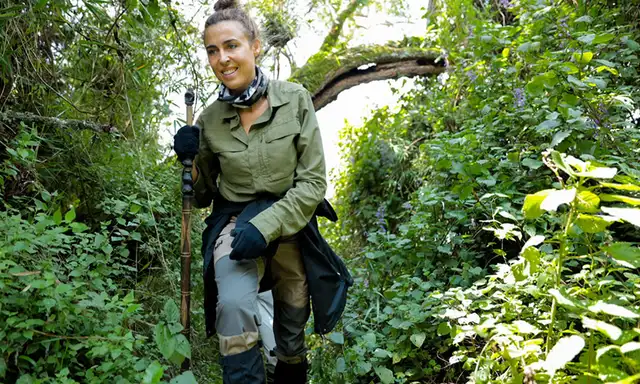
Essential wear and gear for a Rwanda gorilla trek, boots, layers, gloves, backpack, rain jacket, hat, sunscreen, and camera for comfort and safety.
Gorilla trekking in Rwanda is one of the most remarkable wildlife experiences in Africa, offering travelers the chance to see mountain gorillas in their natural habitat. Centered around Volcanoes National Park, the Rwanda gorilla trek is carefully managed to protect these endangered primates while allowing visitors a close and respectful view. The trek takes you through dense forests, bamboo thickets, and steep slopes, requiring preparation and patience. Permits are limited to ensure conservation, making early booking essential. For many, the Rwanda gorilla trek is not just about seeing gorillas but also about supporting Rwanda’s commitment to wildlife protection and community development. It is an adventure that combines conservation, culture, and unforgettable wildlife viewing.
Planning for a Rwanda gorilla trek involves understanding the terrain, packing the right gear, and preparing physically for the hike. Treks can last from two to six hours depending on the gorilla family’s location, and conditions may be muddy or steep. Visitors are guided by trained rangers who ensure safety and provide insights into gorilla behavior. Beyond the trek, Rwanda offers cultural experiences, scenic landscapes, and warm hospitality, making the trip even more rewarding. A Rwanda gorilla trek is a once-in-a-lifetime opportunity to connect with nature responsibly while creating lasting memories in one of Africa’s most biodiverse regions
Best Rwanda gorilla trek packages
2 day Gorilla trekking safari in Rwanda
2 Days Nyungwe Chimpanzee and Canopy Walk Safari in Rwanda
3 Days Gorilla and Golden Monkey Trekking Rwanda Tour
3 Days Safari to Rwanda and Uganda Gorilla Trekking
4 Days Luxury Gorilla Tracking Rwanda Tour
4 Days Primate Safari to Rwanda with Gorillas and Chimps
5 Days in Rwanda with Gorillas and Akagera Big Five Safari
8 Days Rwanda Cultural and Primate Experience
3Days Rwanda Safari Holiday with Gorilla Trekking
12 Days Rwanda Safari in Volcanoes, Nyungwe and Akagera National Park
The Best wear and Gears for Rwanda Gorilla Trek
Sturdy Hiking Boots
For a Rwanda gorilla trek, sturdy hiking boots are one of the most important items to pack. The terrain is often steep, muddy, and slippery, so footwear with strong grip and ankle support is essential. Lightweight sneakers or sandals will not provide the stability needed for long hours in the forest. Waterproof boots are recommended since rain showers are common, and they help keep your feet dry and comfortable. A Rwanda gorilla trek involves walking through thick vegetation, so durable boots protect against thorns and uneven ground. Choosing high-quality hiking boots ensures safety, reduces fatigue, and allows you to focus on the experience rather than worrying about discomfort or injuries.
Comfortable Clothing Layers
Wearing the right clothing layers is key for a Rwanda gorilla trek because temperatures can change quickly in the forest. Start with a breathable base layer to keep sweat away, then add a long-sleeved shirt and lightweight trousers to protect against insects and scratches. A waterproof jacket is useful in case of rain, while a fleece layer helps during cooler mornings. Neutral colors like green, brown, or khaki are best since they blend with the environment and do not disturb wildlife. A Rwanda gorilla trek requires comfort and practicality, so avoid jeans or heavy fabrics that restrict movement. Proper layering ensures you stay dry, warm, and flexible throughout the trek.
Gloves and Gaiters
Gloves and gaiters are often overlooked but very useful for a Rwanda gorilla trek. Gloves protect your hands when grabbing branches or steadying yourself on rough terrain, while gaiters shield your legs and boots from mud, insects, and water. The forest floor can be wet and full of biting ants, so gaiters add an extra layer of defense. For a Rwanda gorilla trek, lightweight, durable gloves also help when pushing through thick vegetation. These small items make a big difference in comfort and safety, preventing scratches and insect bites. Packing gloves and gaiters ensures you are well-prepared for the challenges of trekking in Rwanda’s dense forests.
Backpack with Essentials
A small, comfortable backpack is necessary for carrying essentials during a Rwanda gorilla trek. Inside, pack water, snacks, a rain jacket, sunscreen, insect repellent, and a camera. The backpack should be lightweight but durable, with padded straps for comfort during long hikes. A Rwanda gorilla trek can last several hours, so having easy access to supplies keeps you energized and protected. Reusable water bottles or hydration packs are recommended to stay hydrated. The backpack also allows you to carry personal items securely without interfering with movement. Choosing the right size ensures you bring what you need without adding unnecessary weight.
Walking Stick and Protective Gear
A walking stick is highly recommended for a Rwanda gorilla trek, as it provides balance and support on steep or muddy paths. Many trekking guides offer sticks at the start, but bringing your own adjustable one can be more reliable. Protective gear such as a hat, sunglasses, and insect repellent are also important. A Rwanda gorilla trek often involves exposure to sun, rain, and insects, so these items keep you comfortable and safe. A hat shields against sunburn, while repellent prevents bites from mosquitoes and forest insects. Combined with a walking stick, these simple tools make trekking easier and more enjoyable.
Rain Jacket and Poncho
A lightweight rain jacket or poncho is essential for a Rwanda gorilla trek because showers can occur at any time in the rainforest. Waterproof outerwear keeps you dry and comfortable, allowing you to continue trekking without distraction. Choose breathable material so you don’t overheat while hiking uphill. A Rwanda gorilla trek often lasts several hours, and staying dry helps maintain energy and focus. Ponchos can also cover your backpack, protecting your gear from moisture. This simple item ensures you remain comfortable in unpredictable weather, making it one of the most practical additions to your packing list.
Long-Sleeved Shirts and Trousers
Wearing long-sleeved shirts and trousers is highly recommended for a Rwanda gorilla trek. They protect against insect bites, scratches from branches, and stinging nettles found in the forest. Lightweight, quick-dry fabrics are best, as they keep you cool while offering coverage. Neutral colors such as green or brown help you blend into the environment without disturbing wildlife. A Rwanda gorilla trek involves moving through dense vegetation, so durable clothing ensures both comfort and safety. Avoid jeans or heavy fabrics that restrict movement and take longer to dry. Proper clothing allows you to trek with ease while staying protected.
Hat and Sunglasses
A wide-brimmed hat and sunglasses are useful for a Rwanda gorilla trek, especially during sunny hours. The hat shields your face and neck from direct sunlight, while sunglasses protect your eyes from glare. Even though much of the trek is under forest cover, open areas can expose you to strong rays. A Rwanda gorilla trek can be physically demanding, and sun protection helps prevent fatigue and discomfort. Lightweight, foldable hats are easy to pack, and polarized sunglasses improve visibility. Together, these items add comfort and safety, ensuring you remain focused on the trek rather than battling sun exposure.
Insect Repellent and Sunscreen
Insect repellent and sunscreen are small but vital items for a Rwanda gorilla trek. Mosquitoes and forest insects are common, so repellent helps prevent bites and irritation. Sunscreen is equally important, as sunburn can occur even under partial forest cover. A Rwanda gorilla trek often lasts several hours, and applying these products ensures you remain comfortable throughout. Choose eco-friendly options that won’t harm the environment. Carrying them in your backpack allows for reapplication when needed. These protective items may seem minor, but they make a big difference in keeping you safe and focused during the trek.
Camera and Binoculars
A camera and binoculars are excellent additions to your Rwanda gorilla trek gear. While the main highlight is observing gorillas up close, binoculars allow you to spot birds and other wildlife along the way. A camera ensures you capture memories, but it should be lightweight and easy to carry. A Rwanda gorilla trek requires focus on the experience, so avoid heavy equipment that slows you down. Waterproof cases or covers are recommended to protect devices from rain and mud. With the right gear, you can document your trek while staying practical and enjoying every moment in the forest.
Best time to book Rwanda gorilla trek
The best time to book a Rwanda gorilla trek is several months in advance, especially if you plan to travel during the peak dry seasons of June to September or December to February. These months are the most popular because the forest trails are less muddy, visibility is clearer, and trekking conditions are more comfortable. Rwanda gorilla trek permits are limited to protect the gorillas and their habitat, so demand is always high. Booking early ensures you secure your permit and preferred accommodation near Volcanoes National Park. Couples planning a honeymoon or travelers with fixed schedules should aim to reserve at least six months ahead to avoid disappointment and guarantee smooth arrangements.
Those with flexible travel dates, booking a Rwanda gorilla trek during the shoulder months of March to May or October to November can also be rewarding. These are wetter seasons, but the forest is greener, and fewer visitors mean a quieter experience. Permits are easier to obtain, and lodges may offer discounted rates. Regardless of the season, it is wise to confirm your trek well in advance because Rwanda gorilla trek permits are capped at a small number per day. Early planning not only secures your spot but also allows time to arrange transport, gear, and other safari activities around your trek.
How to get there for Rwanda gorilla trek
To get to a Rwanda gorilla trek, travelers first fly into Kigali International Airport, the main entry point to Rwanda. From Kigali, it takes about 2.5 to 3 hours by road to reach Volcanoes National Park, the base for gorilla trekking. Most visitors arrange private transfers or use tour operators who provide comfortable vehicles and guides to handle logistics. The drive itself is scenic, passing through Rwanda’s rolling hills and local villages. A Rwanda gorilla trek permit must be secured in advance, and once at the park, treks are organized daily with professional rangers. Planning transport early ensures a smooth trip, allowing you to focus on the experience of trekking through the forest to see mountain gorillas
Best gorilla families to visit on Rwanda gorilla trek
The most popular gorilla families to visit on a Rwanda gorilla trek are the Susa, Kwitonda, and Agashya groups. The Susa Family is the largest and most famous, once studied by Dian Fossey, and is known for its playful juveniles and strong silverbacks. Trekking to see Susa can be challenging because they often range higher in the mountains, but the reward is unforgettable views of a large, dynamic group. The Kwitonda Family is admired for its gentle nature and is easier to access, making it a favorite for many visitors. Agashya, also called Group 13, is known for its adaptability and frequent movements, offering trekkers a lively and engaging experience. These families highlight the diversity of gorilla behavior in Volcanoes National Park.
Other notable gorilla families for a Rwanda gorilla trek include Umubano, Hirwa, and Amahoro. The Umubano Family split from Amahoro and is led by a dominant silverback, offering trekkers a chance to see strong leadership dynamics. Hirwa, meaning “lucky,” is a smaller group but often provides intimate viewing opportunities, while Amahoro, meaning “peace,” is known for its calm and relaxed nature. Each family has unique traits, making every trek distinct depending on which group you are assigned. Rwanda gorilla trek permits are allocated to specific families to balance conservation and visitor experience, so travelers may not choose their group but can be assured of a rewarding encounter. These families together showcase the richness of Rwanda’s gorilla trekking experience.
Top gorilla rules to follow during Rwanda gorilla trek
When joining a Rwanda gorilla trek, the first set of rules focuses on safety and respect for the gorillas. Visitors must keep a minimum distance of 7 meters from the gorillas to reduce the risk of transmitting human diseases. Flash photography is not allowed, as it can disturb or stress the animals. Talking should be kept low and movements slow to avoid startling the group. Eating, drinking, or smoking near the gorillas is prohibited, and littering in the forest is strictly forbidden. A Rwanda gorilla trek also requires trekkers to follow ranger instructions at all times, as they are trained to manage both visitor safety and gorilla welfare.
Another important set of rules during a Rwanda gorilla trek relates to personal conduct and preparation. Only individuals aged 15 and above are permitted to trek, ensuring maturity and responsibility. If a visitor feels unwell, especially with flu or cold symptoms, they are not allowed to join, as gorillas are highly vulnerable to human illnesses. Trekkers should wear appropriate clothing, including long sleeves and sturdy boots, to protect against forest conditions. During the Rwanda gorilla trek, visitors must avoid direct eye contact with gorillas, as it can be perceived as a challenge. Respecting these rules ensures a safe, ethical, and rewarding experience for both trekkers and gorillas.
How much does it cost to trek with gorillas in Rwanda?
The cost of a Rwanda gorilla trek is primarily determined by the permit fee, which is set at $1,500 per person. This fee goes directly toward conservation efforts and community support, ensuring the protection of mountain gorillas and their habitat. In addition to the permit, travelers should budget for accommodation, transport from Kigali to Volcanoes National Park, and guiding services. Luxury lodges, mid-range hotels, and budget options are available, but overall Rwanda is considered a premium gorilla trekking destination. A Rwanda gorilla trek may seem expensive compared to Uganda, but the experience is highly organized, with well-trained rangers and excellent infrastructure, making the cost worthwhile for those seeking a safe and memorable adventure.
How to prepare for gorilla trekking in Rwanda?
Preparation for a Rwanda gorilla trek involves both physical readiness and proper packing. Since treks can last between two and six hours, moderate fitness is recommended to handle steep slopes and muddy trails. Travelers should wear sturdy hiking boots, long-sleeved shirts, and trousers to protect against insects and vegetation. A rain jacket, gloves, and gaiters are useful due to unpredictable weather. Carrying water, snacks, and insect repellent in a small backpack is essential. Booking permits well in advance is critical, as they are limited daily. A Rwanda gorilla trek also requires mental preparation, as patience and respect for wildlife are key. Following ranger instructions ensures safety and enhances the overall experience
How difficult is gorilla trekking in Rwanda?
A Rwanda gorilla trek ranges from moderate to challenging depending on the gorilla family assigned and their location on the day of the trek. Some groups are found near the lower slopes, requiring shorter hikes, while others may be higher up in dense forest, demanding longer climbs. The terrain can be muddy, steep, and slippery, especially during rainy seasons. However, porters are available to assist with carrying bags and providing support. A Rwanda gorilla trek is manageable for most people with average fitness, though it requires determination and flexibility. The reward of seeing gorillas in their natural habitat makes the effort worthwhile, and guides ensure trekkers move at a comfortable pace
Is Uganda or Rwanda better for gorilla trekking?
Choosing between Uganda and Rwanda depends on priorities, but a Rwanda gorilla trek is often favored for convenience and organization. Rwanda’s Volcanoes National Park is only a 2.5-hour drive from Kigali International Airport, making it ideal for short trips. Uganda’s Bwindi Impenetrable Forest offers a lower permit cost at $700, but reaching the park requires longer travel. Rwanda gorilla trek permits are more expensive, yet the experience is highly structured with excellent ranger support and infrastructure. Uganda provides more gorilla families and varied trekking routes, appealing to those with time for extended safaris. Rwanda is better for travelers seeking efficiency and luxury, while Uganda suits those looking for affordability and diversity
Top places to stay in on Rwanda gorilla trek
The top places to stay during a Rwanda gorilla trek are concentrated around Volcanoes National Park, offering options from luxury lodges to mid-range and budget stays. Luxury choices include Bisate Lodge, known for its eco-friendly design and personalized service, and One&Only Gorilla’s Nest, which provides high-end comfort with stunning views of the Virunga Mountains. Mid-range options like Da Vinci Gorilla Lodge and Mountain Gorilla View Lodge balance affordability with proximity to trekking points. For budget-conscious travelers, Le Bambou Gorilla Lodge and Five Volcanoes Boutique Hotel provide cozy stays with easy access to park headquarters. These accommodations ensure that every Rwanda gorilla trek is supported by comfort, convenience, and excellent hospitality, making the experience both practical and memorable
Why book your Rwanda gorilla trek with Lamz Tours and Travel
Booking your Rwanda gorilla trek with Lamz Tours and Travel ensures a seamless, well-organized, and personalized experience tailored to your needs. As specialists in East African safaris, Lamz Tours and Travel handles every detail from securing limited gorilla permits to arranging comfortable transfers and accommodations near Volcanoes National Park. Our expertise guarantees that your Rwanda gorilla trek is not only efficient but also enriched with cultural insights, professional guiding, and conservation-focused practices. With Lamz Tours and Travel, you benefit from local knowledge, reliable logistics, and dedicated support, allowing you to focus entirely on the adventure. Choosing them means your Rwanda gorilla trek will be safe, memorable, and perfectly aligned with your expectations for a once-in-a-lifetime wildlife experience
Ready to plan your safari?
Talk to a Lamz Tours specialist and get a tailor-made quote.
Make an enquiry