Find out the best ways to experience wildlife, game drives, bush walks, overnight stays and guided tours on a Kruger National Park Safari.
A Kruger National Park Safari draws visitors from every part of the world because very few places on earth put you this close to wildlife moving freely in its natural habitat. The park covers nearly two million hectares across Limpopo and Mpumalanga, making it large enough that no two visits ever feel the same. Whether you are travelling for the first time or returning after years away, a Kruger National Park Safari continues to surprise people in ways that are difficult to put into words until you are actually there.
Popular South African Safari Packages
Best Ways to Experience a Kruger National Park Safari
Go on a Self-Drive Game Drive
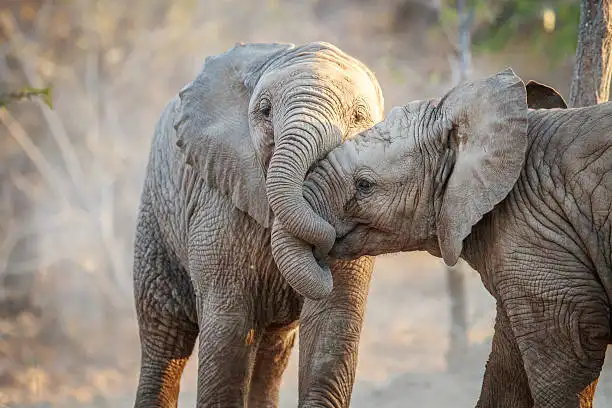
A self-drive game drive remains one of the most flexible ways to experience a Kruger National Park Safari because you move at your own pace and stop wherever the animals take your attention. The park has a well-maintained network of tarred and gravel roads covering different landscapes from open plains to dense riverine bush, and each area attracts different species depending on the season. Doing a Kruger National Park Safari by self-drive works well for travellers who enjoy making their own decisions on the road, and the sense of spotting a pride of lions or a breeding herd of elephants without anyone pointing them out first stays with you long after you leave
Book a Guided Bush Walk
A guided bush walk offers a completely different side of a Kruger National Park Safari that most people do not think to book until a guide suggests it. Walking in the bush with an armed ranger brings you closer to the smaller details that a vehicle drives past daily animal tracks pressed into soft soil, the smell of buffalo on the wind, and the sounds of the bush that only make sense when you are standing still inside them. A Kruger National Park Safari that includes at least one morning walk gives you a deeper understanding of how the ecosystem works, and rangers share knowledge about plants, insects, and animal behaviour that turns a walk into something genuinely educational
Stay Overnight at a Rest Camp Inside the Park
Staying overnight inside the park changes the entire pace of a Kruger National Park Safari in ways that a day visit simply cannot match. When the gates close in the evening and the day visitors leave, the park settles into a different mood, and the sounds that come through the darkness lions calling, hyenas moving through camp, hippos in the nearby river remind you exactly where you are sleeping. A Kruger National Park Safari that includes an overnight stay at camps like Satara, Skukuza or Olifants also means you can be on the road at the crack of dawn, which is consistently when predator sightings are at their highest and the light is best for photography
Add a Night in a Private Reserve on the Park Border
Private reserves sharing unfenced borders with the park offer a side of a Kruger National Park Safari that the public areas cannot fully replicate. Reserves like Sabi Sand, Timbavati and Klaserie allow open vehicles to leave the roads and drive directly toward animals, and night drives through these areas reveal species that rarely appear during the day. A Kruger National Park Safari combined with even two nights in a private reserve gives travellers access to a more personal experience, with smaller groups, highly experienced field guides, and a level of comfort in the bush that ranges from comfortable to fully exclusive depending on the lodge you choose.
Take an Organised Night Drive Inside the Park
SANParks offers organised night drives departing from selected camps, and this part of a Kruger National Park Safari introduces visitors to animals that are almost impossible to find during daylight hours. Civets, genets, bushbabies, and spotted hyenas become visible in the sweep of spotlights, and leopards are occasionally picked up moving through areas where they were nowhere to be seen earlier in the day. Booking a night drive as part of your Kruger National Park Safari is straightforward through the SANParks reservation system, and the drives typically last between two and three hours, giving you enough time in the dark to understand just how much activity the park holds after sunset.
Focus on Photography
Visitors who travel with cameras find that dedicating specific drives to photography transforms what a Kruger National Park Safari produces in terms of results. Specialist photographic guides understand morning and afternoon light, they know which areas hold the best backgrounds at different times of day, and they position vehicles so that you are working with the conditions rather than against them. A Kruger National Park Safari focused on photography also slows the experience down considerably instead of covering large distances in search of new sightings, you spend extended time with individual animals and come away with images that actually reflect the quality of what the park offers.
Birding in the Lesser Visited Areas
With over 500 recorded bird species, the birding side of a Kruger National Park Safari is something that serious birders and curious first-timers both find rewarding once they slow down enough to look. The northern areas of the park around Punda Maria and Pafuri hold species that do not appear further south, and the riverine woodland along the Luvuvhu River is considered one of the finest birding spots in southern Africa. A Kruger National Park Safari that includes dedicated birding time draws you into quieter parts of the park where tourist traffic is lighter, wildlife is less disturbed, and the experience feels considerably more personal than the busier southern sections.
Best Time to Visit for Kruger Park Safari
The dry season running from May through September is widely regarded as the best time to plan a Kruger National Park Safari because the vegetation thins out significantly and animals concentrate around the remaining water sources. Game viewing during these months is more consistent because the animals are predictable they need water, and you know where the water is. A Kruger National Park Safari during the wet season between November and February brings green landscapes, newborn animals, and excellent birding conditions, but the thick bush makes spotting predators considerably harder. First time visitors are generally advised to aim for June through August when conditions are dry, mornings are cool, and wildlife activity around waterholes is at its peak throughout the day.
How to Get to Kruger for Kruger Park Safari
Most travellers reach the starting point of a Kruger National Park Safari by flying into OR Tambo International Airport in Johannesburg and then connecting to one of the smaller airports serving the park, including Hoedspruit, Phalaborwa, and Skukuza. Driving from Johannesburg is also a popular option and takes roughly five hours to the southern gates depending on traffic and which entrance you are heading to. A Kruger National Park Safari that begins with a road transfer through Mpumalanga gives you a gradual transition into the landscape, and operators offer guided transfers where your guide is already working from the moment you leave the airport.
Things to During your Kruger Park Safari
A Kruger National Park Safari covers far more ground than game drives alone, and visitors who take time to engage with everything the park offers come away with a much fuller picture of what makes this place significant. The Thulamela archaeological site in the far north preserves the remains of an Iron Age settlement that most tourists drive past without knowing it exists, and the San rock art sites scattered across the park add a human history to the wildlife experience. A Kruger National Park Safari also opens up options like bush braais at selected picnic spots, guided walks through wilderness areas, and educational centre visits at some of the larger camps that explain the conservation work happening across the park
What to Carry for Kruger Park Safari
Packing for a Kruger National Park Safari does not need to be complicated, but getting the basics right makes a noticeable difference once you are spending full days in the bush. Clothing in neutral colours khaki, olive, beige, and brown is recommended because bright colours are out of place in the bush environment and can disturb animals at close range. A Kruger National Park Safari also calls for layers since early morning drives in winter can be genuinely cold even in a closed vehicle, while midday temperatures in summer push well above thirty degrees. Beyond clothing, bring a quality pair of binoculars, high-factor sunscreen, insect repellent containing DEET, a reusable water bottle, and a camera with enough storage and battery life to last a full day.
Where to Stay during your Kruger Park Safari
Accommodation options around a Kruger National Park Safari range from basic camping sites inside SANParks rest camps to fully inclusive private lodges where every detail of the stay is managed for you. Satara rest camp in the central region is known for consistent lion and cheetah sightings in the surrounding plains, Berg-en-Dal in the south attracts white rhino regularly, and Olifants camp sits above a river bend where elephants gather below the terrace most afternoons. A Kruger National Park Safari stay in the private reserves bordering the park, such as Sabi Sand or Timbavati, offers all-inclusive packages covering meals, game drives, and guided walks, making them a practical choice for travellers who want everything organised from arrival to departure.
Health and Safety during a Kruger Park Safari
Malaria is present throughout the Kruger region and preparing for it before you travel is an important part of planning any Kruger National Park Safari responsibly. A travel health clinic can advise on the right prophylactics for your specific travel dates, and starting the medication before departure gives it time to work effectively. During a Kruger National Park Safari, wearing long sleeves and trousers after sunset, applying DEET based repellent regularly, and sleeping in screened or air-conditioned accommodation all reduce exposure significantly. Inside the park, basic safety rules apply stay in your vehicle unless you are in a fenced rest camp or with an armed guide, keep windows up near predators, and follow the posted speed limits which exist to protect both animals and visitors on the roads.
Why Book With Lamz Tours and Travel for your Kruger Park Safari
We organise Kruger National Park Safari experiences built around genuine knowledge of the park and a clear understanding of what different travellers are looking for when they make this trip. The guides working with us carry years of field experience in the Kruger ecosystem and bring that knowledge into every drive, walk, and conversation throughout the stay. Booking a Kruger National Park Safari through Lamz Tours and Travel means your transport, accommodation, activities, and park logistics are handled by a team that has done this many times, leaving you free to focus entirely on what is happening outside the vehicle window from the moment you arrive.
Ready to plan your safari?
Talk to a Lamz Tours specialist and get a tailor-made quote.
Make an enquiry