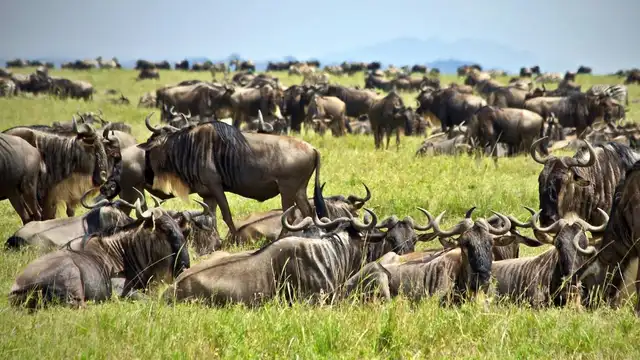
Kenya and Tanzania safaris combine migration highlights, diverse parks, and efficient flights for maximum wildlife variety and comfort across two countries
Combining Kenya and Tanzania safaris is one of the most rewarding ways to experience East Africa’s wildlife and landscapes. These two countries share ecosystems yet offer distinct safari styles, making them complementary for travelers who want variety and depth. Kenya provides concentrated game viewing in areas such as the Masai Mara, Amboseli, and Samburu, where sightings are often easier and more condensed. Tanzania, on the other hand, expands the scale with vast wilderness areas like the Serengeti and Ngorongoro Crater, where mobile camps and diverse habitats create a broader safari experience. Linking the two through short regional flights avoids long, tiring border drives and ensures more time is spent inside the parks where the real value lies.
The appeal of Kenya and Tanzania safaris lies in their ability to combine headline attractions with unique reserves. Travelers can follow the Great Migration across the Mara–Serengeti ecosystem, enjoy Amboseli’s elephants against Mount Kilimanjaro, or explore Tarangire’s baobabs and Ngorongoro’s dense wildlife. Each park adds a different dimension, from predator-rich plains to rhino sanctuaries and birdlife-rich lakes. By structuring itineraries with efficient transfers and private 4x4 vehicles, travelers gain comfort, flexibility, and access to both classic and off-the-beaten-path experiences. Together, Kenya and Tanzania create a safari circuit that balances efficiency, diversity, and authenticity
Best Kenya and Tanzania safaris
3-days-luxury-fly-in-safari-to-masai-mara
3-days-amboseli-national-park-safaris
4-days-masai-mara-and-lake-nakuru-safari
4-days-wildlife-safari-in-kenya
5-days-amboseli-and-tsavo-west-wildlife-safari
6-days-wildlife-safari-in-kenya
2-days-fly-in-serengeti-safari-in-tanzania
2-days-tarangire-national-park-and-ngorongoro-crater-safari
3-days-tanzania-safari-in-serengeti-national-park
3-days-tanzania-wildlife-safari
4-days-epic-tanzania-wildlife-and-culture-safari
5-day-kenya-and-tanzania-safari
5-days-circuit-wildlife-safari-in-tanzania
Why combine Kenya and Tanzania safaris
Combining Kenya and Tanzania safaris offers travelers the strongest balance of wildlife diversity, efficiency, and value. Kenya provides concentrated game viewing in areas like the Masai Mara and Amboseli, while Tanzania adds vast ecosystems such as the Serengeti and Ngorongoro Crater. By linking the two countries with short regional flights instead of long border drives, travelers save time and avoid fatigue, ensuring more hours inside the parks where the real experience happens. Kenya and Tanzania safaris complement each other perfectly: Kenya delivers condensed sightings and accessible circuits, while Tanzania expands the scale with mobile camps and unique landscapes. Together, they create a circuit that covers migration herds, elephants, rhinos, and big cats across different habitats. This combination ensures travelers gain maximum variety and depth in one well-structured safari plan.
The core principal for combining Kenya and Tanzania safaris
When planning Kenya and Tanzania safaris, avoid the long overland drive between Masai Mara and Serengeti. Crossing via the Isebania border is rough, takes many hours, and adds extra park fees that reduce value. The better option is to fly from a Mara airstrip directly into a Serengeti airstrip, or connect through Kilimanjaro or Arusha. This flight saves time, keeps travelers comfortable, and ensures more hours inside the parks where wildlife viewing matters most. Kenya and Tanzania safaris are about maximizing the experience, not wasting energy on road transfers. By flying, travelers combine two prime migration circuits efficiently, making the classic Mara–Serengeti pairing practical and rewarding without unnecessary stress.
For Kenya and Tanzania safaris that link Amboseli or Nairobi with Northern Tanzania, regional flights are the smart choice. Nairobi offers frequent short flights to Arusha or Kilimanjaro, making it easy to switch circuits without losing a day on the road. From Amboseli, travelers can also connect to Kilimanjaro, creating a smooth link between Amboseli’s elephants and Tanzania’s northern parks. Kenya and Tanzania safaris benefit from this approach because travelers spend more time in lodges and parks, less time on rough highways. Using private 4x4 vehicles within each country keeps the overland experience personal and flexible, while flights handle the cross-border connections quickly and comfortably
Top Combination Strategies and Sample Itineraries for Kenya and Tanzania safaris
The Ultimate Great Migration Circuit combo for 11 days
The classic Great Migration circuit is one of the most effective ways to combine Kenya and Tanzania safaris. Starting in the Masai Mara from July to October, travelers can focus on the Mara River crossings where herds gather in large numbers. The Mara offers concentrated wildlife viewing during this season, making it a strong opening to the itinerary. After four days, a short flight connects directly to the Serengeti, avoiding long border drives and saving valuable time. Immigration is handled at the airstrip, keeping the process simple. Kenya and Tanzania safaris benefit from this flight link because it ensures travelers spend more time in the parks rather than on rough roads, maximizing the migration experience across two countries.
This 11-day plan is designed to maximize time in the best wildlife areas while keeping transfers efficient. The circuit begins with four days in Kenya’s Masai Mara, timed between July and October when herds gather along the Mara River. This period offers concentrated game viewing and the chance to see dramatic crossings. On day five, travelers fly directly from the Mara into Tanzania’s Serengeti, clearing immigration at the airstrip. This short flight avoids long border drives and ensures more time in the parks. By combining Kenya and Tanzania in this way, the circuit delivers a practical and rewarding migration experience without unnecessary road fatigue.
From day five to eight, the focus shifts to the Central and Northern Serengeti, where mobile camps track the herds for prime access. This flexibility allows travelers to stay close to the migration as it moves through different areas of the park. Days eight to ten add Ngorongoro Crater, a volcanic caldera with year-round wildlife density, including the Big Five. This balances the migration focus with another world-class ecosystem. The circuit concludes with a flight out of Kilimanjaro International Airport on day eleven, offering a convenient exit point. The combination ensures efficiency, comfort, and unmatched wildlife diversity across two countries.
The Highlights and Scenery Combo for 11 days
This 11-day plan is ideal for travelers who want variety beyond the migration focus. Starting with three days in Kenya’s Amboseli National Park, visitors enjoy close views of elephants with Mount Kilimanjaro rising in the background. On day four, the transfer to Tanzania is simple, either by a short drive across the Namanga border or a flight from Amboseli to Arusha. Kenya and Tanzania safaris designed this way give first-timers a balanced start, combining Amboseli’s landscapes with easy access to Tanzania’s northern circuit. By avoiding long road stretches, travelers keep the pace comfortable while still covering major highlights across both countries.
From day four to seven, the itinerary explores Tarangire, known for large elephant herds and ancient baobabs, followed by Ngorongoro Crater with its dense year-round wildlife. Kenya and Tanzania safaris then continue into the Central Serengeti from day seven to ten, offering consistent big cat sightings and strong game viewing without needing to chase migration herds. This mix of parks provides diversity in scenery, habitats, and wildlife experiences. The trip concludes with a flight out of Kilimanjaro International Airport or Dar es Salaam on day eleven, ensuring a convenient exit. The combination balances comfort, variety, and strong wildlife encounters across both countries.
The Extended Explorer adventure for 14 Days
This 14+ day plan is designed for travelers who want both the classic highlights and lesser-visited regions. Starting in Kenya, the circuit begins at Samburu National Reserve, home to the “Special Five” such as the reticulated giraffe and Grevy’s zebra. From there, the itinerary moves to Ol Pejeta Conservancy, one of Africa’s leading rhino sanctuaries, offering strong conservation value alongside excellent game viewing. Lake Nakuru follows, known for its flamingos and rhino populations, before finishing the Kenya section in the Masai Mara. This mix ensures Kenya and Tanzania safaris begin with variety, combining unique species, conservation experiences, and the migration hub of the Mara.
After completing the Kenya section, travelers fly directly into Tanzania to avoid long border drives. The Serengeti forms the centerpiece of the second part, with days spent exploring its vast plains and following wildlife across different regions. Mobile camps or lodges provide flexibility, keeping travelers close to the action. Kenya and Tanzania safaris benefit from this flight link because it maximizes time in the parks rather than on rough roads. The Serengeti’s scale and diversity complement the Mara, giving travelers a broader view of the migration and year-round wildlife.
The final stage of the adventure adds Ngorongoro Crater, a volcanic caldera with one of the highest wildlife densities in Africa. Here, the Big Five can be seen in a compact area, making it a strong conclusion to the circuit. By combining Samburu, Ol Pejeta, Lake Nakuru, Masai Mara, Serengeti, and Ngorongoro, Kenya and Tanzania safaris achieve both depth and variety. This extended plan balances classic migration viewing with off-the-beaten-path reserves, offering travelers a comprehensive safari experience across two countries. The result is a well-rounded adventure that blends conservation, diversity, and efficiency
Top parks to combine on Kenya and Tanzania safaris
When planning Kenya and Tanzania safaris, the most popular combination is the Masai Mara in Kenya with the Serengeti in Tanzania. These two parks form one ecosystem, making them the ultimate choice for following the Great Migration between July and October. Amboseli is another strong addition on the Kenya side, offering close elephant viewing with Mount Kilimanjaro as a backdrop. Linking Amboseli with Tanzania’s northern circuit through Arusha or Kilimanjaro is simple and efficient. Together, these parks provide travelers with condensed sightings in Kenya and expansive landscapes in Tanzania, ensuring maximum wildlife variety without long road transfers.
For travelers seeking more variety, Kenya’s Samburu and Tanzania’s Tarangire are excellent complements. Samburu is home to the “Special Five” species like reticulated giraffe and Grevy’s zebra, while Tarangire is famous for its massive elephant herds and ancient baobabs. Adding Ngorongoro Crater in Tanzania balances the circuit with one of the highest wildlife densities in Africa, including the Big Five. Kenya and Tanzania safaris designed with these combinations allow travelers to experience both headline migration spectacles and unique, lesser-known ecosystems. This mix ensures depth, diversity, and strong conservation value across two countries
Top activities not to miss on combined Kenya and Tanzania safaris
One of the most important activities on Kenya and Tanzania safaris is following the Great Migration across the Mara–Serengeti ecosystem. Between July and October, herds gather in the Masai Mara for river crossings, while earlier or later months highlight the Serengeti plains. Travelers can witness dramatic wildlife movements, predator-prey interactions, and vast herds in motion. This activity is central to why many combine both countries, as the migration shifts seasonally. By flying between Mara and Serengeti, travelers maximize time in the parks instead of losing hours on border roads, ensuring the migration experience is efficient and rewarding.
Exploring Ngorongoro Crater in Tanzania is another must-do. This volcanic caldera holds one of the highest densities of wildlife in Africa, including the Big Five. Kenya and Tanzania safaris gain depth by adding Ngorongoro because it balances the migration focus with a compact ecosystem where sightings are almost guaranteed. Descending into the crater offers a unique perspective, with diverse habitats ranging from forests to grasslands. Travelers often spend a full day here, making it a highlight of any combined itinerary. The crater’s year-round appeal ensures that even outside migration months, visitors still enjoy strong wildlife encounters.
Cultural visits to Maasai villages near Amboseli or Arusha add human connection to Kenya and Tanzania safaris. Meeting local communities provides insight into traditions, daily life, and conservation challenges. These visits are not staged performances but opportunities to understand how pastoralist cultures coexist with wildlife. For travelers, this activity enriches the safari beyond animals, offering context about the land and its people. It also supports local economies, making tourism more responsible. Combining wildlife viewing with cultural experiences ensures travelers leave with a broader appreciation of East Africa’s heritage.
Big cat tracking in the Central Serengeti and Masai Mara is another highlight. Kenya and Tanzania safaris are renowned for lions, cheetahs, and leopards, often seen hunting or resting in open plains. Game drives in these regions provide consistent sightings, with guides using their expertise to locate predators. This activity is especially appealing for photographers and those wanting close views of Africa’s most powerful carnivores. By combining both countries, travelers increase their chances of diverse sightings, as habitats differ slightly between Mara and Serengeti, offering varied predator behavior and landscapes.
Finally, many travelers extend Kenya and Tanzania safaris with relaxation at Zanzibar’s beaches or Kenya’s coastal towns. After days of game drives, unwinding by the ocean provides balance. Zanzibar offers marine activities like snorkeling and spice tours, while Kenya’s coast adds cultural history in places like Lamu. This activity ensures safaris are not only about wildlife but also about rest and variety. By combining bush and beach, travelers complete their circuit with both adventure and comfort. This extension is particularly valuable for longer itineraries, giving travelers a chance to recharge before heading home
What is the cost for a combined Kenya and Tanzania safaris
A combined Kenya and Tanzania safari typically costs between $250–$350 per person per day for budget options, $400–$650 for mid-range, and $900–$2,000 for luxury experiences, depending on season, lodge choice, and routing.Travelers should expect a 10-day mid-range package to range from about $5,000–$6,500 per person, while luxury itineraries covering top parks like Masai Mara, Serengeti, and Ngorongoro Crater can reach $6,000–$7,800 or more. Prices vary based on whether flights are included between countries, the type of accommodation (tented camps vs. lodges), and park fees. Budget safaris keep costs lower but often involve longer road transfers, while flying circuits add comfort and efficiency. Overall, Kenya and Tanzania safaris are flexible in cost, allowing travelers to tailor experiences to their budget and preferences
Top tips for combining Kenya and Tanzania safaris
One of the most important tips is to fly between Kenya and Tanzania rather than drive across borders. Road transfers, such as between Masai Mara and Serengeti via Isebania, are long, rough, and add extra park fees. Regional flights from Mara to Serengeti or Nairobi/Amboseli to Kilimanjaro/Arusha save hours and keep travelers comfortable. This ensures more time inside the parks where wildlife viewing matters most. Kenya and Tanzania safaris are about maximizing experience, and flying is the most efficient way to connect prime circuits.
Another key tip is to plan around the seasons and migration movements. The Mara–Serengeti ecosystem is best from July to October for river crossings, while the Serengeti offers calving season in the southern plains from January to March. Travelers should align their itinerary with these cycles to see the migration at its peak. Outside migration months, Amboseli, Tarangire, and Ngorongoro Crater provide strong year-round wildlife density. Kenya and Tanzania safaris benefit from this balance, ensuring travelers don’t miss out even if migration timing shifts.
It’s also wise to combine headline parks with lesser-known reserves. Masai Mara and Serengeti are essential, but adding Samburu in Kenya or Tarangire in Tanzania brings unique species and landscapes. Samburu offers the “Special Five,” while Tarangire is famous for elephant herds and baobabs. Ngorongoro Crater adds compact Big Five viewing, making the circuit more diverse. Kenya and Tanzania safaris designed this way avoid repetition and give travelers a richer mix of experiences.
Finally, use private 4x4 safari vehicles within each country. This allows flexibility in game drives, personalized pacing, and access to remote areas. Group tours may reduce costs but limit freedom. Private vehicles ensure travelers can focus on specific interests, whether photography, birdwatching, or predator tracking. Combined with flights for cross-border connections, this approach balances comfort and efficiency. Kenya and Tanzania safaris planned with these tips deliver maximum value, variety, and traveler satisfaction
Top things to carry for Kenya and Tanzania safaris
For Kenya and Tanzania safaris, travelers should pack light but focus on essentials that ensure comfort, safety, and practicality. Neutral-colored clothing (khaki, beige, olive) helps blend into the environment and avoids attracting insects. A wide-brimmed hat, sunglasses, and sunscreen are vital for sun protection, while a light jacket or fleece is useful for cool mornings and evenings. Sturdy walking shoes and sandals cover both game drives and lodge use. Binoculars and a good camera with extra batteries or power banks are key for wildlife viewing. Insect repellent, reusable water bottles, and personal medications should always be included. Important documents such as passports, visas, travel insurance, and printed confirmations must be kept safe. A soft duffel bag is recommended for flights on small safari planes
Best accommodation options during Kenya and Tanzania safaris
During Kenya and Tanzania safaris, travelers can choose from a wide range of accommodation options, from luxury lodges to comfortable tented camps, each offering unique experiences. In Tanzania, Four Seasons Safari Lodge Serengeti provides high-end comfort with spa services, wine cellars, and guided tours, while mobile-style luxury is available at Mara Bushtops Luxury Camp for those who prefer a closer connection to the wilderness. Kenya’s Spirit of the Masai Mara and Mara Serena Safari Lodge combine upscale amenities with prime locations inside or near the Mara, ensuring travelers are close to migration action. For those seeking exclusivity, Royal Mara Safari Lodge offers intimate stays in the Mara North Conservancy, blending privacy with excellent game viewing.
On the Kenyan side, Amboseli Serena Safari Lodge and Kibo Safari Camp are strong choices for travelers exploring Amboseli, offering comfort with views of Mount Kilimanjaro and easy access to elephant herds. For travelers who want a mix of luxury and tailored safari planning, The Luxury Africa DMC specializes in designing high-end experiences across both Kenya and Tanzania. These options allow travelers to match their safari style whether ultra-luxury, mid-range comfort, or rustic authenticity while staying close to prime wildlife areas. Together, they form a strong portfolio of accommodation choices for combined Kenya and Tanzania safaris
Booking Kenya and Tanzania safaris with Lamz Tours and Travel
Booking Kenya and Tanzania safaris with Lamz Tours and Travel ensures travelers receive expertly crafted itineraries that maximize wildlife viewing, comfort, and efficiency. As specialists in East African travel, Lamz Tours and Travel designs circuits that combine Kenya’s highlights such as the Masai Mara and Amboseli with Tanzania’s Serengeti and Ngorongoro Crater, using regional flights to save time and avoid long border drives. Our team provides personalized guidance on seasonal planning, accommodation choices, and practical safari needs, ensuring every detail is tailored to traveler preferences. By booking through Lamz Tours and Travel, visitors benefit from professional advice, strong local partnerships, and a commitment to authentic, responsible tourism, making the combined Kenya and Tanzania safari experience both rewarding and well-organized
Ready to plan your safari?
Talk to a Lamz Tours specialist and get a tailor-made quote.
Make an enquiry