Explore Uganda and Rwanda safaris for gorilla trekking, wildlife viewing, and cultural experiences across Bwindi, Volcanoes, Queen Elizabeth, and Akagera.
Uganda and Rwanda safaris offer a journey that moves beyond a typical wildlife trip and instead unfolds as a continuous experience across two countries shaped by different landscapes but connected by geography and wildlife movement. Travellers who plan this route often begin in Uganda, where long stretches of road pass through trading centres, cultivated hills, and tea-growing regions before opening into wide savannah plains. As the journey progresses, the scenery shifts again into forested highlands where mist hangs low in the mornings, marking the beginning of gorilla territory. Crossing into Rwanda, the change becomes even more noticeable, with cleaner roads, terraced hills, and volcanic peaks rising sharply in the distance. Uganda and Rwanda safaris therefore allow travellers to experience a gradual transition in terrain, wildlife, and culture without repeating the same environment.
Best Uganda and Rwanda Safaris for Gorilla and Wildlife
1. Gorilla Trekking Across Bwindi and Volcanoes National Park
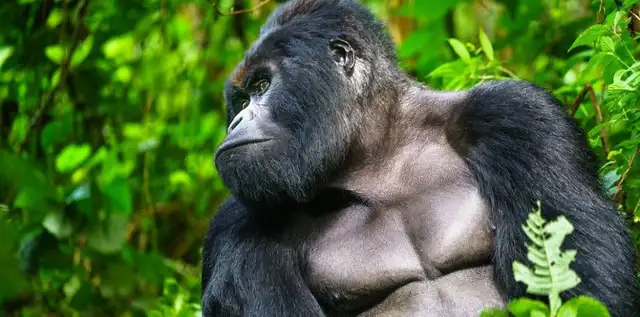
Uganda and Rwanda safaris are widely recognised for gorilla trekking. In Bwindi, the day begins before sunrise at headquarters such as Buhoma or Rushaga. After a briefing, groups are assigned a gorilla family. The trek involves navigating steep ridges, slippery slopes, and thick undergrowth, covering 3 to 8 kilometres over two to six hours. In Volcanoes National Park, terrain is shaped by volcanic slopes with bamboo zones allowing easier movement, though altitude above 2,500 metres can slow travellers. Once located, the one-hour viewing period begins, allowing observation of juveniles climbing vines and the silverback maintaining control over the group. Uganda and Rwanda safaris provide a fuller understanding of how environment shapes gorilla behaviour.
2. Wildlife Game Drives across Queen Elizabeth and Akagera National Parks
Uganda and Rwanda safaris provide strong wildlife viewing through game drives in Queen Elizabeth and Akagera National Parks. In Queen Elizabeth, Kasenyi Plains offer early morning drives where lions are commonly seen near Uganda kob herds. Elephants move across the plains while buffaloes graze in herds of over a hundred. Game drives begin around 6:30 am, covering 20 to 40 kilometres. In Akagera, rolling hills replace flat plains, with giraffes, zebras, and impalas commonly seen. Predator sightings require more patience due to thicker vegetation. The contrast between these parks adds depth to Uganda and Rwanda safaris, showing how wildlife adapts to different terrains.
3. Golden Monkey Tracking in Mgahinga and Volcanoes National Park
Uganda and Rwanda safaris introduce golden monkey tracking in the bamboo zones of Mgahinga and Volcanoes National Park. The environment is lighter and more open than Bwindi's thick forest. The trek begins in the morning, but golden monkeys are far more active and constantly moving, requiring visitors to stay alert and follow quickly as they leap between bamboo stems. Tracking distances vary between 2 to 5 kilometres, taking one to three hours. Groups sometimes number over 50 individuals, moving in coordinated bursts. This experience provides a valuable contrast to the calm presence of gorillas. Including golden monkey tracking in Uganda and Rwanda safaris makes the journey richer and more varied.
4. Chimpanzee Tracking in Kibale Forest
Uganda and Rwanda safaris gain further depth with chimpanzee tracking in Kibale National Park. The forest is dense but has established trails, making movement easier than in Bwindi. Tracking begins in the morning or afternoon, with rangers guiding visitors to where chimpanzee groups were last seen. Chimpanzees cover large distances daily, making tracking dynamic and unpredictable. Visitors often hear loud calls and drumming on tree trunks before seeing the animals. Once located, chimpanzees rarely stay still, moving through trees and feeding on fruits. The tracking distance may range from 2 to 6 kilometres, lasting two to four hours. This experience adds another dimension to Uganda and Rwanda safaris.
5. Border Crossing Experience between Uganda and Rwanda
Uganda and Rwanda safaris include crossing through border points such as Cyanika or Katuna. The process requires valid travel documents, visas, and sometimes yellow fever certificates. Crossing can take 30 minutes to 1 hour depending on traffic, though safari guides assist in making it smooth. Travellers complete immigration procedures and continue with minimal delay. This transition marks a shift in environment and organisation. Immediately after crossing into Rwanda, travellers notice differences in road quality, settlement patterns, and cleanliness. The landscape becomes more structured with terraced hills and planned communities. This change adds another layer to Uganda and Rwanda safaris, connecting two distinct but complementary travel experiences.
6. Bird Watching across Uganda and Rwanda
Uganda and Rwanda safaris are rewarding for bird enthusiasts, as both countries fall within the Albertine Rift region supporting high bird concentrations. Uganda hosts over 1,000 bird species, while Rwanda contributes additional forest and wetland species. Birdwatching takes place in wetlands, forests, lakes, and savannah areas. In Uganda, Mabamba Swamp is known for the shoebill stork, while Queen Elizabeth National Park hosts water birds along the Kazinga Channel. In Rwanda, birdwatching continues in forested areas and wetlands around Akagera and Volcanoes National Park. Early morning walks provide the best opportunities. Including birdwatching in Uganda and Rwanda safaris adds detail for travellers interested in smaller wildlife.
7. Cultural Experiences and Community Visits
Uganda and Rwanda safaris become more meaningful with visits to local communities around national parks. In western Uganda, communities near Bwindi and Queen Elizabeth welcome visitors into homesteads where banana beer brewing, basket weaving, and traditional cooking are demonstrated. Travellers walk through villages, interact with families, and participate in daily tasks. In Rwanda, cultural experiences are often more structured, with visits to cultural centres introducing traditional dance performances and storytelling. Travellers can visit local markets to see fresh produce and handmade crafts. These interactions help travellers understand the relationship between people and conservation, making Uganda and Rwanda safaris about both wildlife and human connection.
8. Boat Safaris on Kazinga Channel and Lake Ihema
Uganda and Rwanda safaris are enriched by boat safaris offering different wildlife viewing perspectives. In Uganda, the Kazinga Channel stretches 32 kilometres, connecting Lake George and Lake Edward, hosting one of the highest hippo concentrations in Africa. Boat cruises last 2 to 3 hours, allowing close observation of elephants drinking, buffaloes gathering near water, and crocodiles resting on banks. In Rwanda, Lake Ihema in Akagera National Park offers quieter boat rides surrounded by wetlands attracting bird species, with hippos and crocodiles also commonly seen. The contrast between these experiences adds balance to Uganda and Rwanda safaris, combining active wildlife viewing with calm observation.
Best Time to Visit for Uganda and Rwanda Safaris
The best time for Uganda and Rwanda safaris is during the dry seasons from June to September and December to February. Rainfall is lower, making forest trails easier for gorilla trekking and chimpanzee tracking. In savannah areas, shorter grass improves visibility during game drives. Roads connecting national parks are more accessible, reducing travel time. Uganda and Rwanda safaris can still take place during the rainy seasons from March to May and October to November, though trails become slippery and roads difficult in remote areas. Choosing the right time depends on travel preferences, but the dry months remain most suitable.
How to get There for Uganda and Rwanda Safaris
Travellers planning Uganda and Rwanda safaris usually begin through Entebbe International Airport or Kigali International Airport. From Entebbe, travellers access national parks by road or domestic flights, while Kigali provides quicker access to Volcanoes National Park, about 2 to 3 hours away. Combining both countries often involves arriving in one and departing from the other, creating a smooth route without backtracking. Road travel remains the most common way of moving between destinations during Uganda and Rwanda safaris, with distances ranging from 100 to 400 kilometres between major parks.
What to Carry for Uganda and Rwanda Safaris
Packing for Uganda and Rwanda safaris requires preparation for forest and savannah conditions. Lightweight clothing for warm days, long trousers, and long-sleeved shirts for forest walks. Strong hiking boots are essential for trekking in Bwindi and Volcanoes National Park. Additional items include insect repellent, sunscreen, a hat, and a light rain jacket, as weather can change quickly. Binoculars and cameras are important for wildlife viewing. A small backpack helps carry essentials during daily activities. Proper packing ensures comfort throughout Uganda and Rwanda safaris.
Where to Stay for the Best Accommodation on Uganda and Rwanda Safaris
Uganda and Rwanda safaris offer accommodation from high-end lodges to mid-range camps and budget guesthouses, all located near key wildlife areas. In Uganda, lodges around Bwindi sit along forest edges, providing direct access to trekking starting points. In Queen Elizabeth, lodges are positioned near the Kazinga Channel or within Mweya Peninsula. In Rwanda, accommodation around Volcanoes National Park is within 15 to 30 minutes of trekking headquarters. In Akagera, lodges overlook lakes and savannah landscapes. Choosing the right place to stay during Uganda and Rwanda safaris affects how smoothly each day's activities begin.
Health and Safety Tips for Uganda and Rwanda Safaris
Health and safety remain important throughout Uganda and Rwanda safaris. Travellers should consult medical professionals regarding recommended vaccinations, including yellow fever, and carry necessary medication. On safari, following instructions from guides and park rangers is essential, especially during gorilla trekking and game drives. Maintaining safe distances from wildlife protects both visitors and animals. Travellers should stay hydrated, use insect repellent, and wear appropriate clothing against sun exposure and forest conditions. Safety extends to general travel awareness, securing belongings, and respecting local guidelines. Proper preparation allows travellers to enjoy Uganda and Rwanda safaris without unnecessary risk.
Why Book with Lamz Tours and Travel for Uganda and Rwanda Safaris
Booking Uganda and Rwanda safaris with Lamz Tours and Travel ensures well-organised journeys covering permits, accommodation, transport, and guided activities. Local knowledge allows them to design routes that minimise travel time while maximising time in wildlife areas. Experienced guides understand animal behaviour, park routes, and logistics. Lamz Tours and Travel provides personalised support, adjusting itineraries based on traveller preferences, whether focusing on primates, wildlife, or cultural experiences. Their attention to detail ensures Uganda and Rwanda safaris run without disruption, allowing travellers to focus fully on the experience.
Beyond Uganda and Rwanda Safaris
Beyond Uganda and Rwanda, Lamz Tours and Travel also organises expertly planned trips across South Africa, Kenya, Tanzania, Morocco, Malawi and other African destinations.
Ready to plan your safari?
Talk to a Lamz Tours specialist and get a tailor-made quote.
Make an enquiry