Experiece the best travel tips for Spanish travelers on Morocco tours, from ferry crossings and cultural etiquette to essential packing and navigating the souks.
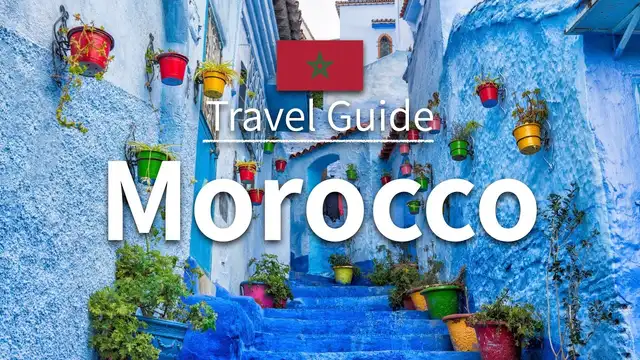
A Morocco tour is completely different from a typical European holiday. It is not about Mediterranean beaches or familiar cityscapes. This experience takes place in the vibrant medinas of ancient imperial cities, the vast dunes of the Sahara Desert, and the winding streets of the famous blue city of Chefchaouen. On a Morocco tour, you come for the exotic atmosphere, the rich history, and the warm hospitality, and with Spain just 14 kilometers across the Strait of Gibraltar, this North African gem is remarkably accessible. This article covers essential travel tips for Spanish travelers on Morocco tours. From convenient ferry crossings and language advantages to understanding cultural etiquette and planning your itinerary, these tips will help ensure your trip is unforgettable.
Popular Morocco Tour Packages
Best Travel Tips for Spanish Travelers on Morocco Tours
1. Getting to Morocco from Spain
One of the biggest advantages for Spanish travelers is the ease of getting to Morocco. The journey can be an adventure in itself. The most popular and dramatic route is the ferry crossing from Tarifa to Tangier, which takes just 35 minutes and arrives at Tangier Ville port, very close to the old town. Alternatively, ferries from Algeciras to Tangier Med take about 1.5 hours and are more budget-friendly, but you will need a taxi to reach the city center. For those traveling from the Catalan capital, there are also direct ferries from Barcelona to Tangier Med and Nador, though these are long-distance crossings lasting 28 to 32 hours, with cabin options available. For faster travel, direct flights from Madrid, Barcelona, and Málaga to Marrakech, Casablanca, Fez, and Tangier take under three hours. Round-trip flights can be very affordable, with prices sometimes as low as 80 euros. Whichever method you choose, booking in advance is recommended during peak seasons.
2. Visas and Documentation for Spanish Citizens
For Spanish citizens, the entry requirements for a Morocco tour are very straightforward. You do not need a visa for tourist visits of up to 90 days. Your valid Spanish passport or DNI is sufficient, but it is essential that your passport has a minimum validity of six months from your date of entry into Morocco. For travelers from other countries, it is recommended to verify the current bilateral agreements with Morocco before traveling. A valid passport is a must for all travelers.
4. Language: A Key Advantage for Spanish Travelers
Spanish travelers have a distinct advantage in Morocco. Many Moroccans, especially in the northern cities like Tangier and Tetouan, speak Spanish fluently. In tourist areas, French is also widely spoken. While learning basic Arabic greetings like "Salam alaikum" (Peace be upon you) is always appreciated, Spanish travelers will find communication much easier than most other Europeans. This linguistic connection makes navigation and cultural exchange much smoother. On a Morocco tour, don't be surprised to find that you can make yourself understood in Spanish in many situations.
5. Currency and Budgeting for Spanish Travelers
The local currency is the Moroccan dirham (MAD). The dirham cannot be obtained outside Morocco, so Spanish travelers should exchange euros at official exchange offices or withdraw from ATMs upon arrival. Morocco is generally affordable, with daily budgets ranging from 30 to 50 euros for budget travelers, 60 to 100 euros for mid-range, and 150 euros or more for luxury. While some places accept euros, it is best to pay in dirhams to get the best exchange rate.
6. Packing Essentials for Morocco Tours
Packing correctly is critical for a successful Morocco tour. The country experiences significant temperature variations. On a Morocco tour, you will need layers. For cities and the desert, pack light, breathable clothing for the day and a warm fleece or jacket for cooler evenings and nights. A waterproof rain jacket is essential, especially for spring and autumn. Sturdy, comfortable walking shoes are a must for exploring medinas. A daypack for water, snacks, and your camera is important. Sunscreen, sunglasses, and a wide-brimmed hat are vital to protect against the strong sun. For a desert experience, pack layers and warm clothing as temperatures drop significantly at night, even in November.
7. Essential Cultural Etiquette
Morocco is a Muslim-majority country with conservative values. On a Morocco tour, respecting local customs is important. Dress modestly, particularly outside tourist areas. Cover your shoulders and knees, and women may want to carry a scarf for visiting mosques or conservative areas. If visiting during Ramadan, be respectful of those fasting by avoiding eating, drinking, or smoking in public during daylight hours. Remove your shoes when entering homes, use your right hand for eating and greeting, and always ask permission before photographing people. Friday is the holy day, and some shops may have limited hours. Remember, bargaining is expected in the souks, but keep it friendly.
8. Health and Safety Tips
Morocco is generally safe for Spanish travelers, with lower crime rates than many European destinations. On a Morocco tour, basic safety precautions apply. Use registered guides in medinas to avoid scams, be cautious with street vendors and unofficial "helpers," and keep valuables secure in crowded areas. Drink bottled water and be cautious with street food initially. Spain and Morocco have healthcare agreements, but it is recommended to bring the European Health Insurance Card and consider additional travel insurance. Women traveling alone should dress conservatively and may experience verbal attention, but many female travelers report feeling safe.
9. Navigating the Souks
Shopping in the souks is an essential part of any Morocco tour. Bargaining is a normal part of the culture. On a Morocco tour, approach it with respect and an open mindset, and it will make the experience enjoyable for both sides. A helpful tip is to start at 50% of the asking price, remain friendly, and be prepared to walk away. Vendors expect negotiation and enjoy the interaction. Only buy what you want and are prepared to pay for.
10. Transportation: Getting Around
Transportation between cities is efficient and reliable. On a Morocco tour, CTM and Supratours buses are comfortable and well-regarded. Trains connect major cities such as Tangier, Rabat, Casablanca, and Marrakech. For desert routes, private drivers offer flexibility. Domestic flights are an option for longer distances. Within cities, use petit taxis (small taxis) for short journeys, grand taxis for intercity travel, and the best way to explore the medinas is on foot. Uber and Careem are available in major cities.
Weather and Climate on Morocco Tours
On a Morocco tour, the weather is Mediterranean but varies by region. Coastal areas are mild year-round, while the interior is hot in summer and cold in winter. The desert sees extreme temperature drops at night. Spring and autumn offer the best weather for most destinations.
Best Time for Morocco Tours from Spain
The best time for a Morocco tour depends on your preferences, but for most Spanish travelers, spring (March to May) and autumn (September to November) offer the most pleasant weather. Temperatures are mild, ideal for exploring cities and the desert. On a Morocco tour during these months, you can avoid the extreme heat of summer and the cold of winter. Summer (June to August) is recommended only for the northern coast, as inland and desert temperatures can easily exceed 40°C. Winter is perfect for the desert but nights can be very cold. The dry season is generally best for outdoor activities and photography.
Things to Do on Morocco Tours
A Morocco tour offers unique activities. Exploring imperial cities (Fes, Marrakech, Meknes, Rabat), camel trekking in the Sahara, and staying in a desert camp are highlights. The blue city of Chefchaouen, the UNESCO site of Ait Benhaddou, and the coastal town of Essaouira are also must-sees.
What to Carry for Morocco Tours
Pack sturdy walking boots, light and breathable clothing, a rain jacket, and warm layers for the evening. Sunscreen, a hat, and sunglasses are essential. A reusable water bottle, a daypack, and your passport are non-negotiable.
Why Book with Lamz Tours and Travel for Morocco Tours
Booking your Morocco tour with Lamz Tours and Travel ensures a well-organized and stress-free experience. Their local guides know the medinas, desert routes, and cultural intricacies. On a Morocco tour with Lamz Tours and Travel, they handle permits, transfers, accommodation, and guides. You just show up with your camera and sense of adventure. Their itineraries are flexible. Want to focus on Marrakech? They can do that. Want to combine the Sahara with the imperial cities? They can do that too. For a safe, unforgettable Morocco tour, Lamz Tours and Travel is the best choice. You focus on the souks and the desert. They handle everything else.
Ready to plan your safari?
Talk to a Lamz Tours specialist and get a tailor-made quote.
Make an enquiry