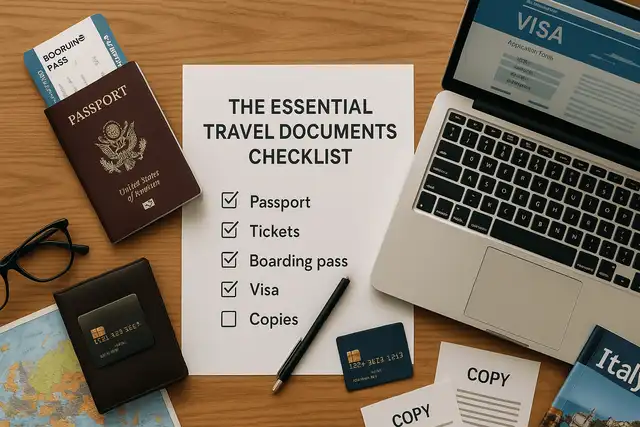
Botswana safari travel requires valid passport, visa, insurance, health certificates, flight tickets, accommodation proof, funds, itinerary, and permits.
Preparing for a Botswana safari requires careful attention to travel documents to ensure smooth entry and a stress-free experience. Immigration officials and safari operators expect travelers to carry essentials such as a valid passport, visa (if required), and health certificates like yellow fever vaccination proof. A Botswana safari also demands travel insurance with medical evacuation coverage, confirmed flight tickets, and accommodation bookings to reassure authorities of your plans. Detailed itineraries, proof of funds, and updated health documents such as vaccination cards or test results are equally important. Emergency contacts and permits for specific parks or activities complete the checklist. By organizing these documents in advance, Botswana safari travelers avoid delays, meet official requirements, and enjoy a well-prepared safari adventure
Our popular African safari packages
The Best Travel Documents Required Before You Go for Botswana Safari
Valid Passport
A valid passport is the most important document for a Botswana safari. It must be valid for at least six months beyond your travel dates and have two or more blank pages for entry stamps. Botswana safari operators emphasize this requirement because immigration officials will deny entry if the passport does not meet these conditions. Travelers should check their passport well in advance and renew it if necessary. Botswana safari trips often involve crossing borders into neighboring countries, so having a compliant passport ensures smooth travel and avoids delays at checkpoints.
Visa (if required)
Depending on nationality, a visa may be necessary for a Botswana safari. Many travelers from countries such as the USA, UK, and EU do not need a visa for short stays, but others must apply in advance. Botswana safari packages exclude visa costs, so guests must handle applications themselves. It is advisable to confirm requirements with the nearest Botswana embassy or consulate before departure. Carrying a printed visa approval or e-visa confirmation ensures smooth entry. Botswana safari travelers should budget for visa fees and allow time for processing to avoid last-minute complications.
Yellow Fever Certificate
A yellow fever vaccination certificate is required if you are traveling to Botswana from or through a country with risk of transmission. Botswana safari operators highlight this because immigration officials may deny entry without proof. The certificate must be presented at the airport or border post. Botswana safari travelers should get vaccinated at least ten days before departure to ensure validity. This requirement protects both visitors and local communities from disease risks. Keeping the certificate in your travel wallet ensures it is easily accessible when needed.
Travel Insurance Policy
Travel insurance is essential for a Botswana safari, covering medical emergencies, evacuation, and trip cancellations. Policies must include medical evacuation because safaris often take place in remote areas far from hospitals. Botswana safari operators strongly recommend carrying a printed copy of your insurance policy and emergency contact numbers. This ensures quick response in case of accidents or illness. Botswana safari travelers benefit from peace of mind knowing they are financially protected against unexpected events. Without insurance, medical evacuation costs can be extremely high, making this document non-negotiable.
Flight Tickets
Confirmed flight tickets are required for entry into Botswana and for smooth safari planning. Immigration officials may ask for proof of onward or return travel. Botswana safari packages usually exclude international flights, so travelers must book and carry their own tickets. Printed or digital copies should be kept handy for check-in and border control. Botswana safari travelers should also confirm domestic flight bookings if included in their itinerary, as these connect key safari destinations. Having tickets ready avoids delays and ensures smooth transitions between safari locations.
Accommodation Confirmation
Proof of accommodation is often requested at immigration checkpoints. Botswana safari packages include lodges or camps, but travelers should carry booking confirmations. These documents show where you will be staying and for how long. Botswana safari operators usually provide detailed itineraries with lodge names and contact details. Carrying these confirmations reassures officials and helps in case of logistical issues. Botswana safari travelers benefit from having clear records of their bookings, ensuring smooth check-ins and avoiding confusion during transfers.
Safari Itinerary
A detailed safari itinerary is an important document for Botswana safari travelers. It outlines daily activities, destinations, and accommodations. Botswana safari operators provide this to guide guests and assist with logistics. Immigration officials may ask for proof of planned activities, making the itinerary useful at entry points. Botswana safari travelers should carry both printed and digital copies to stay organized. This document also helps in emergencies, as it contains contact details for lodges and guides. Having a clear itinerary ensures travelers know what to expect each day.
Proof of Funds
Immigration officials may request proof of sufficient funds to cover your stay. Botswana safari travelers should carry recent bank statements, credit cards, or cash receipts. Botswana safari packages cover most expenses, but proof of funds reassures authorities that you can handle personal costs. This requirement is especially important for independent travelers. Carrying these documents avoids delays at entry points and ensures compliance with regulations. Botswana safari operators often advise guests to keep copies of financial documents in a safe but accessible place.
Health Documents
Besides yellow fever certificates, travelers may need other health documents such as COVID-19 vaccination cards or negative test results, depending on current regulations. Botswana safari operators update guests on requirements before travel. Carrying these documents ensures smooth entry and avoids quarantine. Botswana safari travelers should keep health records in both printed and digital formats. These documents protect communities and reassure officials of compliance. Having them ready avoids last-minute stress and ensures a safe safari experience.
Emergency Contacts and Permits
Carrying emergency contact details and any special permits is vital for a Botswana safari. This includes numbers for your safari operator, lodge, and insurance provider. Botswana safari travelers may also need permits for specific parks or activities, which operators usually arrange. Keeping these documents ensures quick assistance in case of emergencies. Botswana safari trips often involve remote areas, so having reliable contacts is crucial. Travelers benefit from peace of mind knowing they can reach help when needed.
Best time to go for Botswana safari
The best time to go for a Botswana safari is during the dry season from May to October, when wildlife viewing is at its peak. During these months, animals gather around permanent water sources such as the Okavango Delta and Chobe River, making sightings consistent and rewarding. Vegetation is thinner, which improves visibility, and temperatures are cooler, creating comfortable conditions for game drives. A Botswana safari in this period also coincides with the annual flood of the Okavango Delta, offering unique opportunities for mokoro canoe trips. While lodges are busier and prices higher, the quality of wildlife encounters makes this season the most popular choice. For travelers seeking quieter experiences, the wet season from November to April offers vibrant landscapes and excellent birdwatching.
Booking a Botswana safari with Lamz Tours and Travel
Booking a Botswana safari with Lamz Tours and Travel ensures a well-planned and value-driven experience tailored to your needs. Lamz Tours and Travel specializes in creating detailed itineraries that combine luxury lodges, expert guiding, and exclusive wildlife encounters across Botswana’s prime destinations such as the Okavango Delta, Chobe National Park, and Moremi Game Reserve. By booking a Botswana safari with Lamz Tours and Travel, travelers benefit from personalized service, transparent inclusions, and professional support from start to finish. The team handles logistics like park fees, transfers, and accommodations, leaving you free to focus on enjoying the safari. With a commitment to authenticity and conservation, Lamz Tours and Travel provides not just a holiday but a meaningful adventure that supports local communities and preserves Botswana’s natural heritage.
Ready to plan your safari?
Talk to a Lamz Tours specialist and get a tailor-made quote.
Make an enquiry