Best tips for travelling to Tanzania for wildlife safari, visa, top parks, when to go, health prep, money, safety, gear, local culture, and digital detox
Travelling to Tanzania for wildlife safari is one of the most rewarding ways to explore Africa’s natural beauty, iconic animals, and vibrant culture. With its vast landscapes, protected parks, and diverse ecosystems, Tanzania offers unmatched game-viewing opportunities that attract first-time visitors and seasoned adventurers alike. From the famous plains of the Serengeti to the depths of the Ngorongoro Crater, each destination brings its own rhythm of wildlife and wonder. But beyond the game drives, the country invites deeper discovery whether you’re connecting with Maasai traditions, climbing Kilimanjaro, or relaxing on Zanzibar’s beaches. To help you prepare for the trip of a lifetime, this guide breaks down the best tips for travelling to Tanzania for wildlife safari, covering everything from visas and health prep to must-visit parks and cultural etiquette. By planning smartly and embracing the journey with an open mind, you’ll enjoy a safe, exciting, and meaningful experience in one of Africa’s top safari destinations
Best packages for travelling to Tanzania
2-days-fly-in-serengeti-safari-in-tanzania
2-days-tarangire-national-park-and-ngorongoro-crater-safari
3-days-tanzania-safari-in-serengeti-national-park
3-days-tanzania-wildlife-safari
4-days-epic-tanzania-wildlife-and-culture-safari
5-day-kenya-and-tanzania-safari
5-days-circuit-wildlife-safari-in-tanzania
6-days-ndutu-migration-safari-calving-season
8-day-serengeti-ngorongoro-crater-and-zanzibar
8-days-wildlife-and-beach-holiday-tanzania
8-days-wildlife-safari-tanzania
9-days-zanzibar-and-wildlife-safari
10-days-uganda-and-tanzania-safari-gorillas-chimpanzees-and-wildlife
5-days-mount-kilimanjaro-marangu-route
6-days-mount-kilimanjaro-machame-route
7-day-climbing-kilimanjaro-via-the-machame-route
8-days-kilimanjaro-climbing-safari-lemosho-route-mount
9-days-kilimanjaro-climb-lemosho-route
12-days-mount-kilimanjaro-climb-and-tanzania-safari-tour
4-days-tanzania-birding-safari-to-lake-manyara-national-park
5-days-birding-tour-in-tanzania
9-days-birding-and-wildlife-safari-in-tanzania
12-days-birding-safari-in-tanzania
Best Tips for Travelling to Tanzania for Wildlife Safari
1. Visa and Entry Requirements
When travelling to Tanzania for wildlife safari, make sure your visa and entry documents are in order to avoid delays. You can apply for an eVisa through the official immigration website or get one on arrival, depending on your nationality, for $50–$100. Your passport should be valid for at least six months beyond your stay, with at least two blank pages. A yellow fever vaccination certificate is mandatory if you’re coming from a country where the disease is present. Travelling to Tanzania for wildlife safari becomes much smoother when you handle these basics ahead of time.
8. Must-Visit Destinations
When travelling to Tanzania for wildlife safari, certain destinations should be at the top of your list. The Northern Circuit is the most popular, offering iconic spots like Serengeti for large-scale animal movements, Ngorongoro Crater for easy Big Five sightings, and Tarangire for elephants and baobabs. If you prefer less-visited areas, the Southern Parks Selous (now Nyerere) and Ruaha offer a more rugged experience with fewer crowds, Travelling to Tanzania for wildlife safari also means you can pair the adventure with beach time. Zanzibar is perfect for winding down, with historical Stone Town, quiet Kendwa Beach, and tours of spice plantations. For active travelers, Mount Kilimanjaro calls with scenic routes like Machame or Lemosho. Plan your stops based on time, interests, and travel style.
2. Choose the Right Time to Visit
When travelling to Tanzania for wildlife safari, timing matters. The dry season from June to October is best if you want reliable wildlife sightings, especially near waterholes. This is also when the Great Migration reaches its peak with dramatic river crossings in northern Serengeti. Travelling to Tanzania for wildlife safari during January and February offers a chance to see baby wildebeest being born in the south, which attracts predators. If you're on a budget, April to May or November bring fewer tourists and cheaper rates, but some lodges shut and roads can be messy. So, weigh comfort, cost, and animal activity before booking.
3. Pick the Best Parks for Your Safari
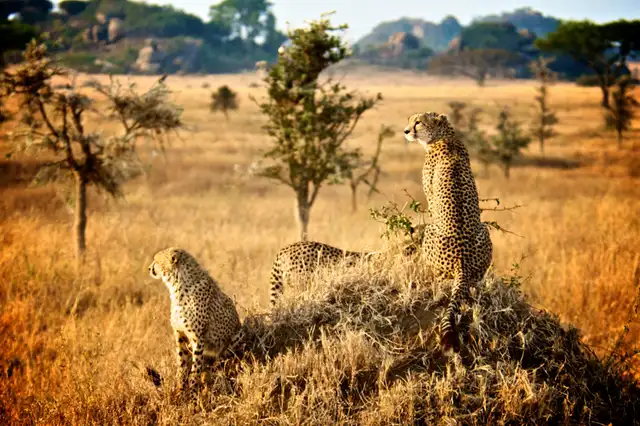
Travelling to Tanzania for wildlife safari gives you access to top-tier parks. Serengeti is known worldwide for the Great Migration and the Big Five. Ngorongoro Crater has dense animal populations, making sightings easier. Tarangire is great for elephants and unique trees, while Lake Manyara adds variety with its birdlife and lion behavior. If you want a quieter trip, the southern parks like Ruaha and Selous offer a more rugged experience. Travelling to Tanzania for wildlife safari means you can tailor your route based on what animals you want to see and how remote you want the adventure to be.
4. Book a Reputable Safari Operator
Booking a trusted tour company is key when travelling to Tanzania for wildlife safari. Look for licensed operators with solid reviews on platforms like SafariBookings or TripAdvisor. Private safaris cost more but give you full control over schedule and activities, while group tours can save money and be fun if you enjoy meeting others. Travelling to Tanzania for wildlife safari also means picking your comfort level: camping safaris offer an up-close feel to nature, while luxury lodges give you all the comforts after long drives. Check cancellation policies, guide experience, and vehicle condition before confirming.
5. Pack the Right Gear
Travelling to Tanzania for wildlife safari demands smart packin, Choose clothes in neutral colors like khaki, beige, and green to blend into the environment. Early mornings can be cold, so include a warm layer. Good walking shoes and casual sandals cover all situations. Binoculars help you catch distant animals, while a zoom lens makes your photos memorable. A hat, sunscreen, and repellent help with sun and bugs. Travelling to Tanzania for wildlife safari also means thinking about safety: malaria pills, a refillable bottle, and basic meds go a long way in remote areas.
6. Health and Safety Precautions
Before travelling to Tanzania for wildlife safari, visit a travel clinic for necessary shots. Yellow fever is mandatory if you’re arriving from a risk country, and vaccines for typhoid, hepatitis A/B, and sometimes rabies are recommended. Malaria is present, so take your prophylaxis on schedule and apply repellent often. Travelling to Tanzania for wildlife safari also means being cautious with drinking water stick to bottled or filtered options. Don’t skip travel insurance; it can cover unexpected health problems or even emergency evacuations from remote parks. Better safe than sorry out in the bush.
7. Respect Wildlife and Local Culture
One of the most important rules when travelling to Tanzania for wildlife safari is respecting nature. Keep quiet during game drives and stay seated especially around predators. Feeding animals can put them in danger and change their natural behavior. Always follow your guide’s instructions. Travelling to Tanzania for wildlife safari also means appreciating local communities. Ask before taking photos of people, especially in Maasai or Hadzabe areas, where they may charge a small fee. Taking the time to learn basic Swahili phrases or showing interest in traditions helps make your experience more respectful and genuine.
8. Money and Budgeting
Handling money smartly is important when travelling to Tanzania for wildlife safari. The Tanzanian Shilling is the local currency, but US dollars are accepted in most hotels and lodges. Bring small USD bills for tips, especially in remote areas where change is hard to find. Travelling to Tanzania for wildlife safari also includes being prepared to tip—guides, drivers, and porters all expect it. ATMs are limited outside cities, and credit cards may not work in bush camps. Budget for entry fees, transport, guides, tips, and some souvenirs, and always carry some cash just in case.
8. Stay Connected
Travelling to Tanzania for wildlife safari offers a break from the digital world, but if you want to stay connected, plan ahead. Buy a local SIM card at the airport Vodacom and Airtel offer the best coverage across safari regions. Wi-Fi is available at most mid-range and luxury lodges, though it’s often slow or limited. Travelling to Tanzania for wildlife safari is also a great excuse to disconnect for a while and enjoy nature without distraction. Let friends and family know you may be offline, and embrace the chance to fully focus on the experience around you.
9. Extend Your Trip with Other Experiences
Many travelers combine beach time or cultural activities after travelling to Tanzania for wildlife safari. Zanzibar is popular for its warm beaches, spice farms, and Swahili culture. Mount Kilimanjaro is nearby if you want a physical challenge. You can also visit Maasai or Hadzabe communities for a deeper look at local life. Travelling to Tanzania for wildlife safari gives you access to more than just animals it’s a gateway to the country's diverse people, history, and natural beauty. Plan some extra days into your itinerary so you don’t miss these meaningful additions.
10. Stay Flexible
When travelling to Tanzania for wildlife safari, flexibility goes a long way in making your experience smoother and more enjoyable. Delays can occur flights might be rescheduled, game drives may start later than planned, or wildlife might not show up on cue. Weather, road conditions, and logistical hiccups are all part of the adventure. Travelling to Tanzania for wildlife safari means embracing the unpredictable and focusing on the moment, whether it’s waiting quietly for a lion to appear or adapting to a change in plans, Stay relaxed, keep a sense of humor, and trust your guide they know how to navigate the wild. Let patience be your travel companion, and you’ll return with richer stories and a better appreciation of the experience.
11. Be Prepared for Adventure
Travelling to Tanzania for wildlife safari is not always smooth. Roads can be dusty in the dry season and slippery in the wet, so brace for bumps. Game drives often start early, around 5–6 AM, to catch animals before the heat sets in. Travelling to Tanzania for wildlife safari also requires patience. Some days, animals appear one after the other; other times, you’ll scan the plains for hours. But that unpredictability is part of the magic. The more flexible and curious you are, the more you’ll get out of your time in the wild
Best 8 must do things on travelling to Tanzania for wildlife safari
1. Watch the Great Migration
Travelling to Tanzania for wildlife safari wouldn’t be complete without seeing the Great Migration, where millions of wildebeest and zebras cross the Serengeti in search of fresh grass. The best time to catch dramatic Mara River crossings is June to July, when predators lurk at the banks and chaos unfolds in real time. This is one of the most intense wildlife moments you’ll witness anywhere in the world. Travelling to Tanzania for wildlife safari during migration season means early mornings, long drives, and major rewards.
2. Explore Ngorongoro Crater
The Ngorongoro Crater is like a wildlife hotspot compressed into one breathtaking area. Travelling to Tanzania for wildlife safari gives you access to this massive volcanic caldera, which shelters thousands of animals including lions, hyenas, zebras, elephants, and rare black rhinos. It’s one of the easiest places to tick off the Big Five in a single day. Travelling to Tanzania for wildlife safari here means you’ll spend the day watching animals in a natural amphitheater surrounded by steep crater walls.
3. Take a Walking Safari in Ruaha or Selous
Step out of the vehicle and into the wilderness with a walking safari in the southern parks. Travelling to Tanzania for wildlife safari on foot is a chance to slow down and notice the smaller details animal tracks, birdcalls, and plant uses explained by expert guides. Ruaha and Selous (Nyerere) offer a quieter, more personal safari vibe away from large tour groups. Travelling to Tanzania for wildlife safari this way adds a sense of raw connection that vehicles can’t provide.
4. Sleep in a Tented Camp
Spending a night in a tented camp places you right in the heart of the action without giving up comfort. Travelling to Tanzania for wildlife safari isn’t just about the day drives—nights in the bush bring different sounds and a deeper sense of wild. Many camps balance luxury and nature, with proper beds, bathrooms, and meals under the stars. Travelling to Tanzania for wildlife safari becomes more memorable when you fall asleep to lions roaring in the distance.
5. Visit a Maasai or Hadzabe Community
Connecting with local communities adds meaning to your trip beyond the animals. Travelling to Tanzania for wildlife safari is also a chance to meet people like the Maasai, known for their traditional dress and customs, or the Hadzabe, one of Africa’s last hunter-gatherer tribes. Visiting these communities respectfully can open your eyes to different ways of life and how they coexist with wildlife. Travelling to Tanzania for wildlife safari gains more depth when it includes cultural exchange.
6. Go on a Balloon Safari
Floating silently over the plains at sunrise in a hot air balloon is unlike anything else. Travelling to Tanzania for wildlife safari from the sky gives you sweeping views of herds moving across the land, undisturbed by engine noise. It's a peaceful, almost dreamlike way to start the day before touching down for a bush breakfast. Travelling to Tanzania for wildlife safari with a balloon ride is perfect for capturing epic landscape photos and soaking in the vastness of the terrain.
7. Spot Tree-Climbing Lions in Lake Manyara
Lake Manyara is one of the few places where lions are regularly seen lounging in trees a behavior not typical of the species. Travelling to Tanzania for wildlife safari gives you a shot at seeing these unusual predators balancing on acacia limbs. The park also offers flamingos, elephants, and lush surroundings near the lake. Travelling to Tanzania for wildlife safari here provides a shorter, scenic stop that often surprises visitors with its variety and charm.
8. Relax in Zanzibar After Your Safari
After dusty roads and long drives, a few days on the beach is the perfect break. Travelling to Tanzania for wildlife safari often ends in Zanzibar, where you can rest beside turquoise waters, eat grilled seafood, and wander through historic Stone Town. The island blends African, Arab, and European influences, giving you more than just a beach escape. Travelling to Tanzania for wildlife safari becomes a full experience when you balance adventure with rest and culture by the sea
What do I need to do before traveling to Tanzania?
Before travelling to Tanzania for wildlife safari, sort out your travel documents early. Apply for an eVisa through the official immigration website or plan for a visa on arrival depending on your nationality. Check your passport make sure it’s valid for at least six months with two blank pages. Book your flights, confirm accommodation and safari operator, and get travel insurance that includes medical coverage. Travelling to Tanzania for wildlife safari also involves checking for necessary vaccinations and packing the right clothes and gear to suit the terrain and climate. Planning ahead helps you focus on enjoying the trip rather than stressing over logistics
What is needed when travelling to Tanzania?
When travelling to Tanzania for wildlife safari, you’ll need a valid passport, a visa (eVisa or visa on arrival), and in some cases, a yellow fever vaccination certificate. Make sure you carry a printout of your visa approval if applying online. Bring US dollars in small denominations, as they’re widely accepted for payments and tips. Travelling to Tanzania for wildlife safari also means preparing the right travel gear, like neutral-colored clothing, binoculars, and sun protection. Don’t forget malaria prevention, a reusable water bottle, and any personal meds. Keeping copies of important documents and a physical itinerary is a smart move too
Is it safe to travel to Tanzania right now?
Travelling to Tanzania for wildlife safari is generally safe, especially in major tourist areas like national parks, Zanzibar, and Kilimanjaro. Use a trusted safari company, follow guide instructions, and avoid isolated areas at night. Petty theft can occur in cities, so keep valuables secure. Travelling to Tanzania for wildlife safari also means being cautious with food and water stick to bottled or filtered options and eat in reputable places. Political demonstrations are rare in tourist areas but should be avoided if they happen. Stay informed via your embassy or travel advisories and registers your trip if your country offers that service
What shots do I need to enter Tanzania?
When travelling to Tanzania for wildlife safari, the yellow fever vaccine is only required if you’re coming from or transiting through a country with yellow fever risk. Recommended vaccines include hepatitis A and B, typhoid, and tetanus. Some travelers also get rabies and cholera shots, depending on their itinerary and length of stay. Travelling to Tanzania for wildlife safari also exposes you to malaria risk, so start your prophylaxis before arrival and continue after returning. Visit a travel clinic at least 4–6 weeks before your trip to get personalized advice based on your health and travel plans
Can I travel to Tanzania without a yellow fever vaccine?
Yes, you can travel to Tanzania for wildlife safari without a yellow fever vaccine if you are not arriving from a country where yellow fever is present. However, if your flight includes a stopover in a risk country (even for a few hours), immigration may ask for proof of vaccination. Travelling to Tanzania for wildlife safari without this certificate might delay your entry or require proof you didn’t leave the transit area. To avoid complications, carry your vaccination records and double-check airline routes. If you have a medical exemption, bring a signed doctor’s letter, but verify if that’s accepted before departure
What is the vaccination schedule for Tanzania?
When travelling to Tanzania for wildlife safari, plan your vaccination schedule at least a month in advance. Yellow fever (if needed) should be taken at least 10 days before departure. Hepatitis A and B shots are often given as a series start early to complete them. Typhoid can be a single injection or oral pills taken over several days. Tetanus is usually part of routine vaccinations, but get a booster if it's been more than 10 years. Travelling to Tanzania for wildlife safari also requires starting malaria pills 1–2 days before arrival (depending on the type), continuing during your trip, and for days after returning
Booking travelling to Tanzania with Lamz Tours and Travel
Booking a trip to Tanzania with Lamz Tours and Travel means stepping into a world of untamed beauty, expertly guided adventure, and seamless luxury, Whether you're chasing the Great Migration across the Serengeti, descending into the Ngorongoro Crater, or relaxing on the spice-scented shores of Zanzibar, Lamz Tours and Travel crafts personalized itineraries that balance wildlife thrills with cultural depth. Our Tanzania packages include everything from birding tours and Big Five safaris to mountain hikes and beach escapes, all tailored to your pace and preferences. With a dedicated team and local expertise, they handle every detail from airport transfers to park permits so you can focus on the magic of the journey
Ready to plan your safari?
Talk to a Lamz Tours specialist and get a tailor-made quote.
Make an enquiry