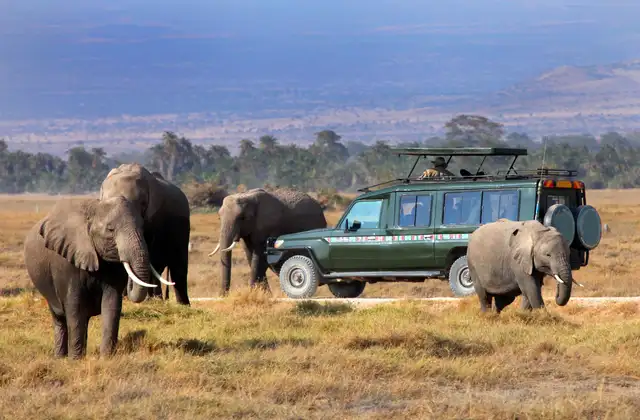
Embarking on a photography safari in Kenya is an exhilarating experience that offers stunning landscapes and incredible wildlife. To capture the beauty of this diverse environment, it's essential to be well-prepared and knowledgeable about the best practices for wildlife photography. From understanding your equipment to mastering the art of patience, each tip will enhance your photographic journey. Whether you’re a novice or an experienced photographer, these insights will help you seize the perfect moments and create lasting memories. Prepare to immerse yourself in the vibrant world of Kenya's wildlife and landscapes while honing your photographic skills.
3-days-luxury-fly-in-safari-to-masai-mara
3-days-amboseli-national-park-safaris
3-days-kenya-safari-in-tsavo-east-and-tsavo-west
Best tips for Kenya photography safari
1. Choose the Right Equipment
Selecting the right photography equipment is crucial for a successful safari. A DSLR or mirrorless camera with a good zoom lens (200-400mm) will allow you to capture distant wildlife without disturbing them. Bring a sturdy tripod for stability, especially during low-light conditions at dawn and dusk. Don't forget extra batteries and memory cards, as you’ll be taking plenty of photos. A polarizing filter can help enhance colors and reduce glare, particularly in bright sunlight. Additionally, consider a camera bag that is easy to carry and offers quick access to your gear. Being well-equipped ensures you’re ready to capture every stunning moment during your safari adventure.
2. Understand Animal Behavior
Understanding animal behavior is key to capturing stunning wildlife photographs. Take the time to learn about the species you hope to photograph, including their habits, feeding patterns, and social structures. This knowledge will help you anticipate their actions and position yourself for the best shots. For instance, many animals are more active during early morning and late afternoon, so plan your outings accordingly. Additionally, observe how animals interact with their environment and each other; this can lead to unique and compelling images. Patience is essential—often, the best photographs come when you quietly wait for the right moment to unfold.
3. Use Natural Light Wisely
Natural light plays a significant role in wildlife photography, dramatically influencing the mood and quality of your images. The golden hours—just after sunrise and just before sunset—offer soft, warm light that enhances colors and textures, making your photos more captivating. During midday, harsh sunlight can create stark shadows, so consider finding shaded areas or shooting in open spaces to minimize contrast. Adjust your camera settings to accommodate different lighting conditions, using a lower ISO in bright light to avoid graininess. Embrace the changing light throughout the day to capture the essence of the African landscape and the wildlife within it.
4. Focus on Composition
Composition is vital in photography, helping to create visually appealing images that tell a story. Apply the rule of thirds by placing your subject off-center to create balance and interest. Use leading lines, such as roads or riverbanks, to draw the viewer’s eye into the scene. Experiment with different angles and perspectives—shooting from a low angle can add drama, while a high vantage point might provide a broader view. Incorporate elements of the environment, like trees or mountains, to frame your subject. Taking the time to consider composition will elevate your wildlife photographs and make them more engaging.
5. Be Patient and Respectful
Patience is a fundamental virtue in wildlife photography. Animals may not behave on cue, so waiting quietly for the right moment can yield incredible results. Respect the wildlife and their habitats by maintaining a safe distance and avoiding unnecessary disturbances. Follow your guide’s instructions regarding proximity to animals, as their comfort is paramount. Use your time wisely—if an animal is resting, observe its surroundings and look for other opportunities, such as interesting landscapes or interactions between species. By being patient and respectful, you not only enhance your photography but also contribute to the conservation of Kenya’s precious wildlife.
6. Keep Your Camera Ready
Wildlife is unpredictable, and the best moments can happen suddenly. Keep your camera ready to shoot at all times, ensuring it's set to the right mode and settings for quick access. Use continuous shooting mode to capture a series of images, increasing your chances of getting the perfect shot. Familiarize yourself with your camera’s features, so you can adjust settings quickly without losing precious moments. Additionally, consider using a neck strap or harness to keep your camera secure while allowing for swift access. Being prepared will help you seize spontaneous opportunities and capture stunning wildlife moments.
7. Capture Environmental Context
While close-up shots of animals are captivating, including the environment can add depth to your photographs. Wide-angle shots that showcase the landscape alongside wildlife provide context and tell a story about the animal's habitat. Look for interesting interactions between species and their surroundings, such as a lion lounging under a tree or elephants near a watering hole. Incorporating elements like clouds, mountains, or grasslands can enhance the overall composition. This approach not only highlights the beauty of the wildlife but also emphasizes the importance of their ecosystems, creating more impactful images.
8. Explore Different Perspectives
Experimenting with different perspectives can dramatically change the way your photographs are perceived. Instead of always shooting at eye level, try crouching low to the ground for a unique angle, or find a higher vantage point to capture the scene from above. Shooting from various angles can reveal different aspects of the wildlife and their interactions. Don’t hesitate to move around and adjust your position to find the most compelling composition. This creativity will lead to more interesting and dynamic photographs, showcasing the diversity of the Kenyan landscape and its inhabitants.
9. Take Time to Observe
Spending time observing wildlife before shooting can lead to more meaningful photographs. Watch their behavior, interactions, and movements to anticipate great moments. By being patient and attentive, you might capture unique behaviors, such as a mother nurturing her young or animals engaging in playful interactions. This observation also allows you to identify the best angles and compositions for your shots. Take mental notes of what you see, and be ready to react when the perfect moment arises. This approach enhances your understanding of wildlife and ultimately improves the quality of your images.
10. Post-Processing
Post-processing is an essential part of photography that can enhance your images significantly. After your safari, take the time to edit your photos using software like Adobe Lightroom or Photoshop. Adjust exposure, contrast, and saturation to bring out the vibrancy of your images. Cropping can improve composition, while sharpening details can help your photos pop. However, aim for a natural look; avoid excessive manipulation that alters the essence of the scene. Post-processing allows you to refine your work and present your best images, ensuring that your memories from the safari are beautifully captured and preserved.
Booking Kenya photography safari with Lamz Tours and Travel
Booking a Kenya photography safari with Lamz Tours and Travel is an excellent choice for capturing stunning wildlife and landscapes. Their experienced guides provide valuable insights and access to prime photography locations. Enjoy personalized itineraries tailored to your interests, ensuring unforgettable experiences. With a focus on quality and customer satisfaction, Lamz Tours and Travel makes your photographic adventure truly remarkable.
Ready to plan your safari?
Talk to a Lamz Tours specialist and get a tailor-made quote.
Make an enquiry