Practical tips for first-time safari trips in Botswana, covering best seasons, costs, regions, packing, health, culture, and wildlife highlights.
Planning safari trips in Botswana for the first time requires clear guidance to make the experience rewarding and cost-effective. Botswana offers diverse safari seasons, each with unique advantages, from the dry months that highlight wildlife near water sources to the green season that brings birdlife and newborn animals. Costs are higher compared to other destinations due to the country’s focus on exclusivity and conservation, but the value lies in fewer crowds and pristine wilderness. Choosing the right region, such as Moremi, Khwai, or Chobe, ensures travelers see varied landscapes and wildlife. Small plane transfers, smart packing, health precautions, and cultural respect all play a role in smooth planning. With thoughtful preparation, safari trips in Botswana provide first-time visitors with meaningful experiences that balance comfort, wildlife, and community connection.
Best packages for Botswana safari
The Best Tips for Getting Best from Safari Trips in Botswana for First Time
1. Choose the Best Time for Your Safari
Timing matters when planning safari trips in Botswana, as the country offers dry, green, and shoulder seasons. The dry season from June to October is best for classic wildlife viewing, with animals gathering near water sources and the Okavango Delta in full flood. The green season from November to March is ideal for birding and photography, with newborn animals and lush landscapes. Shoulder months like April, May, and November balance good sightings with fewer crowds and better deals. Safari trips in Botswana during these times allow travelers to match their interests with the right season while keeping costs manageable. Choosing wisely ensures both value and memorable wildlife experiences, making safari trips in Botswana rewarding for first-time visitors.
2. Understand the Cost of a Botswana Safari
Safari trips in Botswana are priced higher than many African destinations because of the country’s focus on low-impact tourism. Expect mid-range safaris to cost $550–$700 per person per night, while luxury options range from $750 to $1,500+. These rates usually include accommodation, meals, activities, and park fees. The higher cost reflects exclusivity, as nearly 40% of Botswana’s land is protected, limiting visitor numbers and ensuring a private experience. Safari trips in Botswana may seem expensive, but the value lies in pristine wilderness, fewer crowds, and strong conservation efforts. First-time travelers should budget realistically, knowing that the investment supports both wildlife protection and a high-quality safari experience.
3. Pick the Right Region for Your Safari
Choosing the right area is key to maximizing safari trips in Botswana. Moremi Game Reserve offers a mix of land and water drives with strong Big Five potential, while Khwai Concession provides budget-friendly options with night drives and predator sightings. The Okavango Panhandle is perfect for birders and photographers, with peaceful mokoro and boat safaris. Private concessions cater to luxury travelers with exclusivity and walking safaris, while Chobe National Park is famous for massive elephant herds along the river. Safari trips in Botswana become more rewarding when travelers combine two regions, such as Moremi and Khwai, to enjoy variety. This approach ensures first-time visitors experience different ecosystems without overspending.
4. Plan for Small Plane Transfers
Many safari trips in Botswana involve small plane transfers to reach remote camps. These flights have strict luggage limits of 15–20 kg, including hand luggage, so packing light is essential. Travelers should use soft-sided duffel bags instead of hard suitcases to comply with airline rules. Safari trips in Botswana often include these transfers in the package, making logistics easier but requiring careful preparation. First-time visitors should plan ahead, knowing that light packing not only meets weight restrictions but also simplifies moving between camps. By understanding these requirements, safari trips in Botswana remain smooth and stress-free, ensuring travelers focus on the wildlife and landscapes instead of baggage issues.
5. Master the Art of Packing Light
Packing smart is crucial for safari trips in Botswana, where temperatures vary between cool mornings and warm afternoons. Neutral colors like khaki, beige, and olive are recommended, while bright shades, white, and dark blue or black should be avoided due to tsetse flies. Essentials include long-sleeved shirts, trousers, a warm jacket, comfortable shoes, a wide-brimmed hat, sunglasses, and sunscreen. High-quality binoculars are also important, as lodges may not provide enough for everyone. Safari trips in Botswana benefit from layered clothing, which adapts to changing conditions. First-time travelers who pack light and strategically will stay comfortable, safe, and prepared, making their safari trips in Botswana more enjoyable and practical.
6. Prepare for Health and Safety
Health precautions are vital for safari trips in Botswana, especially in malaria-prone areas like the Okavango Delta and Chobe. Travelers should consult doctors about antimalarial medication and visit a travel clinic six weeks before departure for vaccinations such as Yellow Fever, Typhoid, and Hepatitis A. Safari trips in Botswana are generally safe due to the country’s stable political climate and low crime rates, but personal health preparation ensures peace of mind. Carry insect repellent, stay hydrated, and follow medical advice to avoid risks. First-time visitors who prepare properly can enjoy safari trips in Botswana confidently, knowing they are protected against common health concerns.
7. Know the Cultural Etiquette
Respecting local customs enhances safari trips in Botswana. Proper greetings show respect, and asking permission before photographing locals avoids misunderstandings. Modest dress is expected when visiting villages, so revealing clothing should be avoided. Safari trips in Botswana are not only about wildlife but also about connecting with communities, and cultural sensitivity makes the experience richer. First-time travelers who follow etiquette build positive interactions and gain deeper insights into Botswana’s traditions. Safari trips in Botswana become more meaningful when visitors balance wildlife viewing with respectful engagement, ensuring both hosts and guests benefit from the experience.
8. Budget for Tipping and Local Currency
Tipping is customary on safari trips in Botswana, though not compulsory. Guides and camp staff often receive tips in US Dollars or British Pounds, while the local currency, Botswana Pula, is useful for small purchases. Safari trips in Botswana usually include major costs like accommodation and meals, but budgeting for tips shows appreciation for good service. Carrying a mix of cash and cards ensures flexibility, as lodges accept credit cards but smaller vendors may not. First-time travelers should plan for tipping as part of their budget, making safari trips in Botswana smoother and more respectful.
9. Understand Botswana’s Unique Wildlife
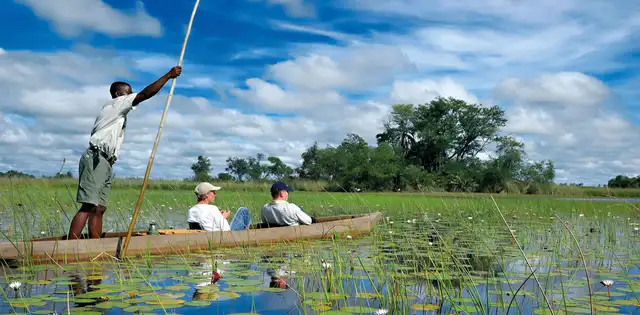
Safari trips in Botswana are famous for diverse wildlife, from elephants and big cats to African painted dogs. The Okavango Delta offers rich sightings, while Chobe hosts two-thirds of Africa’s elephant population. The Makgadikgadi Pans provide unique species like aardvark, brown hyena, and meerkats. Safari trips in Botswana also include special experiences like mokoro rides, which allow close views of animals from the water. First-time visitors who know what to expect will appreciate the variety and understand the value of each region. Safari trips in Botswana are more rewarding when travelers focus on both common and rare species.
10. Allow Enough Time to Explore
Safari trips in Botswana require time to fully appreciate the country’s vast landscapes. A 7–10 day safari is recommended, covering the Okavango Delta, Chobe National Park, and possibly the Kalahari. Shorter trips may miss key experiences, while longer stays allow deeper exploration. Safari trips in Botswana benefit from balanced itineraries that combine different regions for variety. First-time travelers should avoid rushing, as wildlife viewing and cultural visits take time. By allowing enough days, safari trips in Botswana deliver better value and richer experiences, ensuring visitors leave with a complete understanding of the country’s natural and cultural highlights.
How to reach there for Safari trips in Botswana by Travellers
Travelers can reach safari trips in Botswana by first flying into Sir Seretse Khama International Airport in Gaborone or, more commonly, Maun Airport, which serves as the main gateway to the Okavango Delta and northern reserves. From these airports, small charter flights connect visitors to remote camps, while road transfers are available for those heading to Chobe National Park or nearby lodges. Safari trips in Botswana often include these transfers in the package, making logistics easier for first-time visitors. For budget-conscious travelers, scheduled flights to Maun or Kasane combined with road transfers are the most practical option. Safari trips in Botswana are designed to balance convenience and cost, ensuring travelers can access wildlife-rich areas without unnecessary complications.
Health safety and cultural tips for safari trips in Botswana
Health, safety, and cultural awareness are essential for first-time safari trips in Botswana. Malaria is present in northern regions like the Okavango Delta and Chobe, so travelers should consult doctors about prophylaxis and carry insect repellent. Vaccinations such as Yellow Fever, Typhoid, and Hepatitis A are recommended, and staying hydrated during game drives is important. Safari trips in Botswana are generally safe thanks to the country’s stability, but following guide instructions around wildlife ensures personal safety. On the cultural side, proper greetings show respect, modest dress is expected in villages, and asking permission before taking photos avoids offense. Safari trips in Botswana become more meaningful when visitors balance health precautions with cultural sensitivity, ensuring both comfort and respectful engagement throughout their experience
Where to stay during safari trips in Botswana
Where to stay during safari trips in Botswana depends on your budget and the type of experience you want. Budget-conscious travelers often choose community-run campsites in Khwai or lodges just outside Chobe National Park, which provide affordable access to wildlife. Mid-range options include tented camps in Moremi or lodges in Maun, offering comfort with guided game drives included. Luxury travelers can stay in private concessions within the Okavango Delta, where exclusive lodges provide walking safaris, night drives, and personalized service. Safari trips in Botswana are designed to balance cost and experience, so first-time visitors should select accommodations that match their priorities—whether it’s affordability, convenience, or exclusivity. By choosing wisely, safari trips in Botswana deliver both comfort and strong wildlife viewing opportunities without unnecessary expenses.
Booking safari trips in Botswana with Lamz Tours and Travel
Booking safari trips in Botswana with Lamz Tours and Travel is simple and designed to give travelers clear value without hidden costs. As a trusted operator, Lamz Tours and Travel provides transparent pricing that covers accommodation, meals, park fees, and guided game drives, making it easy for first-time visitors to plan. Communication is straightforward through email or WhatsApp, and travelers can choose between budget-friendly camping, mid-range lodges, or private tours depending on their preferences. Safari trips in Botswana booked with Lamz Tours and Travel also include expert advice on the best regions and seasons, helping guests save money while maximizing wildlife experiences. By booking directly, travelers not only secure affordable safari trips in Botswana but also support local communities and conservation efforts, ensuring their adventure is both meaningful and cost-effective.
Ready to plan your safari?
Talk to a Lamz Tours specialist and get a tailor-made quote.
Make an enquiry