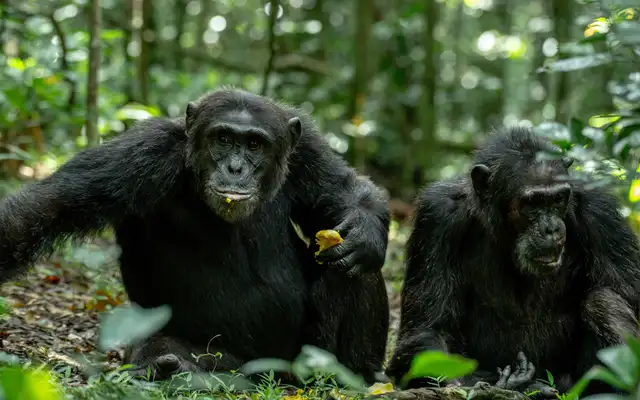
Plan Uganda safari trips to Kibale National Park with top chimpanzee trekking tips, permits, gear, and safety advice for a smooth forest experience.
Uganda safari trips to Kibale National Park give you a great chance to see chimpanzees in their natural forest habitat. The Park has a high number of primates and well-guided trekking experiences. With the right preparation, including proper gear and timing, visitors can enjoy a smooth and active trek while learning about chimpanzee behavior and forest life on Uganda safari trips
Our Best Safaris on a Uganda Safari Trips
1 Day To Jinja, Sezibwa falls and Mabira forest Hike
2 Days Jinja Tour and White Water Rafting
3 Days Fly Murchison National Park Safari
4 Days Golden monkeys And Gorilla Trekking Safari
5 Days Safari To Kidepo Valley National Park
6 Days Kidepo Valley and Murchison Falls Wildlife Safari
7 Days Queen Elizabeth Gorillas Trekking In Bwindi and Lake Mburo Safari
8 Days Murchison Chimpanzees Queen Elizabeth and Gorilla Safari
9 Days Best of the Uganda Safari with Gorillas
10 Days Uganda Safari Gorilla, Wildlife and Chimpanzees
11 Days Gorillas and Chimpanzees Wildlife Safari, Uganda
12 Days Best of Uganda Wildlife Encounter and Cultural Safari
14 Days Uganda Birding Safari Experience
15 Days Gorilla Safari and wildlife in Uganda
23 Days Uganda Birding Safari the Best of Albertine Endemics
Why Book Early for Chimpanzee Trekking on Uganda Safari Trips in Kibale National Park
Uganda safari trips require early planning, especially when it comes to chimpanzee trekking in Kibale National Park where permits are limited each day. These permits are issued by the Uganda Wildlife Authority and are in high demand throughout the year. Booking in advance gives you a better chance of securing your preferred trekking date and time, whether morning or afternoon. It also allows you to plan other parts of your itinerary like accommodation and transport without last-minute pressure. Many travelers underestimate how quickly permits sell out, particularly during peak travel seasons, which can disrupt plans if not handled early. Working with a trusted operator helps simplify the process and ensures everything is confirmed on time. Proper planning also gives you time to prepare physically and mentally for the trek. In the end, early booking sets the tone for a smooth and well-organized adventure in Kibale, making it an essential step for anyone planning Uganda safari trips.
When Is the Best Time for Uganda Safari Trips in Kibale National Park?
Uganda safari trips to Kibale National Park are best planned around the dry seasons, which run from December to February and June to September. During these months, forest trails are easier to walk through since they are less muddy and slippery. This makes trekking more comfortable and increases your chances of keeping up with the chimpanzees as they move. However, Kibale is a tropical rainforest, so rain can occur at any time, even in dry months. The wet seasons, from March to May and October to November, bring heavier rains but also fewer crowds and a greener forest. Some travelers prefer this quieter experience despite the tougher conditions. Morning treks are often more rewarding because chimpanzees are more active and easier to locate. Choosing the right time depends on your travel style, whether you prefer comfort or fewer tourists. Timing your visit well can greatly improve your overall trekking experience on Uganda safari trips.
How Fit Should You Be for Uganda Safari Trips Chimpanzee Trekking?
Uganda safari trips that include chimpanzee trekking require a moderate level of physical fitness due to the nature of the forest terrain. Kibale National Park has thick vegetation, uneven ground, and sometimes steep sections that can be challenging to navigate. Unlike gorilla trekking, chimpanzee tracking can involve faster movement because chimps are very active and tend to move quickly through the trees. Treks can last between two to five hours depending on where the chimpanzees are located on that day. Preparing your body before the trip by doing regular walks, hikes, or light exercise can make a big difference. Being physically ready helps you enjoy the experience without feeling exhausted or overwhelmed. It also allows you to stay engaged when the guide is tracking and following the chimps. Fitness is not about being an athlete but about being comfortable enough to handle the forest conditions. Good preparation makes chimpanzee trekking more enjoyable during Uganda safari trips.
What Should You Wear on Uganda Safari Trips in Kibale Forest?
Uganda safari trips in Kibale National Park require practical and comfortable clothing suitable for a tropical rainforest environment. Long-sleeved shirts and long trousers are recommended to protect your skin from insect bites, thorny plants, and stinging nettles. Neutral colors such as green, brown, or khaki are ideal because they help you blend into the environment without attracting too much attention from wildlife. Bright colors should be avoided as they may disturb animals or attract insects. A lightweight waterproof jacket is essential because rain can start unexpectedly at any time. Strong hiking boots with good grip are important for walking on muddy and uneven trails. Some travelers also prefer wearing gaiters to keep mud and insects out of their boots. Dressing appropriately ensures that you remain comfortable throughout the trek and reduces the risk of discomfort or minor injuries. The right clothing choice plays a big role in making your experience smoother on Uganda safari trips.
What to Pack for Uganda Safari Trips Chimpanzee Trekking
Uganda safari trips become more enjoyable when you carry the right gear for chimpanzee trekking in Kibale National Park. A small backpack is ideal for keeping your essentials organized and easy to carry. Important items include bottled water to stay hydrated, snacks for energy, insect repellent, sunscreen, and a hat for protection. A rain jacket is necessary because of the unpredictable weather in the forest. Binoculars can help you spot chimpanzees high in the trees, while a camera allows you to capture special moments, though flash should always be turned off. Gardening gloves can be useful when holding onto branches or pushing through vegetation. Packing light but smart ensures you are comfortable without carrying unnecessary weight. Since there are no shops inside the forest, everything you need should be prepared in advance. Being well-prepared allows you to focus fully on the trekking experience during Uganda safari trips.
Why Follow Guides on Uganda Safari Trips in Kibale National Park?
Uganda safari trips in Kibale National Park are guided by experienced rangers from the Uganda Wildlife Authority who understand chimpanzee behavior and forest navigation. Listening to their instructions is essential for both your safety and the success of the trek. Guides know how to track chimpanzees and will lead you through the safest and most efficient routes. They also provide important rules such as maintaining distance, keeping quiet, and avoiding sudden movements. Ignoring these instructions can disturb the chimpanzees or even create risky situations. In addition to safety, guides share valuable insights about the forest ecosystem, making the experience more informative. Their knowledge adds depth to your understanding of wildlife and conservation. Respecting their guidance ensures a smooth and rewarding trekking experience. Following expert direction is one of the key factors that make chimpanzee trekking successful on Uganda safari trips.
How Close Can You Get to Chimps on Uganda Safari Trips?
Uganda safari trips involve strict rules when it comes to interacting with chimpanzees in their natural habitat. Visitors are required to maintain a safe distance of about eight meters from the animals. This rule helps prevent the spread of diseases between humans and chimpanzees, as they share a large percentage of DNA. Even if chimpanzees move closer to you, it is important to remain calm and avoid touching them. Feeding them is also strictly prohibited. Keeping a safe distance ensures that their natural behavior is not disrupted. It allows you to observe them as they truly are in the wild, which makes the experience more genuine. Guides closely monitor this rule to ensure it is followed at all times. Respecting wildlife boundaries is essential for conservation and long-term sustainability. Maintaining proper distance helps protect both visitors and animals during Uganda safari trips.
Why Silence Matters on Uganda Safari Trips in Kibale Forest
Uganda safari trips in Kibale National Park require patience and quietness, especially during chimpanzee trekking. The forest is often filled with sounds, and chimpanzees are usually heard before they are seen. Staying silent helps you listen for their calls and movements in the trees. Loud noise can scare them away and make tracking more difficult. Once the chimpanzees are located, visitors are given about one hour to observe them. This is the time to watch their behavior such as feeding, grooming, and interacting with each other. Being patient increases your chances of witnessing unique moments. The experience is not rushed, and every trek offers something different. Keeping calm and quiet allows you to fully enjoy the natural environment and connect with the wildlife. Silence plays a key role in making chimpanzee trekking successful and rewarding during Uganda safari trips
What Health Rules Apply on Uganda Safari Trips Chimpanzee Trekking?
Uganda safari trips emphasize strict health and safety measures to protect both visitors and chimpanzees. If you are feeling unwell, especially with flu-like symptoms, you may not be allowed to participate in the trek. This is because chimpanzees are highly susceptible to human diseases. Visitors are advised to cover their mouths when coughing or sneezing and follow hygiene guidelines provided by the guides. In some cases, wearing a mask may be required. Staying hydrated and taking breaks when needed is also important during the trek. Basic awareness of first aid can be helpful in case of minor issues. These health rules are part of responsible tourism practices that aim to protect wildlife and ensure visitor safety. Following these guidelines helps maintain a safe environment for everyone involved. Respecting health protocols is essential for a successful trekking experience on Uganda safari trips.
Why Book with Experts for Uganda Safari Trips in Kibale?
Uganda safari trips are much easier and more enjoyable when organized by a reliable and experienced tour operator. A professional company will handle permits, transport, accommodation, and guiding services, ensuring everything runs smoothly. If you are planning with Lamz Tours and Travel, it is highly recommended to work with Godwin Kasekende, known for his deep local knowledge and ability to adapt to different travel situations. Having someone experienced on your side helps you avoid common mistakes and ensures you are well prepared for the trek. It also gives you peace of mind knowing that all logistics are taken care of. A well-organized trip allows you to focus on enjoying the forest and observing chimpanzees without stress. Choosing the right operator can greatly improve your overall experience in Kibale National Park. Expert planning makes a big difference in the quality of Uganda safari trips.
Best Time to Visit Kibale National Park on Uganda Safari Trips
Uganda safari trips to Kibale National Park are best planned during the dry seasons from December to February and June to September when forest trails are easier to navigate. During this time, trekking conditions are more comfortable because the ground is less slippery and visibility is better. However, the park is open all year, and chimpanzees can be tracked in any season. The wet months bring thicker vegetation and fewer tourists, which some travelers prefer despite the muddy trails. Morning treks are usually more productive because chimpanzees are more active early in the day. Choosing the right time depends on whether you prefer easier hiking conditions or a quieter experience in the forest. Planning your visit carefully helps improve your chances of enjoying a smooth and rewarding trekking experience on Uganda safari trips
How to Get There for Uganda Safari Trips to Kibale National Park
Uganda safari trips to Kibale National Park typically start from Kampala or Entebbe. The park is about 5 to 6 hours by road, passing through towns like Fort Portal which serves as the main gateway. Travelers can use private 4x4 safari vehicles, which are the most reliable option, especially during rainy seasons. There are also domestic flights from Entebbe to nearby airstrips such as Kasese, followed by a short drive to the park. The road journey offers scenic views of tea plantations and rural landscapes, making it part of the overall experience. Choosing the right transport option depends on your budget and time. Proper planning ensures a comfortable and smooth journey to Kibale National Park on Uganda safari trips
Things to Do in Kibale National Park on Uganda Safari Trips
Uganda safari trips in Kibale National Park offer more than just chimpanzee trekking. Visitors can enjoy guided forest walks to spot other primates such as monkeys and baboons. Bird watching is also popular, with the park hosting a wide variety of forest bird species. A visit to nearby crater lakes or Bigodi Wetland Sanctuary provides a different landscape and cultural experiences. Community tours allow travelers to interact with local people and learn about their way of life. Night walks are another option for those interested in nocturnal wildlife. These activities make Kibale a well-rounded destination beyond chimpanzee tracking. Exploring different experiences adds value to your itinerary and makes your stay more engaging on Uganda safari trips
What to Carry for Uganda Safari Trips in Kibale Forest
Uganda safari trips to Kibale National Park require careful packing to ensure comfort during trekking. Essential items include sturdy hiking boots for walking on uneven terrain and a rain jacket for sudden showers. Long-sleeved shirts and trousers help protect against insect bites and scratches from vegetation. Insect repellent, sunscreen, and a hat are important for personal protection. Carry enough drinking water and light snacks to keep your energy levels up during the trek. A camera and binoculars are useful for capturing and observing wildlife, especially chimpanzees high in the trees. Packing light but smart ensures you are well prepared without carrying unnecessary weight. Having the right gear improves your overall experience in the forest during Uganda safari trips
Where to Stay on Uganda Safari Trips in Kibale National Park
Uganda safari trips in Kibale National Park offer a range of accommodation options to suit different budgets. Visitors can choose from luxury lodges, mid-range facilities, and budget camps located near or within the forest. Many lodges are found around Fort Portal and the Kanyanchu area, which is close to the trekking starting point. These accommodations provide comfortable rooms, good meals, and easy access to the park. Some lodges also offer guided nature walks and cultural experiences. Staying close to the park helps you reach the briefing point on time for early morning treks. Choosing the right place to stay depends on your comfort level and travel budget. A well-selected lodge adds convenience and relaxation to your safari experience on Uganda safari trips
Health and Safety Tips for Uganda Safari Trips in Kibale
Uganda safari trips n Kibale National Park require attention to health and safety guidelines to protect both visitors and wildlife. If you are sick, especially with flu symptoms, you may not be allowed to trek because chimpanzees are vulnerable to human diseases. Always follow instructions from guides provided by the Uganda Wildlife Authority. Keep a safe distance from chimpanzees and avoid feeding or touching them. Staying hydrated and taking breaks when needed is important during the trek. Wearing proper clothing also reduces the risk of insect bites and injuries. Basic hygiene practices such as covering your mouth when coughing are encouraged. Following these rules ensures a safe and responsible experience for everyone involved on Uganda safari trip
What Are Uganda Safari Trips Prices on Uganda Safari Trips?
Uganda safari trips prices vary depending on several factors that shape the overall travel experience. The level of accommodation plays a major role, with luxury lodges costing more than mid-range and budget options. Transport is another key factor, whether you choose a private 4x4 safari vehicle or domestic flights to remote destinations like Kidepo Valley National Park. Park entry fees and activities such as gorilla trekking in Bwindi Impenetrable National Park also significantly affect the total price. A gorilla permit alone is one of the most expensive components of a safari. The number of days you spend on the trip and the group size can also influence the final cost. Traveling in a group often reduces expenses per person. Understanding these factors helps you plan according to your budget and expectations. Proper planning ensures you get value for money while enjoying a well-organized experience on Uganda safari trips.
What Makes the Best Uganda Safari Trips on Uganda Safari Trips?
Uganda safari trips are considered the best when they combine diverse wildlife experiences, good planning, and reliable guiding services. A well-balanced itinerary often includes gorilla trekking in Bwindi Impenetrable National Park, chimpanzee tracking in Kibale National Park, and game drives in savannah parks like Murchison Falls National Park. The quality of accommodation and transport also contributes to a better experience. Skilled guides play a major role by sharing local knowledge and ensuring smooth coordination throughout the trip. Timing is another important factor, as visiting during the dry season can improve accessibility and wildlife viewing. The best safaris are not just about destinations but also about how well everything is organized. Comfort, safety, and flexibility all matter when choosing a safari package. A well-planned itinerary creates a memorable and enjoyable journey across different landscapes on Uganda safari trips.
How Much Does Uganda Safari Trips Cost on Uganda Safari Trips?
Uganda safari trips cost depends on your travel style, duration, and the experiences included in your itinerary. Budget safaris may range from affordable options with basic accommodation and shared transport, while mid-range and luxury safaris offer higher comfort levels and private services. Activities such as gorilla trekking in Bwindi Impenetrable National Park and chimpanzee trekking in Kibale National Park are key cost drivers due to permit fees. Transport costs also vary depending on whether you travel by road or choose domestic flights for convenience. The number of days on safari and the season of travel can influence pricing, with peak seasons sometimes being more expensive. Group travel can reduce costs, while private trips tend to be higher priced but more flexible. Understanding these cost elements helps you plan better and avoid unexpected expenses. With proper budgeting, you can enjoy a rewarding wildlife experience tailored to your needs on Uganda safari trips.
Ready to plan your safari?
Talk to a Lamz Tours specialist and get a tailor-made quote.
Make an enquiry