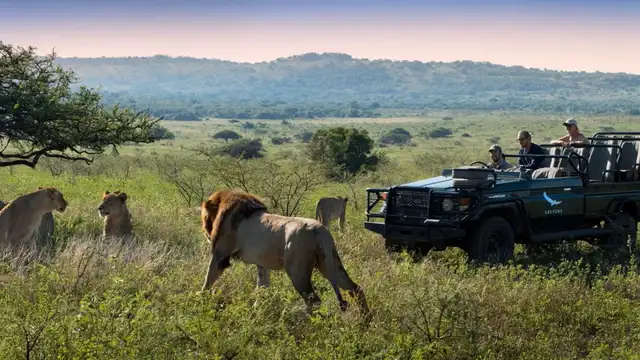
Remote Tanzania safari parks like Nyerere, Ruaha, Mikumi, Udzungwa & Kitulo offer top wildlife, birding, boat safaris, and seasonal travel highlights year-round.
Southern Tanzania safari parks offer one of Africa’s most authentic and uncrowded wildlife experiences. Unlike the busier northern circuit, this region is defined by vast landscapes, intimate camps, and rich biodiversity. Parks like Nyerere (formerly Selous) and Ruaha are renowned for their predator populations, dramatic scenery, and unique activities such as boat safaris and walking safaris. Mikumi, with its open plains and easy access from Dar es Salaam, is perfect for shorter trips, while Udzungwa Mountains and Kitulo Plateau add rainforest hikes, waterfalls, and wildflower meadows to the mix. Together, these parks form a diverse and rewarding circuit for travelers seeking raw wilderness and meaningful encounters.
The best time to visit Southern Tanzania safari parks depends on your priorities. June to October is ideal for wildlife viewing, with dry conditions concentrating animals around rivers and waterholes. November to December offers fewer crowds and lush landscapes, while January to May brings excellent birding and budget-friendly travel during the green season. Access is typically via fly-in safaris from Dar es Salaam, with domestic flights connecting to remote airstrips. Whether you're tracking wild dogs in Ruaha or fly-camping under the stars in Nyerere, Southern Tanzania delivers a safari experience that’s immersive, flexible, and deeply connected to nature
Top packages to Tanzania Safari Parks
2-days-fly-in-serengeti-safari-in-tanzania
2-days-tarangire-national-park-and-ngorongoro-crater-safari
3-days-tanzania-safari-in-serengeti-national-park
3-days-tanzania-wildlife-safari
4-days-epic-tanzania-wildlife-and-culture-safari
5-day-kenya-and-tanzania-safari
5-days-circuit-wildlife-safari-in-tanzania
6-days-ndutu-migration-safari-calving-season
8-day-serengeti-ngorongoro-crater-and-zanzibar
8-days-wildlife-and-beach-holiday-tanzania
8-days-wildlife-safari-tanzania
9-days-zanzibar-and-wildlife-safari
10-days-uganda-and-tanzania-safari-gorillas-chimpanzees-and-wildlife
Top Southern Tanzania Safari Parks to visit
Southern Tanzania safari parks offers a raw, crowd-free safari experience across its top parks: Nyerere, Ruaha, Mikumi, Udzungwa Mountains, and Kitulo. Nyerere (formerly Selous) is Africa’s largest protected area, famed for boat safaris on the Rufiji River, lion prides, and rare wild dogs. Ruaha is a predator stronghold with dramatic baobab-studded landscapes and over 570 bird species. Mikumi, often compared to the Serengeti, is ideal for shorter trips with easy access from Dar es Salaam. Udzungwa Mountains provide rainforest hikes, waterfalls, and endemic primates, while Kitulo bursts with wildflowers and alpine beauty, earning its nickname “Serengeti of Flowers.” These parks combine remote wilderness, biodiversity, and unique activities like walking safaris and cultural encounters, making Southern Tanzania a top choice for travelers seeking authentic, off-the-beaten-path adventures
Best Time to Visit Southern Tanzania Safari Parks
Dry Season from June to October Best for Wildlife Viewing
The dry season is the top choice for visiting southern Tanzania safari parks. With little rain and low humidity, animals gather around permanent water sources like the Rufiji River in Nyerere and the Great Ruaha River in Ruaha. Vegetation thins out, making it easier to spot wildlife, and predator sightings increase due to better hunting conditions. Roads are in good shape, and malaria risk is lower. This is the busiest time in Tanzania safari parks, so prices are higher and early booking is essential. July to October is the peak within the peak, offering the most consistent wildlife viewing across southern Tanzania safari parks.
Shoulder Season from November to December Mixed Bag
November and December bring short rains and a shift in conditions across southern Tanzania safari parks. Wildlife is still visible, especially early in November when water remains limited. The landscape begins to green, offering better photo opportunities. Migratory birds arrive, adding interest for birders. While northern parks are crowded, southern Tanzania safari parks stay quiet, making this a good time for travelers who prefer fewer people. Weather can be unpredictable, with sudden showers during game drives. Still, the mix of good sightings and lower visitor numbers makes this a practical window to explore Tanzania safari parks before the long rains begin.
Wet or Green Season from January to May Best for Birds, Beauty, and Value
The wet season in southern Tanzania safari parks is split into two parts. January and February often have a dry break, offering good wildlife viewing, green landscapes, and lower prices. March to May brings heavier rains, making animals harder to find as they spread out across the parks. Roads may become muddy, and some lodges close temporarily. However, this is the best time for birding, with migratory species and breeding plumage on display. Tanzania safari parks are quiet, and discounts are common. Travelers who prioritize solitude, birdlife, and budget savings will find this season useful, especially in less-visited southern Tanzania safari parks
How to get there to top Southern Tanzania Safari Parks
To reach top southern Tanzania safari parks like Nyerere (Selous) and Ruaha, most travelers fly into Julius Nyerere International Airport (DAR) in Dar es Salaam. From there, regular domestic flights connect to nearby airstrips such as Mtemere for Nyerere and Msembe for Ruaha. These flights are short about 30 minutes to Nyerere and 90 minutes to Ruaha and save time compared to long road transfers. Once you land, lodges or tour operators typically arrange pickups directly to camp. This fly-in approach is the most efficient way to access southern Tanzania safari parks, especially given their remote locations and limited road infrastructure. It also allows more time to enjoy the best things to do in these Tanzania safari parks
Best 10 things to do in Southern Tanzania Safari Parks
Boat Safari on the Rufiji River in Nyerere National Park
In Tanzania safari parks, few experiences rival a boat safari on the Rufiji River in Nyerere. You’ll drift past pods of hippos, crocodiles basking on sandbanks, and herds of elephants and buffalo coming to drink. The river’s calm waters offer a unique vantage point for wildlife viewing and birdwatching, with fish eagles, kingfishers, and storks in abundance. Unlike vehicle safaris, this water-based journey immerses you in the rhythm of the bush, offering serenity and close-up encounters. It’s a signature activity in Southern Tanzania safari parks, combining adventure with tranquility.
Walking Safari in Nyerere National Park
Among Tanzania safari parks, Nyerere is legendary for pioneering walking safaris. Guided by expert trackers, you’ll explore the bush on foot reading animal tracks, tasting wild herbs, and learning the language of the land. It’s a sensory-rich experience where every rustle and scent tells a story. Approaching wildlife without a vehicle heightens the thrill and deepens your connection to nature. Walking safaris are a hallmark of Southern Tanzania, offering raw, immersive adventure that few other parks provide.
Track Rare African Wild Dogs Nyerere and Ruaha
Tanzania safari parks like Nyerere and Ruaha are strongholds for African wild dogs, one of the continent’s most endangered predators. These painted wolves are highly social and skilled hunters, often seen in packs during early morning or dusk. Tracking them offers a rare glimpse into their complex behavior coordinated movements, playful interactions, and intense hunts. Unlike many parks where sightings are scarce, Southern Tanzania offers some of the best chances to observe wild dogs in action, making it a top draw for serious wildlife enthusiasts.
Game Drives in Ruaha National Park
Ruaha, one of the most dramatic Tanzania safari parks, delivers exceptional game drives through baobab-studded landscapes and along the Great Ruaha River. It hosts East Africa’s largest elephant population and is a predator hotspot, with lions, leopards, and cheetahs thriving in its rugged terrain. Game drives here feel exploratory and uncrowded, offering intimate wildlife encounters and stunning scenery. The dry season concentrates animals around water sources, making sightings frequent and thrilling. Ruaha’s scale and solitude set it apart from more trafficked parks.
Fly-Camping Adventure in Nyerere National Park
Fly-camping in Nyerere strips safari down to its essence. After a day of walking through one of Tanzania’s wildest safari parks, you arrive at a remote site with just a bedroll, mosquito net, and campfire. No fences, no distractions just the sounds of the African night. Hyenas call, lions roar, and the bush breathes around you. Guides prepare simple meals and share stories under the stars. It’s a raw, unforgettable experience that reconnects you with nature and reminds you why Southern Tanzania is a frontier for true wilderness travel.
Birdwatching Extravaganza
Tanzania safari parks in the south are a birder’s dream. Nyerere’s wetlands and Ruaha’s varied habitats host hundreds of species from pelicans and storks to dry-country specials like the crested barbet and racket-tailed roller. The Rufiji River teems with waterbirds, while Ruaha’s rocky outcrops and woodlands support over 570 species. Whether you’re a seasoned birder or a curious traveler, the diversity here is staggering. Bring binoculars and a good guide every drive or walk reveals new feathered wonders.
Visit the Hot Springs in Katavi National Park
Katavi, one of the most remote Tanzania safari parks, hides a gem: the Maji Moto hot springs. These thermal pools bubble from the earth, creating a lush oasis that attracts wildlife and offers a surreal contrast to the surrounding wilderness. Few travelers reach Katavi, so the springs feel untouched and exclusive. It’s a place to relax, reflect, and watch animals come and go in peace. For photographers and solitude seekers, Maji Moto is a dream an unexpected pocket of tranquility in the wild.
Witness Hippo Spectacles in Katavi
During the dry season, Katavi’s floodplains shrink, forcing hundreds of hippos into muddy pools. The result? A dramatic spectacle of grunts, splashes, and territorial battles. Tanzania safari parks rarely offer such raw, concentrated wildlife behavior. Crocodiles lurk nearby, birds circle overhead, and the air vibrates with tension. It’s one of Africa’s most intense natural scenes, rarely witnessed due to Katavi’s remoteness. For those who venture here, it’s a visceral reminder of nature’s power and drama.
Game Viewing in Mikumi National Park
Mikumi is one of the most accessible Tanzania safari parks, just a few hours from Dar es Salaam. Its Mkata Floodplain resembles the Serengeti, with open grasslands that attract lions, elephants, giraffes, and zebras. The park is ideal for short safaris or as a stopover en route to the southern circuit. Despite its convenience, Mikumi offers authentic bush experiences and stunning landscapes. It’s perfect for families, first-time safari-goers, or anyone seeking quality game viewing without long travel times.
Night Game Drives
Night drives in Tanzania safari parks like Nyerere and Ruaha reveal a hidden world. With a spotlight and expert guide, you’ll search for nocturnal creatures bushbabies, genets, civets, and porcupines. Predators like leopards and lions often hunt after dark, offering thrilling encounters. The bush feels mysterious and alive, with glowing eyes and rustling sounds all around. Night drives require special permits and are offered by select lodges, but they’re worth it. Seeing the African wilderness under moonlight is a magical, unforgettable experience
Best tips for visiting southern Tanzania safari parks
When visiting southern Tanzania safari parks like Nyerere, Ruaha, Mikumi, and Katavi, plan your trip during the dry season (June to October) when wildlife is easier to spot around water sources and roads are more accessible. Book flights and lodges early, especially for remote areas with limited accommodation. Choose fly-in safaris to save time and reach secluded parks efficiently. Pack neutral-colored clothing, sturdy shoes, insect repellent, and binoculars for optimal wildlife viewing. Embrace varied activities boat safaris, walking safaris, and night drives offer unique perspectives. Travel with experienced guides who know the terrain and wildlife behavior. Respect local customs and park rules, and prioritize lodges that support conservation and communities. Southern Tanzania rewards those who seek raw wilderness and thoughtful planning
Top places to stay when visiting southern Tanzania safari parks
Southern Tanzania safari parks offer a range of standout accommodations that blend wilderness access with comfort and authenticity. In Nyerere National Park, Siwandu Camp and Beho Beho are top choices, offering riverfront views, boat safaris, and elegant tented suites. For Ruaha, Jongomero Camp delivers exclusivity deep in the bush, while Usangu Expedition Camp caters to adventurous travelers near the Usangu wetlands. Mikumi features more accessible lodges like Stanley’s Kopje, perched on a hill with panoramic views of the Mkata Floodplain. In remote Katavi, Chada Katavi Camp offers classic safari charm and unmatched solitude. These camps prioritize wildlife immersion, expert guiding, and sustainable practices, making them ideal bases for exploring Tanzania’s southern circuit
Why book Southern Tanzania safari parks with Lamz Tours and Travel
Booking Southern Tanzania safari parks with Lamz Tours and Travel means choosing a team that understands the region’s raw beauty, logistical challenges, and authentic travel experiences. Our itineraries go beyond sightseeing combining fly-in access to remote parks like Nyerere, Ruaha, and Katavi with immersive activities such as walking safaris, boat excursions, and cultural visits. Lamz Tours and Travel emphasizes personalized service, using intimate camps and expert local guides to deliver flexible, value-driven adventures. Whether you're tracking wild dogs in Ruaha or fly-camping under the stars in Nyerere, they tailor each journey to match your travel style and conservation values. With deep regional knowledge and a commitment to ethical tourism, Lamz Tours and Travel ensures your Southern Tanzania safari is seamless, unforgettable, and rooted in the real Africa
Ready to plan your safari?
Talk to a Lamz Tours specialist and get a tailor-made quote.
Make an enquiry