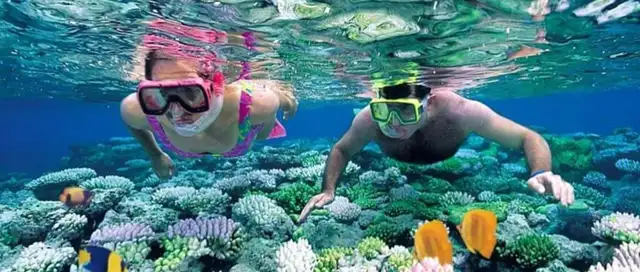
Experience the optimal seasonal timing for Mombasa beaches and Zanzibar beaches, from the long dry season at Mombasa Marine National Park from June to October to the idyllic conditions at Wasini Island and Kisite-Mpunguti Marine Park from December to February, offering unparalleled opportunities for snorkeling, diving, dolphin encounters, and the Indian Ocean's most spectacular coastal getaways.
Kenya and Tanzania are among East Africa's most celebrated coastal destinations, offering endless stretches of pristine white sand, turquoise waters, and year-round tropical warmth. A Kenya safari at the coast takes travelers through underwater landscapes where sea turtles glide through coral gardens, dolphins play in the warm currents, and whale sharks migrate past the shores. For discerning travelers seeking the ultimate in aquatic adventures, understanding the best time to visit Kenya's beaches and Zanzibar's island retreats is crucial for an unforgettable blend of world-class snorkeling, diving, and marine life encounters. When planning your safari in Africa Kenya, it is essential to consider the unique seasonal patterns of coastal travel in this extraordinary region. Whether you are embarking on a Kenya safari tours itinerary or a longer Kenya safari packages adventure, timing your beach stay represents the pinnacle of coastal discovery.
Popular Kenya Safari Packages
Best Time to Visit Mombasa Beaches Vs Zanzibar Beaches on Kenya Safaris
1. Mombasa Beaches – Kenya's Premier Coastal Climate on Kenya Safari Tours
On Kenya safari tours, Mombasa beaches enjoy a tropical climate with warm temperatures year-round and two distinct dry seasons that offer the best conditions for beach activities. A Kenya safari here provides access to the vibrant coastal culture of Mombasa Island, where the weather remains consistently warm throughout the year. For those on Kenya safari packages, the Mombasa beach experience is renowned for its hot and humid climate, with average temperatures ranging from 71°F to 89°F year-round. The Mombasa vs Zanzibar weather comparison often shows that both destinations share similar temperature profiles, but their seasonal rainfall patterns and crowd levels differ significantly. The best time for a Diani Beach vs Mombasa visit depends on your preference for peak season activity or off-season tranquility.
2. Long Dry Season – Best Time for Mombasa Beaches (June to October)
On Kenya safari tours, the long dry season from June to October is widely considered the best time to visit Mombasa beaches for hot-weather activities. A Kenya safari during these months offers pleasant, sunny weather with minimal rainfall, cooler temperatures ranging from 23°C to 28°C, and lower humidity. For those on Kenya safari packages, the clear skies and calm seas are perfect for swimming, snorkeling, diving, and sunbathing along the shores of a Mombasa beach resort like Serena Beach Resort & Spa or Sarova Whitesands Beach Resort and Spa. The Diani Beach vs Mombasa weather during these months is largely similar, with both destinations enjoying excellent conditions, though Mombasa may see slightly more wind. This period coincides with the peak tourist season, meaning higher accommodation rates and larger crowds, particularly in July and August.
3. Short Dry Season – Another Excellent Window (December to February)
On Kenya safari tours, the short dry season from December to February offers another excellent window for visiting Mombasa beaches. A Kenya safari during this period features hot and dry weather, with average temperatures around 31°C to 32°C and low rainfall. For those on Kenya safari packages, the warm ocean waters are ideal for swimming and water sports at a hotel Mombasa Diani Beach or a Mombasa beach resort. December marks the start of the peak tourist season with higher prices and more visitors, while November and March offer a less crowded experience. This is also one of the best times for a combined safari and beach holiday in Kenya, as the dry conditions make wildlife viewing in the national parks excellent.
4. Rainy Seasons – When to Avoid Mombasa Beaches (March to May)
On Kenya safari tours, the long rainy season from March to May is the wettest time of year in Mombasa, with heavy downpours, high humidity, and rougher seas that limit outdoor activities. A Kenya safari during these months may see limited water sports due to rough seas and strong winds, and wildlife viewing can be challenging due to rain and dense vegetation. For those on Kenya safari packages, April and May experience the peak of the rains with average rainfall over 160mm and numerous rainy days. However, this off-season offers significantly lower accommodation rates and quieter beaches for budget travelers willing to endure the weather.
5. Zanzibar Beaches – The Legendary Spice Island's Seasonal Patterns
On Kenya safari tours, travelers who extend their journey to Zanzibar discover a tropical paradise with weather that can be neatly summed up as hot and wet or hot and sunny. A Kenya safari combined with a Zanzibar beach resort Tanzania experience offers the best of both worlds, but timing is crucial. Zanzibar experiences a similar seasonal pattern to Mombasa, with a long dry season, a short dry season, and two rainy seasons. The Zanzibar vs Kenya coast comparison often shows that Zanzibar receives slightly more rainfall annually, but its dry seasons offer spectacular conditions for beach activities.
6. Long Dry Season – Peak Season for Zanzibar Beaches (June to October)
On Kenya safari tours, the long dry season from June to October is the best time for a Zanzibar beach resort experience, offering the most conducive weather with sunny days, calm seas, and excellent visibility for diving and snorkeling. For those on Kenya safari packages, a Zanzibar beach resort like Zuri Zanzibar, Royal Zanzibar Beach Resort, or Tulia Zanzibar Beach Resort provides perfect conditions for beach relaxation, swimming, and water sports. The southern trade winds (Kusi) peak during this period, making the eastern facing beaches like Paje ideal for kite surfing, while the northern Nungwi beaches remain calm and exclusive for sunbathing. July and August are the most crowded months with higher prices, while June and September offer a less crowded experience.
7. Short Dry Season – Warm Shoulder Season (December to February)
On Kenya safari tours, the short dry season from December to February offers another excellent window for visiting Zanzibar beaches. A Kenya safari during this period features hot, sunny days with temperatures reaching 32°C to 33°C and mostly dry conditions. For those on Kenya safari packages, a Hotel Royal Zanzibar Beach Resort stay during these months offers the clearest ocean visibility of the year, making it the best time for snorkeling, diving, and long swims. The north-easterly Kaskaz winds blow during this period, making the northern beaches ideal for water sports. January and February are popular for combined safari and beach holidays, as the dry conditions in Tanzania's national parks make wildlife viewing excellent.
8. Rainy Seasons – When to Avoid Zanzibar Beaches (March to May and November)
On Kenya safari tours, the long rains from March to early May bring the worst weather to Zanzibar, with daily torrential downpours, high humidity, and silty seas that limit activities. A Kenya safari during these months may find many seasonal hotels closed from April to June, and beaches are largely empty. For those on Kenya safari packages, April is the wettest month with an average of 18.2 rainy days and 6.6 inches of rainfall, followed closely by May. However, March and October are considered excellent for diving and snorkeling, with warm seas and good visibility despite the rains. The short rains from November to December bring isolated showers that typically clear quickly and won't lead to a holiday washout.
9. Marine Wildlife Calendar – Best Months for Special Sightings
On Kenya safari tours, both Mombasa beaches and Zanzibar offer unique marine wildlife viewing opportunities at different times of the year. A Kenya safari that includes whale watching is best from June to December for humpback whales along the Kenyan coast, with July to September being peak months for Mafia Island in Tanzania. For those on Kenya safari packages, whale sharks can be spotted in Zanzibar waters from September to December. Yellowfin tuna fishing is best from August to October in Mombasa, while marlins are best caught from December to March. Dolphin encounters are possible year-round, but the best sightings often occur during the dry seasons when the waters are calmest.
Weather and Climate on Kenya Safari Tours at the Coast
On Kenya safari tours, the coastal region enjoys a tropical climate with warm temperatures year-round. The best time for beach activities is during the dry seasons from June to October and December to February, when the water is calm and visibility is excellent. Sea temperatures remain warm year-round, ranging from 24°C to 29°C. Both Mombasa and Zanzibar experience similar temperature ranges, with average highs around 29°C to 32°C and lows around 22°C to 25°C.
Best Time for Beach Experiences on Kenya Safari Tours
The best time to embark on Kenya safari tours for beach experiences is during the dry seasons. For those prioritizing a Mombasa beach stay, the best months are August and September for the ideal combination of low rainfall and comfortable temperatures. For a Zanzibar beach resort experience, June and July offer the best weather with minimal rainfall. The months of January to March are also excellent for both destinations, offering hot and mostly dry conditions with fewer crowds than the peak July-August period.
How to Get to the Coast for a Kenya Safari Tour
For a Kenya safari that includes a beach stay, the coast is accessible by road or air. Moi International Airport in Mombasa serves as the primary gateway to the coastal region, with daily flights from Nairobi and international connections. A Kenya safari tours adventure typically begins with your arrival in Nairobi, followed by a domestic flight to the coast. For Zanzibar, you would fly into Zanzibar International Airport, often via Dar es Salaam or directly from Nairobi.
What to Carry for a Beach Safari in Kenya or Zanzibar
On a Kenya safari that includes a beach stay, pack lightweight, breathable clothing for warm days, swimwear, high-SPF sunscreen, a hat, and sunglasses. Water shoes are useful for snorkeling, and a rash guard is recommended for sun protection. For Kenya safari tours that combine wildlife and beach experiences, binoculars and a good camera are essential for capturing both the savannah and the sea. If visiting during the rainy seasons, include a light rain jacket.
Where to Stay on a Beach Safari in Kenya
Accommodation on a Kenya safari at the coast ranges from luxury beachfront resorts and boutique hotels to private villas and eco-lodges. Popular areas include Diani, Mombasa Island, Watamu, and Lamu Island. For those on Kenya safari tours, staying in Diani offers proximity to the best beaches and water sports, while Mombasa Island offers a vibrant urban experience with large resort hotels. Lamu Island provides a unique cultural and historical experience, while Rusinga Island on Lake Victoria offers a different freshwater lake experience. For travelers seeking a Zanzibar beach resort experience, the north coast is best for social scenes and swimming, while the south-east coast offers seclusion and villa-style luxury.
Why Book with Lamz Tours and Travel for Kenya Safari Tours
Booking your Kenya safari with Lamz Tours and Travel ensures a seamless and unforgettable experience exploring the luxury beaches and marine parks of Kenya. Lamz Tours and Travel operates across multiple African countries, including Kenya, Tanzania, Uganda, Rwanda, Morocco, South Africa, Botswana, and Namibia. Our local guides know the best snorkeling spots, the most exclusive resorts, and the hidden marine treasures. We handle everything including airport transfers, accommodation, guided tours, and private transport. You focus on the stunning coastline and rich marine life. We handle everything else on your Kenya safari tours.
Ready to plan your safari?
Talk to a Lamz Tours specialist and get a tailor-made quote.
Make an enquiry