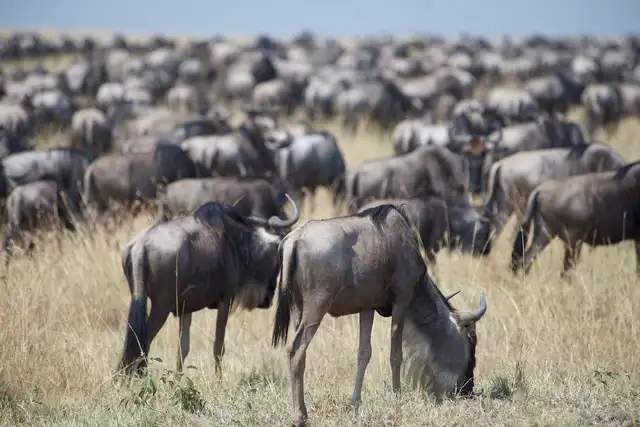
Have you ever wondered why it's called the “Miracle at the Mara”? The Masai Mara National Reserve in Kenya is one of the most iconic safari destinations in the world. Known for its stunning landscapes, abundant wildlife, and the spectacular Great Wildebeest Migration, it offers an unparalleled Kenya safari experience. However, choosing the best time to visit can significantly impact your experience. Our guide will help you understand the different seasons and what they offer, ensuring you make the most of your Kenya Safari to this incredible destination.
Popular Kenya Safari Packages
Understanding the Seasons: Month by Month Breakdown
Masai Mara experiences two main seasons: the dry season and the wet season. Each season has its unique advantages and challenges, influencing wildlife visibility, weather conditions, and overall safari experience.
Dry Season (June to October)
Advantages:
Wildlife Viewing: The dry season is considered the best time for wildlife viewing. As water sources dwindle, animals congregate around rivers and waterholes, making them easier to spot. The vegetation is also less dense, providing clearer views.
Great Migration: One of the most spectacular events in the animal kingdom, the Great Migration, occurs during this period. From July to October, over 1.5 million wildebeest, along with hundreds of thousands of zebras and gazelles, migrate from the Serengeti in Tanzania to the Masai Mara in search of greener pastures. Witnessing the dramatic river crossings, where animals brave crocodile-infested waters, is a once-in-a-lifetime experience.
Weather: The weather is generally sunny and dry, with daytime temperatures averaging around 25°C (77°F). This makes for comfortable game drives and outdoor activities.
Challenges:
Crowds: The dry season is also the peak tourist season. Popular areas can get crowded, and accommodation prices are higher. Booking well in advance is recommended.
Dust: The dry conditions can make the environment dusty, which might be a minor inconvenience for some visitors.
Wet Season (November to May)
Advantages:
Lush Scenery: The wet season transforms the Masai Mara into a lush, green paradise. The landscape is dotted with wildflowers, and the air is clear of dust, making for stunning photography.
Bird Watching: This season is ideal for bird enthusiasts. Migratory birds arrive in large numbers, adding to the already diverse avian population.
Fewer Crowds: With fewer tourists, you can enjoy a more intimate Kenya safari experience. Accommodation rates are also lower, making it a more budget-friendly option.
Newborn Animals: The wet season is the birthing period for many animals. Seeing newborns and their interactions with their mothers is a heartwarming experience.
Challenges:
Rain: The wet season is characterized by regular rain showers, especially in March, April, November, and December. While it rarely rains all day, the showers can make some roads muddy and difficult to navigate.
Wildlife Dispersal: With abundant water sources, animals are more dispersed, making wildlife spotting a bit more challenging compared to the dry season.
The Masai Mara Nairobi Distance
To reach the Masai Mara, you can either fly or drive from Nairobi. Flights from Wilson Airport in Nairobi take about an hour and land at various airstrips within the reserve. This is the quickest and most convenient option. Alternatively, we can drive, which takes around 5-6 hours depending on road conditions. The drive offers scenic views and a chance to see more of Kenya’s countryside. Both options provide a seamless transition into the heart of the Masai Mara, where your Kenya safari experience begins.
Planning Your Kenya Safari
When planning your Kenya safari, it’s essential to consider the type of experience you seek. Whether you’re interested in witnessing the Great Migration, enjoying birding tours, or simply experiencing the diverse wildlife, the timing of your visit can significantly impact your safari experience.
Kenya Budget Safaris with Lamz Tours and Travel
For those on a budget, the wet season offers lower rates and fewer crowds, making it an excellent time for Kenya budget safaris. The lush landscape and abundant wildlife ensure a memorable experience without breaking the bank.
Luxury Holiday to Kenya
If you’re looking for a more luxurious Kenya Safari experience, the dry season provides the best conditions for game viewing and the Great Migration. Luxury lodges and tented camps offer top-notch amenities and services, ensuring a comfortable and unforgettable Kenya wildlife safari.
Birding in Kenya: A Birder’s Paradise
Kenya is a haven for birdwatchers, with over 1,100 recorded species. The wet season is the best time for Kenya birding tours, as the arrival of migratory birds enhances the birdlife diversity. Lake Nakuru, Lake Naivasha, and the Kakamega Forest are some of the top birding destinations in Kenya. A Kenya wildlife safari during the wet season offers the chance to see a variety of bird species, from flamingos to raptors.
Our 3 Days Masai Mara Safari
A 3 day Masai Mara safari is a popular choice for travelers looking to experience the best of the reserve in a short time. This itinerary typically includes game drives, visits to Maasai villages, and opportunities to witness the Great Migration during the peak season. Whether you’re a solo traveler or part of a group, a 3 days Masai Mara safari offers a comprehensive and immersive wildlife experience.
Which Kenya Safari is Best?
Choosing the best Kenya safari depends on your interests and preferences. Whether you’re seeking the thrill of the Great Migration, the tranquility of birding tours, or the luxury of high-end lodges, Kenya offers a safari experience for everyone.
Combining Kenya and Uganda Safari
For those looking to explore beyond Kenya, a Kenya and Uganda safari provides a unique opportunity to experience the diverse wildlife and landscapes of both countries. Uganda is renowned for its gorilla trekking experiences in Bwindi Impenetrable Forest, adding a different dimension to your African safari adventure.
Kenya Tanzania Wildlife Safari
A Kenya Tanzania wildlife safari combines the best of both countries, offering the chance to witness the Great Migration in both the Serengeti and the Masai Mara. This cross-border safari provides a comprehensive wildlife experience, showcasing the rich biodiversity of East Africa.
Kenya Safari Solo Traveller
Kenya is a fantastic destination for solo travelers, offering a safe and welcoming environment. Many tour operators provide tailored packages for solo travelers, ensuring you have a memorable and personalized safari experience.
Safari Books for Kids Masai Mara
For families traveling with children, safari books for kids about the Masai Mara can be a great way to engage young minds and spark their interest in wildlife. These books often feature colorful illustrations and fun facts about the animals and their habitats.
Where to Sleep on Your Kenya Safari
On your Kenya safari, you’ll find a variety of accommodations that blend comfort with adventure. These lodges and camps offer luxurious amenities such as spacious tents or rooms with en-suite bathrooms, private verandas, and often, stunning views of the surrounding landscapes. Many provide gourmet dining experiences, with meals prepared by skilled chefs using fresh, local ingredients.
Comfort is paramount, with plush bedding, cozy lounges, and sometimes even swimming pools to relax in after a day of exploration. The proximity to wildlife is a highlight, allowing you to hear the sounds of the bush at night and spot animals from your accommodation. Safety is a top priority, with well-trained staff, secure environments, and guided walks or drives to ensure you can enjoy the wilderness without worry. Additionally, many lodges offer eco-friendly practices, ensuring a sustainable and responsible safari experience
Our Packing list for your Kenya Safari
For a Kenya safari, pack light, breathable clothing in neutral colors to blend with the environment. Include a wide-brimmed hat, sunglasses, and sunscreen for sun protection. Comfortable walking shoes are essential for bush walks. Bring a warm jacket for cool mornings and evenings. Don’t forget binoculars for wildlife viewing and a camera with extra batteries. Pack insect repellent and any necessary medications. A reusable water bottle and a small backpack for day trips are also useful. Lastly, consider a power bank for charging devices in remote areas.
Why Book Your Next Safari to Kenya with Lamz Tours and Travel?
Booking your next safari to Kenya with Lamz Tours and Travel ensures a seamless and unforgettable experience. With years of expertise in organizing Kenya wildlife safaris, we offer personalized itineraries tailored to your preferences and budget. Whether you’re seeking the thrill of the Great Migration, the tranquillity of birding tours, or the luxury of high-end lodges, Lamz Tours and Travel has you covered. Our knowledgeable guides, comfortable accommodations, and commitment to sustainable tourism make them the ideal choice for your Kenya safari adventure. Trust Lamz Tours and Travel to provide you with an exceptional and memorable journey through the heart of Africa.
Ready to plan your safari?
Talk to a Lamz Tours specialist and get a tailor-made quote.
Make an enquiry