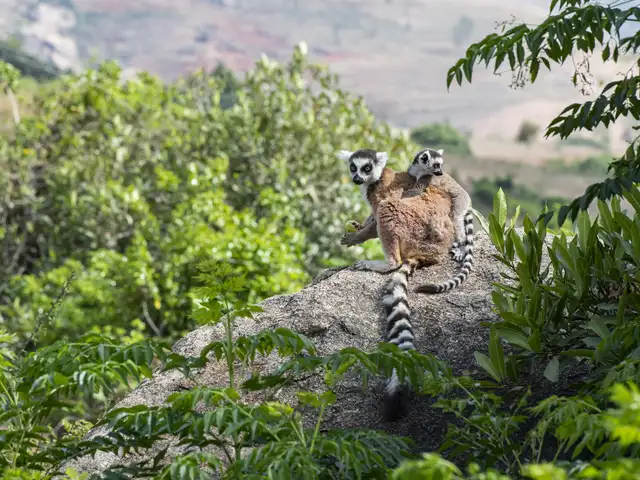
Madagascar, often called the "eighth continent", has been separated from mainland Africa for over 160 million years, and around 90 percent of its wildlife exists nowhere else on Earth. Planning a Madagascar safari tour around the right season makes a real difference to what you see and how comfortable the travel is. Here is how to time your trip.
In short: April to October is the dry season and the most popular window for wildlife viewing, while the wet season from November to March has its own rewards, especially for lemur births and birdwatching. The sections below break down exactly what each period offers.
Popular Madagascar Safari Packages
Best Time to Visit Madagascar for a Safari
1. The Dry Season, April to October: The Classic Choice
The dry season runs from April to October, with mild weather and more frequent wildlife sightings. Trails are firmer, roads are easier to navigate, and lemurs and other wildlife are generally easier to spot since dense wet-season foliage has thinned out. This is the most popular and most reliable window for a first Madagascar safari.
2. September and October: Whales and Beaches
Toward the end of the dry season, September and October are particularly great for spotting whales and enjoying the stunning beaches along the coast. If your itinerary includes a beach extension to Nosy Be or the eastern coastline, these two months combine strong wildlife viewing inland with excellent conditions for whale watching offshore.
3. The Wet Season, November to March: Lemur Babies and Lush Colour
If witnessing baby lemurs being born is a priority, the wet season from November to March is the best time to visit. Rainfall and humidity increase, but the landscape bursts into vibrant colour with lush greenery and blooming flowers, and many bird species become especially active, making this a strong season for photographers and birdwatchers willing to trade dry trails for scenery and new life.
4. Shoulder Months: April and November
The shoulder months of April and November offer a sweet spot between the wet and dry extremes. In April, the island is still lush from the rains while the weather starts to stabilise, and lemurs are often especially active during this transition, making it a favourite pick for travellers who want green landscapes without the heaviest rain.
5. Regional Timing Varies Across the Island
Madagascar's climate is not uniform. In the northwest around the Mahavavy River, the dry season from May to October offers stable, sunny weather that makes remote dirt roads far more accessible, while the wet season from November to April can make travel genuinely challenging in that region. Western routes such as Morondava's Baobab and Tsingy circuit only operate from late May to mid-November because of poor road conditions during the rains, so always check regional timing alongside the general seasonal calendar.
6. Watch for Flooding and Access in Remote Areas
While the wet season's scenery is beautiful, some remote areas may become inaccessible due to flooding, so routes need careful planning if you are travelling outside the dry season. This is especially true for western and northwestern circuits that rely on unpaved roads.
Weather and Climate Across Madagascar
Climate varies significantly by region: the coast is hot and humid, while the highlands are cooler, and the east receives considerably more rainfall than the arid south and west. Packing layers is worthwhile no matter which region your itinerary covers.
What to Do in Each Season
In the dry season, prioritise wildlife-dense parks like Ranomafana and Andasibe-Mantadia for lemur trekking, and the western circuits for the Avenue of the Baobabs and Tsingy de Bemaraha. In the wet season, focus on the eastern rainforest parks, where the scenery and birdlife are at their best, and build in flexibility for road conditions.
How to Get There
Most Madagascar safaris begin in Antananarivo, the capital, with onward domestic flights or road transfers to regional parks. Book flights well in advance, especially during peak season, and note that direct flights from Antananarivo serve wellness and beach destinations such as Nosy Be.
Health and Safety Tips
Discuss malaria prophylaxis and routine vaccinations with your doctor before travel, and pack a basic first-aid kit given the remote nature of many parks. Comprehensive travel insurance covering trip cancellation is worth arranging, particularly for wet-season trips where road access can change quickly.
Why Book Your Madagascar Safari with Lamz Tours and Travel
Lamz Tours and Travel is a trusted tour operator active across Kenya, Tanzania, Uganda, Rwanda, and Madagascar, providing packing lists, visa guidance, flight recommendations, and cultural tips alongside 24/7 support during your trip. Contact us at info@Lamz Tours and Travel.com or +000 000 000 000 to plan the best time for your Madagascar safari.
Ready to plan your safari?
Talk to a Lamz Tours specialist and get a tailor-made quote.
Make an enquiry