Best time to visit Lake Nakuru National Park for a Kenya safari, from dry season wildlife viewing to flamingo spectacles and predator-prey action year-round
Wondering when to plan your Kenya safari to Lake Nakuru National Park? Timing plays a huge role in shaping the kind of experience you’ll have. This park is famous for its rhinos, flamingos, and diverse wildlife, but the seasons determine how much of it you’ll see and how comfortable your trip will be. The dry months from June to September are perfect for clear skies, easy game drives, and concentrated wildlife around water sources. On the other hand, January to March is best for flamingo viewing, while February and March bring calving season, offering dramatic predator-prey interactions. Each period has its own advantages, so knowing what you want to prioritize helps you choose the right time.
Lake Nakuru is also a year-round destination, meaning you can enjoy a Kenya safari here in any season if you plan carefully. The rainy months of April and May bring lush greenery and fewer crowds, while October and November’s short rains balance wildlife sightings with fresh scenery. Families often prefer the cooler months of June to August, while bird lovers flock in early months for migratory species. Whether you’re after rhinos, flamingos, or cultural add-ons nearby, Lake Nakuru offers something unique throughout the year, making it a flexible and rewarding safari choice
Best Kenya safari packages
6-days-big-five-kenya-and-tanzania-combined-safari-trip
3-days-luxury-fly-in-safari-to-masai-mara
3-days-amboseli-national-park-safaris
4-days-masai-mara-and-lake-nakuru-safari
4-days-wildlife-safari-in-kenya
5-days-amboseli-and-tsavo-west-wildlife-safari
6-days-wildlife-safari-in-kenya
7-day-luxury-kenya-safari-holiday
7-days-kenya-wildlife-safari-tour
7-days-kenya-wildlife-safari-and-beach-holiday
8-days-luxury-kenya-safaris-and-mombasa-beach-tour
The Best Time to Visit Lake Nakuru National Park for Kenya Safari
Dry Season from June to September
The dry season is often considered the best time for a Kenya safari in Lake Nakuru National Park because animals gather around the remaining water sources, making sightings easier. Roads are more accessible, and game drives are smoother compared to the rainy months. This period also offers clear skies, which is ideal for photography. Kenya safari travelers during these months can expect to see rhinos, giraffes, and large flocks of flamingos along the lake. The dry season is also less humid, which makes outdoor activities more comfortable.
Flamingo Viewing from January to March
Lake Nakuru is famous for its flamingos, and the best time to see them in large numbers is between January and March. During this period, the water levels are favorable, attracting thousands of flamingos to feed along the lake’s edge. A Kenya safari here offers a colorful spectacle as the birds create a pink carpet across the water. Wildlife sightings remain strong, with predators like lions and leopards active in the park. Kenya safari visitors who prioritize birdlife will find this season rewarding, as migratory species also arrive, adding variety to the experience.
Calving Season from February to March
February and March are important months for animal births, especially antelopes and other grazers. A Kenya safari during this time allows travelers to witness young animals taking their first steps, often under the watchful eyes of predators. This season adds drama to the safari experience, as lions and hyenas take advantage of vulnerable prey. Kenya safari travelers who enjoy observing predator-prey interactions will find this period particularly engaging. The park’s vegetation is greener, creating a striking backdrop for photography.
Rainy Season from April to May
The long rains from April to May make Lake Nakuru National Park less crowded, offering a quieter Kenya safari experience. While some roads may be muddy, the park’s landscapes are at their most vibrant, with fresh vegetation and blooming flowers. Birdwatching is excellent, as water levels rise and attract different species. Kenya safari travelers who don’t mind occasional showers can benefit from lower accommodation rates and fewer vehicles in the park. This season suits those who prefer privacy and value the beauty of green landscapes.
Short Rains from October to November
The short rains bring a balance between wildlife viewing and fresh scenery. A Kenya safari during this time offers good animal sightings, as the rains are not as heavy as in April and May. Flamingos often return in significant numbers, and the park’s vegetation begins to recover from the dry season. Kenya safari visitors can enjoy a mix of clear days and light showers, making it a comfortable time to travel. This season is also less crowded compared to peak months, offering a more relaxed experience.
Peak Wildlife Viewing from June to August
June to August is another excellent window for Kenya safari travelers, as wildlife is concentrated and easy to spot. Rhinos, buffalo, and giraffes are commonly seen, and predators are active due to limited prey movement. The cooler temperatures make game drives pleasant, and the risk of malaria is lower compared to wetter months. Kenya safari visitors during this period benefit from reliable sightings and comfortable conditions, making it a practical choice for families and first-time safari travelers.
Year-Round Appeal
Lake Nakuru National Park is a year-round destination, and the best time depends on traveler priorities. Kenya safari visitors focused on flamingos should aim for January to March, while those seeking predator-prey action may prefer February and March. For clear skies and concentrated wildlife, June to September is ideal. Kenya safari travelers who value privacy and lower costs may choose April to May despite the rains. Each season offers unique advantages, ensuring that Lake Nakuru remains a rewarding destination throughout the year
Best safari activities to do in Lake Nakuru National Park on a Kenya safari
Go Rhino Spotting
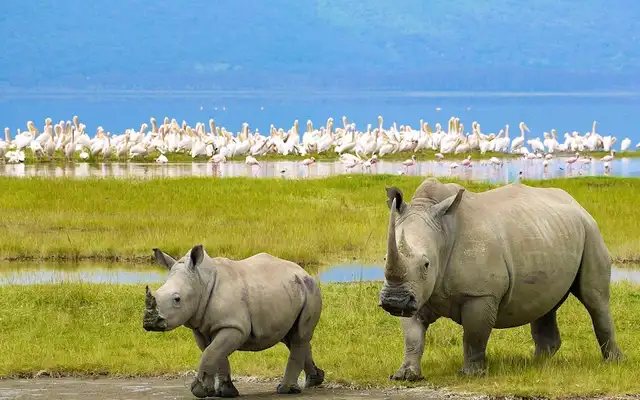
Lake Nakuru National Park is one of the most reliable places for rhino sightings during a Kenya safari. The fenced sanctuary protects both black and white rhinos, giving visitors a strong chance of seeing them grazing on the plains. White rhinos are more social and often spotted first, while black rhinos are shy and require patience to observe. Guides play a key role in tracking these animals, ensuring travelers maximize their time. A Kenya safari here offers not only rhino viewing but also insight into conservation efforts, as the population is closely monitored to secure their future.
Spot the Big Four and Other Wildlife
Lake Nakuru is unique because it hosts the “Big Four” lion, leopard, black rhino, and buffalo since elephants are absent. A Kenya safari in this park provides reliable sightings of lions and leopards, often resting in fever-tree forests. Rothschild’s giraffes, buffalo herds, zebras, and waterbucks add variety to the experience. Rare species like serval cats and African wild dogs may also be seen with luck. A Kenya safari here balances predator action with diverse herbivores, making it a compact but rewarding destination for travelers who want to see a wide range of animals in one park.
Enjoy a Birding Safari
Birdwatching is a highlight of Lake Nakuru, with over 450 species recorded. A Kenya safari here often includes the famous flamingos, which gather in large numbers when water levels are suitable, creating a striking pink ribbon along the lake. Other birds include pelicans, cormorants, fish eagles, storks, and kingfishers. Birdlife adds constant activity to game drives, ensuring travelers see more than just mammals. A Kenya safari in Lake Nakuru is especially appealing to bird lovers, as the diversity of species makes every drive rewarding, whether along the shoreline or deeper into the park’s forests.
Visit Baboon Cliff Viewpoint
Baboon Cliff is one of the best viewpoints in Lake Nakuru, offering panoramic views of the lake, acacia forests, and plains. A Kenya safari stop here is perfect for photography, especially during sunrise or sunset when lighting is dramatic. It is also a good picnic spot, though visitors should be cautious of baboons that roam the area. A Kenya safari that includes Baboon Cliff allows travelers to appreciate the park’s landscapes as much as its wildlife, giving a broader perspective of the environment and its natural beauty.
Explore the Fever-Tree Forests
The fever-tree forests of Lake Nakuru are atmospheric woodlands filled with yellow-barked acacia trees. A Kenya safari drive through these forests is both visually striking and rewarding for wildlife sightings, especially leopards that often rest in the branches. Sunlight filtering through the trees creates a unique setting, making this part of the park memorable. A Kenya safari here combines the chance to see predators with the enjoyment of distinctive landscapes, offering variety beyond open plains and lake shores.
See Makalia Falls
Makalia Falls lies in the southern part of Lake Nakuru and flows best after the rains. A Kenya safari that includes this stop offers travelers a quieter experience away from busier areas of the park. The waterfall is ideal for stretching legs, enjoying a picnic, and appreciating a different side of the park’s geography. A Kenya safari here highlights that Lake Nakuru is not only about wildlife but also about natural features that add depth to the overall experience.
Unique and Optional Experiences
Lake Nakuru offers extra activities that enhance a Kenya safari. Self-drive safaris allow flexibility, while nearby Lake Naivasha and Hell’s Gate provide contrasting experiences such as boat rides or cycling among cliffs. Camping inside the park creates a deeper connection with nature, as nights are filled with bird calls and animal sounds. Rare sightings of tree-climbing lions add excitement for those lucky enough to witness them. A Kenya safari that includes these optional experiences ensures travelers enjoy both wildlife and cultural or adventure elements, making their visit more complete and personalized
How to get there to Lake Nakuru for Kenya safari
Lake Nakuru National Park is easily accessible, making it a convenient stop on a Kenya safari. Most travelers start from Nairobi, which is about 160 kilometers away, and the drive takes roughly three hours via the Nairobi–Nakuru highway. The road is well-paved, and the route passes through the Great Rift Valley, offering views of escarpments and small towns along the way. For those preferring speed, domestic flights are available from Nairobi’s Wilson Airport to nearby airstrips such as Naishi, which connect directly to the park. A Kenya safari operator can arrange transfers, ensuring smooth entry through the park gates. Whether by road or air, reaching Lake Nakuru is straightforward, allowing visitors to maximize their time enjoying wildlife and landscapes
Best tips for experiencing Kenya safari in Lake Nakuru National park
To make the most of a Kenya safari in Lake Nakuru National Park, timing and preparation are essential. The park is compact, so planning your game drives around key areas like the lake shore, fever-tree forests, and Baboon Cliff ensures you maximize sightings. Early morning and late afternoon drives are the most productive, as animals are more active and lighting is better for photography. A Kenya safari here benefits from having a knowledgeable guide who understands animal behavior and knows where to look for elusive species such as leopards or black rhinos.
Packing appropriately also contributes to a successful Kenya safari in Lake Nakuru. Neutral-colored clothing helps you blend into the environment, while a good pair of binoculars and a camera with zoom capability enhance wildlife viewing. Insect repellent is important near the lake, and carrying water ensures comfort during longer drives. A Kenya safari in this park is often a mix of birdwatching and big game viewing, so being prepared for both makes the experience more rewarding.
Respecting park rules and wildlife is another key tip for a Kenya safari in Lake Nakuru. Keeping a safe distance from animals, avoiding loud noises, and following guide instructions protect both visitors and wildlife. Supporting conservation by staying in eco-friendly lodges or campsites adds value to your trip. A Kenya safari here is not only about seeing animals but also about contributing positively to the environment and local communities, making the experience meaningful and responsible
Best places to sleep in for Kenya safari in Lake Nakuru Park
Lake Nakuru National Park offers a range of accommodation options to suit different budgets and preferences, making it easy to plan a comfortable Kenya safari. For mid-range travelers, lodges such as Lake Nakuru Lodge and Sarova Lion Hill Game Lodge provide convenient access to the park with good facilities and views of the lake. Luxury seekers can opt for The Cliff, which offers tented suites perched on the edge of the crater for panoramic scenery. Budget-conscious visitors can stay at campsites within the park, such as Makalia or Naishi, which allow a closer connection to nature. Choosing where to sleep during a Kenya safari in Lake Nakuru depends on whether you prefer lodge comfort, tented luxury, or the simplicity of camping
Booking Kenya safari with Lamz Tours and Travel
Booking a Kenya safari with Lamz Tours and Travel gives travelers confidence in experiencing Lake Nakuru National Park and other destinations with well-planned itineraries and expert guidance. The company specializes in tailoring safaris to match individual needs, whether you want focused rhino tracking, birdwatching, or cultural add-ons. Our team ensures smooth logistics, from transport and park entry to lodge reservations, saving visitors the stress of managing details. With professional guides who understand animal behavior and seasonal highlights, Lamz Tours and Travel makes every Kenya safari practical and rewarding. By combining wildlife viewing with responsible tourism practices, they provide travelers with both memorable experiences and the assurance that conservation and community support are part of the trip
Ready to plan your safari?
Talk to a Lamz Tours specialist and get a tailor-made quote.
Make an enquiry