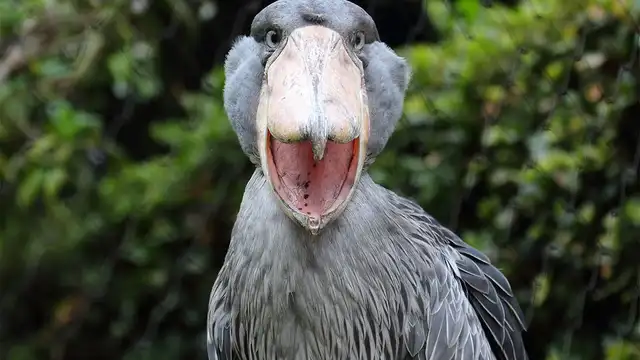
Plan your safari Uganda to see the shoebill with best timing, top wetlands like Mabamba, and expert tips for reliable sightings in Uganda.
Safari Uganda offers one of the best chances to see the rare shoebill in its natural habitat. Found in wetlands like Mabamba Swamp, this bird attracts travellers seeking something different. Knowing the right time to visit, where to go, and how to plan improves your chances of a successful and rewarding safari Uganda experience.
Our Best Safaris on a Safari Uganda.
1 Day To Jinja, Sezibwa falls and Mabira forest Hike
2 Days Gorilla Trekking Safari to Bwindi National Park
3 days fly to Queen Elizabeth National Park Safari.
4 Days Gorillas, Chimpanzees and Wildlife Safari in Uganda
5 Days wildlife, Gorillas and Chimpanzee Trekking safari In Uganda
6 Days Murchison Falls and Queen Elizabeth National Park Safari
7 Days Queen Elizabeth Gorillas Trekking In Bwindi and Lake Mburo Safari
8 Days Murchison Chimpanzees Queen Elizabeth and Gorilla Safari
9 Days Best of the Uganda Safari with Gorillas
10 Days Uganda Safari Gorilla, Wildlife and Chimpanzees
11 Days Gorillas and Chimpanzees Wildlife Safari, Uganda
12 Days Best of Uganda Wildlife Encounter and Cultural Safari
1. Why Dry Seasons Offer the Best Shoebill Sightings on a Safari Uganda
Safari Uganda experiences during the dry seasons provide the most reliable conditions for spotting the shoebill. From June to August and December to February, water levels in wetlands reduce, exposing feeding grounds where shoebills hunt lungfish and other prey. This makes them easier to locate compared to wetter months when vegetation is thick and water is widespread. The reduced greenery also improves visibility, allowing photographers and birders to get clearer views without obstruction. In places like Mabamba Swamp, guides can navigate more efficiently during these periods, increasing the chances of a successful sighting. Weather conditions are also more predictable, making travel smoother and more comfortable. While Uganda is a year-round destination, timing your visit with the dry season significantly improves your odds. Choosing the right season is one of the smartest decisions when planning a safari Uganda.
2. How Early Morning Timing Improves Shoebill Encounters on a Safari Uganda
Safari Uganda birding trips are most productive when started early in the morning, especially when searching for the elusive shoebill. This bird is most active at sunrise, when it hunts quietly in shallow waters before the day gets too hot. Early morning light also provides better visibility and softer conditions for photography. In wetlands such as Mabamba Swamp, canoe excursions usually begin at dawn, giving visitors a higher chance of encountering the shoebill before it retreats into thicker vegetation. As the day progresses, heat and human activity can reduce sightings, making late starts less effective. Being on the water early also allows you to experience the calm atmosphere of the swamp, which enhances the overall experience. Planning your schedule around early mornings is key for success. Starting your day right can make all the difference on a safari Uganda.
3. Where to See Shoebill for the Best Safari Uganda Experience
Safari Uganda adventures offer several key locations where shoebills can be seen, but some areas are more reliable than others. Mabamba Swamp is the most accessible and consistent site, located near Entebbe and ideal for short trips. Another excellent location is the Nile Delta in Murchison Falls National Park, where boat cruises provide opportunities to spot the bird in a more remote setting. For those exploring eastern Uganda, wetlands around Lake Victoria and other papyrus swamps can also yield sightings, though they may require more effort. Each location offers a slightly different experience, from calm canoe rides to larger boat safaris. Choosing the right destination depends on your itinerary and time available. Visiting proven hotspots greatly increases your chances. Selecting the right location is essential for a successful safari Uganda.
4. How Weather Patterns Affect Shoebill Visibility on a Safari Uganda
Safari Uganda conditions vary throughout the year, and weather plays a big role in shoebill sightings. During rainy seasons, wetlands expand, and vegetation becomes dense, giving the shoebill more places to hide. This can make tracking more challenging, especially for first-time visitors. However, the rainy season also brings fresh feeding opportunities, which can still attract the birds to certain areas. In contrast, dry seasons limit water spread, concentrating wildlife in smaller zones where sightings become easier. Cloud cover during rainy months may also affect photography, reducing light quality. Understanding these seasonal changes helps you plan better and set realistic expectations. While sightings are possible year-round, aligning your visit with favourable conditions improves your chances. Weather awareness is an important factor to consider when organising a safari Uganda.
5. What Makes Shoebill Behaviour Easier to Track on a Safari Uganda
Safari Uganda birding becomes more rewarding when you understand the behaviour of the shoebill. This bird is known for its stillness, often standing motionless for long periods as it waits to strike prey. This unique behaviour makes it easier to observe once located, but also harder to spot initially since it blends into the surrounding vegetation. Shoebills prefer quiet, undisturbed wetlands, which is why places like Mabamba Swamp are ideal. They are solitary birds, usually found alone or in pairs, and tend to follow consistent feeding patterns. Experienced guides can read these patterns and lead you to likely locations. Observing patiently and quietly increases your chances of a successful encounter. Understanding how the shoebill behaves gives you an advantage. Knowledge of wildlife behaviour enhances every safari Uganda.
6. Why Guided Tours Increase Your Chances on a Safari Uganda
Safari Uganda trips that include experienced guides significantly improve your chances of seeing a shoebill. Local guides understand the wetlands, bird movements, and seasonal patterns better than anyone else. In areas like Mabamba Swamp, guides communicate with each other to track recent sightings, saving time and increasing efficiency. They also know how to navigate narrow water channels quietly without disturbing the bird. A guide can help you position yourself correctly for better viewing and photography opportunities. Without this expertise, finding a shoebill can take much longer and may not always be successful. Guided tours also provide safety and deeper insight into the ecosystem. Investing in a knowledgeable guide is one of the best decisions you can make. Professional guidance greatly enhances your safari Uganda.
7. Why Uganda Remains One of the Best Places to See Shoebill on a Safari Uganda
Safari Uganda stands out as one of the best options in Africa for seeing the shoebill in its natural habitat. The country offers accessible wetlands, experienced guides, and relatively high chances of sightings compared to other regions. Locations like Mabamba Swamp and Murchison Falls National Park provide both convenience and authenticity, allowing visitors to observe the bird without excessive travel challenges. Uganda’s diverse ecosystems also mean you can combine shoebill tracking with other wildlife experiences, including game drives and primate trekking. This makes the trip more balanced and rewarding. The peaceful nature of these wetlands adds to the overall experience, making each sighting feel special. For bird lovers and photographers, Uganda continues to offer strong value and reliability. It remains a top destination for anyone planning a safari Uganda.
Best Time to Visit for a Shoebill Safari Uganda Experience
The best time for a shoebill-focused safari Uganda is during the dry seasons from June to August and December to February. During these months, wetlands are less flooded, making it easier to spot the bird in shallow waters. Early mornings are especially productive because shoebills are most active while hunting at sunrise. Locations like Mabamba Swamp and Murchison Falls National Park offer the highest chances of sightings during this period. While the wet season can still produce sightings, thick vegetation and higher water levels make tracking more difficult. Choosing the right season greatly improves visibility, photography opportunities, and overall experience. For the most reliable results, plan your safari Uganda during dry months and start your excursions early in the day when bird activity is highest.
How to Get There for a Shoebill Safari Uganda Trip
Getting to your safari Uganda destination depends on which wetland you choose. The most accessible site is Mabamba Swamp, located about 1 to 2 hours from Kampala or Entebbe. Travellers usually drive to the launch site and then continue by canoe through narrow papyrus channels. For more remote experiences, such as in Murchison Falls National Park, visitors travel by road (about 5 to 6 hours) or take a domestic flight to nearby airstrips. A 4x4 vehicle is recommended for comfort and access to park roads. Guided tours are highly important because local guides know the exact feeding zones of the shoebill. Planning transport in advance ensures a smooth journey and maximises time in the field. Good logistics make a big difference in your safari Uganda experience.
Things to Do on a Shoebill Safari Uganda Adventure
A shoebill-focused safari Uganda offers more than just bird watching. In Mabamba Swamp, visitors enjoy peaceful canoe rides through papyrus channels while spotting other bird species like kingfishers, herons, and papyrus gonoleks. In Murchison Falls National Park, boat safaris along the Nile Delta provide opportunities to combine shoebill tracking with seeing hippos, crocodiles, and elephants. Photography is a major activity, especially during early morning light when the shoebill is most active. Cultural visits near wetlands also add depth to the experience, giving insight into local fishing communities. The calm environment makes it ideal for slow travel and observation. Every activity is designed around nature and wildlife interaction, making your safari Uganda both relaxing and rewarding.
What to Carry for a Shoebill Safari Uganda Trip
Preparing well for a safari Uganda improves comfort and success in the field. Essential items include lightweight, neutral-colored clothing to blend into wetland environments and protect against insects. A good pair of binoculars is important for spotting the shoebill from a distance in papyrus swamps like Mabamba Swamp. Camera gear with a zoom lens helps capture detailed shots without disturbing wildlife. Waterproof bags or covers are useful during canoe rides. Sunscreen, insect repellent, and a hat are necessary for protection against sun and bugs. Drinking water and light snacks help maintain energy during long excursions. A rain jacket is also recommended due to unpredictable weather. Proper preparation ensures you stay comfortable and focused throughout your safari Uganda experience.
Where to Stay During a Shoebill Safari Uganda Experience
Accommodation options for a safari Uganda range from budget guesthouses to mid-range and luxury lodges depending on your destination. Near Mabamba Swamp, travellers often stay in Entebbe, where hotels offer easy access to early morning canoe trips. In Murchison Falls National Park, lodges inside or near the park provide scenic views of the Nile and wildlife. Staying closer to your birding location allows early departures, which are essential for shoebill sightings. Many lodges offer comfortable rooms, local cuisine, and guided safari arrangements. Choosing the right accommodation enhances convenience and reduces travel fatigue. A well-located stay ensures you get the most out of your safari Uganda.
Health and Safety Tips for a Shoebill Safari Uganda Journey
Health and safety are important for any safari Uganda experience. Always follow your guide’s instructions, especially when navigating wetlands by canoe in places like Mabamba Swamp. Wearing life jackets during boat trips is essential. Vaccinations such as yellow fever may be required before travel, and malaria prevention is strongly recommended. Drinking bottled or treated water helps avoid illness. Insects are common in swamp areas, so repellents are necessary. It’s also important to move carefully in wet and muddy terrain to avoid slips. Respecting wildlife distance ensures both your safety and minimal disturbance to animals. With proper precautions, your safari Uganda remains safe and enjoyable from start to finish.
How much does it cost to go on a safari in Uganda on a safari Uganda?
The cost of a safari Uganda varies widely depending on comfort level, duration, and destinations included. On average, a budget safari Uganda can start from around $150 to $250 per person per day, covering basic accommodation, transport, park fees, and guiding services. Mid-range safari Uganda packages usually range between $300 and $500 per person per day, offering more comfortable lodges, private transport, and better meal plans. Luxury safari Uganda experiences can go above $600 to $1,500 per person per day, especially when including premium lodges in parks like Queen Elizabeth National Park or gorilla trekking in Bwindi Impenetrable National Park. The biggest cost drivers are gorilla permits, accommodation standards, and transport type (road or domestic flights). Seasonal pricing also affects rates, with peak dry seasons being slightly higher. Overall, Uganda remains one of the more affordable safari destinations in Africa, offering strong value for money. Planning early helps you secure better deals and availability on your safari Uganda.
Do they have safaris in Uganda on a safari Uganda?
Yes, safaris in Uganda are not only available but also very diverse, making the country one of Africa’s most complete wildlife destinations for a safari Uganda. Uganda offers traditional game drives, boat safaris, birdwatching tours, and primate tracking experiences all within one itinerary. In parks like Murchison Falls National Park, travellers can enjoy classic savannah safaris with elephants, lions, giraffes, and hippos. Meanwhile, Queen Elizabeth National Park offers tree-climbing lions, boat cruises along the Kazinga Channel, and rich birdlife. For forest experiences, Bwindi and Kibale provide gorilla and chimpanzee trekking, which are unique highlights not found in many other safari destinations. Uganda’s safari structure allows visitors to combine multiple ecosystems in one trip, from wetlands to mountains. This variety makes safaris in Uganda both flexible and rewarding. Whether short or long, every safari Uganda delivers a mix of wildlife, landscapes, and cultural encounters.
How much does a safari cost per person on a safari Uganda?
The cost per person for a safari Uganda depends on travel style, itinerary, and park activities included. On a budget safari Uganda, you can expect to spend around $150 to $250 per person per day, usually involving shared transport, basic lodges or campsites, and standard game drives. Mid-range options typically cost between $300 and $500 per person per day, offering more comfort, private guides, better lodges, and smoother logistics. Luxury safari Uganda packages can range from $600 up to $1,500 per person per day, especially when including exclusive experiences like gorilla trekking in Bwindi Impenetrable National Park or high end stays in Queen Elizabeth National Park. One of the biggest single costs is gorilla trekking permits, which significantly affect overall pricing. Transport type, season, and group size also influence cost per person. Despite these variations, Uganda remains a cost effective safari destination. Careful planning ensures you get the best value from your safari Uganda experience.
Why Book with Lamz Tours and Travel for Your Shoebill Safari Uganda
Booking your safari Uganda with Lamz Tours and Travel ensures a well organised, professional, and rewarding experience. Their team understands key birding locations such as Mabamba Swamp and Murchison Falls National Park, increasing your chances of successful shoebill sightings. Experienced guides,who provide deep local knowledge, helping you track wildlife efficiently and safely. Lamz Tours and Travel also handles logistics such as transport, accommodation, and permits, allowing you to focus entirely on the experience. Their flexibility ensures itineraries can be adjusted based on wildlife movement and weather conditions. Personalised service and strong field expertise make them a reliable choice for birding and wildlife trips. Choosing them adds value, comfort, and success to your safari Uganda adventure.
Ready to plan your safari?
Talk to a Lamz Tours specialist and get a tailor-made quote.
Make an enquiry