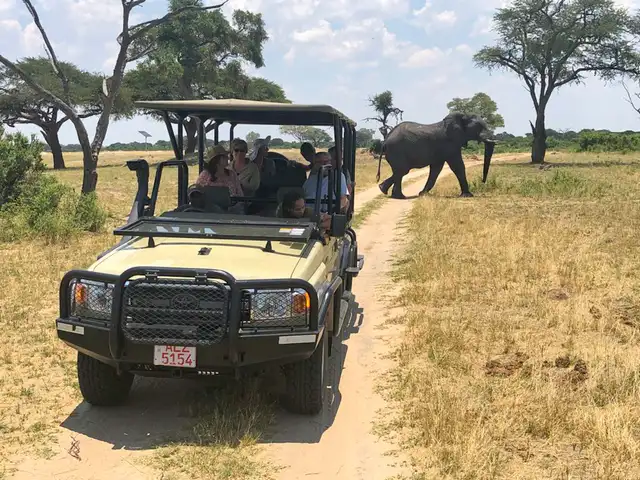
Discover the best time for Zimbabwe safaris, from peak wildlife viewing in the dry season to birdwatching and green landscapes during the wet season.
Planning the right time for Zimbabwe safaris can greatly enhance your wildlife experience. Zimbabwe is one of Southern Africa's premier safari destinations, offering exceptional game viewing, diverse landscapes, and renowned national parks such as Hwange National Park, Mana Pools National Park, and Matobo National Park. While the country provides rewarding safari opportunities throughout the year, the dry season from May to October is generally considered the best time for first-time visitors. During these months, wildlife gathers around permanent water sources, making animal sightings easier and more consistent. The green season from November to April brings lush scenery, excellent birdwatching, fewer crowds, and attractive travel rates. Understanding Zimbabwe's seasonal differences helps travelers choose the best safari experience based on wildlife viewing, photography, weather, and personal interests.
Best African safari packages
The Best Time to Go for Zimbabwe Safaris for First-Time Visitors
1. Why Timing Matters for a Zimbabwe Safari
Choosing the right season is one of the most important decisions for first-time travelers planning Zimbabwe safaris. The country offers excellent wildlife experiences throughout the year, but each season provides different advantages. For most visitors, the dry season from May to October is considered the best period because wildlife is easier to find around rivers, waterholes, and permanent water sources. During this time, vegetation becomes thinner, improving visibility and making game viewing more rewarding. Zimbabwe safaris are particularly popular among travelers seeking classic African wildlife encounters, including elephants, lions, leopards, buffaloes, and a wide variety of antelope species. Understanding how seasons affect wildlife movements, landscapes, and weather conditions helps first-time visitors choose the perfect travel period for an unforgettable safari adventure.
2. The Dry Season Is Ideal for First-Time Visitors
For travelers experiencing Africa for the first time, the dry season offers the best introduction to Zimbabwe safaris. Extending from May through October, this period features little rainfall and pleasant wildlife viewing conditions. As natural water sources dry up, animals concentrate near rivers and watering points, making them easier to locate. During Zimbabwe safaris, visitors can enjoy predictable wildlife sightings and excellent photography opportunities thanks to clear skies and sparse vegetation. The dry landscape allows safari guides to track animals more efficiently and access wildlife-rich regions with ease. Many of Zimbabwe's leading national parks perform exceptionally well during these months, giving first-time travelers a higher chance of seeing a broad variety of species within a relatively short period.
3. May and June Offer Comfortable Safari Conditions
The months of May and June mark the beginning of the dry season and provide outstanding conditions for Zimbabwe safaris. The landscapes remain relatively green following the rainy months, creating beautiful scenery while wildlife begins gathering around shrinking water sources. Temperatures are generally comfortable, making game drives enjoyable throughout the day. Many travelers choose Zimbabwe safaris during this period because parks are not yet as crowded as they become later in the season. This creates a more relaxed atmosphere while still offering excellent game-viewing opportunities. Photographers particularly appreciate the combination of healthy vegetation and clear skies. First-time visitors who prefer moderate temperatures and scenic landscapes often find May and June to be among the most rewarding months to experience Zimbabwe's natural beauty.
4. July and August Deliver Excellent Wildlife Viewing
July and August are among the most popular months for Zimbabwe safaris due to consistent wildlife activity and favorable weather. These winter months bring cool mornings, sunny afternoons, and virtually no rainfall. Wildlife sightings improve significantly as animals increasingly rely on permanent water sources. During Zimbabwe safaris, visitors often encounter large elephant herds, buffaloes, zebras, and predators near rivers and waterholes. Comfortable daytime temperatures allow for extended game drives and outdoor activities without excessive heat. The dry conditions also improve road accessibility throughout many safari areas. For first-time safari travelers, this period offers a balance between comfortable weather and reliable wildlife encounters. It is often recommended for visitors seeking their first classic African safari experience.
5. September and October Are Prime Safari Months
Many experts consider September and October the peak months for Zimbabwe safaris focused on wildlife viewing. As the dry season reaches its peak, animals gather in larger numbers around remaining water sources. This concentration creates exceptional opportunities for wildlife observation and photography. During Zimbabwe safaris, travelers often witness dramatic interactions between predators and prey as animals compete for limited resources. Elephant populations become particularly visible, especially in famous wildlife areas such as Hwange National Park. While temperatures increase considerably during these months, the outstanding game-viewing opportunities often outweigh the warmer conditions. First-time visitors eager to maximize wildlife sightings frequently choose these months because they provide some of the best chances to observe Africa's iconic animals in impressive numbers.
6. Hwange National Park Performs Best in the Dry Season
Hwange National Park is one of the highlights of Zimbabwe safaris, and its wildlife viewing is particularly rewarding during the dry season. As natural water becomes scarce, animals gather around pumped waterholes that support the park's ecosystem. This concentration makes Zimbabwe safaris in Hwange especially productive for observing elephants, lions, African wild dogs, buffaloes, and numerous antelope species. The park hosts one of Africa's largest elephant populations, creating unforgettable wildlife spectacles. Visitors can often spend hours watching elephant families interact near waterholes. The dry conditions improve visibility and accessibility, allowing guides to cover large areas of the park efficiently. First-time travelers seeking abundant wildlife and authentic safari experiences frequently rank Hwange among their favorite destinations.
7. Victoria Falls Adds Value Throughout the Year
Many travelers combine Zimbabwe safaris with a visit to Victoria Falls, one of the world's most spectacular natural attractions. The best time to include the falls depends on personal interests. While Zimbabwe safaris are generally strongest during the dry season, Victoria Falls itself is most powerful after the rainy season when water volumes are highest. From approximately February to May, visitors can witness impressive water flow and dramatic mist rising from the gorge. During the dry months, the falls become easier to photograph and activities such as walking tours often improve. Combining wildlife experiences with Victoria Falls provides a well-rounded itinerary that showcases both Zimbabwe's incredible biodiversity and one of Africa's most famous natural wonders.
8. The Green Season Has Unique Benefits
While the dry season dominates discussions about Zimbabwe safaris, the green season from November to April offers unique advantages. Rainfall transforms the landscape into a lush environment filled with fresh vegetation and vibrant scenery. Birdlife becomes particularly impressive as migratory species arrive from other regions. Many travelers choose Zimbabwe safaris during the green season because accommodation rates are often lower and popular safari areas are less crowded. Wildlife can be more dispersed because water is widely available, but excellent sightings are still possible with knowledgeable guides. The dramatic skies and green landscapes create outstanding photographic opportunities. First-time visitors interested in scenery, birdwatching, and value for money may find the green season highly rewarding.
9. Birdwatchers Should Consider the Wet Months
Bird enthusiasts planning Zimbabwe safaris should strongly consider traveling between November and March. During these months, migratory species arrive, significantly increasing the variety of birds found throughout the country's national parks and wetland systems. Zimbabwe safaris during this period offer opportunities to observe colorful breeding plumage, nesting activity, and diverse bird behavior. Species such as bee-eaters, kingfishers, storks, eagles, and herons become particularly active. The lush landscapes also provide beautiful settings for wildlife photography and nature observation. Although game viewing may require more patience due to thicker vegetation, birdwatchers often consider the wet season the most rewarding time to visit. The abundance of birdlife adds another dimension to Zimbabwe's already impressive wildlife experiences.
10. The Overall Best Time for First-Time Visitors
For most first-time travelers, the overall best time for Zimbabwe safaris is between July and October. These months combine excellent wildlife concentrations, favorable weather, and outstanding game-viewing conditions across the country's major safari destinations. During Zimbabwe safaris at this time, visitors enjoy high chances of seeing elephants, lions, leopards, buffaloes, wild dogs, and many other species congregating around water sources. Clear skies, minimal rainfall, and accessible roads further enhance the experience. Although this period is also the busiest safari season, the quality of wildlife viewing makes it worthwhile. Travelers seeking the ultimate introduction to Zimbabwe's wildlife and landscapes will find that the dry season consistently delivers some of the most memorable safari experiences in Southern Africa.
Ready to plan your safari?
Talk to a Lamz Tours specialist and get a tailor-made quote.
Make an enquiry