Best time for Rwanda safaris explained, dry and wet seasons, gorilla trekking, wildlife viewing, birding, and cultural highlights across the year
Rwanda safaris offer travelers a chance to experience one of Africa’s most unique wildlife and cultural destinations. Known for its mountain gorillas, diverse national parks, and welcoming communities, Rwanda has built a reputation as a safe and well-organized safari hub. The country’s compact size makes it easy to combine gorilla trekking in Volcanoes National Park, game drives in Akagera, and chimp tracking in Nyungwe Forest within a single trip. Rwanda safaris are supported by strong conservation efforts, ensuring that tourism directly benefits wildlife protection and local communities. This balance of nature and culture makes Rwanda a rewarding choice for both first-time visitors and seasoned safari travelers.
Planning Rwanda safaris requires understanding the best seasons, costs, and activities to match personal interests. Dry months are ideal for gorilla trekking and wildlife viewing, while rainy seasons appeal to birdwatchers and budget-conscious travelers. Accommodation ranges from luxury lodges to budget-friendly options, ensuring flexibility for different travelers. Rwanda safaris also emphasize cultural immersion, with opportunities to engage with local traditions and community projects. Whether seeking gorillas, the Big Five, or authentic cultural experiences, Rwanda provides a well-rounded safari destination. With careful preparation and guidance, visitors can enjoy a safari that is both memorable and meaningful
Best Rwanda safaris packages
2 day Gorilla trekking safari in Rwanda
2 Days Nyungwe Chimpanzee and Canopy Walk Safari in Rwanda
3 Days Gorilla and Golden Monkey Trekking Rwanda Tour
3 Days Safari to Rwanda and Uganda Gorilla Trekking
4 Days Luxury Gorilla Tracking Rwanda Tour
4 Days Primate Safari to Rwanda with Gorillas and Chimps
5 Days in Rwanda with Gorillas and Akagera Big Five Safari
8 Days Rwanda Cultural and Primate Experience
3Days Rwanda Safari Holiday with Gorilla Trekking
12 Days Rwanda Safari in Volcanoes, Nyungwe and Akagera National Park
The Best time to go for Rwanda safaris
1. Dry Season Advantage
The best time for Rwanda safaris is during the dry months of June to September. This period offers clear skies and firm ground, making forest walks more manageable. Travelers planning gorilla trekking benefit most, as trails are less slippery and visibility is better. Wildlife tends to gather near water sources, increasing chances of sightings. Rwanda safaris in this season are also ideal for photography, with reduced haze and vibrant colors. While rain can still occur, it is lighter and less disruptive compared to wet months. This timing suits visitors who want comfort and predictability in their safari experience.
2. Short Dry Season
December to February marks another favorable window for Rwanda safaris. These months bring moderate weather, with less rainfall compared to the long wet season. Gorilla trekking remains popular, and chimp tracking in Nyungwe Forest is easier. Rwanda safaris during this time are often quieter than the mid-year peak, offering a balance between good conditions and fewer crowds. Temperatures remain pleasant, usually ranging between 15°C and 27°C, making outdoor activities comfortable. This season is suitable for travelers who prefer a mix of wildlife viewing and cultural exploration without heavy rains interfering.
3. Wet Season Challenges
March to May is the long rainy season, and Rwanda safaris face more challenges then. Trails become muddy, making gorilla trekking harder. Wildlife disperses, reducing visibility in open areas. However, Rwanda safaris in this period can appeal to budget-conscious travelers, as lodges often lower rates. Birdwatchers may find this season rewarding, with migratory species present. The downside is frequent downpours, which can disrupt plans and limit photography opportunities. Travelers should be prepared with waterproof gear and flexible schedules. This season is less ideal for first-time visitors but can suit those seeking value and unique birding experiences.
4. September Highlights
September stands out as one of the best months for Rwanda safaris. Rainfall is minimal, and wildlife activity is high. Gorilla trekking is particularly rewarding, with families more visible in Volcanoes National Park. Rwanda safaris at this time also coincide with harvest festivals, offering cultural depth alongside nature. The weather is stable, making it easier to combine multiple destinations such as Akagera National Park and Lake Kivu. This month is excellent for travelers who want both wildlife and cultural experiences without the disruptions of heavy rain.
5. June and July Peak
June and July are peak months for Rwanda safaris. Gorilla permits are in high demand, so early booking is essential. Rwanda safaris during this time benefit from dry trails and concentrated wildlife sightings. The atmosphere is vibrant, with many international visitors arriving. While costs may be higher, the quality of experiences justifies the expense. These months are perfect for travelers prioritizing gorilla trekking and classic safari activities. The clear weather also enhances photography, making it a prime time for capturing landscapes and wildlife.
6. November Considerations
November is part of the short rainy season, and Rwanda safaris can be unpredictable. Rainfall is lighter than in April, but trails may still be slippery. Gorilla trekking remains possible, though conditions require more effort. Rwanda safaris in November appeal to travelers seeking fewer crowds and discounted rates. Birding is strong, with migratory species arriving. This month suits those who prioritize affordability and birdwatching over comfort. Travelers should pack rain gear and expect occasional delays. While not the top choice, November offers a balance between value and wildlife opportunities.
7. Year-Round Appeal
Despite seasonal variations, Rwanda safaris remain a year-round option. The country’s high elevation ensures mild temperatures throughout the year. Even in rainy months, gorilla trekking continues, though with added challenges. Rwanda safaris are flexible, allowing travelers to choose based on priorities: dry seasons for comfort, wet seasons for value and birding. The consistent daylight of about 12 hours daily makes planning easier. Ultimately, the best time depends on whether visitors prioritize ease, cost, or specific wildlife interests. Rwanda’s climate supports safaris across all months, with each season offering distinct advantages
Best safari activities not to miss on Rwanda safaris
1. Gorilla Trekking in Volcanoes National Park
One of the most sought-after activities on Rwanda safaris is gorilla trekking in Volcanoes National Park. Visitors hike through bamboo forests to observe mountain gorillas in their natural habitat. Rwanda safaris here provide a rare chance to spend an hour with these primates, watching their social behavior and family interactions. Permits are limited, so booking early is essential. The trek can be physically demanding, but the reward is unmatched. Guides ensure safety and share insights about conservation efforts. This activity is ideal for travelers who want a close wildlife experience combined with meaningful conservation support.
2. Game Drives in Akagera National Park
Akagera National Park offers classic game drives, making it a highlight of Rwanda safaris. The park is home to the Big Five lion, leopard, elephant, buffalo, and rhino alongside giraffes, zebras, and antelopes. Rwanda safaris here showcase diverse landscapes, from savannah plains to wetlands. Morning and evening drives are best for spotting predators and large herds. Boat safaris on Lake Ihema add variety, with hippos and crocodiles visible. The park’s recovery story, from near collapse to thriving wildlife reserve, adds depth to the experience. Travelers seeking traditional safari activities will find Akagera a perfect complement to gorilla trekking.
3. Chimpanzee Tracking in Nyungwe Forest
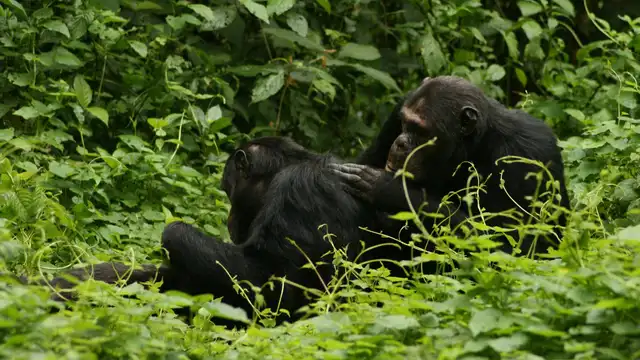
Nyungwe Forest National Park is a prime destination for chimpanzee tracking, an activity that enriches Rwanda safaris. Visitors follow expert trackers into dense rainforest to observe chimps swinging through trees and foraging. Rwanda safaris here also include spotting other primates like colobus monkeys. The forest is rich in biodiversity, offering birdwatching opportunities with over 300 species recorded. The canopy walkway provides a unique perspective of the forest, appealing to adventurous travelers. Chimp tracking requires early starts and patience, but the reward is seeing primates in a vibrant ecosystem. This activity suits those who want variety beyond gorillas and big game.
4. Birdwatching Across Rwanda
Birdwatching is an underrated highlight of Rwanda safaris, with over 700 species recorded nationwide. Nyungwe Forest, Akagera wetlands, and Volcanoes National Park all provide excellent habitats. Rwanda safaris focused on birding can reveal rare species like the shoebill stork, red-collared mountain babbler, and Albertine Rift endemics. Guided tours help travelers identify species and understand their ecological importance. Birdwatching is less physically demanding than gorilla or chimp trekking, making it accessible to a wider audience. It’s a rewarding activity for those who appreciate detail and patience, offering a quieter but equally valuable safari experience.
5. Cultural Experiences with Local Communities
Beyond wildlife, cultural visits enrich Rwanda safaris by connecting travelers with local communities. Activities include traditional dance performances, banana beer brewing, and visiting villages near Volcanoes National Park. Rwanda safaris that integrate culture allow travelers to understand daily life, history, and resilience of Rwandans. These experiences support community-based tourism, ensuring locals benefit directly from conservation and tourism. Travelers gain perspective on how wildlife protection and human development coexist. This activity is ideal for those who want meaningful engagement alongside nature exploration, making their safari more holistic and impactful
How to get there for Rwanda safaris
Most travelers heading for Rwanda safaris arrive through Kigali International Airport, the country’s main gateway. The airport is well connected with direct flights from major hubs such as Nairobi, Addis Ababa, Doha, and Brussels. Once in Kigali, visitors can easily access safari destinations by road or domestic flights. Volcanoes National Park, famous for gorilla trekking, is about a two-hour drive from Kigali. Akagera National Park lies to the east, roughly three hours by car. Rwanda safaris are supported by reliable transport services, including private transfers and tour operators who arrange logistics. This makes arrival and movement straightforward for international visitors
Getting Around Rwanda
After arrival, travelers can reach safari parks using well-maintained road networks or chartered flights. Rwanda safaris often begin with a guided transfer from Kigali, ensuring smooth travel to remote areas. Domestic flights operated by local carriers connect Kigali to destinations like Akagera and Nyungwe, saving time for those with tight schedules. Road travel offers scenic views of Rwanda’s rolling hills and rural landscapes. Tour companies provide 4x4 vehicles suited for park terrain, making wildlife viewing accessible. Rwanda safaris are designed to balance convenience with authentic experiences, so whether by road or air, visitors can expect efficient connections to all major safari highlights
How much does Rwanda safaris cost
The cost of Rwanda safaris varies widely depending on activities, accommodation, and trip length. Gorilla trekking is the most expensive highlight, with permits priced at about $1,500 per person. Budget Rwanda safaris can start from around $180 per day, covering basic lodging and park entry. Mid-range packages often range between $3,000 and $6,000 per person for several days, including transport, guides, and comfortable lodges. Luxury Rwanda safaris can exceed $10,000, with exclusive lodges charging $1,500–$5,500 per night. Chimpanzee tracking costs about $100–$150, while game drives in Akagera are more affordable. Overall, Rwanda safaris can fit different budgets, but travelers should plan carefully, as costs depend on season, group size, and chosen activities
Best safari tips for experiencing Rwanda safaris
For Rwanda safaris, preparation is key. Pack light but include essentials such as sturdy hiking boots, rain jackets, and insect repellent. Permits for gorilla trekking must be booked well in advance, as they are limited and highly sought after. Rwanda safaris also require flexibility with weather, so waterproof bags and layered clothing help. Carry cash in small denominations for local purchases, as card facilities may be limited outside Kigali. Health precautions like yellow fever vaccination and malaria prevention are important. Travelers should also bring reusable water bottles to reduce plastic use and stay hydrated during treks.
On-Safari Etiquette
Respecting wildlife and local communities ensures a positive experience during Rwanda safaris. Keep a safe distance from animals, avoid loud noises, and follow guide instructions at all times. Rwanda safaris often involve gorilla trekking, where strict rules apply no flash photography, no touching gorillas, and masks may be required to protect them from human illness. Supporting community projects by purchasing local crafts or joining cultural tours adds value to your trip. Always carry identification and permits, as park authorities may request them. Responsible behavior not only protects wildlife but also strengthens conservation efforts and community benefits.
Maximizing Value
To get the most out of Rwanda safaris, plan activities strategically. Combine gorilla trekking with game drives in Akagera and chimp tracking in Nyungwe for variety. Rwanda safaris are best experienced with professional guides who provide insights into wildlife and culture. Travel insurance is highly recommended, covering medical emergencies and cancellations. Early morning starts are common, so rest well the night before. Photography enthusiasts should carry extra batteries and memory cards, as charging facilities may be limited in remote lodges. By balancing wildlife, culture, and preparation, travelers ensure a rewarding safari that meets both practical and personal expectations
What to pack when going for Rwanda safaris
When preparing for Rwanda safaris, packing smart ensures comfort and readiness for varied conditions. Essential items include sturdy waterproof hiking boots for gorilla and chimp trekking, lightweight long-sleeved shirts and trousers to protect against insects, and a rain jacket since showers can occur even in dry seasons. A wide-brim hat, sunscreen, and sunglasses help with sun protection, while insect repellent and hand sanitizer are practical for forest and savannah settings. Rwanda safaris also require personal gear like reusable water bottles, binoculars for wildlife viewing, and a good camera with extra batteries and memory cards. Don’t forget travel documents such as passport, visa, permits, and copies of insurance. Packing light but practical ensures a smoother safari experience
Best places to stay in for Rwanda safaris
For Rwanda safaris, accommodation options range from luxury lodges to mid-range and budget stays, each positioned near major parks for convenience. Near Volcanoes National Park, Bisate Lodge offers eco-friendly luxury with close access to gorilla trekking, while Sabyinyo Silverback Lodge provides comfort and community support. In Akagera National Park, Magashi Camp delivers a high-end safari experience with Big Five viewing, while Ruzizi Tented Lodge offers a more affordable yet intimate stay. For Nyungwe Forest, One&Only Nyungwe House is ideal for chimp tracking and canopy walks. Travelers on Rwanda safaris can also enjoy lakeside retreats like Lake Kivu Serena Hotel, combining relaxation with cultural exploration. Each lodge enhances the safari experience by balancing location, comfort, and access to wildlife
Why book Rwanda safaris with Lamz Tours and Travel
Booking Rwanda safaris with Lamz Tours and Travel ensures travelers receive expert guidance, personalized itineraries, and seamless logistics across Rwanda’s top destinations. As specialists in East African travel, Lamz Tours and Travel designs safari packages that balance gorilla trekking, chimp tracking, and game drives with cultural experiences, giving visitors a complete view of Rwanda. Our Rwanda safaris emphasize value, with options ranging from budget-friendly to luxury, while maintaining high standards of safety and comfort. Experienced guides provide in-depth knowledge of wildlife and local communities, making each safari both educational and enjoyable. By booking with Lamz Tours and Travel, travelers benefit from reliable planning, conservation-focused practices, and strong local partnerships that enhance authenticity and support community development
Ready to plan your safari?
Talk to a Lamz Tours specialist and get a tailor-made quote.
Make an enquiry