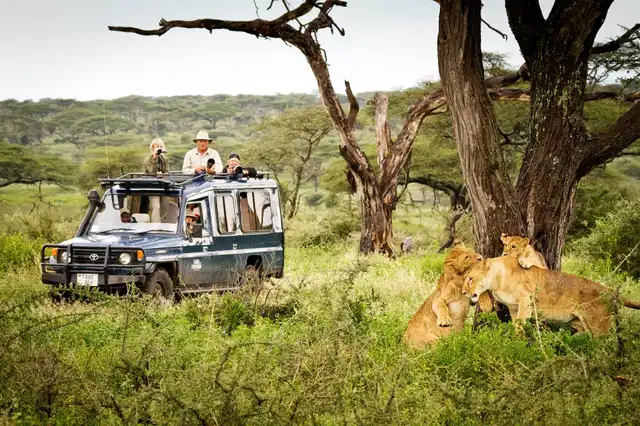
Best time to combine Rwanda gorilla safari with Serengeti safari is June–October or Jan–Feb, offering top wildlife viewing, smooth logistics, and rewarding experiences.
Combining Rwanda gorilla safari with Serengeti safari offers one of the most rewarding wildlife experiences in East Africa. This pairing allows travelers to witness two vastly different ecosystems dense mountain forests home to endangered gorillas and expansive savannahs teeming with lions, elephants, and migrating herds. In Rwanda’s Volcanoes National Park, guided treks take you deep into the forest to observe gorilla families in their natural habitat. The experience is intimate, conservation-focused, and physically engaging. Just a short flight away, the Serengeti opens up with wide landscapes and dramatic wildlife scenes, especially during the Great Migration or calving season. Together, these destinations deliver depth, variety, and unmatched biodiversity.
Planning this combination requires attention to timing, logistics, and permits. The dry seasons June to October or January to February offer the best conditions for both gorilla trekking and game viewing. Kigali serves as the gateway to Volcanoes National Park, while Kilimanjaro or Arusha connects you to the Serengeti via domestic flights. Choosing the right lodges and coordinating transfers ensures a smooth transition between countries. Whether you’re focused on photography, conservation, or simply seeing Africa’s most iconic wildlife up close, combining Rwanda gorilla safari with Serengeti safari creates a balanced itinerary that’s both practical and deeply memorable
Top Rwanda Gorilla Safari with Serengeti Safari
3 Days Gorilla Trekking Safari in Rwanda
3 Days Chimpanzee Trekking Safari in Nyungwe Forest, Rwanda
4 Days Nyungwe Forest National Park and Lake Kivu Safari
4 Days Golden monkeys And Gorilla Trekking Safari
5 Days Amboseli and Tsavo West Wildlife Safari
6 Days Mount Kilimanjaro Machame Route
8 Day Serengeti, Ngorongoro Crater and Zanzibar
Best Time to Combine Rwanda Gorilla Safari with Serengeti Safari
The Optimal Window June to October
June to October is the best time to combine a Rwanda safari with a Serengeti safari. In Rwanda’s Volcanoes National Park, this is the long dry season trails are firm, visibility is clear, and gorillas often stay at lower elevations, making trekking more manageable. During this same period, the Serengeti safari offers peak wildlife viewing as the Great Migration moves through the Western Corridor and heads toward the Mara River. River crossings and concentrated animal activity around water sources make sightings frequent and reliable. The weather is stable in both regions, with sunny days and cooler nights. This window gives travelers the strongest chance of successful gorilla tracking and dramatic wildlife scenes, making it ideal for combining a Rwanda safari with a Serengeti safari.
The Good Alternative January to February
January to February is a solid alternative for combining a Rwanda safari with a Serengeti safari. Rwanda experiences a short dry season with pleasant weather and good trekking conditions. Gorilla tracking remains productive, though the dry spell is shorter than mid-year. In the Serengeti, this is calving season in the southern plains and Ngorongoro area. Thousands of wildebeest give birth, attracting predators like lions and cheetahs, which leads to intense wildlife interactions. While you won’t see river crossings, the predator-prey dynamic is strong, especially for photographers. Occasional showers may occur, but they rarely disrupt activities. This period offers a different but equally rewarding way to pair a Rwanda safari with a Serengeti safari.
Times to Generally Avoid, March to May and November
March to May is the long rainy season and the least favorable time to combine a Rwanda safari with a Serengeti safari. In Rwanda, trails become slippery and visibility drops, making gorilla trekking difficult and less predictable. In the Serengeti, the migration is scattered and roads can be muddy or impassable, with some camps closing temporarily. November, the short rainy season, is also risky. Rainfall is inconsistent, and wildlife movements in the Serengeti are harder to track. While some travelers may still go during these months, the chances of disrupted plans and limited sightings are higher. For a premium experience, it’s best to avoid combining a Rwanda safari with a Serengeti safari during these wet periods.
How to get to Rwanda gorilla safari and Serengeti safari
To begin your Rwanda gorilla safari, fly into Kigali International Airport, which is well-connected to major hubs like Nairobi, Addis Ababa, and Doha. From Kigali, it’s a 2–3 hour drive to Volcanoes National Park, the base for gorilla trekking. Most travelers stay in nearby lodges in Musanze or Kinigi, which are close to the park headquarters where daily treks begin. Permits must be booked in advance, and guided treks are organized through licensed operators. The Rwanda gorilla safari experience is best planned with a local expert who can handle transport, permits, and accommodation to ensure smooth logistics and timely access to the gorilla families.
To reach your Serengeti safari, the most efficient route is to fly from Kigali to Kilimanjaro International Airport or Arusha Airport in Tanzania. From there, you can take a domestic flight to one of the Serengeti’s airstrip ssuch as Seronera, Kogatende, or Ndutu depending on the season and wildlife movement. Alternatively, overland transfers are possible but time-consuming. The Serengeti safari typically includes game drives, mobile camps, and visits to nearby areas like Ngorongoro Crater. Booking with a trusted operator helps coordinate flights, park fees, and lodge stays across both countries, making the transition from Rwanda gorilla safari to Serengeti safari smooth and rewarding
Top things do on Rwanda Gorilla safari
Top things to do on a Rwanda gorilla safari begin with the main highlight gorilla trekking in Volcanoes National Park. This park is home to around a third of the world’s remaining mountain gorillas, and guided treks allow you to spend one hour observing a habituated gorilla family in their natural habitat. The experience involves hiking through dense forest, listening for calls, and watching gorillas feed, groom, and interact. Permits are limited and must be booked in advance, but the effort is worth it. A Rwanda gorilla safari offers not just wildlife viewing but also insight into conservation, as your visit directly supports protection efforts and local communities.
Beyond gorilla trekking, a Rwanda gorilla safari can include a visit to the Dian Fossey Research Center and Karisoke Exhibit. Located near Volcanoes National Park, this site honors the legacy of the pioneering primatologist who dedicated her life to studying and protecting gorillas. You can hike to her tomb and former research station, gaining a deeper understanding of gorilla behavior and the challenges of conservation. This adds an educational layer to your Rwanda gorilla safari, making it more than just a wildlife experience it becomes a tribute to science, activism, and long-term ecological stewardship.
To round out your Rwanda gorilla safari, consider adding a cultural visit to Iby’Iwacu Cultural Village near Kinigi. This community-led initiative showcases traditional Rwandan music, dance, and crafts, and allows visitors to interact with locals in a respectful, engaging way. You’ll learn about pre-colonial hunting techniques, taste local food, and hear stories from former poachers who now work in conservation. Including this stop in your Rwanda gorilla safari adds human connection and context to the wildlife experience. It’s a practical way to support responsible tourism while gaining a fuller picture of Rwanda’s history, resilience, and community-driven conservation efforts
Best things to do on Serengeti safari
The best things to do on a Serengeti safari start with classic game drives, which offer unmatched access to Tanzania’s most diverse wildlife. Whether you're in the central Seronera region or the remote northern corridor, game drives reveal lions, elephants, cheetahs, giraffes, and hundreds of bird species. Morning and late afternoon drives are ideal for spotting predators and grazing herds. Guides use radio calls and tracking skills to locate animals efficiently, making each drive productive and engaging. A Serengeti safari is built around these drives, and they remain the most practical way to cover ground and witness the park’s rich ecosystem.
Another top activity during a Serengeti safari is witnessing the Great Migration, especially if timed between June and October. This is when over two million wildebeest and zebra move across the plains, often crossing rivers filled with crocodiles. The drama of these crossings, particularly at the Mara River, is one of Africa’s most intense wildlife spectacles. In contrast, the calving season from January to February in the southern Serengeti offers predator-rich scenes as newborns attract lions and cheetahs. Whether you choose the river crossings or calving season, the migration adds a dynamic layer to your Serengeti safari that few other parks can match.
To round out your Serengeti safari, consider a hot air balloon ride at sunrise. Floating above the plains offers a quiet, panoramic view of the landscape and wildlife below. It’s a peaceful contrast to the bumpy game drives and gives you a broader sense of the park’s scale. Other enriching activities include visiting a Maasai village to learn about local culture, hiking Naabi Hill for sweeping views, or stopping at the Serengeti Hippo Pool to watch dozens of hippos interact. These add-ons make your Serengeti safari more than just a wildlife checklist—they turn it into a well-rounded experience that blends nature, culture, and adventure.
Top tips for combining Rwanda gorilla safari and Serengeti tour
Combining a Rwanda gorilla safari with a Serengeti tour requires smart planning to align logistics, permits, and seasonal wildlife highlights. Start by choosing the right time June to October is ideal for both gorilla trekking and witnessing the Great Migration in northern Serengeti. Book your gorilla permits early, as they are limited and sell out fast. Use Kigali International Airport as your entry point for Rwanda, and plan at least two nights near Volcanoes National Park to allow for acclimatization and early trek starts. After your Rwanda safari, fly to Kilimanjaro or Arusha, then connect to Serengeti via domestic flights to airstrips like Seronera or Kogatende. This route minimizes overland travel and maximizes time in the parks.
Choose lodges that specialize in multi-country itineraries and can coordinate transfers, guides, and park fees across borders. A trusted operator will help you avoid delays and ensure smooth handovers between your Rwanda gorilla safari and Serengeti tour. Pack for varied climates—cool, damp forest conditions in Rwanda and dry, open savannah in Tanzania. Health-wise, ensure you're fit for forest trekking and bring essentials like insect repellent and layered clothing. By syncing your travel dates with wildlife movements and securing logistics early, you’ll enjoy a seamless, high-impact safari experience across two of East Africa’s most rewarding destinations
Top places to stay during Rwanda gorilla safari and Serengeti safari
During a Rwanda gorilla safari, top places to stay near Volcanoes National Park include Bisate Lodge, known for its eco-conscious design and proximity to gorilla trekking routes. Its hillside villas offer views of the Virunga volcanoes and easy access to the park headquarters. Another strong option is Sabyinyo Silverback Lodge, located at the base of the park with spacious cottages and personalized service. Mountain Gorilla View Lodge provides a more relaxed setting with large rooms and quick access to trekking points. These lodges are positioned to minimize travel time on trekking days and offer comfort, local cuisine, and warm hospitality all essential after a day in the forest.
During a Serengeti safari, accommodation depends on the season and wildlife movement. In the central region, Four Seasons Safari Lodge Serengeti offers elevated views, a waterhole, and full-service luxury. For migration-focused stays, Lamai Serengeti in the north is ideal from July to October, with panoramic views and access to the Mara River crossings. In the south, Ndutu Safari Lodge is well-placed for calving season from January to February. Mobile camps like Serengeti Safari Camp follow the migration and offer flexible positioning. These options provide strong wildlife access, comfort, and expert guiding, making your Serengeti safari both productive and relaxing
Why book Rwanda gorilla safari and Serengeti safari wit Lamz Tours and Travel
Booking a Rwanda gorilla safari and Serengeti safari with Lamz Tours and Travel ensures a seamless, well-coordinated experience across two of East Africa’s most rewarding destinations. Our team specializes in multi-country itineraries, handling everything from gorilla permits and domestic flights to lodge bookings and guided game drives. With Lamz Tours and Travel, you’ll trek mountain gorillas in Volcanoes National Park and witness the Great Migration or predator-rich calving season in the Serengeti all timed to match peak wildlife activity. Our expert guides offer deep local knowledge, and their logistics team ensures smooth transitions between Rwanda and Tanzania. By choosing Lamz Tours and Travel, you gain reliability, personalized service, and a travel plan that maximizes your time and wildlife viewing across both the Rwanda gorilla safari and Serengeti safari
Ready to plan your safari?
Talk to a Lamz Tours specialist and get a tailor-made quote.
Make an enquiry