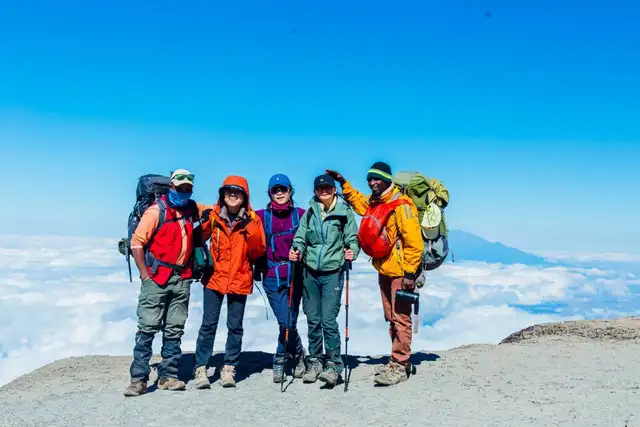
A Tanzania Safari that only focuses on the northern circuit misses the mountain that defines the country's skyline. Hidden within Kilimanjaro National Park are two distinct dry seasons and two wet seasons, each creating dramatically different conditions on the trail.
On a Tanzania Safari, understanding these seasonal windows—from the clear, cold days of July to September to the warmer, quieter months of January and February—shows you that your summit success depends as much on timing as on fitness. Whether you choose the popular Machame or the highly successful Lemosho, your travel dates add strategy to your adventure. Many Tanzania Safari itineraries now include a Kilimanjaro extension, proving that the country's appeal goes far beyond the savannah.
Popular Lamz Tours and Travel Tanzania Safari Packages
7 Day Climbing Kilimanjaro via the Machame Route
8 days kilimanjaro Climbing Safari Lemosho Route Mount
5 Days Kilimanjaro climb via Marangu route
8 Days Ultimate Kilimanjaro safari summit Machame route
10-Days Best Tanzania Wildlife Safari & Hiking Kilimanjaro Marangu Route
7 Days Climbing Kilimanjaro Safari and Nakuru Kenya Safari
5 Days Tanzania Nyerere Park and Zanzibar beach holidays combined safari
Best Time of Year to Climb Mount Kilimanjaro
Tanzania Safari: The Two Dry Seasons — Best Climbing Windows
On a Tanzania Safari, Kilimanjaro has two dry seasons that offer the best climbing conditions. The long dry season runs from mid-June to October, with clear skies, dry trails, and excellent visibility. The short dry season runs from January to mid-March, offering warmer temperatures and fewer crowds.
The mountain can be climbed year-round, but the dry seasons provide the most stable conditions and the highest summit success rates. The short dry season is often described as the "hidden gem" of Kilimanjaro climbing, with warmer days and noticeably fewer people than the peak months.
Tanzania Safari: June to October — The Long Dry Season
On a Tanzania Safari, June through October is the primary climbing season. The long rains end in late May, leaving trails in excellent condition. June brings crisp, clear mornings, and the weather remains stable through October.
July and August are the busiest months on the mountain, with dry trails, sharp visibility, and clear summit mornings. However, these months are also the coldest at altitude, with summit nights regularly at -20°C to -25°C. September is widely considered the sweet spot, with temperatures recovering from the July-August lows while visibility stays excellent and crowds ease noticeably.
October is the last full month of the dry season and offers good value, with warmer temperatures and lighter crowds than peak season.
Tanzania Safari: January to Mid-March — The Short Dry Season
On a Tanzania Safari, January to mid-March is the second dry season and is warmer than the long dry season. The weather at the beginning of the year is generally warm and dry, with clear skies and sensational views.
This season is quieter than June to October, making it ideal for climbers who prefer fewer crowds. January and February are often recommended as the best months overall for a balance of weather, quiet, and price. You may see a dusting of fresh snow near the summit, which makes for spectacular photographs.
Tanzania Safari: April to May — The Long Rains
On a Tanzania Safari, April and May are the long rainy season and are not recommended for climbing. The trails become muddy and slippery, visibility is poor, and summit success rates drop significantly.
The one upside is solitude—you may go hours without seeing other groups. Some experienced climbers deliberately target late May for quieter trails and lower prices, but this demands full waterproof kit and a flexible mindset.
Tanzania Safari: November — The Short Rains
On a Tanzania Safari, November brings the short rainy season, with afternoon showers and lower cloud on most days. The first half of November often sees afternoon thundershowers, though mornings can be reasonable.
Experienced climbers who move efficiently can have genuinely excellent November climbs on quieter trails and sometimes at reduced prices. First-timers hoping for wall-to-wall clear skies should aim for a drier month instead.
Tanzania Safari: December — Transitional and Festive
On a Tanzania Safari, December opens with the tail of the short rains, so conditions are unpredictable early in the month. From mid-December, the weather usually improves, and the festive season brings a special atmosphere.
The real challenge is logistics: flights, hotels, and operators fill quickly for Christmas and New Year. Book much earlier than you think you need to.
Tanzania Safari: The Full Moon Experience
On a Tanzania Safari, a very special time to climb Kilimanjaro is to coincide with a full moon on summit day. The final push to the top begins at about midnight, and the light from the full moon means you can do this part of the trek without the use of head torches. The summit and its glaciers are illuminated by the moonlight, making it a breathtaking sight.
This is a very popular excursion, so book well in advance.
Tanzania Safari: Why Days Matter More Than Months
On a Tanzania Safari, the honest truth is that the number of days you spend on the mountain matters more than the month you choose. An eight-day Lemosho climb in a "wrong" month will beat a rushed five-day climb in perfect July weather, every time.
The industry-wide average summit success rate sits around 65%, dragged down not by weather but by short itineraries and budget operators cutting corners on acclimatization. Choose your days first, then choose your month
Why Book with Lamz Tours and Travel for Tanzania Safari and Kilimanjaro
Booking your Tanzania Safari with Lamz Tours and Travel ensures your Kilimanjaro climb is seamless and unforgettable. Lamz Tours and Travel operates across multiple African countries, including Tanzania, Kenya, Uganda, Rwanda, Morocco, South Africa, Botswana, and Namibia. Our local guides know every route on the mountain—from the Marangu huts to the Lemosho rainforest to the Northern Circuit's remote slopes. We handle everything, including park fees, route selection, mountain crew arrangements, airport transfers, and pre-climb accommodation. You focus on the summit. We handle everything else.
Ready to plan your safari?
Talk to a Lamz Tours specialist and get a tailor-made quote.
Make an enquiry