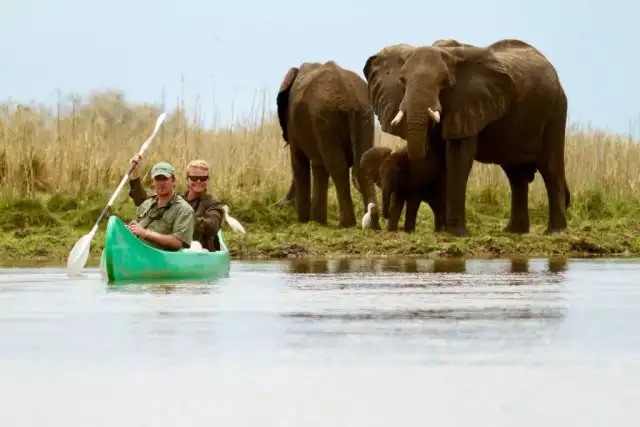
The best time for Zambia wildlife safaris is during the dry season, from July to October. This period offers optimal wildlife viewing as animals, including elephants, lions, and buffalo, congregate around water sources, making them easier to spot. The vegetation thins out, enhancing visibility, and the cooler temperatures allow for comfortable game drives. The dry weather ensures that roads are accessible, facilitating travel between parks like South Luangwa and Lower Zambezi. The peak of the dry season also coincides with the birth of many young animals, providing unique opportunities to witness these new additions in the wild.
Suggested Zambia wildlife safaris
3-days-luxury-victoria-falls-zambia-tour
3-days-kafue-national-park-best-zambia-trip-tour-package
3-days-southern-luangwa-national-park-zambia-wildlife-safari
4-days-lower-zambezi-safari-and-canoeing-safari-itinerary
6-days-best-zambia-wildlife-safari-tour-itinerary
6-days-victoria-falls-zambia-best-national-parks-tour-package
7-day-zimbabwe-safari-and-zambia-safari-tour-package-combo
11-days-best-zambia-safari-tour-from-victoria-falls-town-zimbabwe
12-days-zambia-family-safari-package-itinerary
Best time for Victoria Falls tour
The best time to visit Victoria Falls varies based on your interests. May to October is ideal for viewing, as the water flow is lower, providing clearer views of the falls and rock formations. The weather during this dry season is mild and comfortable, perfect for outdoor activities like white-water rafting and helicopter tours.
Conversely, the wet season from November to April offers a different experience. March and April are particularly stunning, showcasing the falls at their fullest, although the mist can obscure views. This season also brings lush landscapes and enhances wildlife viewing opportunities.
In summary, visit from May to October for clear photography and comfortable weather, or from March to April for breathtaking water flow and vibrant scenery. Your choice will depend on whether you prioritize visibility, adventure, or wildlife experiences.
Dry Season is best time (peak season for Zambia Wildlife Safaris)
The dry season, spanning from May to October, is the prime time for Zambia wildlife safaris. During these months, the landscape transforms as the vegetation thins out due to less rainfall, making it easier to spot wildlife. Animals congregate around waterholes and rivers, providing excellent opportunities for viewing. Iconic parks such as South Luangwa and Lower Zambezi become hotspots for safari-goers eager to witness the Big Five—lion, elephant, buffalo, leopard, and even the elusive African wild dog—in their natural habitat.
Temperatures during the dry season are generally warm, with daytime highs reaching around 30°C (86°F) and cooler nights dropping to about 10°C (50°F). The lack of rain ensures that safari roads are accessible, allowing visitors to explore various areas without difficulty. Game drives are particularly rewarding, especially during early morning and late afternoon when animals are most active. Walking safaris, a hallmark of the South Luangwa region, offer a unique and intimate way to experience the ecosystem, guided by knowledgeable local experts. Bird watching also flourishes, as resident species and migratory birds can be spotted. For those seeking an unforgettable experience, the dry season is undoubtedly the ideal time for Zambia wildlife safaris.
Benefits of travelling for Zambia wildlife safaris in Peak season
Traveling to Zambia for wildlife safaris during the peak season (May to October) offers numerous benefits. You'll enjoy optimal wildlife viewing as animals congregate around water sources. The dry weather enhances visibility, making it easier to spot game. Additionally, professional guides are readily available, and the parks are well-maintained, ensuring a richer and more immersive safari experience.
Optimal Wildlife Viewing
Traveling for Zambia wildlife safaris during the peak season (July to October) significantly enhances wildlife viewing opportunities. During this dry period, animals gather around waterholes and rivers, making them easier to spot. Safaris in iconic parks like South Luangwa and Lower Zambezi offer exceptional chances to observe the Big Five—lion, elephant, buffalo, leopard, and rhinoceros—in their natural habitat. The concentration of wildlife near water sources also increases the likelihood of exciting interactions, such as predator-prey dynamics. This accessibility to diverse species makes the peak season the ideal time for unforgettable wildlife encounters.
Accessible Safari Routes
One of the key benefits of planning Zambia wildlife safaris during the peak season is the accessibility of safari routes. The dry weather allows roads to remain well-maintained and passable, ensuring smooth travel between different parks and reserves. This accessibility enables visitors to explore a variety of landscapes and ecosystems without the challenges posed by muddy or flooded paths, which can occur during the wet season. Consequently, travelers can maximize their safari experience, visiting multiple locations in a single trip. This ease of movement enhances the overall enjoyment and efficiency of wildlife exploration.
Ideal Weather Conditions
The peak season for Zambia wildlife safaris offers ideal weather conditions that contribute to a comfortable and enjoyable experience. Daytime temperatures typically range from 25°C to 30°C (77°F to 86°F), creating warm but pleasant weather for outdoor activities. Cooler nights provide comfortable sleeping conditions in lodges and tents, allowing travelers to rest well after exciting days of wildlife exploration. The clear skies and ample sunshine also enhance visibility for spotting animals and capturing stunning photographs. Overall, the favorable climate during peak season significantly enriches the safari experience.
Active Wildlife
During Zambia wildlife safaris in the peak season, animals are notably more active, especially during the cooler hours of the day. Early mornings and late afternoons present the best opportunities for wildlife sightings, as animals venture out to feed and interact. This increased activity enhances the chances of witnessing thrilling behaviors, such as hunting, mating, and social interactions within herds. Additionally, the dry season allows for better visibility as foliage thins, making it easier to spot animals. This dynamic interaction with wildlife creates memorable moments that define the safari experience.
Guided Walking Safaris
The peak season for Zambia wildlife safaris often includes guided walking safaris, which offer a unique and immersive way to experience the wilderness. Accompanied by knowledgeable local guides, travelers can explore the environment on foot, gaining insights into animal behavior, tracks, and plant life. Walking safaris allow for a deeper connection with nature, as participants can observe smaller wildlife and learn about the ecosystem's intricacies that are often overlooked on vehicle safaris. This intimate experience fosters a greater appreciation for Zambia's rich biodiversity and enhances the overall safari adventure.
Bird watching Opportunities
Bird watching during Zambia wildlife safaris in the peak season is a rewarding experience, as many species are highly active and visible. The dry season attracts numerous resident birds, while migratory species make their way to the region, adding diversity to the avian population. Observing colorful birds like the African fish eagle, lilac-breasted roller, and various weavers becomes easier, thanks to the thinner foliage. This abundance of birdlife offers unique photographic opportunities and enriches the overall safari experience. For avid birdwatchers, the peak season provides an excellent chance to spot rare and fascinating species in their natural habitats.
Cultural Experiences
Zambia wildlife safaris during the peak season often include enriching cultural experiences that deepen travelers' understanding of the region. Many lodges and safari operators offer activities such as village visits, traditional dance performances, and interactions with local communities. These experiences provide insights into the customs, traditions, and daily lives of indigenous peoples, fostering a connection between travelers and the local culture. Engaging with the community enhances the safari experience by highlighting the symbiotic relationship between wildlife and human inhabitants. This cultural immersion adds a unique dimension to the adventure, making it both educational and memorable.
Variety of Accommodations
One significant advantage of planning Zambia wildlife safaris during the peak season is the variety of accommodation options available. Travelers can choose from a range of lodges and camps, catering to different preferences and budgets. From luxury safari lodges with stunning views and high-end amenities to more rustic and budget-friendly camps, there is something for everyone. This diverse selection allows guests to tailor their experience according to their needs, ensuring comfort and satisfaction throughout their stay. The abundance of choices enhances the overall safari experience, providing the perfect base for exploring Zambia's remarkable wildlife.
Social Atmosphere
The peak season for Zambia wildlife safaris fosters a vibrant social atmosphere, as many travelers visit the region during this time. Lodges and camps are often bustling with fellow safari enthusiasts, creating opportunities for meaningful interactions and shared experiences. Guests can exchange stories, tips, and observations about wildlife sightings, enhancing the overall enjoyment of the trip. This communal environment adds a layer of camaraderie, making the safari experience more engaging and memorable. For those who appreciate connecting with like-minded individuals, the social atmosphere during peak season enriches the adventure and creates lasting friendships.
Photographic Opportunities
Traveling to Zambia for wildlife safaris during the peak season provides exceptional photographic opportunities. The clear skies and vibrant landscapes create ideal conditions for capturing stunning images of wildlife and scenery. With animals more active in the cooler hours, photographers can take advantage of the golden light during sunrise and sunset to enhance their shots. The abundance of wildlife near water sources adds dramatic elements to photos, showcasing natural interactions and behaviors. Whether capturing the majesty of elephants at a watering hole or the intricate details of birds in flight, the peak season offers a photographer's paradise.
Disadvantages of travelling for Zambia wildlife safaris in Peak season
Traveling to Zambia for wildlife safaris in peak season can have disadvantages. Higher demand leads to increased prices for accommodation and tours. Popular parks may feel crowded, reducing the sense of exclusivity. Wildlife can become more habituated to vehicles, affecting natural behavior. Additionally, booking in advance is essential, limiting spontaneous travel options and flexibility during your trip.
1. Higher Costs
Traveling for Zambia wildlife safaris during the peak season often comes with increased costs. Lodges, camps, and tour operators typically raise their prices to accommodate the higher demand for safari experiences. This can make it more challenging for budget-conscious travelers to find affordable options. Additionally, flights and transportation costs may also rise during this busy period, impacting overall trip expenses. Travelers seeking a more economical adventure may find that visiting during the shoulder or low seasons offers better rates and value for money.
2. Crowded Parks and Lodges
During the peak season, Zambia's popular national parks can become crowded with tourists. This influx can lead to busy game drives, where multiple vehicles converge on the same sighting, potentially disrupting the wildlife experience. The presence of many visitors may diminish the sense of solitude and connection with nature that many travelers seek. Additionally, accommodations may be fully booked, limiting options for last-minute travelers and reducing the overall enjoyment of the safari experience.
3. Limited Availability
As the peak season attracts a high number of visitors, availability for accommodations and guided tours can become limited. Popular lodges and safari camps often book up months in advance, leaving travelers with fewer options or forcing them to compromise on their preferred choices. This can be particularly challenging for those planning a last-minute trip or seeking specific experiences. Early planning is essential, but even then, popular spots can be fully booked, leading to disappointment.
4. Wildlife Behavior Changes
While the dry season typically offers excellent wildlife viewing opportunities, the increased human presence can impact animal behavior. Animals may become more elusive or cautious due to the noise and activity associated with many safari vehicles. This could make it more challenging to witness certain behaviors or interactions. Additionally, with more vehicles in the area, wildlife may alter their usual routines, affecting the overall experience for travelers hoping to see specific animals.
5. Heat and Sun Exposure
Traveling during the peak season often means dealing with warmer temperatures and prolonged sun exposure. While daytime temperatures can be pleasant, they can also become quite hot, especially during midday. This may lead to discomfort for travelers, particularly those unaccustomed to the heat. Adequate hydration, sun protection, and appropriate clothing are essential, but some may still find the conditions challenging. Additionally, wildlife activity tends to slow down during the hottest parts of the day, limiting opportunities for sightings.
6. Potential for Dust and Allergies
The dry conditions of the peak season can lead to dusty environments, particularly in heavily trafficked areas. This dust can be a nuisance during game drives, potentially causing discomfort for travelers with respiratory issues or allergies. While dust is a part of the safari experience, it can detract from the enjoyment of the trip for some. Travelers sensitive to dust may need to take precautions, such as bringing masks or medications, to mitigate the impact on their experience.
7. Limited Flexibility
With the high demand for Zambia wildlife safaris during the peak season, travelers may experience limited flexibility in their itineraries. Many lodges have fixed schedules for activities, and changes may not be easily accommodated. This rigidity can be frustrating for those who prefer spontaneous adventures or wish to adjust their plans based on wildlife sightings or other factors. The structured nature of peak season travel may not suit all travelers, particularly those looking for a more relaxed safari experience.
8. Increased Competition for Guides
The influx of visitors during peak season can lead to increased competition for experienced safari guides. While many guides are knowledgeable and skilled, travelers may not always get the personalized attention or insights they desire. Larger groups may mean that guides have less time to engage with each individual, potentially reducing the quality of the safari experience. For those seeking a more intimate connection with their guide and a deeper understanding of the ecosystem, this can be a drawback of traveling during peak season.
Wet Season (Lowe season for Zambia Wildlife Safaris)
The wet season in Zambia, from November to April, presents a different but equally captivating experience for wildlife safaris. While the rains can make some areas less accessible, they rejuvenate the landscape, leading to lush greenery and vibrant flora. This season marks the birthing period for many species, providing thrilling opportunities to witness young animals, such as baby elephants and antelope, exploring their environment. Predators, including lions and leopards, can often be seen with their cubs as they learn to navigate the wild.
Despite the challenges of spotting wildlife due to denser foliage, the wet season is a paradise for birdwatchers. Migratory birds, such as the European bee-eater and the African fish eagle, flock to Zambia, adding bursts of color and song to the scenery. Additionally, the rivers and lakes brim with life, creating stunning backdrops for photography. Temperatures are typically warm, often exceeding 30°C (86°F), with humidity rising as the rains begin. For adventurous travelers willing to embrace the unpredictability of the weather, the wet season offers a unique perspective on Zambia’s wildlife. This time fosters an intimate connection with nature, showcasing the resilience and beauty of the African wilderness, making it a special season for those who seek a different safari experience.
Benefits of travelling for Zambia Wildlife Safaris in low season
Traveling to Zambia for wildlife safaris in low season (November to April) offers several advantages. You'll encounter fewer tourists, providing a more intimate experience with nature. Prices for accommodations and tours are generally lower, making it more budget-friendly. The lush landscapes enhance photography opportunities, and wildlife is often more active during cooler, wetter conditions, resulting in unique sightings.
1. Lower Costs
Traveling for Zambia wildlife safaris during the low season (typically November to April) often results in significantly lower costs. Accommodations, tours, and even flights are generally more affordable, making it easier for budget-conscious travelers to enjoy the experience. This reduced pricing allows visitors to get more value for their money, enabling them to extend their trips or upgrade their accommodations without breaking the bank.
2. Fewer Crowds
One of the primary advantages of traveling during the low season for Zambia wildlife safaris is the reduced number of tourists in the national parks. With fewer vehicles on game drives, travelers can enjoy a more intimate experience with nature. This tranquility enhances wildlife viewing, allowing for closer interactions and a greater sense of solitude. The peaceful environment is ideal for those seeking a more personal and reflective safari experience.
3. Unique Wildlife Experiences
The low season offers unique wildlife viewing opportunities that differ from the dry season. Many animals give birth during this time, providing thrilling chances to see young animals, such as baby elephants and antelope. Additionally, migratory birds flock to the region, making it a paradise for birdwatchers. Observing these life cycles can create unforgettable memories and enrich the overall Zambia wildlife safaris experience.
4. Lush Landscapes
Traveling during the low season means experiencing Zambia's landscapes in their lush, vibrant state. The rains rejuvenate the environment, resulting in beautiful greenery and blooming flora. This scenic beauty enhances the overall experience of Zambia wildlife safaris, providing stunning backdrops for photography and wildlife encounters. The rich colors of the landscape contrast beautifully with the wildlife, creating picturesque settings.
5. Flexible Itineraries
With fewer tourists during the low season, travelers often enjoy greater flexibility in their itineraries for Zambia wildlife safaris. Lodges and tour operators can accommodate last-minute changes and personal requests more easily. This flexibility allows visitors to tailor their experiences based on wildlife sightings or personal preferences, enhancing the overall enjoyment of the safari.
6. Enhanced Guide Interaction
The low season often means smaller group sizes on game drives for Zambia wildlife safaris, allowing for more personalized attention from guides. Travelers can engage more deeply with their guides, asking questions and gaining insights into the local ecosystem. This interaction fosters a richer educational experience, as guides can share their knowledge and passion for wildlife in a more intimate setting.
7. Unique Atmospheric Conditions
The low season offers unique atmospheric conditions that can enhance the Zambia wildlife safaris experience. The dramatic skies and rain-soaked landscapes create a different ambiance, often leading to stunning sunsets and vibrant rainbows. These conditions provide excellent photographic opportunities, allowing travelers to capture the beauty of the African wilderness in a new light.
8. Wildlife Behavior Insights
Traveling during the low season can offer unique insights into wildlife behavior during Zambia wildlife safaris. The presence of young animals and the abundance of vegetation create different dynamics among species. Observing these interactions can provide a deeper understanding of animal behaviors and social structures, enriching the educational aspect of the safari experience.
9. Support for Conservation Efforts
Visiting during the low season for Zambia wildlife safaris can be beneficial for local conservation efforts. Fewer tourists during this period help distribute visitor numbers more evenly throughout the year, reducing pressure on the environment and wildlife. This sustainable approach supports the local economy and conservation initiatives, ensuring that Zambia’s natural treasures are preserved for future generations.
10. Special Promotions and Packages
During the low season, many lodges and tour operators offer special promotions and packages to attract visitors for Zambia wildlife safaris. These deals can include discounts on accommodations, complimentary activities, or added value services. Taking advantage of these promotions allows travelers to enhance their safari experience while enjoying significant savings.
Disadvantages of travelling for Zambia Wildlife Safaris
Traveling for Zambia wildlife safaris can have some disadvantages. Accessibility may be limited during the rainy season, affecting road conditions and leading to fewer available routes. Wildlife sightings can be less predictable, as animals may disperse in search of food and water. Additionally, some lodges and camps may close during low season, reducing accommodation options for travelers.
1. Higher Costs in Peak Season
While the low season offers affordability, traveling for Zambia wildlife safaris during the peak season can be quite expensive. Lodges and tour operators often increase their prices to accommodate the influx of tourists. This can make it challenging for budget-conscious travelers to find affordable options, limiting accessibility to some of the best safari experiences.
2. Crowded Parks and Lodges
During the peak season, Zambia's popular national parks can become quite crowded. This influx of visitors can lead to busy game drives, where multiple vehicles converge on the same sighting, potentially disrupting the wildlife experience. The presence of many tourists may diminish the sense of solitude and connection with nature that many travelers seek.
3. Limited Wildlife Viewing During the Wet Season
While the wet season brings lush landscapes, it can also make wildlife viewing more challenging. The dense vegetation can obscure animals, making them harder to spot. Additionally, some areas may become less accessible due to muddy roads, limiting the ability to explore various parks and reserves effectively.
4. Inconsistent Weather
Traveling during the wet season can mean dealing with unpredictable weather conditions. Rainfall can vary significantly, leading to sudden downpours that may disrupt planned activities. While these rains are essential for the ecosystem, they can also cause discomfort and impact the overall safari experience.
5. Potential for Insect Bites
The wet season often brings an increase in insects, including mosquitoes. Travelers may need to take precautions to avoid bites and the potential for malaria or other insect-borne diseases. This can require additional planning and the use of repellents, which some may find inconvenient.
6. Limited Availability of Accommodations
During peak travel times, popular lodges and camps can book up quickly, limiting options for last-minute travelers. This can be particularly frustrating for those who prefer spontaneity or wish to adjust their plans based on wildlife sightings. Early planning is essential, but even then, availability can be a concern.
7. Wildlife Behavior Changes
The presence of many tourists during peak season can affect animal behavior. Increased human activity may cause animals to become more elusive or cautious, making it harder to observe certain species. This can diminish the quality of wildlife viewing experiences for travelers.
8. Physical Challenges
Traveling for Zambia wildlife safaris can involve physical challenges, especially during walking safaris or rugged game drives. Uneven terrain and hot conditions may not be suitable for everyone, particularly those with mobility issues or health concerns. It's important for travelers to assess their physical capabilities before embarking on a safari.
9. Limited Connectivity
Many safari lodges are located in remote areas with limited access to Wi-Fi and cellular networks. While this can enhance the sense of adventure and immersion in nature, it may also pose challenges for travelers who wish to stay connected or require access to information during their trip.
10. Environmental Impact
Increased tourism can have negative environmental impacts, including habitat degradation and pollution. While many lodges and operators promote sustainable practices, the sheer volume of visitors during peak season can strain local ecosystems. Travelers should be mindful of their environmental footprint and support conservation efforts to mitigate these impacts.
Booking Zambia wildlife safaris with Lamz Tours and Travel
Booking Zambia wildlife safaris with Lamz Tours and Travel ensures a tailored and unforgettable experience. Their expert guides provide in-depth knowledge of the region's wildlife and ecosystems. With a focus on sustainable tourism, Lamz Tours and Travel offers diverse packages that cater to various preferences and budgets. Enjoy personalized itineraries, comfortable accommodations, and the opportunity to explore Zambia's stunning national parks and reserves.
Ready to plan your safari?
Talk to a Lamz Tours specialist and get a tailor-made quote.
Make an enquiry