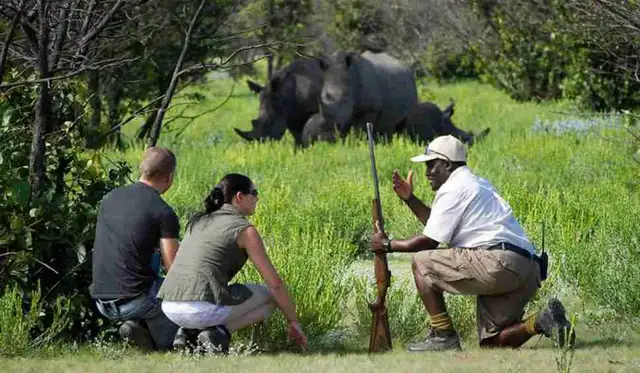
Experience the best time for Uganda safaris month by month, from gorilla trekking in Bwindi and chimpanzee habituation in Kibale to the dramatic river crossings in Kidepo and bird watching along the Nile.
Uganda, the "Pearl of Africa," is a breathtakingly diverse safari destination, offering everything from misty montane forests teeming with primates to vast savannah plains and the source of the Nile. A Uganda safari is a journey into the heart of East Africa's wildest and greenest landscapes. Choosing the right month for your Uganda safari makes a tremendous difference in what you will see and experience, from trekking endangered mountain gorillas to witnessing the majestic tree-climbing lions of Ishasha and rafting the mighty White Nile.
Popular Uganda Safari Packages
Best Time for Uganda Safaris Month by Month
1. January: Dry Season Prime & Gorilla Trekking Peak
January is one of the best months for a Uganda safari, sitting firmly within the dry season. The trails in Bwindi Impenetrable Forest and Mgahinga Gorilla National Park are drier and less slippery, making gorilla trekking significantly easier and more enjoyable. The vegetation is also less dense, improving visibility for spotting these magnificent primates. This is also an excellent time for chimpanzee trekking in Kibale Forest National Park. On a Uganda safari in January, the savannah parks like Queen Elizabeth, Murchison Falls, and Kidepo Valley are lush from the short rains, with wildlife concentrated around water sources. Expect clear skies, warm temperatures, and excellent wildlife viewing across the country. However, this is peak tourist season, so book your permits and accommodations well in advance.
2. February: Peak Dry Conditions & Predator Action
February continues the peak dry season, offering exceptional conditions for a Uganda safari. The weather is hot and dry, particularly in the northern parks like Kidepo Valley, where it can reach up to 35°C. In Bwindi, the trails remain firm and accessible, and the chance of rain disrupting your gorilla trek is low. Wildlife viewing is fantastic in Queen Elizabeth National Park, where you can spot lions, leopards, and elephants congregating around the Kazinga Channel. The Ishasha sector is famous for its tree-climbing lions, and February is a great time to see them as they lounge in the fig trees. For travellers seeking premium dry-season conditions and are prepared for peak crowds and prices, February is an outstanding month for a Uganda safari.
3. March: Shoulder Season & Lush Landscapes
March is a transitional shoulder month on a Uganda safari, marking the shift from the dry season to the long rains. The weather is still mostly dry in the first half of the month, but afternoon showers begin to increase as March progresses. The landscapes are incredibly lush and green, offering spectacular scenery for photography. On a Uganda safari in March, gorilla trekking is still very good, though trails can become muddier towards the end of the month. The birdlife is exceptional, as many resident bird species are in full breeding plumage and migratory birds are still present. Crowds begin to thin out, and lodge prices start to drop. For travellers seeking beautiful green landscapes and value, March is an excellent choice.
4. April: The Long Rains & Budget-Friendly Serenity
A unique perspective on a Uganda safari comes in April, the heart of the long rainy season. On a Uganda safari in April, heavy downpours are common, especially in the afternoon, and trails in the rainforests of Bwindi and Kibale can become muddy and slippery. Gorilla trekking is still possible, but it is more challenging and requires a good level of fitness. However, the landscapes are at their most breathtakingly beautiful: vibrant green, lush, and teeming with life. April offers the lowest rates of the year, with significant discounts on accommodation and a reduced number of visitors. For budget travellers who do not mind rain and challenging trails, April offers a serene and unique Uganda safari.
5. May: Transitioning Rains & Hidden Gems
May is another wet month on a Uganda safari, but it marks the transition as the long rains begin to subside. On a Uganda safari in May, the landscape remains exceptionally green and beautiful. Gorilla trekking is still challenging due to muddy conditions, but the experience is more intimate as fewer tourists are in the parks. The bird watching is superb, with migratory species still present. This is also an excellent time to visit the less crowded savannah parks like Kidepo Valley, which offers incredible drama with its large herds of buffalo and elephants against a stark, beautiful landscape. For adventurous travellers seeking solitude and lower prices, May is a hidden treasure for a Uganda safari.
6. June: Start of the Dry Season & Easy Trekking
Many experienced travellers consider June the start of the best time for a Uganda safari. The long rains have typically ended, and the dry season begins. On a Uganda safari in June, the trails in Bwindi and Mgahinga start to dry out significantly, making gorilla and chimpanzee trekking much easier. Visibility in the forests improves as the vegetation begins to thin. The savannah parks are in excellent condition, with wildlife concentrated around permanent water sources. The weather is pleasant, with sunny days and cool nights. Crowds are still relatively low, as the peak season hasn't fully begun. For travellers seeking good weather and wildlife viewing before the peak crowds, June is an ideal month for a Uganda safari.
7. July: Peak Dry Season & Wildlife Spectacle
July is the start of the peak dry season and a fantastic month for a Uganda safari. On a Uganda safari in July, the weather is consistently dry, sunny, and comfortable across the country. Gorilla trekking in Bwindi and Mgahinga is at its prime, with clear trails and excellent conditions for viewing and photography. This is also the best time for a Uganda safari in Kidepo Valley National Park, where the wildlife is heavily concentrated around the few remaining water sources, creating dramatic and high-density game viewing. The Murchison Falls are at their most spectacular as the Nile River surges through the narrow gorge. Crowds increase, particularly in Bwindi and Queen Elizabeth, so advance booking is essential.
8. August: Peak Season with Primate Encounters
August is the most popular month for a Uganda safari, and for good reason. On a Uganda safari in August, the dry season is in full swing, offering near-perfect trekking conditions in all the rainforest parks. Gorilla permits are in high demand, and the number of trekkers in Bwindi is at its peak. Chimpanzee habituation experiences in Kibale are also excellent during this time. The wildlife viewing in Queen Elizabeth and Murchison Falls is outstanding, and the boat safaris along the Kazinga Channel and the Nile are unmissable. The main drawbacks are the crowds and premium prices. For travellers willing to plan far in advance, August offers the most accessible and reliable Uganda safari experience.
9. September: Peak Conditions with Slightly Fewer Crowds
September offers another exceptional window for a Uganda safari, with the dry season continuing. On a Uganda safari in September, the weather remains perfect: dry, sunny, and ideal for all activities. The crowds begin to thin slightly compared to August, as many European and North American travellers return home. This makes it a sweet spot for those seeking peak conditions without the absolute peak crowds. Gorilla trekking, chimpanzee tracking, and game viewing are all at their best. This is also a wonderful time for birdwatchers, as the resident birds are displaying and many migratory species are beginning to return. For travellers seeking peak quality with slightly fewer people, September is a superb month for a Uganda safari.
10. October: End of Dry Season & Rising Heat
October is another excellent month for a Uganda safari, marking the end of the long dry season. On a Uganda safari in October, the weather remains dry and warm, though the first short rains may begin towards the end of the month. The savannah parks are still very productive, with wildlife concentrated around waterholes. Gorilla trekking is still excellent, but the vegetation is beginning to green up, which can slightly reduce visibility. October is an excellent month for visiting the Ssese Islands on Lake Victoria for a relaxing beach break after your safari. Crowds are reduced from August and September, and lodge rates begin to drop. For travellers seeking good weather and value, October is a fantastic choice.
11. November: Short Rains & Green Season Beauty
A unique time for a Uganda safari is November, the start of the short rainy season. On a Uganda safari in November, afternoon showers are common but rarely disrupt the day's activities. The landscape transforms back to a lush, vibrant green, providing stunning backdrops for photography. The trails in Bwindi become muddier, making gorilla trekking more challenging, but the forests are bursting with life and the bird watching is extraordinary. This is also an excellent time for chimpanzee trekking in Kibale, where the fruit trees are in abundance. Crowds are minimal, and lodge rates are low. For birdwatchers, photographers, and travellers who love a lush landscape, November offers a beautiful and serene Uganda safari.
12. December: Short Rains Continue & Festive Season
December offers a festive Uganda safari experience, with the short rains continuing in brief afternoon showers. On a Uganda safari in December, the landscapes are lush, green, and full of flowers. Gorilla trekking is still a viable option, though trails are muddy. The savannah parks are green and beautiful, and the birdlife is exceptional, with migratory birds from Europe and Asia at their peak. The Christmas and New Year period is busy, especially from December 20 to January 5, so book well in advance if travelling during the holidays. For travellers seeking green season beauty, exceptional bird watching, and a festive holiday atmosphere, December is an excellent choice for a Uganda safari.
Weather and Climate for Your Best Uganda Safari
Uganda's equatorial climate is modified by its altitude, resulting in a surprisingly temperate environment. The country generally experiences two rainy seasons: the long rains from March to May and the short rains from October to December. The dry seasons are from December to February and June to September. Temperatures are fairly consistent year-round, ranging from 25°C to 30°C (77°F - 86°F) during the day, but can drop significantly at night, especially in high-altitude areas like Bwindi. The northern region, home to Kidepo Valley, is hotter and drier than the south. Understanding these weather patterns is crucial for planning a successful Uganda safari.
Best Time to Visit for Your Best Uganda Safari
The "best" time for a Uganda safari depends entirely on your priorities. For gorilla trekking in Bwindi or Mgahinga, the best months are during the dry seasons: December to February and June to September. For chimpanzee trekking in Kibale, the dry months are also ideal, but the park is accessible year-round. For savannah game viewing in Queen Elizabeth, Murchison Falls, and Kidepo Valley, the best months are December to February and June to September. For bird watching, the best months are November to April when migratory birds are present. For fewer crowds and lower prices, consider the rainy season months of March to May (green season) or November. For the best all-around Uganda safari with excellent weather and wildlife, visit December to February or June to September.
What to Carry for Your Best Uganda Safari
Packing appropriately is essential for a comfortable Uganda safari. The most important rule is to dress in layers, as temperatures can vary dramatically from warm days to cool nights. For gorilla trekking, you will need long-sleeved shirts and trousers to protect against nettles and insects. Sturdy, waterproof hiking boots with good grip are essential. Other key items include a high-quality waterproof jacket and a rain poncho for sudden downpours. Don't forget a wide-brimmed hat, sunglasses, sunscreen, insect repellent with DEET, and a good pair of binoculars. A camera with extra batteries and memory cards is a must. Bring your passport, visa, and travel insurance documents, and consider packing a first-aid kit with malaria prophylaxis.
How to Get There for Your Best Uganda Safari
Most travellers begin their Uganda safari by flying into Entebbe International Airport (EBB), located on the shores of Lake Victoria. Entebbe is the primary international gateway to Uganda. From Entebbe, you will take a domestic road transfer to your starting point, or a domestic flight to a regional airstrip. Uganda has a growing network of domestic airlines that connect Entebbe to destinations like Kisoro (for Bwindi), Kihihi (for Bwindi and Queen Elizabeth), and Pakuba (for Murchison Falls). For a true Uganda safari adventure, many travellers combine a road trip with internal flights to cover more ground. Careful planning of your arrival and connections is key to a seamless experience.
Health and Safety for Your Best Uganda Safari
Prioritizing your health and safety is vital for a stress-free Uganda safari. Consult a travel doctor at least 4-6 weeks before your trip for vaccinations and medications, including yellow fever, typhoid, hepatitis A, and malaria prophylaxis. Malaria is present in Uganda, so use insect repellent, sleep under mosquito nets (provided by lodges), and take anti-malarial tablets. Drink only bottled or purified water to avoid stomach issues. Gorilla trekking requires a good level of physical fitness; you should be prepared for steep, muddy, and slippery terrain at high altitudes. Always follow your guide's instructions and maintain a safe distance from wildlife. Ensure you have comprehensive travel insurance that covers medical evacuation.
Where to Stay for Your Best Uganda Safari
Accommodation on a Uganda safari ranges from luxurious lodges and tented camps to budget-friendly guesthouses and basic campsites. In Bwindi, you can choose from high-end lodges perched on the forest edge with stunning views, to more modest community-run bandas. Kibale offers beautiful forest lodges and tented camps. Queen Elizabeth and Murchison Falls have a wide range of options, including riverfront safari lodges and luxurious tented camps. In Kidepo, there are a few exclusive, wilderness camps that offer an authentic remote safari experience. The choice of accommodation significantly shapes your Uganda safari, and we can help you select the perfect option for your style and budget.
Why Book with Lamz Tours and Travel for Your Best Uganda Safari
Booking a Uganda safari with Lamz Tours and Travel ensures well-organised travel, experienced local guides, and carefully arranged itineraries tailored to the month you visit. The company helps visitors choose the best month for their specific interests, whether gorilla trekking in the dry season, chimpanzee habituation in Kibale, or bird watching during the green season. Our local guides know exactly where to go each month for the best wildlife viewing and know the trails and conditions intimately. Whether you want to come face-to-face with a mountain gorilla in Bwindi in August or enjoy the lush serenity of a November safari, Lamz Tours and Travel handles every detail. We also provide expert advice on weather, packing, logistics, and health. You focus on the adventure; we handle everything else. For a safe, stress-free, unforgettable Uganda safari any month of the year, Lamz Tours and Travel is the best choice.
Ready to plan your safari?
Talk to a Lamz Tours specialist and get a tailor-made quote.
Make an enquiry