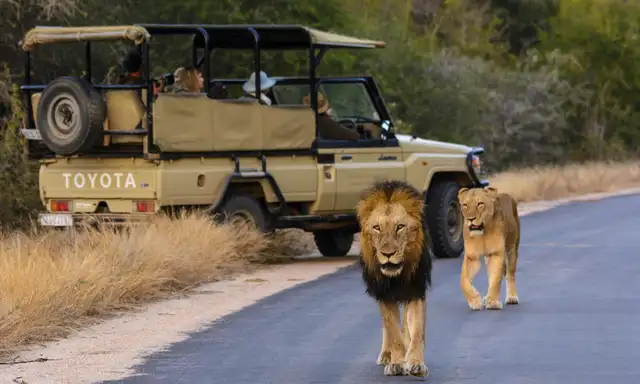
Experience the best time to visit Tanzania month by month with Tanzania safaris, from the Great Migration river crossings to calving season, bird watching, chimpanzee trekking, and beach weather.
Tanzania is one of Africa's most celebrated wildlife destinations, offering endless savannah plains, ancient volcanic craters, and stunning coastal islands. A Safari Tour Tanzania takes travellers through landscapes where the Great Migration moves in massive herds, where lions rest on grassy plains, and where elephants roam beneath the shadow of Mount Kilimanjaro. Choosing the right month for your safari makes a tremendous difference in what you will see and experience. Several months stand out for their drama, beauty, and unforgettable wildlife encounters.
Popular Tanzania Safari Packages
Best Time For Tanzania Safaris Month by Month.
1. January: Calving Season in Southern Serengeti
Many travellers beginning a Safari Tour Tanzania in January head to the southern Serengeti and Ndutu area. January is the start of the calving season, when over 500,000 wildebeest give birth within a few weeks. The most dramatic moment is watching a newborn wildebeest take its first steps just minutes after birth. On a Safari Tour Tanzania in January, predators gather in huge numbers. Lions, leopards, cheetahs, and hyenas follow the herds, waiting for weak calves. The southern Serengeti is green and lush, with short grass that makes wildlife spotting easy. The weather is warm with brief afternoon showers. January is excellent for big cats, bird watching (migratory birds are present), and avoiding crowds. For many travellers, January offers the most intimate predator-prey drama of the year.
2. February: Peak Calving and Predator Action
Another highlight of a Safari Tour Tanzania is February, the peak of the calving season. The wildebeest herds concentrate in the Ndutu region of southern Serengeti and northern Ngorongoro Conservation Area. On a Safari Tour Tanzania in February, you can witness thousands of calves being born daily. The predator action is intense. Lions hunt in coordinated groups. Cheetahs target isolated calves. Hyenas patrol the edges of the herds. The short grass plains offer excellent visibility. The weather remains warm with occasional rains, keeping the landscape green and beautiful. February also offers excellent viewing in Ngorongoro Crater, Lake Manyara, and Tarangire. For travellers seeking raw, unfiltered wildlife action, February is the best month on a Safari Tour Tanzania.
3. March: Green Season Beauty with Fewer Crowds
A unique time for a Safari Tour Tanzania is March, the heart of the green season. The landscapes are lush, flowering, and full of birds. On a Safari Tour Tanzania in March, the wildebeest herds begin moving slowly west from the Ndutu area towards the Serengeti's western corridor. The crowds are minimal. Lodges offer lower rates. March is excellent for bird watchers, as European and Asian migratory birds are still present. Resident birds display breeding plumage. The Ngorongoro Crater is spectacular, with green grass and blooming flowers. Tarangire's baobabs stand against dramatic cloudy skies. Short afternoon rains rarely disrupt game drives. For travellers who value solitude and lower prices over guaranteed dry season conditions, March is an excellent choice on a Safari Tour Tanzania.
4. April: The Long Rains with Lush Landscapes
Another perspective on a Safari Tour Tanzania comes in April, the month of the long rains. On a Safari Tour Tanzania in April, heavy afternoon rains are common, and some roads become muddy or impassable. However, the landscapes are at their most beautiful. The Serengeti is green and golden. The birdlife is extraordinary, with migratory birds still present and resident birds nesting. The wildebeest herds spread across the western Serengeti and Grumeti area. April offers the lowest rates of the year. Many luxury lodges offer significant discounts. Some camps close for maintenance, but those that remain open offer exceptional value. For travellers on a budget who do not mind afternoon showers, April offers a unique and beautiful Safari Tour Tanzania.
5. May: The Transition Month Before the Dry Season
A hidden treasure on a Safari Tour Tanzania is May, the transition month between the long rains and the dry season. On a Safari Tour Tanzania in May, the rains begin to diminish. The landscapes are lush and green, but the skies start clearing. The wildebeest herds gather near the Grumeti River in the western Serengeti, preparing for their first major river crossing of the year. The Grumeti River crossings begin in late May, with crocodiles already waiting. Crowds remain low. Lodges still offer low season rates. Tarangire and Lake Manyara are beautiful, with resident wildlife concentrated around permanent water. For travellers seeking good weather, lower prices, and the start of river crossing action, May is an excellent month on a Safari Tour Tanzania.
6. June: Start of the Dry Season and Easy Game Viewing
Many experienced safari travellers consider June the best month for a Safari Tour Tanzania. June is the start of the dry season, with little to no rain. On a Safari Tour Tanzania in June, wildlife gathers around permanent water sources, making game viewing predictable and productive. The wildebeest herds are in the western Serengeti around Grumeti, with river crossings increasing. The Serengeti's grass is shorter, improving visibility. Ngorongoro Crater is at its best, with animals concentrated on the crater floor. Tarangire's elephants begin gathering along the river. The weather is sunny, with warm days and cool nights. Crowds are still manageable, as peak season has not yet begun. For travellers seeking excellent weather and wildlife without peak season prices, June is ideal.
7. July: Peak Dry Season and River Crossings Begin
Another highlight of a Safari Tour Tanzania is July, the start of peak dry season. On a Safari Tour Tanzania in July, the wildebeest herds move into the northern Serengeti and prepare to cross the Mara River into Kenya's Maasai Mara. The Mara River crossings begin in earnest. Crocodiles wait at crossing points. Thousands of wildebeest and zebra gather on the riverbanks, hesitating before plunging in. The weather is perfect: sunny days, cool nights, and no rain. All parks are accessible. Wildlife viewing is excellent everywhere. Crowds increase, especially in the northern Serengeti. Luxury lodges fill quickly and rates are at their highest. For travellers whose dream is witnessing a river crossing, July is the best month on a Safari Tour Tanzania.
8. August: Peak Season with Dramatic River Crossings
August is the most popular month for a Safari Tour Tanzania, and for good reason. On a Safari Tour Tanzania in August, the Mara River crossings are at their peak. The wildebeest herds are concentrated in the northern Serengeti along the Mara River. Multiple crossings can happen daily. The action is raw, intense, and unforgettable. The weather remains perfect: dry, sunny, and cool at night. All parks are in peak condition. Ngorongoro Crater offers consistent Big Five sightings. Tarangire's elephant herds are growing. The main drawbacks are crowds and prices. The northern Serengeti can feel busy at major crossing points. Luxury lodges charge peak rates and book months in advance. For travellers who can plan ahead and tolerate some crowds, August offers the most dramatic Safari Tour Tanzania of the year.
9. September: Peak Conditions with Slightly Fewer Crowds
A unique time for a Safari Tour Tanzania is September. On a Safari Tour Tanzania in September, the weather remains perfect: dry, sunny, and comfortable. The wildebeest herds are still in the northern Serengeti, with Mara River crossings continuing but at a slightly reduced intensity. Crowds begin thinning compared to August. The northern Serengeti is still excellent for big cats, especially leopards along the rivers. September is also the best month for climbing Kilimanjaro, with stable weather and clear views. Zanzibar's beaches are sunny and warm. For travellers who missed August or prefer fewer crowds, September offers peak conditions without peak crowding. This makes September one of the best months on a Safari Tour Tanzania.
10. October: End of Dry Season with Rising Heat
Another excellent month for a Safari Tour Tanzania is October. On a Safari Tour Tanzania in October, the dry season continues but temperatures rise. Days can reach 90°F (32°C) on the plains. The wildebeest herds begin moving south from the Mara River back into the central and eastern Serengeti. The river crossings continue early in the month but taper off. Wildlife is still concentrated around water, making game viewing productive. October is an excellent month for Tarangire, where elephant herds reach their peak numbers (over 2,500 elephants). The crowds are significantly reduced from August and September. Lodge rates begin dropping. For travellers seeking good weather, fewer crowds, and lower prices, October is a fantastic choice on a Safari Tour Tanzania.
11. November: Short Rains and Bird Season Begins
A hidden treasure on a Safari Tour Tanzania is November, the start of the short rains. On a Safari Tour Tanzania in November, afternoon showers are common but rarely disrupt game drives. The landscapes turn green and beautiful. The wildebeest herds move into the eastern Serengeti and Ndutu area, preparing for the calving season. November is the best month for bird watching. Migratory birds arrive from Europe and Asia. Resident birds display breeding colors. The Ngorongoro Crater is stunning with green grass and wildflowers. Crowds are minimal. Lodge rates are low. For bird watchers, photographers seeking dramatic skies, and travellers who love green landscapes, November offers a unique and beautiful Safari Tour Tanzania.
12. December: Short Rains Continue with Calving Approaching
December offers a festive Safari Tour Tanzania experience. On a Safari Tour Tanzania in December, the short rains continue with brief afternoon showers. The landscapes are lush, green, and full of flowers. The wildebeest herds gather in the southern Serengeti and Ndutu area, with calving beginning in late December. The predator action starts building. Bird watching remains excellent. The weather is warm, with pleasant evenings. The Christmas and New Year period is busy, especially from December 20 to January 5. Book well in advance if travelling during the holidays. For travellers seeking green season beauty, good wildlife, and a festive holiday safari, December is an excellent choice on a Safari Tour Tanzania.
Weather and Climate for Your Best Tanzania Safari
Tanzania’s climate is tropical but varies significantly by altitude and region. The coastal areas, including Dar es Salaam and Zanzibar, are hot and humid with average temperatures between 25°C and 30°C (77°F - 86°F). The central plateau, home to the Serengeti and Tarangire, experiences a more temperate climate with warm days and cool nights. The Ngorongoro Highlands can be chilly at night, especially from June to August. Tanzania has two main rainy seasons: the long rains from March to May and the short rains from November to December. The dry season, from June to October, offers the most stable and pleasant weather for a Safari Tour Tanzania. Understanding these weather patterns is key to planning a successful Safari Tour Tanzania.
Best Time to Visit for Your Best Tanzania Safari
The "best" time for a Safari Tour Tanzania depends entirely on what you want to see. For the Great Migration river crossings (Mara River), visit from July to September. For the calving season and predator action, visit January to February. For chimpanzee trekking in Mahale Mountains, visit May to October. For climbing Kilimanjaro, visit January to February or June to October. For bird watching, visit November to April when migratory birds are present. For beach time on Zanzibar, visit June to October (dry and sunny) or October to March (whale sharks). For fewer crowds and lower prices, visit March to May (green season) or November (short rains). For the best all-around Safari Tour Tanzania with excellent weather and wildlife, visit June to October.
What to Carry for Your Best Tanzania Safari
Packing appropriately is essential for a comfortable Safari Tour Tanzania. Bring neutral-colored clothing (khaki, olive, beige) to blend into the environment. Layering is crucial, as mornings and evenings can be cold, especially on game drives, while midday is warm. Essential items include a good pair of binoculars, a camera with extra batteries and memory cards, a wide-brimmed hat, sunglasses, sunscreen, and insect repellent. For bush walks, sturdy hiking boots are recommended. If you are traveling during the rainy season (March to May and November), a lightweight waterproof jacket is a must. Don’t forget your passport, visa, travel insurance documents, and any necessary medications. Being well-prepared enhances your overall Safari Tour Tanzania experience.
How to Get There for Your Best Tanzania Safari
Most travellers begin their Safari Tour Tanzania by flying into Julius Nyerere International Airport (DAR) in Dar es Salaam or Kilimanjaro International Airport (JRO) near Arusha. JRO is the primary gateway to the northern safari circuit, including the Serengeti and Ngorongoro. For safaris in the southern parks like Ruaha and Nyerere, DAR is the more convenient option. From these international airports, you will take a domestic flight to a regional airstrip like Seronera or Manyara. Alternatively, you can take a road transfer to your starting point. For beach holidays, Zanzibar's Abeid Amani Karume International Airport (ZNZ) has direct international connections. Planning your flights carefully is a critical step for a seamless Safari Tour Tanzania.
Health and Safety for Your Best Tanzania Safari
Prioritizing your health and safety is vital for a stress-free Safari Tour Tanzania. Consult a travel doctor at least 4-6 weeks before your trip for vaccinations and medications, including yellow fever, typhoid, hepatitis A, and malaria prophylaxis. Malaria is present in Tanzania, so use insect repellent, sleep under mosquito nets (provided by lodges), and consider taking anti-malarial tablets. Drink only bottled or purified water to avoid stomach issues. When on safari, always follow the guidance of your guide—never leave your vehicle, maintain a safe distance from animals, and keep noise to a minimum. Ensure you have comprehensive travel insurance that covers medical evacuation. By taking these precautions, you can ensure a safe and enjoyable Safari Tour Tanzania.
Where to Stay for Your Best Tanzania Safari
Accommodation on a Safari Tour Tanzania ranges from luxurious lodges to intimate tented camps and budget-friendly hotels. In the Serengeti, you can choose from mobile tented camps that follow the migration or permanent lodges with stunning views. Ngorongoro offers a few lodges perched on the crater rim, providing spectacular panoramas. Tarangire has excellent riverfront lodges. Lake Manyara offers unique tree-top lodges. For those seeking ultimate luxury, there are high-end camps with private butlers and plunge pools. For budget travellers, there are public campsites and basic bandas in most parks. Your choice of accommodation significantly shapes your Safari Tour Tanzania, and we can help you select the perfect option for your style and budget.
Why Book with Lamz Tours and Travel for Your Best Tanzania Safari
Booking a Safari Tour Tanzania with Lamz Tours and Travel ensures well-organised travel, experienced guides, and carefully arranged itineraries tailored to the month you visit. The company helps visitors choose the best month for their specific interests, whether calving season, river crossings, bird watching, or green season solitude. Our local guides know exactly where to go each month for the best wildlife viewing. Whether you want to witness thousands of wildebeest crossing the Mara River in August, watch newborn calves take their first steps in February, or photograph migratory birds in December, Lamz Tours and Travel handles every detail. We also provide expert advice on weather, packing, logistics, and health to ensure you are fully prepared. With us, you focus on the adventure, and we handle everything else. For a safe, stress-free, unforgettable Safari Tour Tanzania any month of the year, Lamz Tours and Travel is the best choice.
Ready to plan your safari?
Talk to a Lamz Tours specialist and get a tailor-made quote.
Make an enquiry