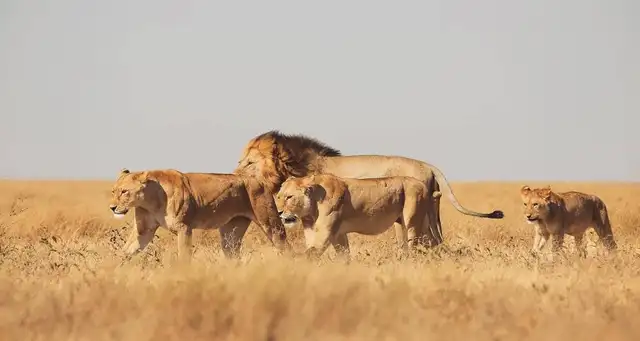
Expert Tips for Big Cat Sightings on Tanzania Tours and Safaris. Best seasons, top parks, and insider advice for spotting lions, leopards, and cheetahs
Did you know Tanzania is one of the best places in the world to see big cats in the wild? From the iconic lions of the Serengeti to elusive leopards in Ruaha and lightning-fast cheetahs in Ndutu, Tanzania tours and safaris offer unmatched opportunities to witness predator behavior in diverse, photogenic landscapes. Whether you're chasing the drama of the Great Migration or the intensity of calving season, Tanzania delivers year-round big cat action. Parks like Ngorongoro Crater boast the highest lion densities in Africa, while Nyerere National Park surprises with tree-climbing lions and stealthy leopards along the Rufiji River. For wildlife photographers, conservationists, and adventure seekers, Tanzania is a predator paradise.
Planning Tanzania tours and safaris with a focus on big cats requires knowing when and where to go. The dry season (June–October) offers the best visibility and concentrated wildlife, while calving season (January–March) brings thrilling predator-prey interactions. Top destinations include Serengeti, Ngorongoro, Ruaha, Tarangire, and Lake Manyara each with its own unique big cat dynamics. With expert guides, tailored itineraries, and ethical travel practices, operators like Lamz Tours and Travel ensure unforgettable encounters with Africa’s most powerful predators. Whether you're after dramatic hunts, quiet leopard sightings, or lion prides on the move, Tanzania is the ultimate big cat safari destination
Best Tanzania Tours and Safaris packages
2-days-fly-in-serengeti-safari-in-tanzania
2-days-tarangire-national-park-and-ngorongoro-crater-safari
3-days-tanzania-safari-in-serengeti-national-park
3-days-tanzania-wildlife-safari
4-days-epic-tanzania-wildlife-and-culture-safari
5-day-kenya-and-tanzania-safari
5-days-circuit-wildlife-safari-in-tanzania
6-days-ndutu-migration-safari-calving-season
8-day-serengeti-ngorongoro-crater-and-zanzibar
8-days-wildlife-and-beach-holiday-tanzania
8-days-wildlife-safari-tanzania
9-days-zanzibar-and-wildlife-safari
10-days-uganda-and-tanzania-safari-gorillas-chimpanzees-and-wildlife
5-days-mount-kilimanjaro-marangu-route
6-days-mount-kilimanjaro-machame-route
7-day-climbing-kilimanjaro-via-the-machame-route
8-days-kilimanjaro-climbing-safari-lemosho-route-mount
9-days-kilimanjaro-climb-lemosho-route
12-days-mount-kilimanjaro-climb-and-tanzania-safari-tour
4-days-tanzania-birding-safari-to-lake-manyara-national-park
Best Time for Big Cat Sightings on Tanzania Tours and Safaris
Dry Season from June – October BEST FOR BIG CATS
The dry season is the most reliable time for big cat sightings on Tanzania tours and safaris. With less vegetation, lions, leopards, and cheetahs are easier to spot as they move through open terrain. Wildlife gathers around rivers and waterholes, increasing predator activity and making game drives more productive. In the Serengeti, the Great Wildebeest Migration from July to October draws large numbers of lions and cheetahs. Ngorongoro Crater offers high lion density year-round, while Nyerere National Park provides excellent leopard and lion sightings near the Rufiji River. For travelers planning Tanzania tours and safaris focused on predator viewing, this season offers consistent results and strong photographic opportunities.
Calving Season January – March with HIGH PREDATOR ACTION
Calving season brings intense predator action to Tanzania tours and safaris, especially in the Southern Serengeti and Ndutu areas. During this period, thousands of wildebeest and zebras give birth, attracting lions, cheetahs, and hyenas in search of vulnerable prey. The open plains make it easier to witness dramatic hunts and observe predator behavior. Ngorongoro Conservation Area also sees increased activity, with predators taking advantage of the seasonal abundance. For travelers interested in Tanzania tours and safaris that highlight natural interactions and raw wildlife moments, calving season offers unmatched intensity and access to rare sightings.
Shoulder Seasons from November and April–May
Shoulder seasons offer a quieter experience on Tanzania tours and safaris, with fewer visitors and greener landscapes. Big cats are still present, especially in Ngorongoro and Tarangire, but thicker vegetation can make spotting more challenging. November often sees short rains, which don’t disrupt travel much, while April–May brings heavier rains that may affect accessibility and lodge availability. Some camps close during the long rains, so planning is essential. Despite the variability, Tanzania tours and safaris during these months can still deliver rewarding sightings for those who prefer solitude and are flexible with conditions
How to get there for big cat sighting on Tanzania tours and safaris
To reach the best parks for big cat sightings on Tanzania tours and safaris, most travelers fly into Kilimanjaro International Airport or Julius Nyerere International Airport in Dar es Salaam. From Kilimanjaro, Arusha serves as the main hub for accessing the northern circuit parks Serengeti, Ngorongoro Crater, Tarangire, and Lake Manyara via 4×4 safari vehicles or domestic flights. For Nyerere National Park, flights from Dar es Salaam to park airstrips like Mtemere or Siwandu are fastest. Tanzania tours and safaris focused on big cats are best booked with experienced operators like Lamz Tours and Travel who handle all logistics, guiding, and park access
Top Destinations for Big Cat Sightings on Tanzania Tours and Safaris
Serengeti National Park The Ultimate Big Cat Paradise
Serengeti is unmatched for big cat sightings on Tanzania tours and safaris. Lions dominate the plains, especially during the Great Migration from June to October, when they hunt wildebeest and zebras. Cheetahs thrive in the open grasslands of Ndutu during calving season (January–March), while leopards are often seen lounging on kopjes in Seronera Valley. The Western Corridor offers dramatic river crossings and predator ambushes. For travelers seeking Tanzania tours and safaris focused on predator action, Serengeti delivers year-round with high visibility and diverse terrain.
Ngorongoro Crater the Highest Lion Density in Africa
Ngorongoro Crater is a natural enclosure with around 70 resident lions, making it one of the most reliable spots for big cat sightings on Tanzania tours and safaris. Prides of 20+ lions roam the crater floor, and big males with dark manes are frequently photographed. Leopards are occasionally seen along the forested rim. The dry season (June–October) offers clear views and concentrated wildlife. For travelers wanting Tanzania tours and safaris with guaranteed lion encounters, Ngorongoro is a top choice due to its compact size and rich ecosystem.
Nyerere National Park (Selous) for Wild and Untamed Cats
Nyerere National Park offers a different angle on Tanzania tours and safaris, with tree-climbing lions near the Rufiji River and leopards in dense woodlands. It’s also one of the best places to see African wild dogs. Boat and walking safaris provide unique perspectives not available in other parks. The dry season (June–October) is ideal for predator sightings as animals gather near water. For travelers seeking Tanzania tours and safaris with fewer crowds and varied experiences, Nyerere delivers raw wilderness and strong big cat visibility.
Tarangire National Park – Tree-Climbing Lions and Leopards
Tarangire is often overlooked but offers excellent big cat sightings on Tanzania tours and safaris, especially in the Silale Swamp area during the dry season. Lions are known to lounge in baobab trees, and leopards are spotted in wooded areas. The park is less crowded than Serengeti, allowing for quieter game drives and better photography. For travelers planning Tanzania tours and safaris with a mix of predator viewing and scenic landscapes, Tarangire provides a strong balance of wildlife and tranquility.
Ruaha National Park the Tanzania’s Hidden Cat Gem
Ruaha is a remote park with vast wilderness and one of the largest lion populations in Africa, making it a standout for big cat sightings on Tanzania tours and safaris. Leopards are also present, and night drives offer rare opportunities to see them in action. The dry season (May–November) concentrates wildlife around the Great Ruaha River. For travelers seeking Tanzania tours and safaris away from the northern circuit, Ruaha offers solitude, predator density, and a rugged safari experience.
Lake Manyara National Park Famous for Tree-Climbing Lions
Lake Manyara is known for its tree-climbing lions, a behavior rarely seen elsewhere, making it a unique stop on Tanzania tours and safaris. These lions rest in acacia trees during the dry season (July–October), then descend to hunt. The park’s compact size allows for easy viewing, and leopards are occasionally spotted in forested areas. For travelers looking to add variety to their Tanzania tours and safaris, Lake Manyara offers a quick but rewarding big cat experience with dramatic scenery
Best tips for big cat sighting on Tanzania tours and safaris
Time Your Safari Right
Timing is key for successful big cat sightings on Tanzania tours and safaris. The dry season (June–October) offers the best visibility, with thinner vegetation and animals gathering at waterholes ideal for spotting lions, leopards, and cheetahs. The Great Migration in the Serengeti (July–October) draws predators in large numbers. Calving season (January–March) in Southern Serengeti and Ndutu is perfect for witnessing dramatic hunts as cats target newborn wildebeest. Avoid April–May due to heavy rains, which reduce visibility and limit access. For travelers planning Tanzania tours and safaris focused on big cats, aligning your visit with these peak windows is essential.
Go Where the Cats Are
To maximize sightings on Tanzania tours and safaris, focus on parks known for specific big cats. Lions thrive in Serengeti’s Seronera and Western Corridor, Ngorongoro Crater, and Ruaha. Leopards prefer Serengeti’s kopjes and Tarangire’s riverine forests. Cheetahs are best seen in Southern Serengeti (Ndutu) and the open plains of Central Serengeti. Each location offers distinct terrain and behavior patterns, so choosing the right park based on your target species is crucial. Tanzania tours and safaris that prioritize these hotspots increase your chances of seeing cats in action and capturing memorable moments.
Safari Like a Pro
Maximize your big cat sightings on Tanzania tours and safaris by focusing on early morning (6–9 AM) and late afternoon (4–6 PM) game drives when cats are most active. Guides track fresh signs like alarm calls, vulture activity, and paw prints to locate predators. Waterholes and rivers like Serengeti’s Grumeti and Nyerere’s Rufiji are prime ambush zones. Use binoculars and zoom lenses to spot leopards in trees and cheetahs in tall grass. For travelers on Tanzania tours and safaris, combining timing, tracking skills, and the right gear makes a major difference in spotting elusive cats.
Choose the Right Guide
A skilled guide can make or break your Tanzania tours and safaris. Local Maasai and experienced trackers know territories, den sites, and animal behavior intimately. Private guides offer flexibility to stay longer at sightings and adjust routes based on real-time updates. Guides often use radios to share cat activity across vehicles, increasing your chances of timely encounters. For travelers booking Tanzania tours and safaris, investing in a knowledgeable guide ensures deeper insights, better positioning, and a more rewarding experience with big cats.
Be Patient and Silent
Patience is essential on Tanzania tours and safaris when tracking big cats. Waiting quietly near kills or riverbanks often pays off, as lions return to feed and leopards revisit stashed prey in trees. Sudden movements or phone sounds can scare cats away, so silence and stillness are key. Staying longer at promising spots increases your chances of observing natural behavior. For travelers serious about Tanzania tours and safaris, adopting a calm and respectful approach leads to more authentic and intimate wildlife moments.
Special Experiences to Boost Sightings
Enhance your Tanzania tours and safaris with unique experiences that increase big cat viewing. Hot air balloon safaris over the Serengeti offer aerial views of hunting cats at dawn. Walking safaris in Nyerere or Ruaha allow you to track lions on foot with armed rangers, adding depth to your adventure. Night drives in Manyara or Ruaha reveal nocturnal leopard activity. These add-ons provide fresh perspectives and access to behaviors not seen during standard game drives, making your Tanzania tours and safaris more immersive and rewarding.
Pack Smart
Packing the right gear is vital for Tanzania tours and safaris focused on big cats. Wear neutral-colored clothing like khaki or green to blend into the environment and avoid attracting tsetse flies. A DSLR camera with a 300mm+ lens is essential for capturing distant cats smartphone zooms won’t suffice. Bring a red-light torch for night drives, as it doesn’t disturb wildlife. For travelers planning Tanzania tours and safaris, smart packing ensures comfort, safety, and better photographic results, especially in remote or low-light conditions.
Avoid Crowds
To enjoy exclusive big cat sightings on Tanzania tours and safaris, avoid crowded areas by choosing private conservancies near the Serengeti or lesser-known parks like Ruaha and Katavi. These locations offer solitude, better guide attention, and uninterrupted viewing. Fewer vehicles mean more time with animals and better photo angles. For travelers seeking authentic Tanzania tours and safaris, avoiding peak tourist zones enhances the quality of sightings and allows for deeper wildlife engagement.
Respect Wildlife
Respecting wildlife is non-negotiable on Tanzania tours and safaris. Never call or feed animals, as it disrupts natural behavior and can be dangerous. Maintain a safe distance of at least 20 meters, especially around cubs mothers are highly protective. Following park rules and guide instructions ensures safety and ethical viewing. For travelers committed to responsible Tanzania tours and safaris, respecting boundaries helps preserve the integrity of the experience and supports conservation efforts.
Post-Sighting Strategy
After spotting a big cat, don’t rush off stay at least 30 minutes to observe follow-up behavior. Lions may return to kills, and vultures or hyenas often attract more predators. Listening for growls or roars at night near lodges can also lead to morning sightings. For travelers on Tanzania tours and safaris, extending time at sightings and staying alert to sounds enhances the depth of your experience and increases chances of witnessing rare interactions.
Sample Big Cat-Focused Itinerary
For a well-rounded big cat safari, consider the 7-day itinerary from Lamz Tours and Travel. It includes Tarangire, Serengeti, Ngorongoro Crater, and Lake Manyara each offering prime lion, leopard, and cheetah sightings. The itinerary is timed to maximize predator activity and includes expert guides, private game drives, and optional add-ons like balloon safaris. Perfect for travelers seeking Tanzania tours and safaris focused on big cats
What Big Cats Live in Tanzania?
Tanzania is home to a rich variety of big cats, making it one of Africa’s top safari destinations. The most prominent species include lions, leopards, and cheetahs, all found in healthy populations across major parks like Serengeti, Ngorongoro, and Ruaha. In addition to these, Tanzania also hosts African wildcats, caracals, and servals, which are smaller but equally fascinating predators. These cats thrive due to Tanzania’s diverse ecosystems from open savannahs to dense woodlands and the abundance of prey like wildebeest, zebras, and antelopes. For travelers seeking authentic wildlife experiences, Tanzania tours and safaris offer unmatched opportunities to observe these majestic animals in their natural habitats
Where to See Leopards in Tanzania?
Leopards are elusive but can be reliably spotted in several Tanzanian parks. The Seronera Valley in Central Serengeti is one of the best places, where leopards are often seen resting in acacia trees or hunting near riverbanks3. Ruaha National Park offers remote, rugged terrain ideal for solitary leopard sightings, especially during dawn and dusk. Tarangire National Park also provides good chances, particularly in its riverine forests. Lake Manyara and Ngorongoro Crater are additional options, though sightings there require more patience due to dense vegetation3. For the best results, choose Tanzania tours and safaris with experienced guides who know leopard territories and behavior
What Is the Best Month to Go on a Safari in Tanzania?
The best months for Tanzania tours and safaris are June to October, during the dry season. Wildlife is easier to spot as animals gather around water sources and vegetation is sparse. This period also includes the Great Migration in the Serengeti (July–September), offering dramatic predator-prey interactions. January to February is ideal for witnessing the wildebeest calving season, especially in Ndutu, with intense predator activity. Avoid April and May, which are peak rainy months many lodges close, and wildlife visibility drops. For optimal big cat sightings and comfortable travel conditions, plan your Tanzania tours and safaris between June and October
Where Is the Best Place to See Big Cats in Africa?
The Serengeti National Park in Tanzania is widely regarded as one of the best places in Africa to see big cats. It offers year-round sightings of lions, leopards, and cheetahs, especially during the Great Migration. Other top destinations include Masai Mara in Kenya, known for its lion prides and cheetah activity, and South Luangwa in Zambia, a hotspot for leopards. Ruaha and Ngorongoro Crater in Tanzania also rank high for predator density and diversity. For travelers focused on big cat safaris, Tanzania tours and safaris provide unmatched access to these iconic species in varied and photogenic landscapes
Best places to stay during big cat sighting on Tanzania tours and safaris
For travelers focused on big cat sightings, Olmara Camp in the remote Soit le Motonyi region of the eastern Serengeti offers one of Tanzania’s most exclusive safari experiences. This eco-luxury tented camp is located in a predator-rich zone that was closed to tourism for decades, allowing wildlife to flourish undisturbed. With few vehicles and strict visitor limits, guests enjoy intimate encounters with lions, leopards, and cheetahs in a pristine setting. The camp features spacious en-suite tents, solar power, and panoramic savannah views, making it ideal for photographers and wildlife enthusiasts seeking authentic, crowd-free game drives.
Other top accommodations for big cat safaris include Nomad Lamai in northern Serengeti, known for its elevated views and proximity to lion and cheetah territories, and Serengeti Under Canvas, a mobile tented camp that follows the Great Migration. For those combining luxury with accessibility, Ngorongoro Crater Lodge offers opulent suites perched on the crater rim, with easy access to leopard and lion sightings. Mid-range options like Tarangire Safari Lodge and Kirurumu Tented Lodge provide comfort and excellent wildlife access without the premium price tag. Each lodge or camp enhances the safari experience by placing guests close to prime big cat habitats
Booking big cat sighting on Tanzania tours and safaris with Lamz Tours and Travel
You can book a dedicated big cat safari in Tanzania directly with Lamz Tours and Travel, which offers a specialized 7-day itinerary focused on sightings of lions, leopards, and cheetahs across premier wildlife destinations. Our tour includes visits to Tarangire National Park, Serengeti National Park, Ngorongoro Crater, and Lake Manyara, all known for high predator densities and diverse ecosystems. The package covers airport transfers, accommodation, meals, park fees, and guided game drives in a 4×4 safari vehicle. The best time for big cat sightings is June to October, during the dry season when wildlife is more concentrated around water sources.
To book this experience, visit Lamz Tours and Travel' official tour page. You’ll find a detailed itinerary, inclusions, and a booking form where you can enter your travel dates, group size, and preferences. The tour is customizable, allowing you to tailor accommodations and wildlife goals to your needs. Whether you're a photographer, conservation enthusiast, or luxury traveler, Lamz Tours and Travel provides a well-rounded, ethical safari experience with expert guides and immersive wildlife encounters
Ready to plan your safari?
Talk to a Lamz Tours specialist and get a tailor-made quote.
Make an enquiry