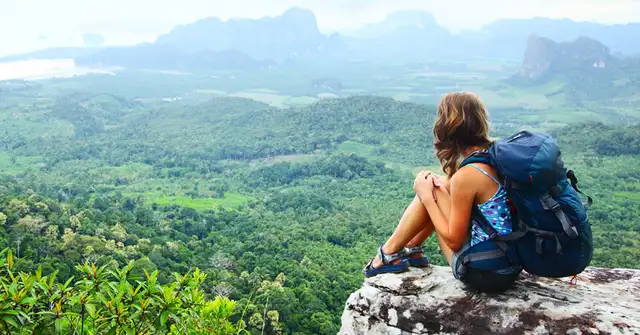
Experience the optimal seasonal timing for a Uganda Rwanda safari as a solo traveller, from the premium dry seasons of June to September and December to February offering easier gorilla trekking conditions to the quieter wet seasons of March to May and October to November with lush landscapes and fewer crowds, providing independent adventurers with the flexibility to choose between comfort and solitude for their unforgettable encounter with mountain gorillas in East Africa's most spectacular destinations.
For solo travellers, timing is everything when planning a Uganda safari or Rwanda gorilla safari . Unlike group tours, solo trips allow you to be flexible with your schedule, but the season you choose will significantly impact your gorilla trekking experience. The good news is that gorilla trekking is possible year-round in both Bwindi Impenetrable National Park , Mgahinga Gorilla National Park , and Volcanoes National Park . However, the weather conditions greatly influence trekking difficulty, photography quality, permit availability, and the overall solo travel experience . Here is the best guide for solo travellers on when to visit Uganda Rwanda safaris .
Popular Solo Safari Packages
Best Time for a Solo Traveller on Uganda and Rwanda Safaris
1. Dry Season – The Peak Time for Solo Travellers (June to September and December to February)
The dry seasons, from June to September and December to February, are widely considered the best time for gorilla trekking in both Uganda and Rwanda . For solo travellers, this period offers the most comfortable trekking conditions. Trails are significantly less muddy and slippery because there is little or no rainfall in the gorilla locations, making hiking easier and safer . The improved visibility also allows for better photography of the gorillas and other wildlife, as the vegetation is less dense and lighting conditions are brighter . Since the parks are tropical rainforests, rain can still occur at any time, but it is far less frequent during these months . The dry season also coincides with the peak of the Great Wildebeest Migration in neighboring Tanzania and Kenya, making it ideal for solo travellers who want to combine gorilla trekking with savannah wildlife safaris in Queen Elizabeth National Park, Akagera National Park, or other parks where animals congregate around water sources .
2. Dry Season Challenges for Solo Travellers – Higher Costs and Crowds
While the dry season offers the best conditions, it also presents challenges for solo travellers. Because permits are in high demand, they often sell out quickly, and accommodation is at a premium . For solo travellers, this means higher costs, as lodges may have limited single occupancy rooms and single supplements add to the expense. It is highly recommended to book your gorilla permit at least 6 months in advance, especially for the high peak months of July, August, and December when demand is highest . For solo female travellers, the dry season also means encountering more tourists, which can be both an advantage and a disadvantage depending on your preference for social interaction or solitude.
3. Wet Season – The Quiet Time for Solo Travellers (March to May and October to November)
The wet seasons, from March to May and October to November, offer a completely different experience for solo travellers. This is the low season, meaning fewer tourists and a more intimate, peaceful encounter with the gorillas . For solo travellers seeking solitude and a quieter experience, this can be a major advantage. The forests are at their most lush and vibrant, with beautiful greenery, flowing waterfalls, and dramatic skies . Many premium lodges offer significant discounts during this period, making it more affordable for solo travellers on a budget . Permits are also easier to obtain, sometimes even at short notice, offering greater flexibility for last-minute solo travel plans . Birdwatchers will also find the wet season excellent as migratory birds arrive in the region .
4. Wet Season Challenges – Muddy Trails and Challenging Hikes
The wet season comes with significant challenges, especially for solo travellers who may not have a companion to share the physical demands of the trek. Trails become muddy, slippery, and more difficult to navigate, making the trek more strenuous and physically demanding . The dense vegetation can also obscure visibility, making it harder to spot and photograph the gorillas . For solo travellers, it is crucial to have the right gear: waterproof hiking boots, a rain jacket, and a waterproof backpack are essential . Despite the challenges, many solo travellers find the wet season rewarding because of the dramatic landscapes and the sense of adventure it brings .
5. Regional Differences in Climate
While both countries share similar seasonal patterns, there are subtle differences. Rwanda's Volcanoes National Park tends to be colder and mistier due to its high altitude, and it receives up to 90% of Rwanda's total precipitation . This means even in the dry season, you might encounter rain and cold conditions, so packing warm layers is essential. Uganda's Bwindi Impenetrable National Park is also a rainforest where rain can occur any day of the year, but the trails in the dry season are generally more manageable . For solo travellers, this means the "best time" is not just about the calendar but also about the specific park you are visiting.
6. Best Time for Budget Solo Travellers
For solo travellers on a budget, the wet seasons from March to May and October to November are the best times to visit. Not only are permits easier to obtain, but accommodation and sometimes even tour operators offer reduced rates . For solo travellers who are flexible and don't mind the physical challenge of muddy trails, this can make a gorilla safari significantly more affordable. The savings on accommodation and the greater availability of permits can also allow solo travellers to extend their trip or add on additional activities like chimpanzee tracking in Kibale Forest or a safari in Queen Elizabeth National Park.
7. Best Time for Photography-Focused Solo Travellers
For solo travellers who prioritize photography, the dry seasons from June to September and December to February are generally superior . The clearer skies, improved lighting, and less mist and rain interference produce higher quality images. However, the vibrant green landscapes of the wet season can also offer unique photographic opportunities, especially for landscape and bird photography . Many solo travellers find that the dramatic cloudy skies and misty forests of the wet season create a moody and atmospheric setting that is equally stunning.
8. How Seasonal Choice Affects Solo Travel Experience
The season you choose will significantly shape your solo travel experience. In the dry season, you are more likely to join a larger trekking group, which can be a great way to meet fellow travellers and share the experience . In the wet season, with fewer visitors, you may have a smaller group or even a private trekking experience, which can be more personal and intimate. For solo female travellers, the dry season's larger groups can offer a greater sense of security, while the wet season's quietness can be more appealing for those seeking deep solitude. Ultimately, the best time for a solo traveller depends on their personal priorities and willingness to trade comfort for solitude and cost savings.
9. How to Get to Uganda and Rwanda for a Solo Safari
For gorilla trekking Rwanda, fly into Kigali International Airport and drive approximately 2-3 hours to Volcanoes National Park . For gorilla safaris in Uganda, fly into Entebbe International Airport and drive 6-8 hours to Bwindi Impenetrable National Park . Solo travellers can also combine both countries, flying into Kigali, trekking in Rwanda, and then crossing the border into Uganda for more trekking .
10. What to Carry on a Solo Gorilla Safari
On a solo gorilla safari, packing is crucial. You need sturdy waterproof hiking boots, long trousers and long-sleeved shirts for protection, a waterproof jacket, gardening gloves, insect repellent, high-SPF sunscreen, a reusable water bottle, a headlamp, and a camera with extra batteries . Porters are available to carry your backpack for USD 15-20.
11. Health and Safety for Solo Travellers
For solo travellers, health and safety are paramount. Drink bottled water, take anti-malarial medication, use insect repellent, and ensure you have a yellow fever certificate . Solo female travellers have reported feeling safe in both Uganda and Rwanda, especially when using reputable tour operators like Lamz Tours and Travel who provide experienced guides
12. Why Book with Lamz Tours and Travel for Your Uganda Rwanda Safaris
Booking your Uganda Rwanda safaris with Lamz Tours and Travel ensures a seamless combination of wildlife, adventure, and culture, handling everything including gorilla trekking permits, transport, accommodation, and activities. Our local guides know the best gorilla families and lodges, and we have received excellent reviews from solo travellers, including solo female travellers, who have praised the company for making them feel comfortable and safe . You focus on the gorillas, the adventure, and the culture. We handle everything else on your Uganda safari and Rwanda gorilla safari experience. Book your gorilla safaris in Uganda or Rwanda gorilla tours with Lamz Tours and Travel today.
Ready to plan your safari?
Talk to a Lamz Tours specialist and get a tailor-made quote.
Make an enquiry