Tanzania safari tours in dry season offer wildlife at waterholes, Mara River crossings, clear skies, safe roads, fewer mosquitoes, and full lodge services
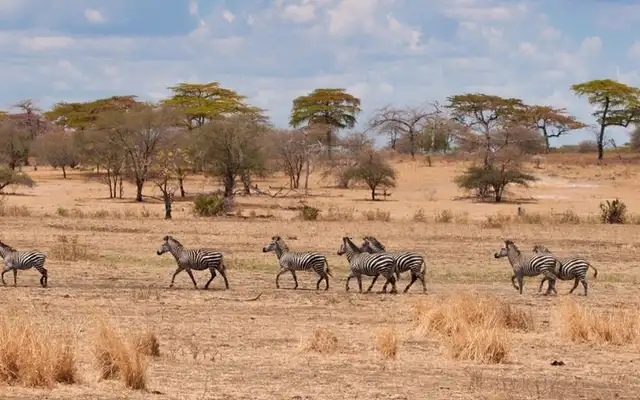
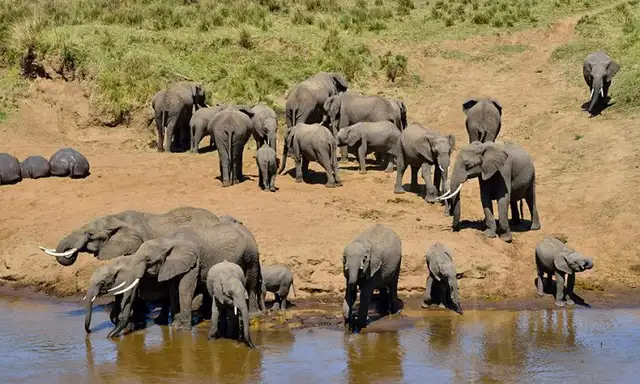
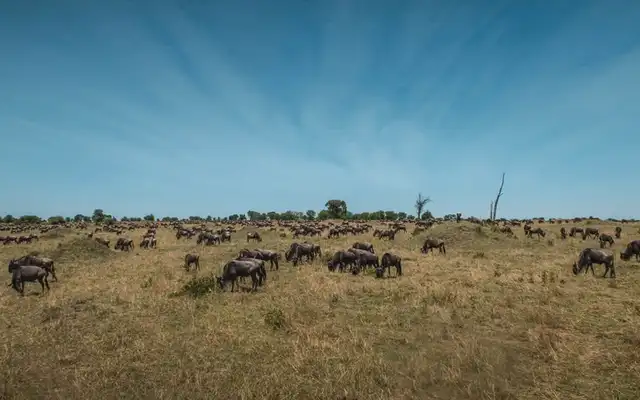
Tanzania safari tours during the dry season are among the most rewarding wildlife experiences in East Africa. With firm roads, clear skies, and predictable animal behavior, travelers enjoy efficient game drives and consistent sightings. Herds of zebras, wildebeests, elephants, and buffalos gather around rivers and waterholes, while predators like lions and leopards wait nearby, making every stop productive. The dry months also bring the dramatic Mara River crossings in the Serengeti, where thousands of wildebeests plunge into crocodile-filled waters. These conditions create an environment where travelers spend less time searching and more time watching wildlife in action.
Beyond the animals, Tanzania safari tours in dry season offer comfort and reliability. Lodges and camps operate at full capacity, providing quality service and experienced guides. Fewer mosquitoes reduce health risks, while clear skies guarantee strong photography opportunities at sunrise and sunset. The Ngorongoro Crater floor stays firm, allowing safe access to rhinos and predators, while Tarangire becomes a magnet for elephants along its river. Birdwatching remains active, with species gathering at water sources just like mammals. Together, these factors make dry season safaris practical, safe, and rewarding, ensuring travelers maximize both wildlife viewing and overall enjoyment
Best Tanzania safari packages
2-days-fly-in-serengeti-safari-in-tanzania
2-days-tarangire-national-park-and-ngorongoro-crater-safari
3-days-tanzania-safari-in-serengeti-national-park
3-days-tanzania-wildlife-safari
4-days-epic-tanzania-wildlife-and-culture-safari
5-day-kenya-and-tanzania-safari
5-days-circuit-wildlife-safari-in-tanzania
6-days-ndutu-migration-safari-calving-season
8-day-serengeti-ngorongoro-crater-and-zanzibar
8-days-wildlife-and-beach-holiday-tanzania
8-days-wildlife-safari-tanzania
9-days-zanzibar-and-wildlife-safari
10-days-uganda-and-tanzania-safari-gorillas-chimpanzees-and-wildlife
5-days-mount-kilimanjaro-marangu-route
6-days-mount-kilimanjaro-machame-route
7-day-climbing-kilimanjaro-via-the-machame-route
8-days-kilimanjaro-climbing-safari-lemosho-route-mount
The Best things to expect on Tanzania safari tours during dry season
1. Animals Gather Around Water Sources
During dry months, rivers and waterholes become the only places to drink. On Tanzania safari tours, you will find large herds of zebras, wildebeests, and buffalos packed around these spots. Predators like lions wait near the water to hunt, so your game drives become very productive. You do not drive long distances searching for animals. You simply go to the water and wait. The Serengeti and Tarangire work best for this. You see elephants, giraffes, and antelopes drinking together in the same place. This concentration of wildlife is why most people book Tanzania safari tours in dry season. Your guide drives you directly to known water sources, saving you hours of empty driving. Expect close views and active animals.
2. The Great Migration Crosses the Mara River
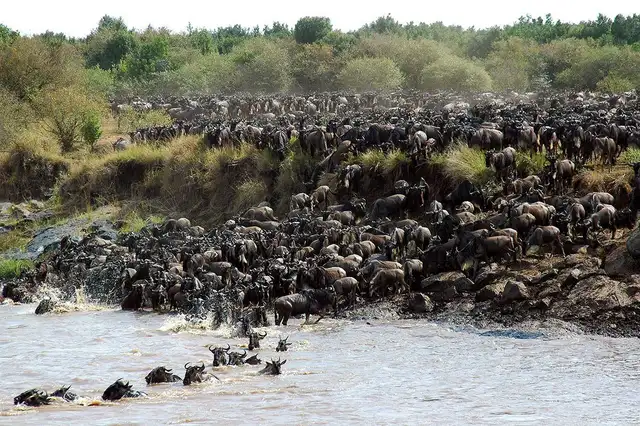
From July to October, the wildebeest migration reaches northern Serengeti and starts crossing the Mara River. On Tanzania safari tours, this is the most dramatic wildlife event you can see. Thousands of wildebeests and zebras line up at the river banks, then plunge into the water while crocodiles wait below. Crossings do not happen every day, but your guide knows where to wait based on herd movements. Many days you see multiple crossings with dust flying and animals grunting. This event alone makes Tanzania safari tours during dry season worth your time and money. Bring patience because you might wait hours for one crossing. The payoff is unforgettable action that wet season travelers never see.
3. Short Grass Makes Animals Easy to Spot
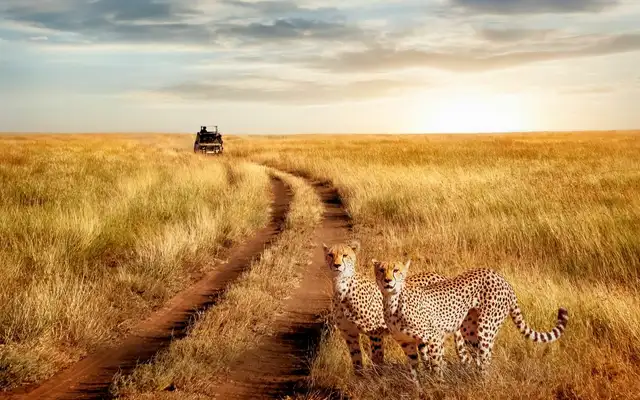
Rainy season grass grows tall and hides even large animals like lions. During dry season, the grass gets eaten down or turns brown and short. On Tanzania safari tours, you see animals from far away because nothing blocks your view. This helps you spot predators before they spot you. You also take better photos without leaves or stems in the frame. The short grass in the Serengeti plains and Ngorongoro Crater floor gives you clear sightlines across kilometers of open land. You waste less time searching and more time watching. Tanzania safari tours in dry months let you cover more ground with your eyes, not just your vehicle. This means more sightings per hour of driving.
4. Roads Are Dry and Easy to Drive
Mud is a serious problem during the wet season. Roads turn into slippery clay that gets vehicles stuck for hours. On Tanzania safari tours during dry season, you expect firm, dry roads that let your driver move fast between sightings. You also reach remote areas of parks that become impossible to access when rains hit. This means you cover more ground each day and see more animals. The comfort level goes up because you are not bouncing through deep mud or waiting for rescue. Tanzania safari tours on dry roads keep you moving and comfortable. Your driver spends less time fixing stuck tires and more time finding animals. You arrive at your lodge earlier each evening.
5. Less Mosquitoes and Lower Disease Risk
Malaria-carrying mosquitoes breed in standing water. The dry season has very little standing water, so you see far fewer mosquitoes. On Tanzania safari tours during dry months, you lower your risk of getting sick and spend less money on anti-malarial drugs. You still use repellent and sleep under nets, but the annoyance level drops significantly. Your evenings outside the tent or lodge become pleasant without swarms of bugs. Families with children especially prefer Tanzania safari tours in dry season for this reason. You focus on watching animals instead of itching bites or worrying about fever. Less bug spray also means less sticky skin during hot afternoons.
6. Clear Skies and Reliable Sunshine
Expect blue skies and bright sunshine every day during dry season. Rain might fall once or twice, but it passes quickly. On Tanzania safari tours, this reliable weather means your game drives never get canceled due to storms. You also get better lighting for photography, especially during sunrise and sunset. The sun rises at the same time each day, so you plan your morning departures with confidence. Clear skies also give you good views of Mount Kilimanjaro from the Tanzanian side. Tanzania safari tours in dry season deliver predictable weather you can plan around. You pack less rain gear and more sunscreen. Your camera works with natural light instead of fighting dark clouds.
7. The Ngorongoro Crater Floor Is Less Slippery
The Ngorongoro Crater floor turns into a muddy mess during wet months. Vehicles slide down the steep rim road and get stuck at the bottom. On Tanzania safari tours during dry season, you expect firm ground across the entire crater floor. Your vehicle drives right up to lions, rhinos, and elephants without slipping or sinking. The rim road stays safe for climbing in and out. You spend your full game drive time watching animals instead of waiting for rescue. The crater holds the best chance of seeing black rhinos in all of Tanzania. Tanzania safari tours in dry conditions give you the best shot at finding them. Your guide drives confidently without worrying about getting stuck and wasting your paid hours.
8. Birds Are Still Active and Visible
Many people think birds disappear during dry season, but the opposite is true. On Tanzania safari tours, you see plenty of bird species because they gather around remaining water sources just like mammals. Secretary birds, ostriches, crowned cranes, and fish eagles remain active. The bare trees and short grass make birds easier to spot than in wet months when leaves hide them. You also see large flocks of quelea and other small birds drinking at waterholes. Tanzania safari tours in dry season still deliver excellent birdwatching alongside the big mammal action. Bring your binoculars and bird book. You will tick off many species without extra effort. Bird activity peaks in the morning and late afternoon.
9. Lodges and Camps Run at Full Capacity
Because dry season is peak travel time, all lodges and camps stay open and fully staffed. On Tanzania safari tours during these months, you get hot meals, cold drinks, running water, and working electricity at every stop. The guides working now are the most experienced because tour companies send their best staff to handle the busy period. You also access mobile tented camps that follow the migration, which does not happen during low season. The downside is higher prices and fewer vacancies, so book early. Tanzania safari tours in dry season give you the widest choice of places to stay. You pick from luxury lodges, mid-range camps, or budget options all running at full service.
10. Night Drives and Walking Safaris Are Safer
Some parks and private concessions offer night drives and walking safaris. During the wet season, these activities get canceled often because of slippery ground and flooded trails. On Tanzania safari tours in dry season, you expect these activities to run on schedule. Walking safaris let you see tracks, insects, and smaller animals that you miss from a vehicle. Night drives using spotlights reveal nocturnal animals like genets, civets, bush babies, and maybe a leopard moving after dark. The dry ground means your feet stay clean on walks and your vehicle does not slide on night roads. Tanzania safari tours in dry months add these extra experiences that wet season travelers often miss. Ask your lodge if they offer them
Best places to visit for Tanzania safari tours in the dry season
The Serengeti National Park is the top destination for Tanzania safari tours in the dry season. From June to October, the wildebeest migration gathers in the northern Serengeti near the Mara River, where you watch thousands of animals cross through crocodile-filled water. The short grass across the plains makes predators like lions, leopards, and cheetahs easy to spot. You also see large herds of zebras, giraffes, and elephants without driving long distances. The dry weather keeps roads firm, so your vehicle reaches remote areas that close during wet months. A Tanzania safari tours trip to the Serengeti during dry season delivers the highest concentration of wildlife anywhere in Africa.
The Ngorongoro Crater is your best bet for seeing the black rhino on Tanzania safari tours in dry months. The crater floor stays firm and dry, unlike the muddy mess it becomes during wet season. Your vehicle drives right up to lions, elephants, and buffalos without slipping or sinking. The short grass gives you clear views across the entire floor, so you waste no time searching. The crater holds one of the highest densities of predators in Africa. You expect to see hippos in the pools, hyenas at their dens, and maybe a leopard in the acacia trees. A Tanzania safari tours day in Ngorongoro during dry season is short but packed.
Tarangire National Park becomes a wildlife magnet during the dry season because the Tarangiri River is the only water source for miles. On Tanzania safari tours here from June to October, you see hundreds of elephants gathering along the riverbanks, along with large herds of zebras, wildebeests, and buffalos. The baobab trees drop their leaves, making animals easier to spot. Lions climb the ancient baobab branches, a behavior you rarely see elsewhere. The park receives far fewer visitors than the Serengeti, so you share sightings with fewer vehicles. Tanzania safari tours to Tarangire in dry months give you big elephant herds without big crowds
How to get to Tanzania safari tours during dry season
Most travelers start their Tanzania safari tours during dry season by flying into Kilimanjaro International Airport (JRO) near Arusha or Julius Nyerere International Airport (DAR) in Dar es Salaam. Kilimanjaro airport is closer to the northern parks like Serengeti, Ngorongoro, and Tarangire, so it is the better choice for dry season trips. From the airport, your tour operator's driver meets you and drives you to Arusha town, about one hour away. Many Tanzania safari tours include this transfer in the package price. The next day, you drive from Arusha to your first park, with travel times ranging from two hours to Tarangire up to six hours to the Serengeti. During dry season, all roads are firm and passable, so you avoid the long delays caused by mud. You can also take a domestic flight from Arusha or Dar es Salaam directly into the Serengeti to save driving time. Booking your Tanzania safari tours with a local operator like Lamz Tours and Travel means they arrange all your transport, from airport pickup to park transfers, so you do not worry about car rentals or bus schedules
Best safari tips for experiencing Tanzania safari tours in dry season
Book your Tanzania safari tours early because dry season is peak time and lodges fill up months in advance. Aim to reserve your spots at least four to six months before travel, especially if you want to stay in mobile camps that follow the migration. Pack neutral colored clothes in brown, green, or khaki and avoid white or black because those colors stand out in the bush. Bring a warm jacket for early morning drives, as temperatures start cold but heat up by midday. Sunscreen, a wide hat, and sunglasses protect you from strong sun since dry season skies are clear. Carry binoculars for each person, not just one pair to share. On Tanzania safari tours, having your own binoculars means you never miss a moment. Drink plenty of water because dry air and sun dehydrate you faster than you realize.
Wake up early every day of your Tanzania safari tours because animals are most active at dawn and dusk. Plan to leave your lodge by 6:00 AM to catch predators returning from night hunts. Take a break at your lodge during the hot midday hours when animals rest in shade. Go back out for late afternoon drives from 4:00 PM until sunset. Listen to your guide's advice about wind direction, because animals smell you before they see you. Stay quiet in the vehicle and avoid sudden movements when you find a good sighting. Ask your guide to position the vehicle for the best light if you take photos. Tanzania safari tours reward patient people who wait at water sources instead of rushing between sightings. The dry season gives you firm roads and clear views, but your behavior in the vehicle determines how many animals you actually see
What to bring for Tanzania safari tours in dry season
For Tanzania safari tours in dry season, pack sturdy neutral-colored clothing in brown, green, or khaki avoid white and black because they stand out in the bush. Bring long pants and long-sleeved shirts for morning drives when temperatures are cold, plus short sleeves for hot afternoons. A warm fleece or light jacket is necessary for dawn starts, as temperatures can drop to 10°C (50°F) before sunrise. Sturdy closed shoes or hiking boots protect your feet when you step out of the vehicle. Sunscreen, a wide-brimmed hat, and polarized sunglasses are essential because dry season skies are clear and the sun is strong. Bring binoculars for each person, not just one pair to share, so everyone spots animals at the same time. Pack insect repellent with DEET even though mosquitoes are fewer in dry months. A reusable water bottle keeps you hydrated during long game drives. Your camera needs extra batteries and memory cards because you will shoot more than you expect. A headlamp or small flashlight helps you walk around the lodge at night. For Tanzania safari tours, pack a small daypack to carry your water, sunscreen, and extra layers during full-day drives. Leave bright colors, heavy suitcases, and drones (which need permits) at home
Best lodges and camps to stay in for Tanzania safari tours
Tanzania safari tours, top lodges and camps vary by park. In the Serengeti, luxury options include Four Seasons Safari Lodge and Singita Grumeti Lodge, while tented camps like Sayari Camp and Serengeti Pioneer Camp offer an authentic bush experience close to the migration . Lake Masek Tented Lodge sits in the southern Serengeti overlooking Lake Masek with 30 luxury tents featuring outdoor showers . In Ngorongoro, the new Lemala Osonjoi Lodge sits on the eastern crater rim, just 20 minutes from the crater floor via the least-used descent road, offering 20 suites with wood stoves and an indoor heated pool. For Tarangire, Oliver's Camp is a standout in the remote southern section, offering exclusive walking safaris (only three camps have this permit) and night drives from ten tented suites overlooking the Silale Swamps where hundreds of elephants gather in dry season . Osunyai Lamarkau is another remote Tarangire option with six en-suite tents on the edge of Lamarkau Swamp . For a complete Tanzania safari tours circuit, Lemala properties connect Hamerkop House in Arusha, Mpingo Ridge in Tarangire, and Nanyukie Lodge in the Serengeti . Book all properties well in advance because dry season fills up quickly
Booking Tanzania safari tours with Lamz Tours and Travel
Booking Tanzania safari tours with Lamz Tours and Travel ensures a smooth, well-planned experience that balances wildlife viewing with traveler comfort. As specialists in East African safaris, Lamz Tours and Travel organizes every detail from airport pickup to lodge reservations so you don’t worry about logistics. Our itineraries highlight the Serengeti for the Great Migration, Ngorongoro Crater for rhino sightings, and Tarangire for massive elephant herds, all during the dry season when wildlife is concentrated and roads are firm. Experienced guides maximize sightings by knowing the best waterholes and predator hotspots, while lodges and camps are carefully selected for quality service. With Lamz Tours and Travel, Tanzania safari tours become efficient, reliable, and rewarding, giving travelers confidence that every day is optimized for wildlife and comfort
Ready to plan your safari?
Talk to a Lamz Tours specialist and get a tailor-made quote.
Make an enquiry