Find the best things to do in northern Tanzania safari parks Serengeti, Ngorongoro, Tarangire, Manyara, Arusha, and Kilimanjaro. Wildlife, culture, and adventure.
Northern Tanzania is home to some of Africa’s most diverse and rewarding safari experiences. From the sweeping plains of Serengeti to the dramatic crater of Ngorongoro, each park offers something unique. Travelers can witness the Great Migration, track big cats, explore volcanic landscapes, and enjoy rare wildlife sightings all within a well-connected region. The northern Tanzania safari parks are ideal for both first-time visitors and seasoned explorers, offering a mix of game drives, walking safaris, cultural visits, and scenic activities like hot air ballooning and canoeing. With reliable infrastructure and a range of accommodations, planning a safari here is straightforward and flexible.
What sets northern Tanzania safari parks apart is its ability to combine wildlife, culture, and natural beauty in one itinerary. You can photograph elephants under ancient baobab trees in Tarangire, hike forest trails in Arusha, or sip fresh coffee near Kilimanjaro’s slopes. The region also supports conservation and community-based tourism, making your visit meaningful beyond the game drive. Whether you’re chasing the Great Migration or looking for quiet birdwatching spots, Tanzania safari parks deliver high-value experiences with minimal hassle. This guide highlights the best things to do across these parks, helping you plan a trip that’s rich in wildlife, culture, and unforgettable moments
Top packages to Tanzania Safari Parks
2-days-fly-in-serengeti-safari-in-tanzania
2-days-tarangire-national-park-and-ngorongoro-crater-safari
3-days-tanzania-safari-in-serengeti-national-park
3-days-tanzania-wildlife-safari
4-days-epic-tanzania-wildlife-and-culture-safari
5-day-kenya-and-tanzania-safari
5-days-circuit-wildlife-safari-in-tanzania
6-days-ndutu-migration-safari-calving-season
8-day-serengeti-ngorongoro-crater-and-zanzibar
8-days-wildlife-and-beach-holiday-tanzania
Serengeti National Park The Great Migration and Big Cats
1. Witness the Great Migration from Dec–Jul in the south, Jul–Oct in the north
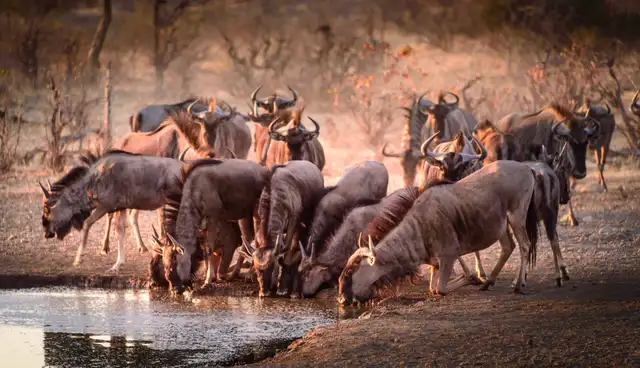
The Great Migration is one of the most intense wildlife events in the northern Tanzania safari parks. From December to July, herds gather in the southern Serengeti to graze and give birth. By July, they move north, crossing rivers filled with crocodiles. Watching thousands of wildebeest and zebras push forward in search of grass is a raw display of survival. Visitors planning a Tanzania safari parks experience should time their trip based on the migration’s location. Staying near the Mara River between July and October offers the best chance to see dramatic crossings. Lodges and mobile camps adjust locations to follow the herds, making it easier to stay close to the action. This event is not just about numbers it’s about movement, tension, and nature’s rhythm.
2. Big Cat Safaris with Highest density of lions, leopards, and cheetahs
Serengeti is unmatched when it comes to predators. The northern Tanzania safari parks, especially the central and eastern Serengeti, are known for having the highest concentration of lions in Africa. Cheetahs roam the open plains, using speed to hunt during daylight, while leopards prefer wooded areas and are often seen lounging in trees. For travelers focused on wildlife photography or simply wanting to see these animals in their natural setting, Tanzania safari parks offer reliable sightings. Guides know the territories and behaviors of resident cats, increasing your chances of close views. Game drives early in the morning or late afternoon are best, when cats are most active. Patience pays off watching a pride of lions interact or a cheetah stalk prey is worth every minute spent tracking.
3. Hot Air Balloon Safari a Sunrise flight and champagne breakfast
A hot air balloon ride over the Serengeti offers a quiet way to see wildlife from above. As the sun rises, the balloon lifts off, giving wide views of the northern Tanzania safari parks. Herds of animals appear as moving dots, and you may spot elephants, giraffes, or even predators from a safe distance. The flight lasts about an hour and ends with a bush breakfast, often including champagne. It’s a peaceful break from game drives and gives a new angle on the landscape. Tanzania safari parks are known for their open plains, and this activity highlights their scale and diversity. While it’s a premium experience, many travelers say it’s worth the cost for the views and calm. Booking in advance is recommended, especially during peak migration months.
4. Retina Hippo Pool with Hundreds of hippos in one waterhole
The Retina Hippo Pool is a must-stop in the central Serengeti, where visitors can see dozens sometimes hundreds of hippos packed into a single waterhole. It’s one of the most active spots in the northern Tanzania safari parks. Hippos spend most of the day submerged to stay cool, but their grunts, splashes, and occasional fights make the pool lively. Tanzania safari parks offer many water sources, but this one stands out for its sheer numbers and accessibility. There’s a viewpoint above the pool where you can safely watch without disturbing the animals. Guides often include this stop during midday drives when other wildlife is less active. It’s a great place to take a break, observe behavior, and learn about hippo social life. Just be ready for the smell it’s part of the experience
Ngorongoro Crater The "Eden of Africa"
Game Drives in the Crater A natural amphitheater teeming with lions, elephants, rhinos, and flamingos
Ngorongoro Crater is one of the most compact wildlife areas in the northern Tanzania safari parks, with a high concentration of animals in a small space. The crater floor is home to lions, elephants, buffalo, and large flocks of flamingos around Lake Magadi. Its enclosed shape makes sightings more predictable, which is ideal for travelers with limited time. Tanzania safari parks often require long drives between sightings, but here, everything is close. The crater’s grasslands and swamps support a wide range of species, and the views from the rim are stunning. Morning game drives are best, as animals are more active and the light is softer. Park rules limit the number of vehicles, so booking early helps secure access. It’s a great choice for families or first-time safari-goers.
See the Rare Black Rhino One of the best places in Tanzania to spot them
Ngorongoro Crater is one of the few places in the northern Tanzania safari parks where you can reliably see black rhinos. These critically endangered animals are shy and often hard to find, but the crater’s open terrain makes spotting easier. Rangers monitor the rhino population closely, and guides know where they tend to graze. Tanzania safari parks have made strong efforts to protect rhinos, and Ngorongoro’s enclosed environment helps reduce threats. Visitors should bring binoculars, as rhinos often stay at a distance. Seeing one in the wild is a rare and meaningful experience. It’s also a chance to learn about conservation efforts and the challenges facing these animals. Patience and timing matter early morning or late afternoon drives offer the best chance.
Visit Olduvai Gorge The "Cradle of Mankind," where early human fossils were discovered
Olduvai Gorge is a short drive from Ngorongoro and adds a historical layer to your visit to the northern Tanzania safari parks. This site is famous for discoveries of early human fossils and tools, offering insight into human evolution. A small museum explains the findings and the work of scientists like Louis and Mary Leakey. Tanzania safari parks are known for wildlife, but Olduvai shows the deep human connection to the land. Visitors can walk along parts of the gorge and see excavation sites. It’s a good stop for travelers interested in anthropology or history. Guides often include it in longer itineraries between Serengeti and Ngorongoro. The visit takes about an hour and adds variety to your safari without needing extra travel days.
Maasai Cultural Visits, Interact with Maasai warriors in nearby villages
Near Ngorongoro, several Maasai villages welcome visitors for short cultural tours. These visits offer a look into daily life, traditions, and values of one of East Africa’s most recognized communities. In the northern Tanzania safari parks, the Maasai are part of the landscape they live alongside wildlife and maintain a pastoral lifestyle. Tanzania safari parks often include these visits to help travelers understand the human side of conservation. Guests can watch traditional dances, learn about cattle herding, and see how homes are built. It’s important to choose villages that work with local guides and follow respectful tourism practices. These visits are best when they’re interactive and informative, not staged. They add depth to your trip and support local communities directly.
Tarangire National Park Elephant Paradise
Huge Elephant Herds, Over 3,000 elephants roam here, especially in the dry season (Jun–Oct)
Tarangire is one of the most reliable northern Tanzania safari parks for seeing elephants in large numbers. During the dry season from June to October, animals gather around the Tarangire River, and elephant herds dominate the landscape. You might see groups of 50 or more at once bathing, feeding, or moving through the bush. Tanzania safari parks vary in terrain, but Tarangire’s mix of woodland and open areas makes it easy to follow these giants. The park is less crowded than Serengeti or Ngorongoro, offering a quieter experience. Guides often focus on elephant behavior, from family dynamics to how they use their trunks. It’s a great spot for photography and for travelers who want to avoid long drives between sightings. The dry season is best, but elephants are present year-round.
Ancient Baobab Trees – Iconic scenery perfect for photography
Tarangire’s landscape is shaped by massive baobab trees, some over 1,000 years old. These trees are a signature feature of the northern Tanzania safari parks and give the park a distinct look. Their thick trunks and twisted branches make them ideal subjects for photography, especially at sunrise or sunset. Tanzania safari parks often blend wildlife and scenery, and Tarangire does this well. Baobabs also play a role in the ecosystem elephants strip their bark for moisture, and birds nest in their hollows. Visitors can stop at viewpoints to take photos or simply enjoy the quiet. The trees are spread throughout the park, so you’ll see them on most drives. They add character to the landscape and make Tarangire feel different from other parks in the region.
Tree-Climbing Lions and Rare Fringe-Eared Oryx the Unique wildlife sightings
Tarangire is one of the few northern Tanzania safari parks where lions are known to climb trees. While this behavior is rare, it’s seen here and in Lake Manyara. Spotting a lion stretched across a branch is unusual and makes for a memorable photo. The park is also home to the fringe-eared oryx, a rare antelope with long horns and distinctive ears. Tanzania safari parks offer a wide range of wildlife, but Tarangire stands out for these unique species. Guides know the areas where tree-climbing lions are most often seen, usually in the southern part of the park. The oryx prefers dry, open terrain and is best spotted during early morning drives. These sightings add variety to your safari and show that Tarangire is more than just elephants
Lake Manyara National Park the Birdwatcher’s Dream
Flamingo-Filled Lakeshores where Thousands of pink flamingos gather
Lake Manyara is one of the most compact northern Tanzania safari parks, yet it offers rich birdlife, especially along its alkaline lake. Thousands of flamingos gather here, feeding on algae and creating a pink band along the shoreline. It’s a top spot for birdwatchers and photographers looking for color and movement. Tanzania safari parks vary in habitat, and Manyara’s mix of forest, grassland, and water attracts over 400 bird species. Visitors can also see pelicans, storks, and kingfishers. The best time for flamingo sightings is during the wet season, when water levels are high. The lake is easily accessible from the park entrance, making it a quick stop for travelers on tight schedules. It’s a peaceful contrast to the larger parks and adds diversity to any itinerary.
Tree-Climbing Lions, A rare behavior seen in this park
Lake Manyara is one of the few northern Tanzania safari parks where lions climb trees regularly. While most lions prefer the ground, those in Manyara often rest on branches to escape insects or catch a breeze. Spotting a lion draped over a tree limb is unusual and makes this park stand out. Tanzania safari parks like Serengeti and Tarangire also report this behavior, but Manyara offers more consistent sightings. Guides know the areas where these lions are most active, usually in the southern woodlands. Visitors should keep their eyes on fig and acacia trees during drives. Seeing a predator in such a relaxed pose adds a different layer to wildlife viewing. It’s a good reminder that animal behavior can vary even within the same species.
Canopy Walkway – A treetop perspective of the forest
Lake Manyara’s canopy walkway gives visitors a chance to see the forest from above. Suspended bridges stretch through the trees, offering views of monkeys, birds, and the forest floor below. It’s one of the few northern Tanzania safari parks with this kind of activity, adding variety to the usual game drive format. Tanzania safari parks often focus on open plains, but Manyara’s groundwater forest is dense and full of life. The walkway is safe and guided, making it suitable for families and those wanting a short walk. It’s especially good for spotting blue monkeys and hornbills. The experience takes about 30 minutes and is located near the park entrance, so it fits easily into a half-day visit. It’s a quiet, shaded break from the vehicle and adds a new angle to wildlife viewing
5. Kilimanjaro National Park the Africa’s Highest Peak
Climb Mount Kilimanjaro (5–9 days, various routes like Machame and Lemosho)
Mount Kilimanjaro is the tallest mountain in Africa and a major draw within the northern Tanzania safari parks. Climbers can choose from several routes, with Machame and Lemosho offering good acclimatization and scenic variety. The trek takes 5 to 9 days depending on the route and pace. Tanzania safari parks are known for wildlife, but Kilimanjaro adds a physical challenge and dramatic landscapes. Climbers pass through rainforest, moorland, alpine desert, and finally reach the icy summit. Success depends on preparation choosing a licensed operator, training beforehand, and packing properly. Altitude sickness is a concern, so slower routes are safer. Porters and guides support the climb, and regulations ensure ethical treatment. Reaching Uhuru Peak is demanding but possible for fit travelers with the right mindset and support.
Day Hikes to Shira Plateau or Mandara Hut For those short on time
Not everyone has time or interest in a full summit climb, and Kilimanjaro National Park offers shorter hikes that still showcase the mountain’s beauty. Shira Plateau and Mandara Hut are popular options for day trips. These areas lie within the northern Tanzania safari parks and give visitors a taste of Kilimanjaro’s terrain without the altitude risk. Tanzania safari parks often focus on wildlife, but these hikes highlight forest life, volcanic features, and panoramic views. Local guides lead the way, sharing knowledge about plants, animals, and geology. Day hikes are ideal for families, older travelers, or those combining Kilimanjaro with other parks. They require moderate fitness and good walking shoes. It’s a way to enjoy the mountain without committing to a multi-day trek.
Coffee Plantation Tours Around Moshi or Arusha
The slopes around Kilimanjaro are rich with coffee farms, and many offer tours that combine agriculture, culture, and tasting. These experiences are a relaxing addition to a visit to the northern Tanzania safari parks. Travelers can walk through fields, learn how beans are grown and processed, and enjoy fresh coffee brewed on-site. Tanzania safari parks are often paired with cultural stops, and coffee tours near Moshi or Arusha fit well into pre- or post-safari plans. Local cooperatives and family-run farms offer more personal experiences, and some include lunch or village walks. It’s a good way to support small producers and learn about one of Tanzania’s key exports. The tours are easy to arrange and don’t require long travel, making them perfect for short stays
Arusha National Park the Underrated Gem
Canoe Safari on Momella Lakes Spot hippos and waterbirds
Arusha National Park offers a rare activity among northern Tanzania safari parks a guided canoe safari. Paddling across the calm Momella Lakes, visitors can spot hippos, waterbirds, and sometimes giraffes along the shore. It’s a quiet, low-impact way to enjoy wildlife without a vehicle. Tanzania safari parks usually focus on game drives, but this park adds variety with water-based viewing. The lakes attract flamingos, herons, and kingfishers, making it ideal for birdwatchers. Canoe trips are led by trained guides and last about two hours. They’re suitable for most fitness levels and offer a peaceful break from the usual safari pace. Safety is well managed, and the views of Mount Meru in the background make the experience even more memorable. It’s a great option for travelers looking for something different.
Hike to Mount Meru Waterfalls – A scenic half-day trek
For those who enjoy walking, Arusha National Park includes trails to Mount Meru’s waterfalls. This half-day hike passes through forest filled with colobus monkeys, birds, and wildflowers. It’s one of the few northern Tanzania safari parks where hiking is a main activity. Tanzania safari parks often focus on vehicle-based exploration, but here, you can stretch your legs and enjoy the terrain up close. The trail is moderately challenging and guided, making it safe and informative. The waterfall itself is a refreshing stop, especially during the green season when water flow is strong. Hikers should wear sturdy shoes and carry water. It’s a good way to combine nature and exercise, and it fits easily into a day trip from Arusha town. The park’s compact size makes logistics simple.
See Giraffes and Buffaloes Against Kilimanjaro Views
Arusha National Park is one of the few northern Tanzania safari parks where you can photograph giraffes and buffaloes with Mount Kilimanjaro in the background. The open grasslands near the Momella Lakes are home to these animals, and the mountain often appears clearly on dry-season mornings. Tanzania safari parks are known for dramatic landscapes, and this park delivers strong visuals in a small area. Visitors can take short game drives or walk with a ranger to get closer to wildlife. The contrast between animals and the snow-capped peak makes for striking photos. It’s a good choice for travelers who want to avoid crowds and still enjoy classic safari scenes. The park is close to Arusha town, making it perfect for a one-day visit or a soft start to a longer trip
Best Time to Visit Northern Tanzania Safari Parks for things to do
The dry season from June to October is the most popular time to explore northern Tanzania safari parks. Wildlife viewing is at its peak, especially in Serengeti where the Great Migration moves through river crossings and open plains. Animals gather around water sources, making them easier to spot. Tarangire sees large elephant herds, and Ngorongoro Crater offers clear views of predators and rhinos. Roads are more accessible, and skies are clear, which helps with photography. However, this is also the busiest time, so booking lodges and camps early is essential. Prices tend to be higher, and some areas may feel crowded, especially in Serengeti and Ngorongoro.
From November to May, the green season brings rain, but also lush scenery and fewer tourists. Northern Tanzania safari parks are quieter, and birdlife is abundant, especially around Lake Manyara and Arusha. Calving season in the southern Serengeti (Jan–Feb) attracts predators and offers dramatic sightings. While some roads may be muddy, many lodges remain open and offer lower rates. It’s a good time for travelers who prefer solitude and don’t mind occasional showers. Packing waterproof gear and choosing 4x4 vehicles helps navigate the terrain. Guides are skilled at adjusting routes based on weather, so you’ll still get strong wildlife experiences without the crowds
How to get there to Northern Tanzania Safari Parks for things to do
Getting to the northern Tanzania safari parks is straightforward, with Kilimanjaro International Airport (JRO) serving as the main entry point. Located between Arusha and Moshi, it’s well-connected to major hubs like Nairobi, Addis Ababa, Doha, and Amsterdam. From the airport, most travelers start in Arusha, the safari hub, where tours to Serengeti, Ngorongoro, Tarangire, Lake Manyara, and Arusha National Park begin. Tanzania safari parks are linked by a network of roads, and 4x4 vehicles are used for comfort and access. For longer distances, especially to Serengeti, small charter flights from Arusha or Kilimanjaro save time and offer aerial views. Booking through a trusted tour operator ensures smooth logistics, including transfers, park fees, and accommodations
What to carry for things to do in Northern Tanzania Safari Parks
When visiting northern Tanzania safari parks, pack light but smart. Bring neutral-colored clothing (long sleeves and pants) for sun protection and to blend into the environment. A wide-brimmed hat, sunglasses, and sunscreen are essential for daytime drives. Sturdy walking shoes are needed for hikes or walking safaris, and a warm layer helps with chilly mornings. Tanzania safari parks vary in terrain, so a waterproof jacket is useful during the green season. Don’t forget binoculars for wildlife viewing, a camera with extra batteries, insect repellent, and a reusable water bottle. Personal medications, travel documents, and a small daypack round out the essentials. Most lodges provide basic toiletries, so focus on gear that supports comfort, safety, and wildlife observation
Best places to stay for things to do in Northern Tanzania Safari Parks
Northern Tanzania safari parks offer a wide range of accommodations to match different travel styles. In Serengeti, luxury lodges like Four Seasons Safari Lodge and tented camps such as Serengeti Under Canvas provide prime access to wildlife and the Great Migration. Ngorongoro Crater has standout options like Ngorongoro Crater Lodge for panoramic views and quick access to game drives2. Tarangire features Elewana Tarangire Treetops and mid-range camps near the river, ideal for elephant sightings. Lake Manyara offers boutique lodges like Lake Manyara Tree Lodge, while Arusha National Park has cozy forest lodges and day-trip-friendly stays near Arusha town. For Kilimanjaro, base yourself in Moshi or Arusha at places like Kaliwa Lodge or Rivertrees Country Inn. Booking through a trusted operator ensures smooth logistics and helps match your stay to your itinerary
Why book Northern Tanzania Safari Parks with Lamz Tours and Travel
Lamz Tours and Travel offers expertly crafted itineraries that connect all the major northern Tanzania safari parks Serengeti, Ngorongoro, Tarangire, Lake Manyara, Arusha, and Kilimanjaro with seamless logistics and personalized service. Our team understands the region’s rhythms, from the timing of the Great Migration to the best spots for rare wildlife like black rhinos and fringe-eared oryx. With Lamz Tours and Travel, travelers benefit from local knowledge, ethical tourism practices, and flexible options ranging from luxury lodges to budget-friendly camps. We also integrate cultural visits and conservation-focused activities, ensuring your trip goes beyond sightseeing. Whether you're planning a short escape or a multi-country adventure, Lamz Tours and Travel makes navigating Tanzania safari parks smooth, safe, and rewarding
Ready to plan your safari?
Talk to a Lamz Tours specialist and get a tailor-made quote.
Make an enquiry