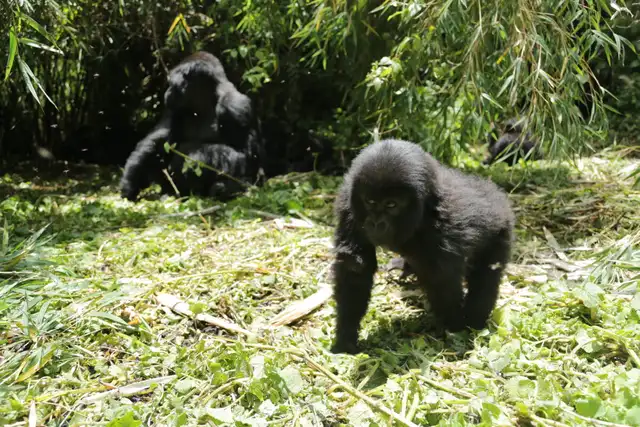
Smart guide to Rwanda gorilla treks covering permits, packing, trekking tips, timing, transport, and post-trek reflection for a smooth and meaningful experience.
Best preparation is where every successful Rwanda gorilla treks begins. From securing your permit to packing the right gear, the groundwork you lay before stepping into Volcanoes National Park shapes the entire experience. With only a limited number of daily permits available, early booking is essential, especially during peak seasons. Physical readiness is just as important; the treks can be long and demanding, with steep, muddy trails at high altitudes. Knowing what to expect and preparing both body and mindset ensures you’re not caught off guard. Packing smart waterproof boots, gloves, snacks, and a camera adds comfort and lets you focus on the moment.
Once trekking day arrives, the real magic begins. The pre-trek briefing sets the tone, assigning you to a gorilla family and reviewing the rules that protect both visitors and wildlife. The hike itself is a deep dive into Rwanda’s rainforest, with every step building anticipation. Then comes the “gorilla hour” a quiet, powerful moment shared with one of the world’s most endangered species. Afterward, there’s time to reflect, tip your guides, and celebrate your achievement. Rwanda gorilla treks are more than a wildlife experience they’re a personal challenge, a conservation effort, and a story you’ll carry long after you leave the forest
Best Rwanda gorilla safari packages
2 day Gorilla trekking safari in Rwanda
2 Days Nyungwe Chimpanzee and Canopy Walk Safari in Rwanda
3 Days Gorilla and Golden Monkey Trekking Rwanda Tour
3 Days Safari to Rwanda and Uganda Gorilla Trekking
4 Days Luxury Gorilla Tracking Rwanda Tour
4 Days Primate Safari to Rwanda with Gorillas and Chimps
5 Days in Rwanda with Gorillas and Akagera Big Five Safari
8 Days Rwanda Cultural and Primate Experience
3Days Rwanda Safari Holiday with Gorilla Trekking
12 Days Rwanda Safari in Volcanoes, Nyungwe and Akagera National Park
Best Preparation and The Build-Up for Rwanda gorilla treks
1. Secure Your Permit Well in Advance
The most important step for Rwanda gorilla treks is securing your permit early. Only a limited number are issued daily to protect the gorillas, so waiting too long can mean missing out. Permits are available through the Rwanda Development Board or trusted tour operators who can handle the process for you. For Rwanda gorilla treks during peak seasons June to September and December to February booking six months to a year ahead is smart. This ensures your preferred dates and avoids last-minute stress. Without a permit, you simply can’t go, so make this your first priority when planning your trip.
2. Get Physically and Mentally Prepared
Rwanda gorilla treks involve hiking through steep, muddy, and sometimes slippery terrain at high altitudes. To enjoy the experience, start preparing your body weeks in advance with cardio exercises like hiking, stair climbing, or jogging. Rwanda gorilla treks can last several hours, so stamina matters. Mentally, be ready for unpredictable weather, dense vegetation, and the need to stay patient and positive. A good mindset helps you stay focused and enjoy the process, even when it gets tough. Being prepared physically and mentally makes the trek more manageable and lets you focus on the experience rather than the discomfort.
3. Pack the Perfect Daypack
What you carry can make or break your comfort during Rwanda gorilla treks. A small, sturdy daypack should include waterproof hiking boots (already broken in), gardening gloves for pushing through thick plants, and long socks to tuck into your pants to keep bugs out. Rwanda gorilla treks often involve rain, so a waterproof jacket and long-sleeved clothing in neutral colors are essential. Don’t forget a packed lunch, plenty of water, energy snacks, a camera (no flash), extra batteries, and a small first-aid kit. Binoculars help spot wildlife, and cash for porter tips is appreciated. Pack light but smart to stay comfortable all day.
On Trekking Day and Rwanda gorilla treks experience
4. Attend the Pre-Trek Briefing
Every Rwanda gorilla treks experience begins with a mandatory pre-trek briefing at Volcanoes National Park headquarters in Kinigi. This session sets the tone for the day and ensures everyone understands the rules. During the briefing, park rangers assign you to a specific gorilla family based on your fitness level and preferences. They also explain how to behave around the gorillas maintaining distance, avoiding sudden movements, and wearing a mask to protect the animals. Rwanda gorilla treks rely on strict conservation protocols, and this briefing is key to keeping both visitors and gorillas safe. It’s also a chance to ask questions and mentally prepare for the hike ahead.
5. The Trek Through the Rainforest
The hike is a major part of Rwanda gorilla treks and can last anywhere from 30 minutes to over four hours, depending on where the gorilla family is located. The terrain is steep, muddy, and often slippery, so hiring a porter is highly recommended they help carry your bag and support the local economy. Rwanda gorilla treks take you through dense bamboo and montane rainforest, with views of misty volcanic peaks and rich biodiversity along the way. The trek itself is rewarding, offering a deep connection to the landscape before you even reach the gorillas.
6. The Unforgettable Gorilla Hour
The highlight of all Rwanda gorilla treks is the one hour you spend with the gorillas. Once your guides locate the group, they’ll signal you to prepare. You’ll likely hear rustling before you see them then suddenly, you’re face-to-face with a silverback and his family. During this hour, you’ll observe them eating, grooming, playing, and resting. Rwanda gorilla treks follow strict rules: keep a 7-meter distance, speak softly, wear a face mask, and never run if approached. This respectful approach protects the gorillas and ensures a calm, meaningful experience for everyone involved.
7. Capture the Moment
Photography is allowed during Rwanda gorilla treks, but it must be done with care. Use a zoom lens to avoid getting too close, and always turn off your flash and camera sounds. Shooting in burst mode helps capture subtle expressions and movements. Rwanda gorilla treks are not just about getting the perfect shot they’re about being present. Take a few moments to put the camera down and simply watch. The way the gorillas interact, care for their young, or rest in the foliage is powerful to witness. Balance your time between documenting and truly experiencing the moment
After the Rwnada gorilla treks, Reflection and Beyond
8. Celebrate Your Achievement
After completing Rwanda gorilla treks, head back to Volcanoes National Park headquarters to receive your official Gorilla Trekking Certificate. It’s a meaningful keepsake that marks your effort and participation in one of Africa’s most respected conservation experiences. Rwanda gorilla treks are physically and emotionally demanding, so this certificate is more than just paper it’s a reminder of your commitment to wildlife and responsible tourism. Many travelers frame it or keep it with their travel journals. It’s also a great way to share your achievement with friends and family once you’re back home.
9. Tip Your Guide and Team
Tipping is a respectful way to show appreciation after Rwanda gorilla treks. Your guide, trackers, and porter work hard to ensure your safety and comfort throughout the day. A general guideline is $10–$20 for the main guide, and around $10 each for the tracker and porter. Rwanda gorilla treks rely on local expertise, and tipping supports these professionals directly. Carry small USD bills or Rwandan francs to make tipping easy. If you’re unsure, ask your lodge or tour operator for advice. A thoughtful tip goes a long way in supporting the community and encouraging high-quality service.
10. Relax and Recount the Story
Once your Rwanda gorilla treks are complete, return to your lodge and take time to unwind. A hot bath, a good meal, and quiet reflection help you absorb the day’s emotions. Sharing stories with fellow travelers adds depth to the experience you’ll hear different perspectives and maybe even spot similarities in your reactions. Rwanda gorilla treks leave a lasting impression, and talking about it helps you process the excitement and meaning. Whether you journal, post photos, or simply sit with your thoughts, this quiet time is part of the reward. Let the day settle in you’ve earned it.
Best time to go for Rwanda gorilla treks
The best time to go for Rwanda gorilla treks is during the dry seasons June to September and December to February when hiking conditions are more stable and visibility is excellent. These months offer less rainfall, making the trails in Volcanoes National Park easier to navigate and reducing the chance of slippery terrain. Wildlife is also more active and easier to spot, and the cooler temperatures make the trek more comfortable. Because this is peak season, permits sell out fast, so booking several months in advance is essential. Rwanda gorilla treks during this time are ideal for travelers who want the most reliable trekking conditions and full lodge services.
If you prefer fewer crowds and lower rates, consider the green seasons March to May and October to November. These months bring more rain, which can make the trails muddy and the hike more challenging, but the forest is lush and beautiful, and gorilla sightings remain consistent. Rwanda gorilla treks in the off-season often feel more private, with fewer tourists and more availability at lodges. Some travelers find the green season more romantic and peaceful, especially with misty mountain views and vibrant vegetation. Just be sure to pack waterproof gear and prepare for variable weather.
How to get there for Rwanda gorilla treks
Getting to Rwanda for gorilla treks starts with flying into Kigali International Airport (KGL), the country’s main international gateway. Kigali is well-connected to major cities like Nairobi, Addis Ababa, and Brussels, making it accessible from most parts of the world. Once in Kigali, most travelers spend a night in the city to rest and prepare. From there, it’s a scenic 2.5 to 3-hour drive to Volcanoes National Park in the northwest, where all Rwanda gorilla treks begin. Tour operators usually arrange private transfers or group transport, and the roads are well-maintained, offering views of Rwanda’s rolling hills and rural life.
If you’re combining Rwanda gorilla treks with a wider East African itinerary, it’s easy to connect from Uganda, Kenya, or Tanzania by regional flights or overland routes. Some travelers fly into Kigali and continue to other destinations like Akagera National Park or Nyungwe Forest after their trek. For added convenience, many tour operators offer full-service packages that include airport pickup, accommodation, permits, and transport to the park. Whether you’re coming from abroad or within the region, reaching Rwanda gorilla treks is straightforward with good planning and reliable local support.
Best things to combine with Rwanda gorilla treks
Rwanda gorilla treks pair perfectly with golden monkey trekking in Volcanoes National Park. These lively primates are smaller, faster, and often found leaping through bamboo forests in playful groups. The trek is shorter and less demanding than gorilla tracking, making it a great follow-up or warm-up. Booking both activities gives you a broader view of Rwanda’s primate diversity. Many travelers say golden monkey trekking adds a light-hearted contrast to the intensity of Rwanda gorilla treks, and it’s ideal for families or those with limited time.
Another meaningful addition is the Dian Fossey Tomb Hike, which takes you to the final resting place of the legendary primatologist. The trail winds through dense forest and offers insight into her conservation legacy. You can also visit the Iby’Iwacu Cultural Village nearby, where locals share traditional Rwandan music, dance, and crafts. These experiences deepen your understanding of the region and complement Rwanda gorilla treks with cultural and historical context. They’re easy to arrange through your lodge or tour operator and add variety to your itinerary without requiring long travel times.
If you have extra time, spend a day in Kigali before or after your Rwanda gorilla treks. The Kigali Genocide Memorial is a powerful and educational stop that helps you understand Rwanda’s history and resilience. It’s well-organized and respectful, offering a quiet space for reflection. Supporting conservation is also part of the experience your gorilla permit fee helps fund protection efforts and community development. By combining Rwanda gorilla treks with cultural visits and conservation support, your trip becomes more balanced, impactful, and connected to the country’s story
How long to spend on Rwanda gorilla treks
Most travelers spend 2 to 3 days on Rwanda gorilla treks to allow for flexibility, rest, and added activities. One day is dedicated to the actual trek, which includes the briefing, hike, and one hour with the gorillas. The extra days give you time to recover, explore nearby options like golden monkey trekking or the Dian Fossey hike, and enjoy your lodge experience without rushing. Rwanda gorilla treks can be physically demanding, so having buffer time helps in case of delays or weather changes. Staying longer also supports local tourism and lets you fully appreciate the region’s culture and landscape
What to carry for best Rwanda gorilla treks
For the best Rwanda gorilla treks, pack a waterproof daypack with essentials that keep you dry, comfortable, and prepared. Include broken-in waterproof hiking boots, long-sleeved neutral-colored clothing, a rain jacket, and thick socks to tuck into your pants. Gardening gloves help protect your hands from stinging plants. Bring energy snacks, water from your lodge, a camera with extra batteries and memory cards (no flash), and binoculars for spotting wildlife. A small first-aid kit and cash in small bills for tipping are also useful. Face masks are required, so pack a few. These items make Rwanda gorilla treks safer, smoother, and more enjoyable without weighing you down
Best places to stay in on Rwanda gorilla treks
For Rwanda gorilla treks, top places to stay near Volcanoes National Park include One&Only Gorilla’s Nest, known for its ultra-luxury service and forest views, and Bisate Lodge, which offers eco-conscious design and direct conservation involvement. Sabyinyo Silverback Lodge is another favorite, combining comfort with community support. For mid-range options, Five Volcanoes Boutique Hotel and Mountain Gorilla View Lodge provide great access to the park headquarters with solid amenities. Budget travelers can consider La Locanda or Kinigi Guest House for simple, clean accommodations close to the trekking start point. Staying near Kinigi or Musanze ensures easy access to the park and minimizes early morning travel
Why book Rwanda gorilla treks with Lamz Tours and Travel
Booking Rwanda gorilla treks with Lamz Tours and Travel ensures a seamless, personalized experience backed by deep local knowledge and trusted logistics. Our team handles everything from securing hard-to-get permits and arranging comfortable transport to matching you with the right lodge and guiding you through Volcanoes National Park’s terrain. With Lamz Tours and Travel, you benefit from expert planning, ethical partnerships, and on-the-ground support that prioritizes your comfort, safety, and time. We also emphasize responsible tourism, working with local communities and conservation efforts. Whether it’s your first trek or a return visit, Lamz Tours and Travel makes Rwanda gorilla treks smooth, meaningful, and tailored to your travel goals
Ready to plan your safari?
Talk to a Lamz Tours specialist and get a tailor-made quote.
Make an enquiry